Your search Casa del Mitreo gave 219 results.
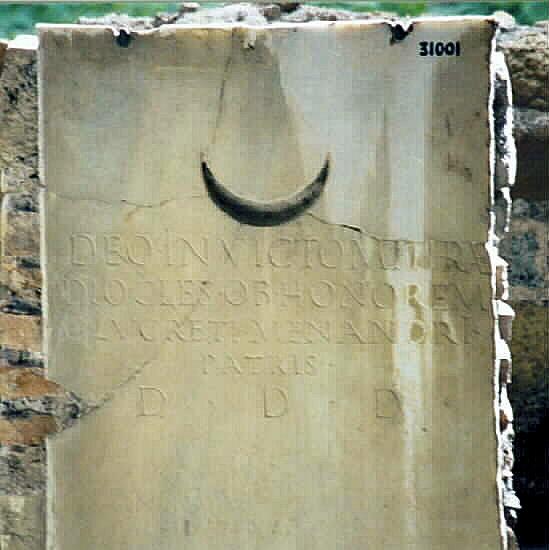
The brick altar of the Mithraeum Menander was covered with marble slabs bearing a crescent and an inscription.
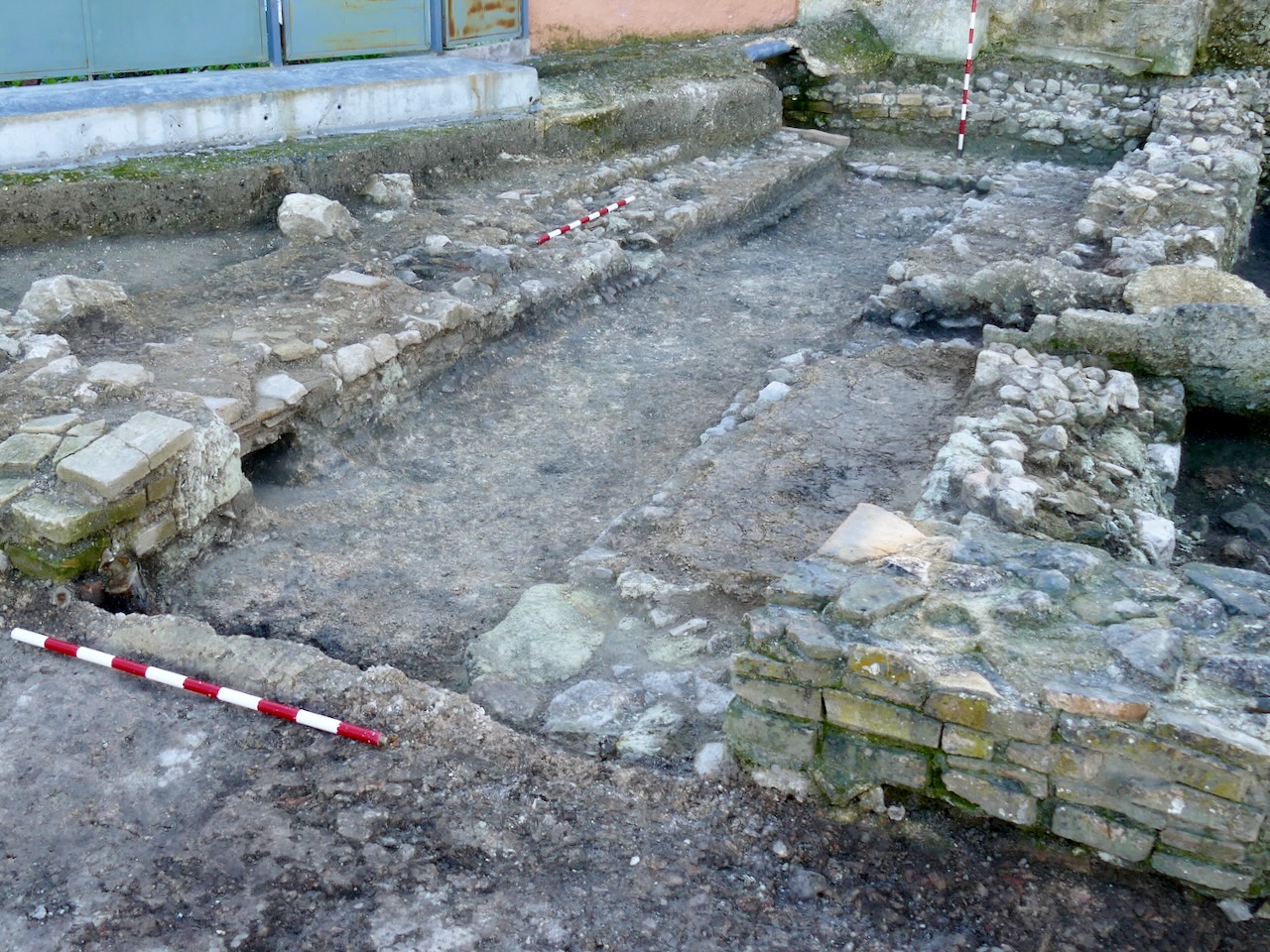
The Mithraeum of Cabra is located in the Villa del Mitra, which owes its name to the discovery in 1951 of a Mithras tauroctonus in the remains of the Roman villa.
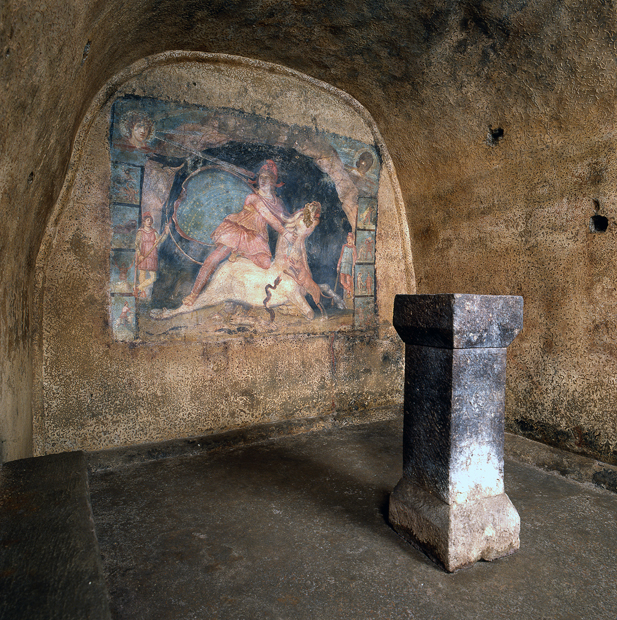
The Marino Mithraeum preserves one of the most elaborate painted cycles of Mithras’ myth, combining the tauroctony, planetary symbolism and scenes from the god’s sacred narrative.
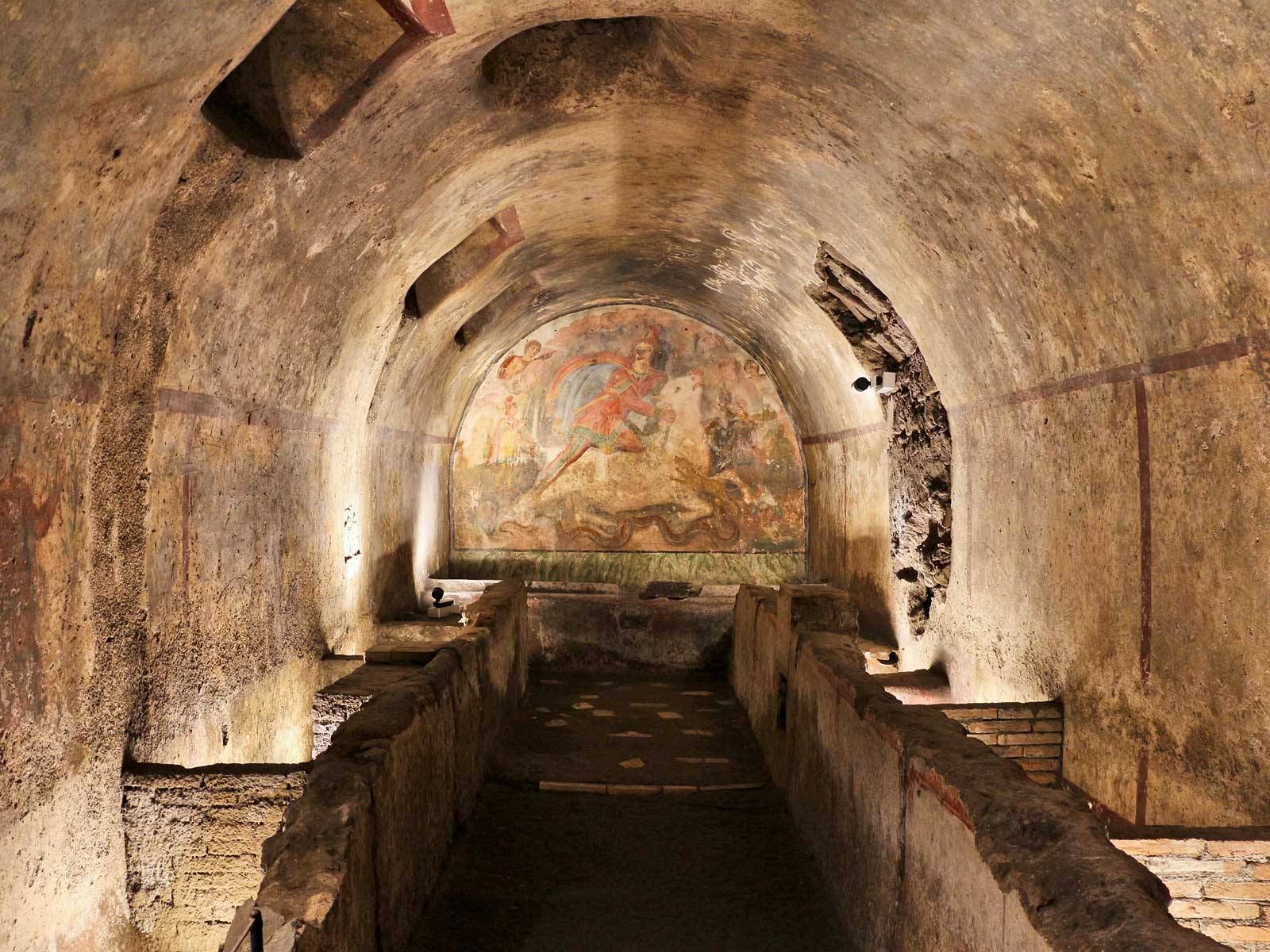
One of Roman Italy’s most important Mithraic sanctuaries, the Mithraeum at S. Maria Capua Vetere preserves a remarkable painted cycle of initiation scenes, offering rare visual evidence for the ritual life of Roman Mithaism.
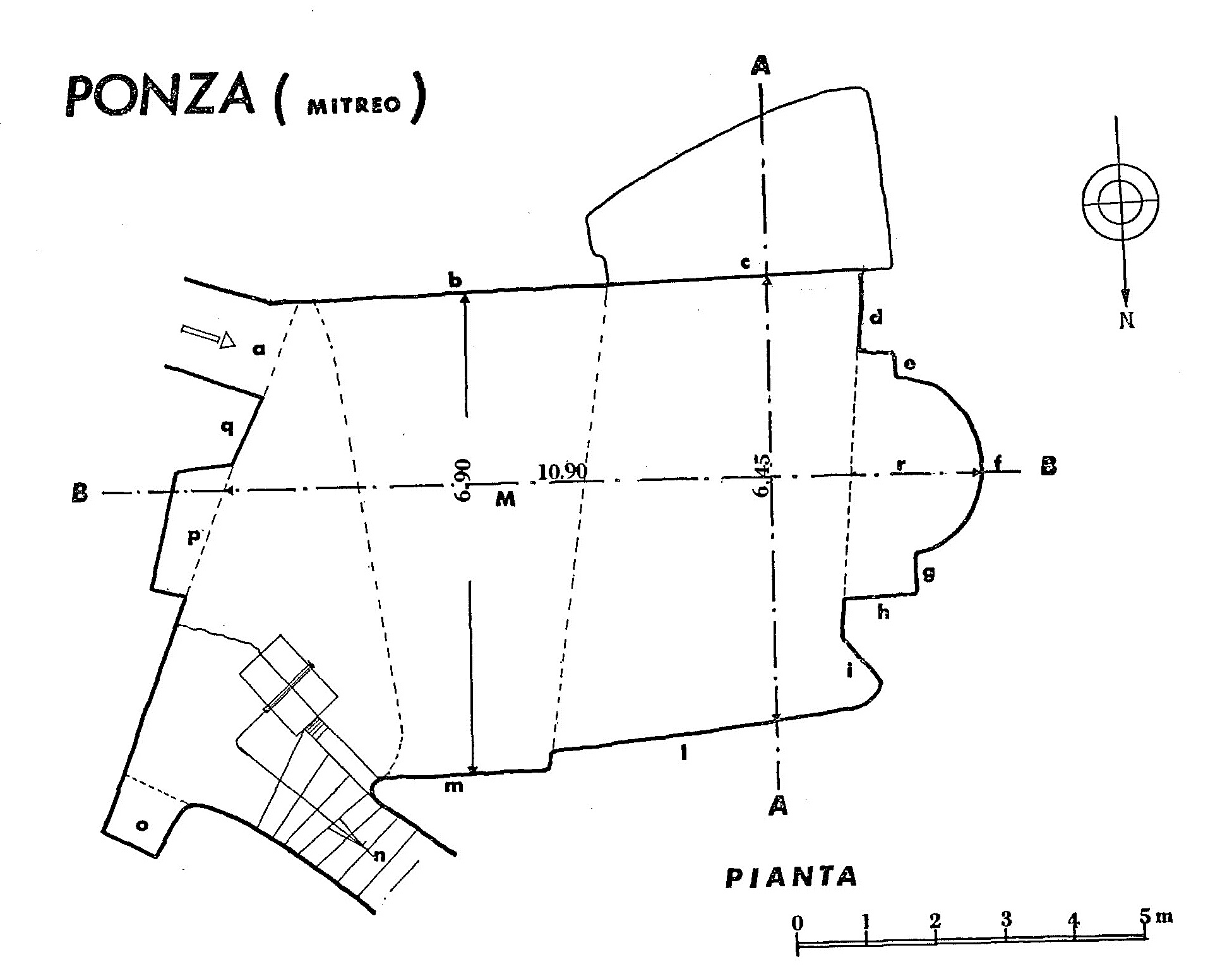
This Mithraic shrine on the island of Ponza is renowned for its exceptional stucco zodiac and astral symbolism linked to Roman Mithaism.
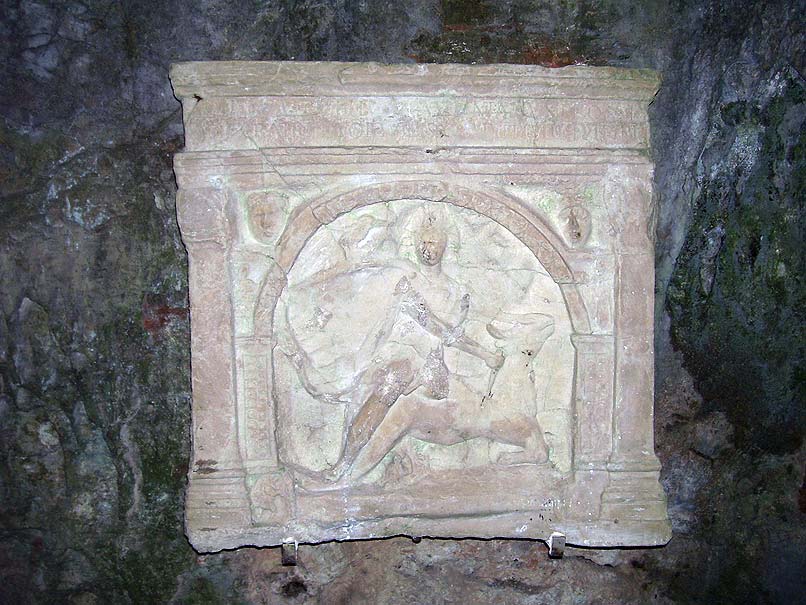
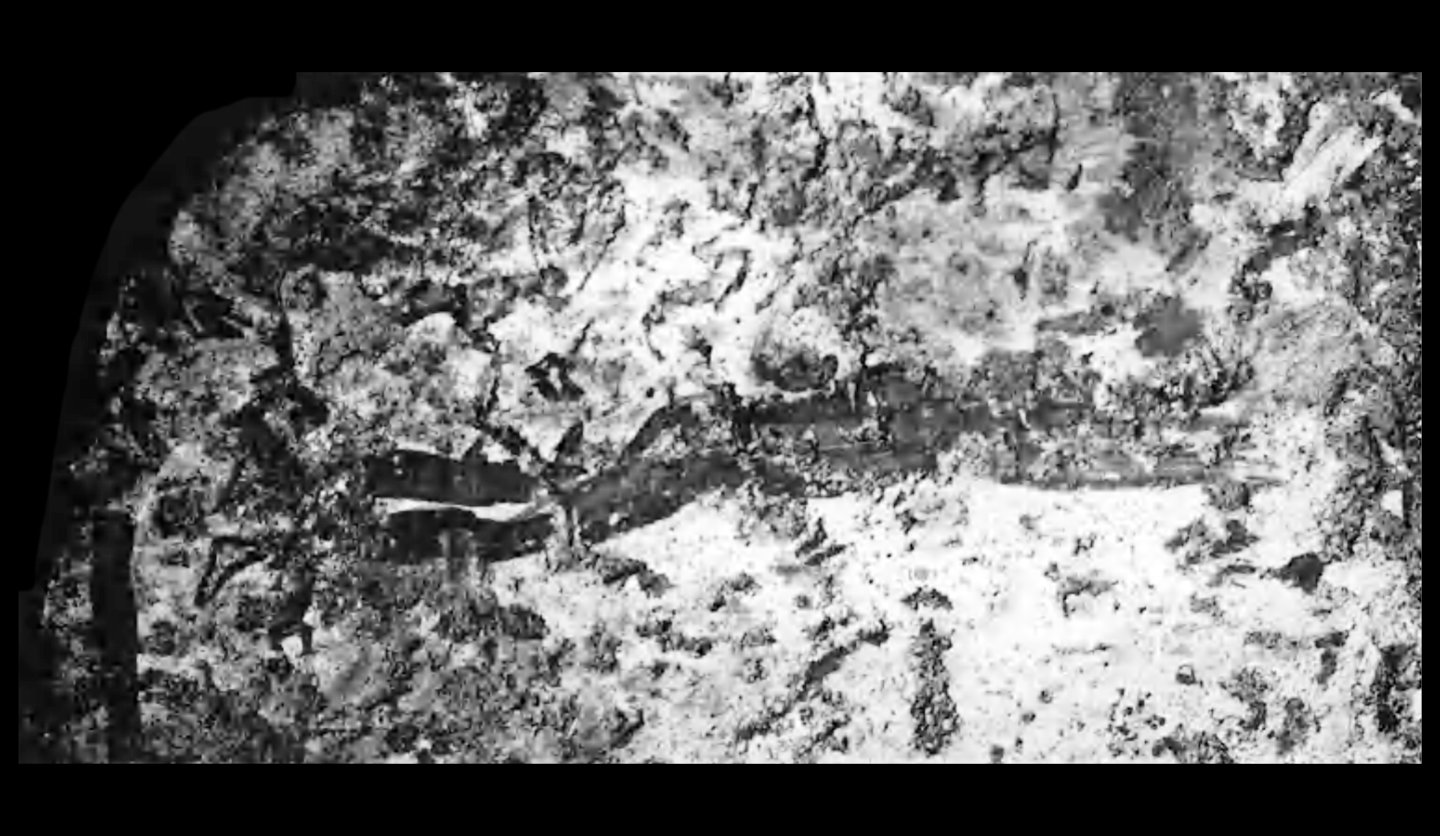
Representation of a person lying prostrate on the ground between two other walking figures on the Mitreo of Santa Capua Vetere.
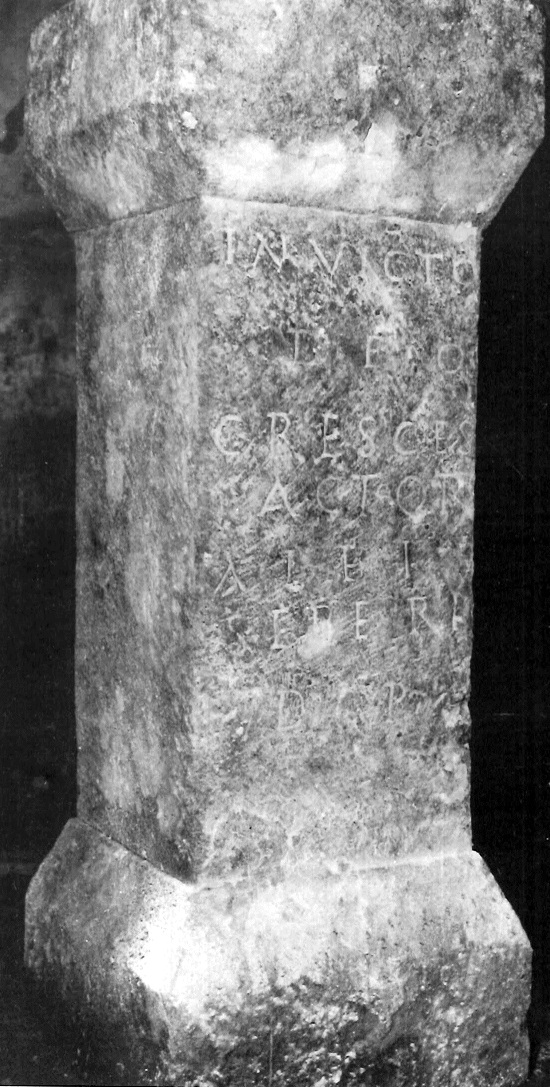
The monument is engraved with an inscription by Cresces, the donor.

As this short inscription indicates, Aemilio Epaphorodito was both Pater and priest of the Mithraeum of the Seven Spheres.
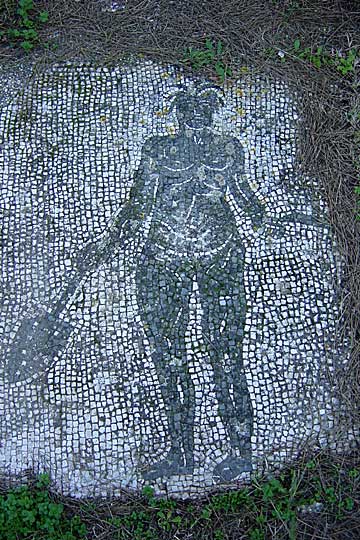
Several figures related to the Mysteries of Mithras are depicted on the mosaics of the Mithraeum of the Animals.

The importance of the Mithraeum of Marino lies in its frescoes, the most significant of which is that of Mithras slaying the bull, surrounded by mythological scenes.
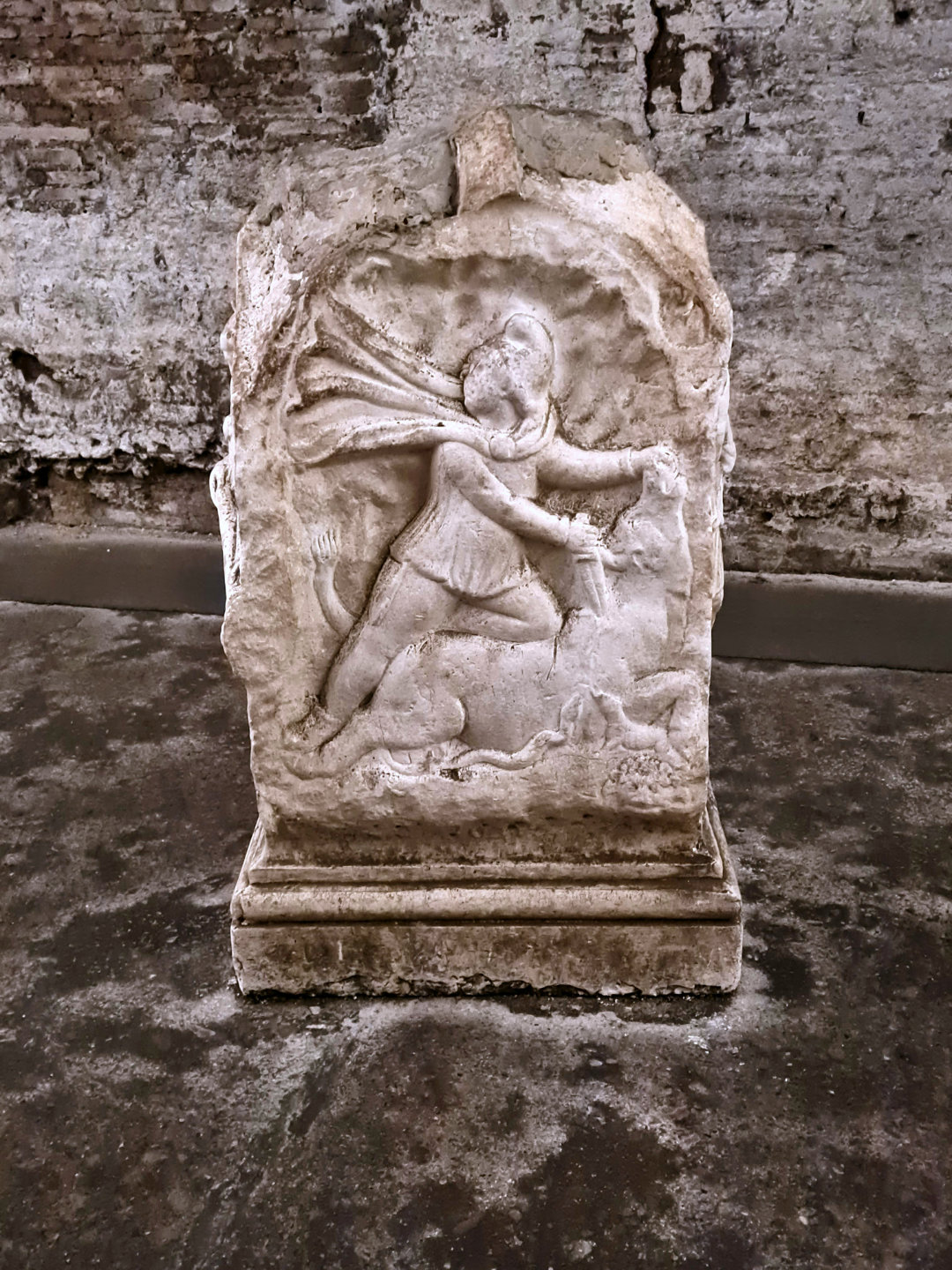
The altar of the Mithraeum of San Clemente bears the Tauroctony on the front, Cautes and Cautopates on the right and left sides and a serpent on the back.
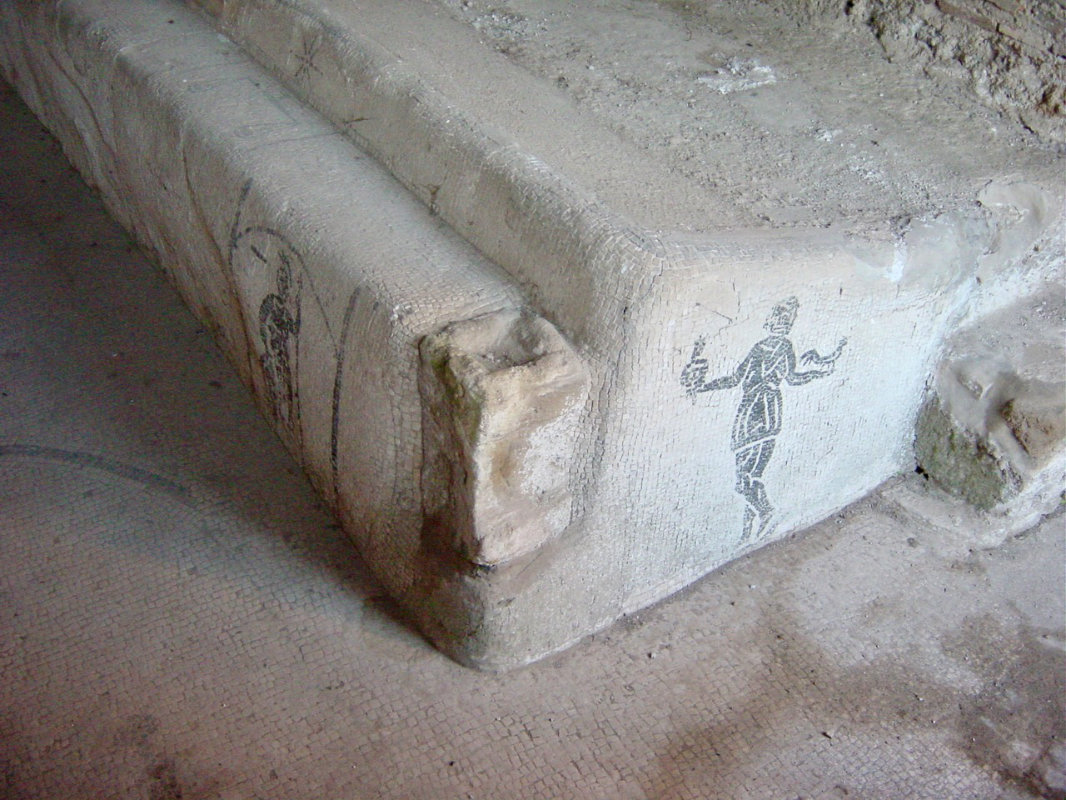
At the entrance to the Mithraeum of the Seven Sferes, Cautopates holds the torch with both hands and Cautes holds the torch in his right hand and a cock in his left.
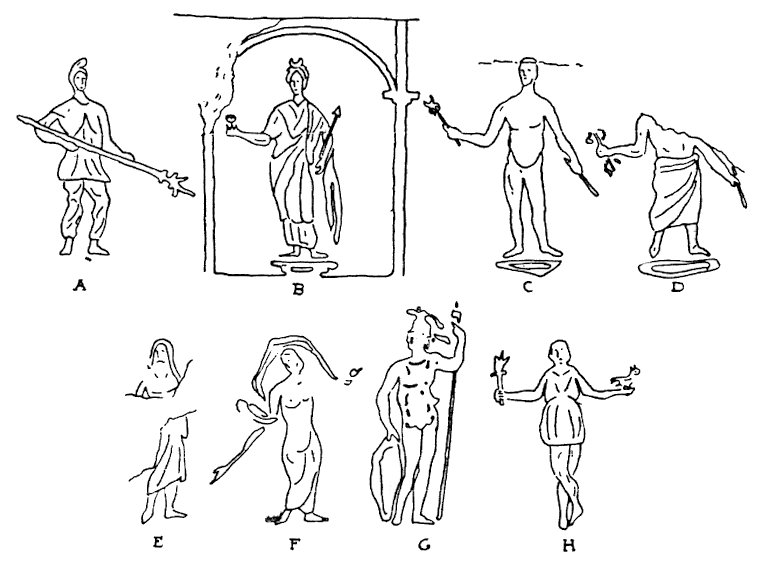
Diana-Luna, Mercurius, Jupiter, Saturn, Venus and Mars are depicted in the mosaics on the benches of this mithraeuma.
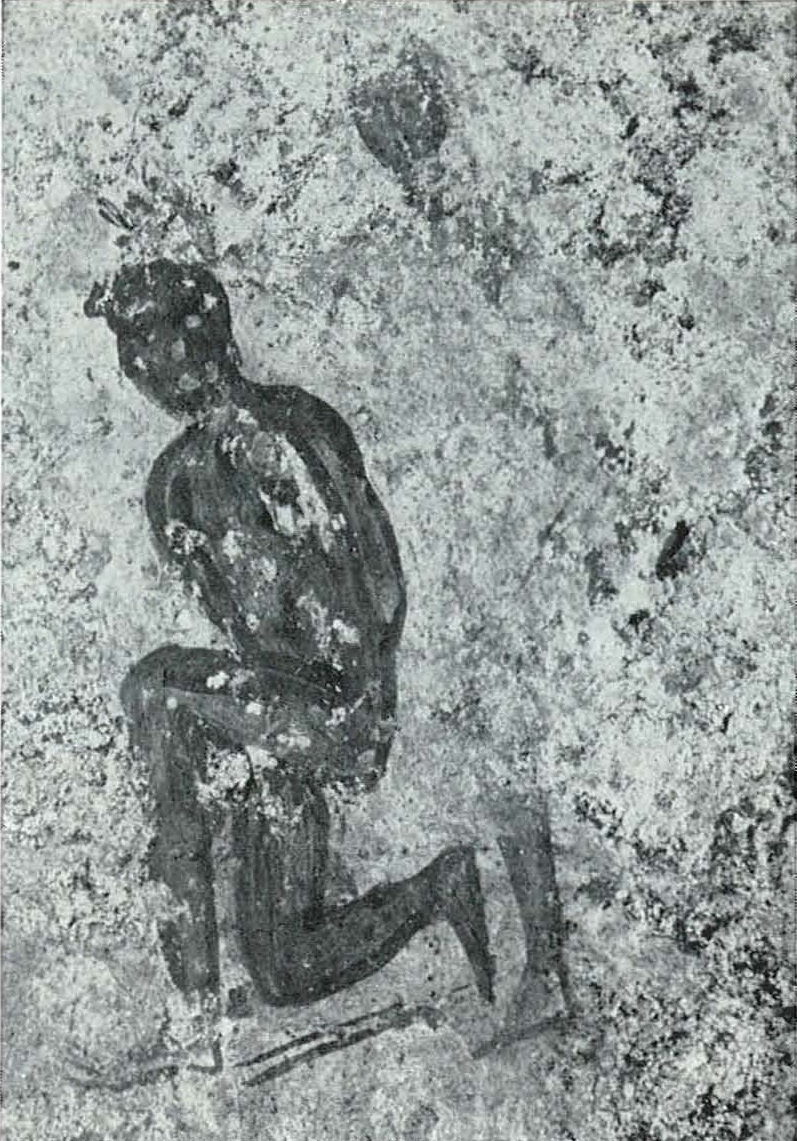
This scene from the frescoes of the Mitreo di Santa Maria Capua Vetere shows a kneeling, naked man surrounded by two other figures.
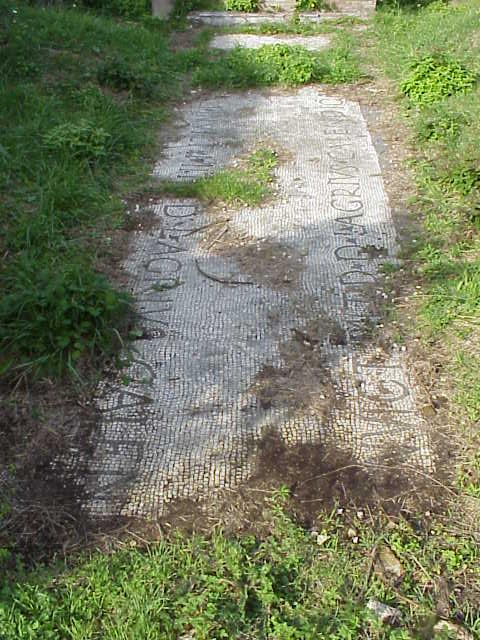
It bears an inscription repeated on each side of the podia.
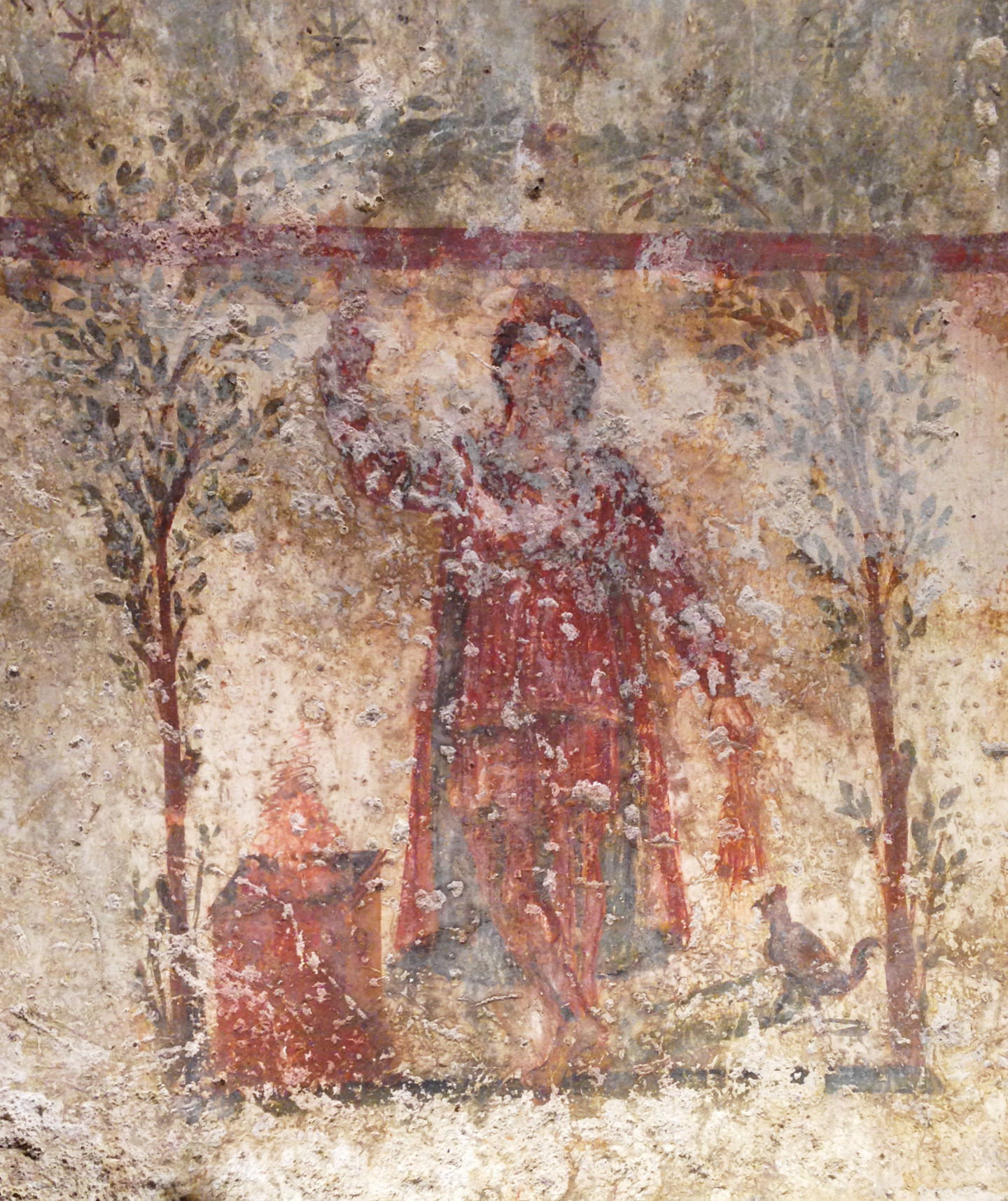
In the Mithraeum of S. Capua Veteres, Cautes stands between two laurel trees.
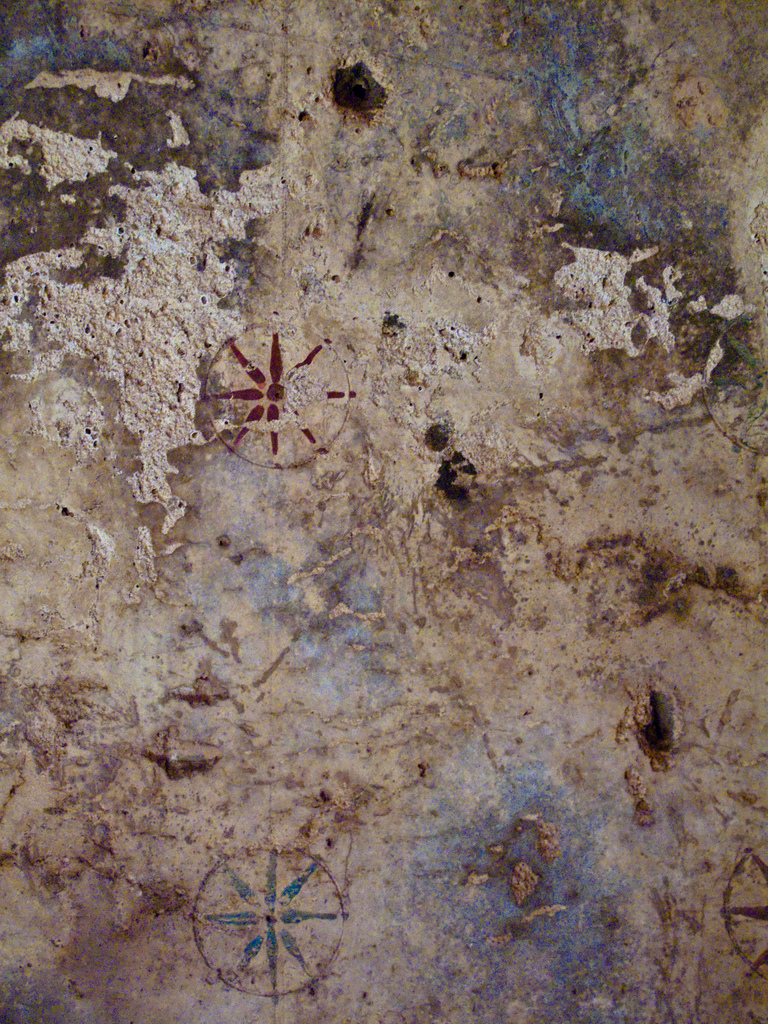
The vault of the Mithraeum in S. Capua Vetere is decorated with stars that have holes in their centers, which once held colorful glass decorations.
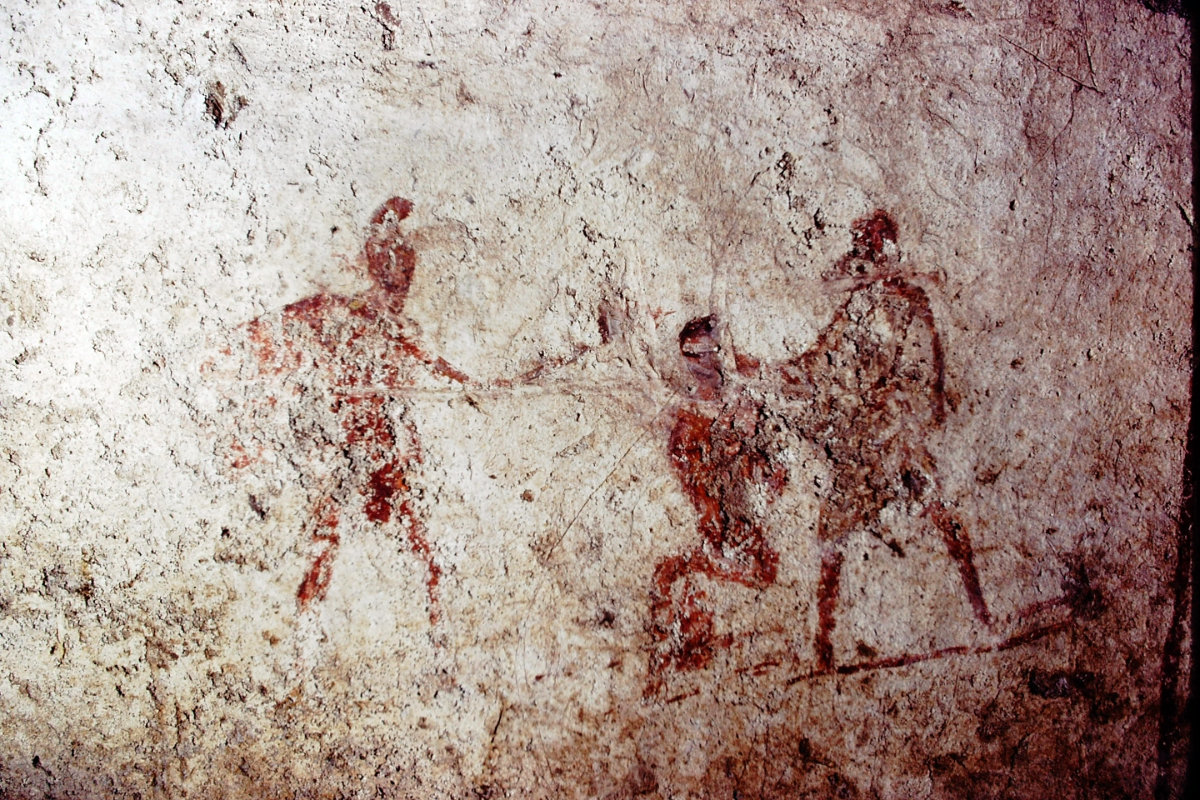
Fresco showing a scene of initiation into the mysteries of Mithras in the Mithraeum of Santa Maria Capua Vetere.
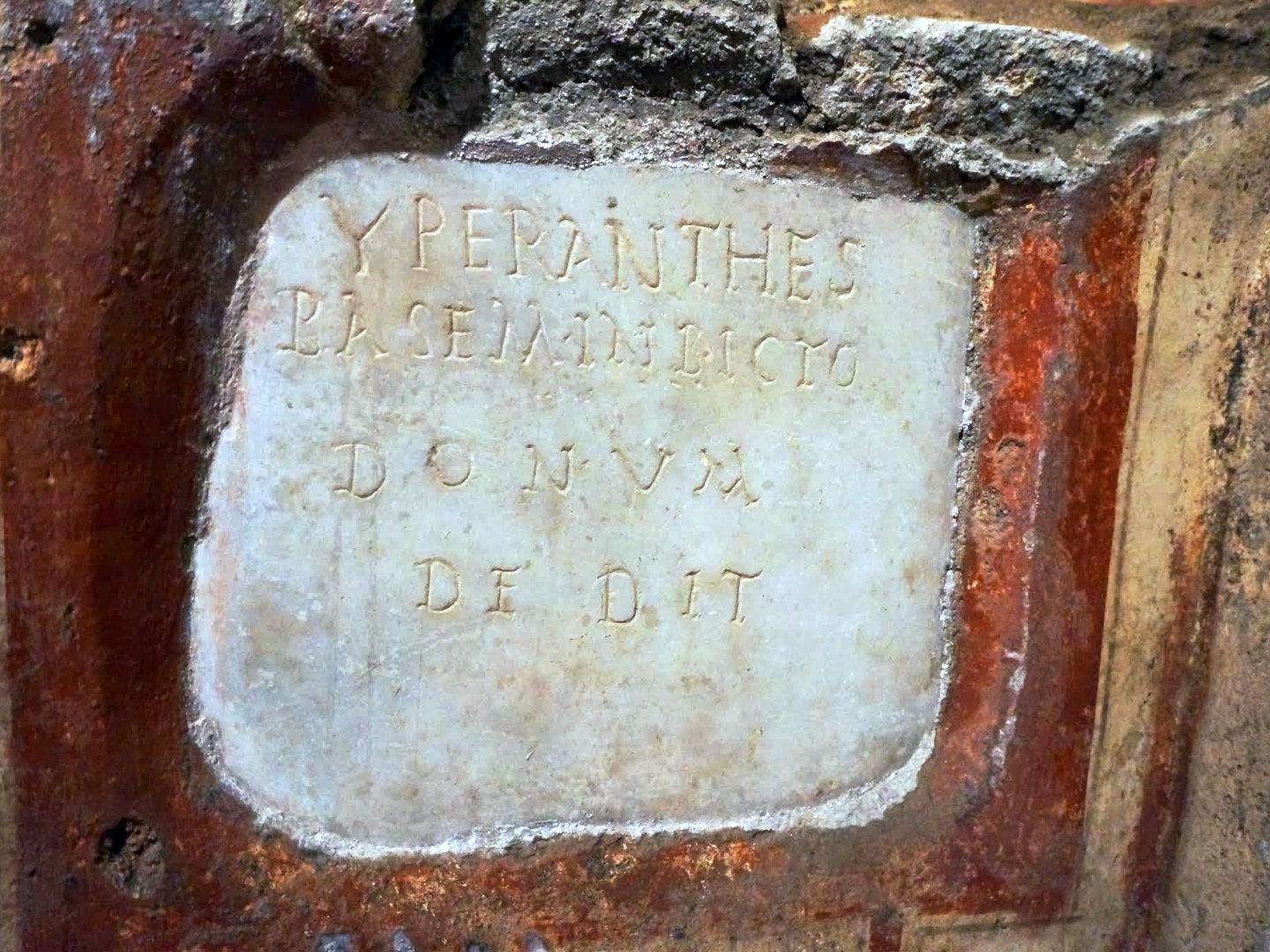
The inscription mentions the name of the donor, Yperanthes, of Persian origin.
