Your search Ernest Will gave 217 results.

Vir perfectissimus and priest of Zeus Brontes and Hekate, he erected a mithraeum in Rome.




The name of this domus comes from the fact that some authors once associated one of its mosaics with the cult of Mithras, a connection that has since been dismissed.
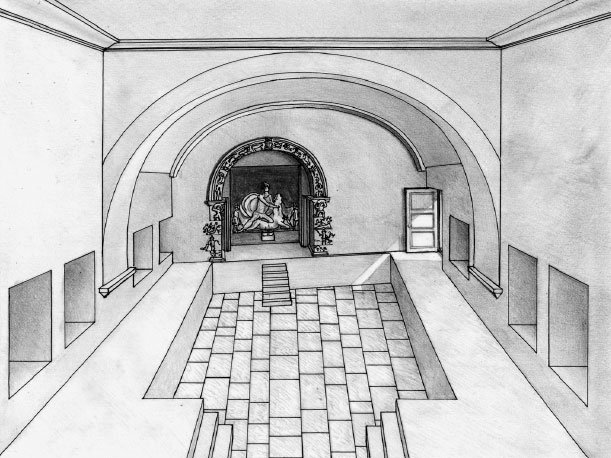
The Mithraeum of Saara, Syria, has been identified through the deciphering of the remains of the iconographic programme on its arch.
The Mysteries of Mithras is an independent Initiatic Order which is inspired by and uses the allegory of the lost and ancient Mithraic Mysteries also known as Mithraism a previously influential Roman Cult of the same name.

The Mithraeum of Visentium, near Capodimonte in Viterbo, was carved grotto-style into a tuff cliff overlooking the waters of Lake Bolsena, just a few dozen metres away.
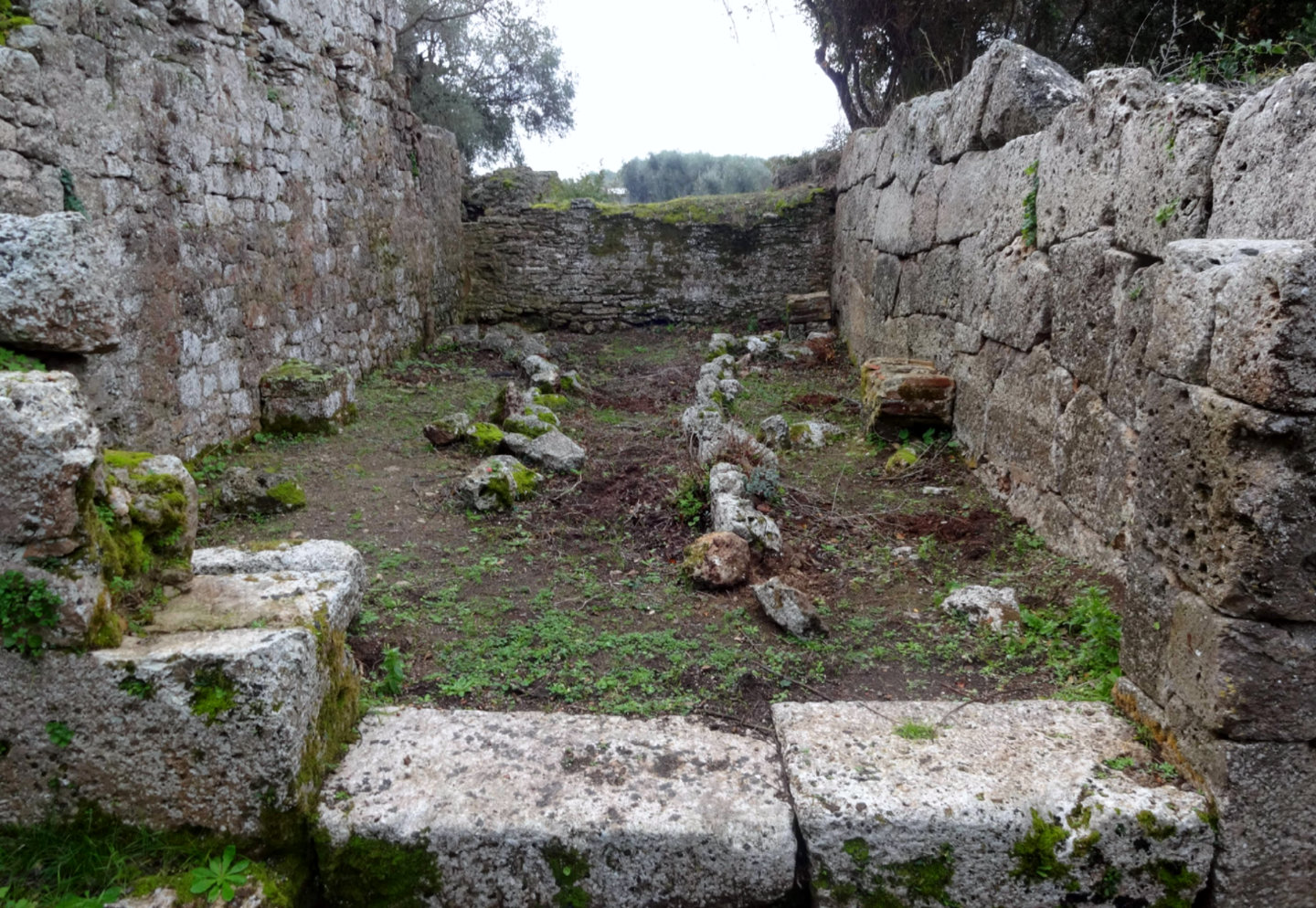
The Mithraeum was inserted into the basement of the basilica-theater by the 3rd century.
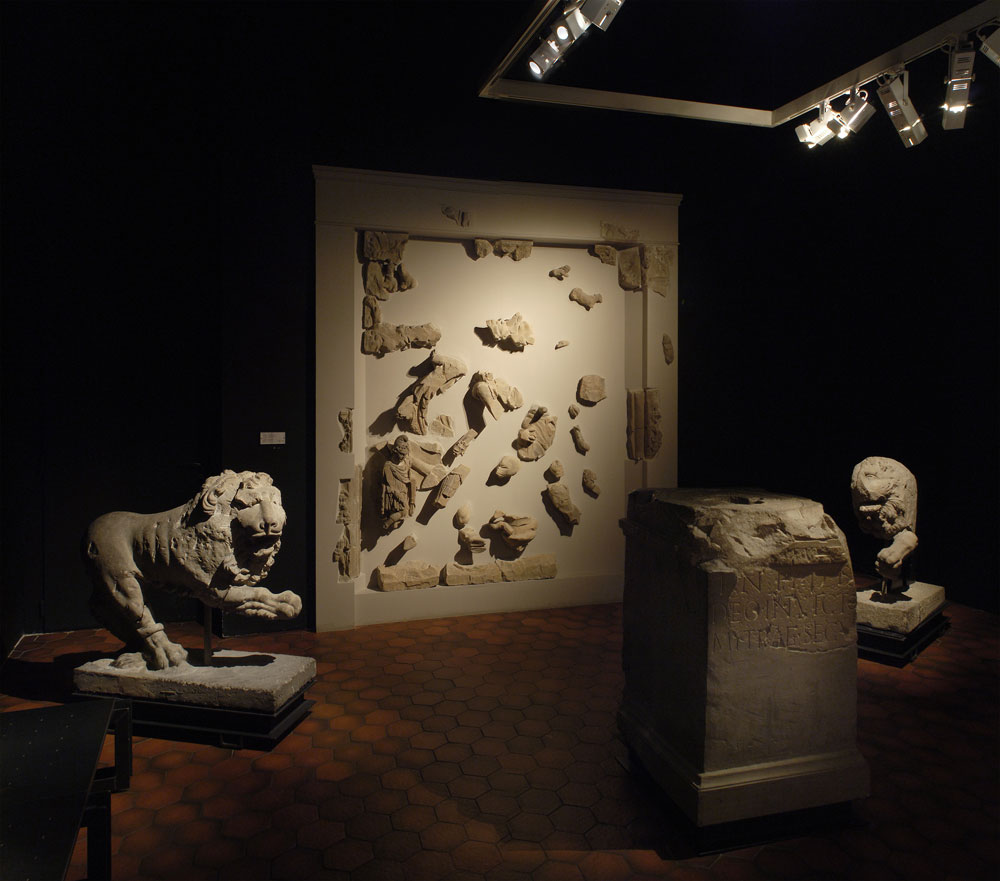
These fragments of a monumental relief of Mithras killing the bull from Koenigshoffen were reassembled and are now on display at the Musée Archéologique de Strasbourg.
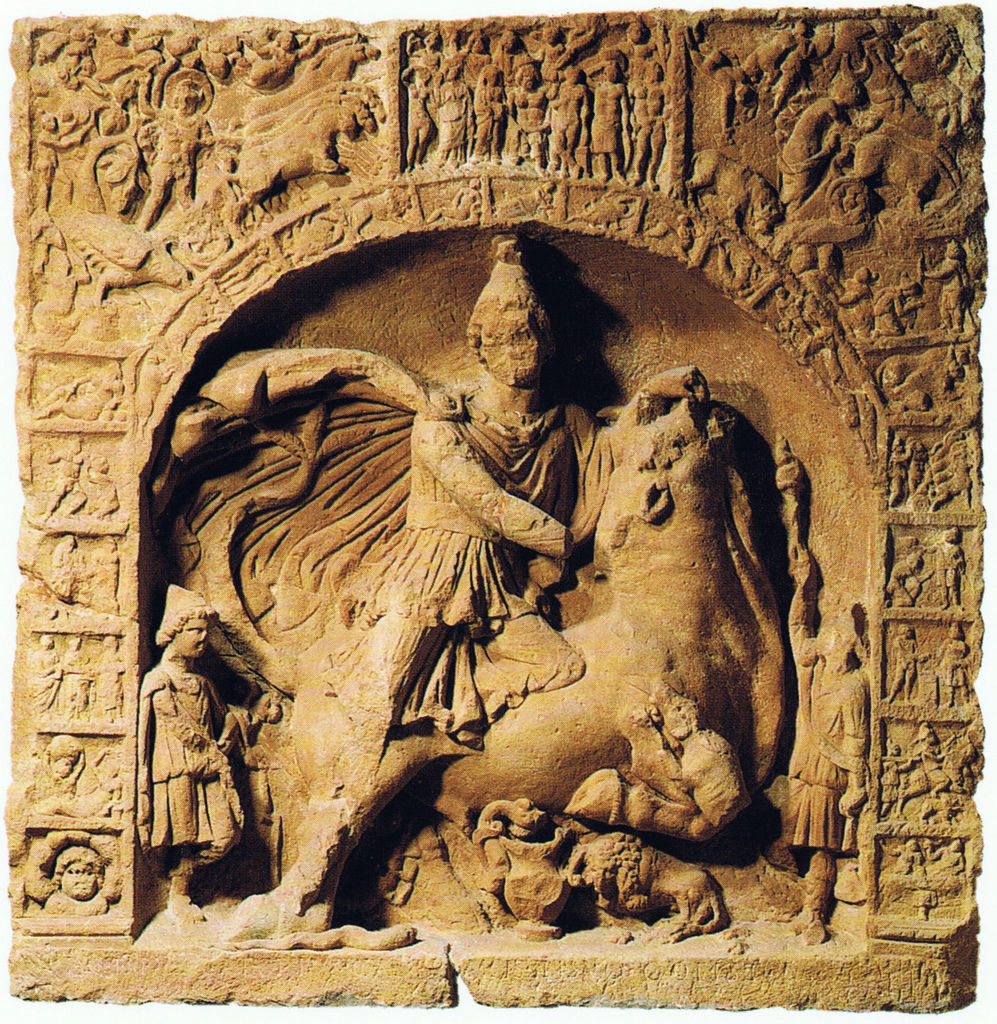
Franz Cumont considers the bas relief of Osterburken ’the most remarkable of all the monuments of the cult of Mithras found up to now’.

Tracing the links between the cult of Mithras and the Proud Boys’ quest for identity, power, and belonging. How ancient rituals and brotherhood ideals resurface in radical modern movements.

Over the last century or so, a great deal has been said about the god Mithras and his mysteries, which became known to the European world mainly through his Roman cultus during the Imperial Period.

Found in Illmitz, Austria, in 1959, this altar was dedicated to the unconquered god Mithras by a certain Aelius Valerianus.
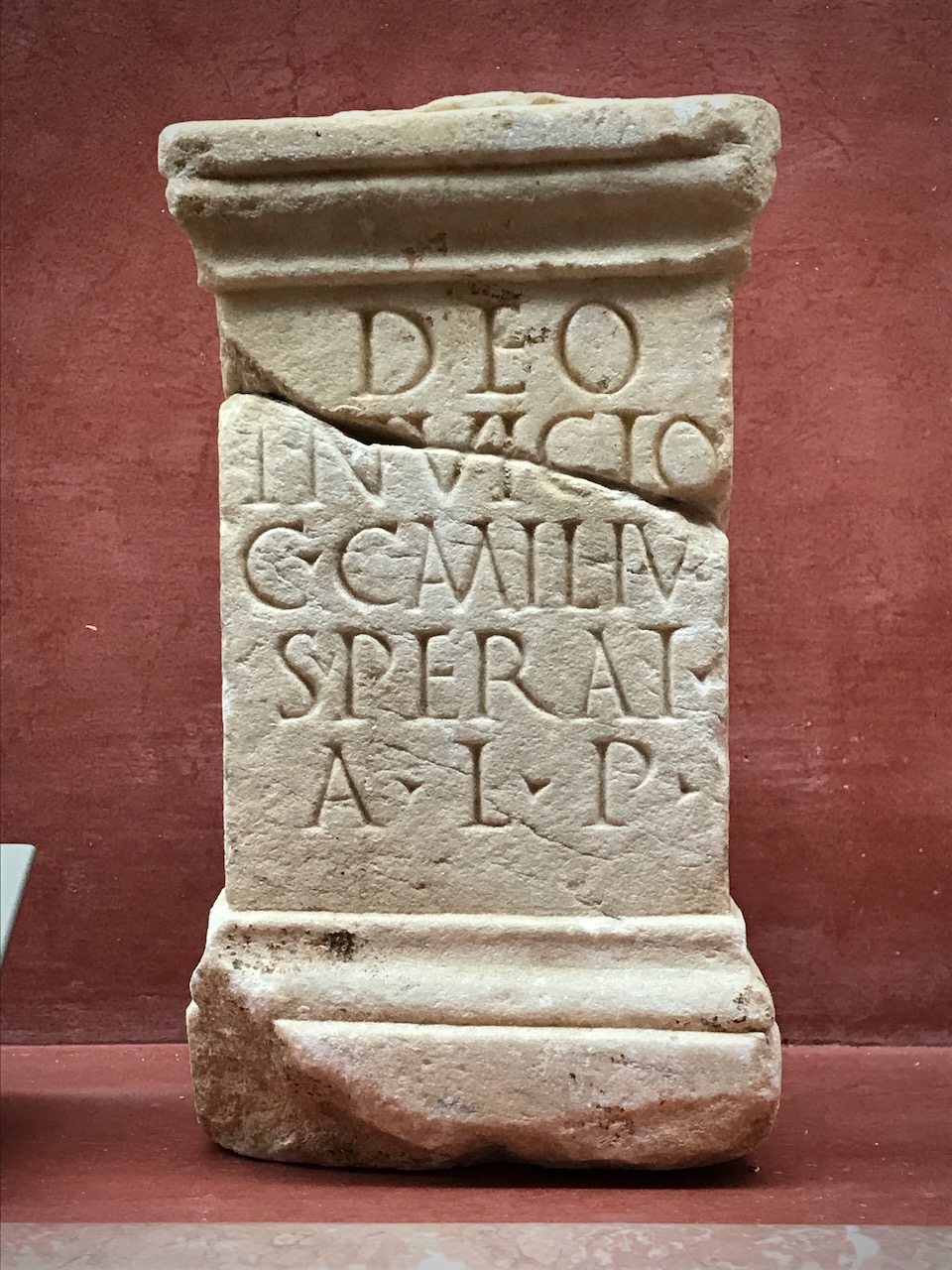
Small white marble altar made in honour of Mithras found at San Albín, Mérida.
One of the three known inscriptions of Dioscorus, servant of Marci, found in Alba Iulia, Romania.
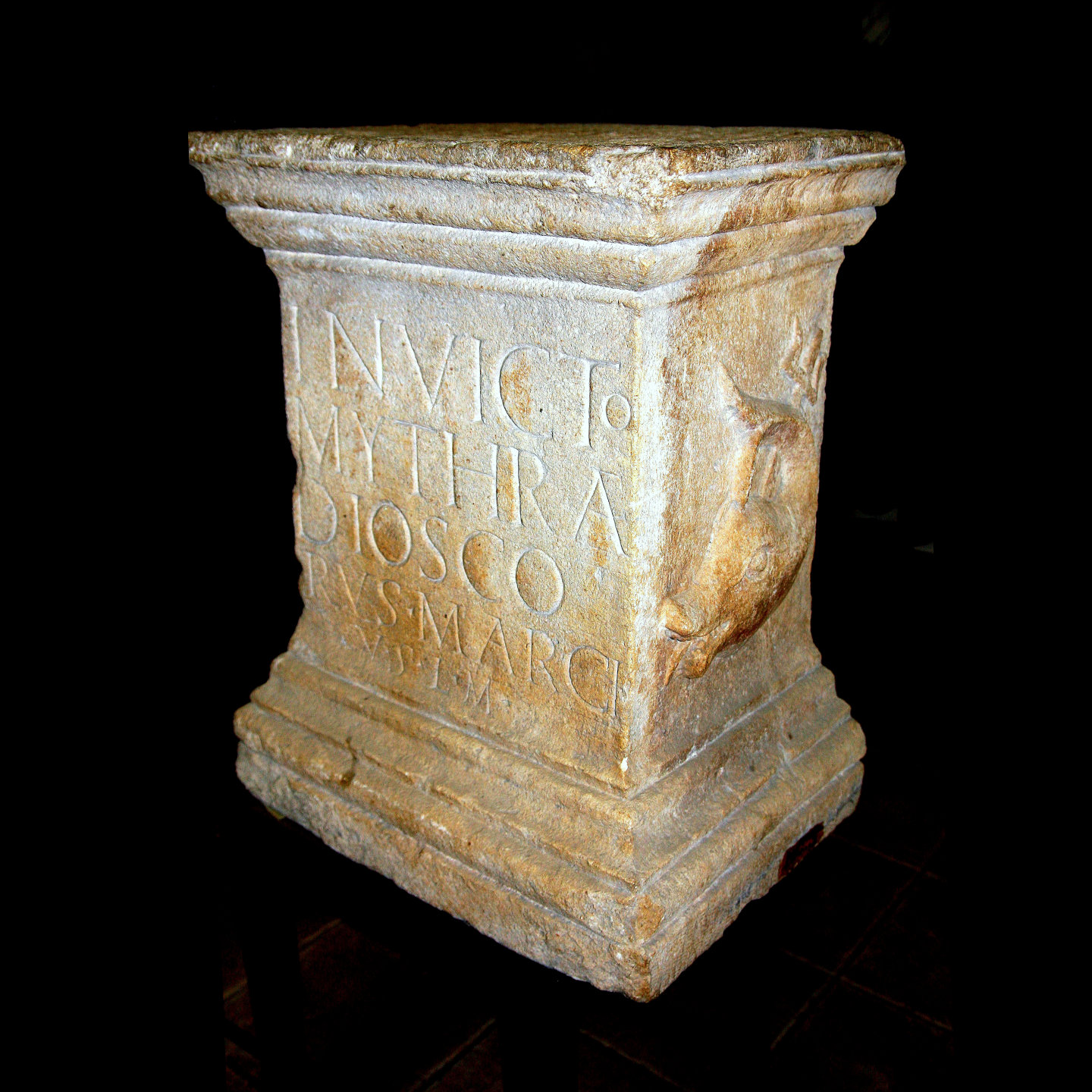
In 1852, Károly Pap, a naval captain, unearthed several Mithraic monuments in his garden at Marospartos, including this altar.
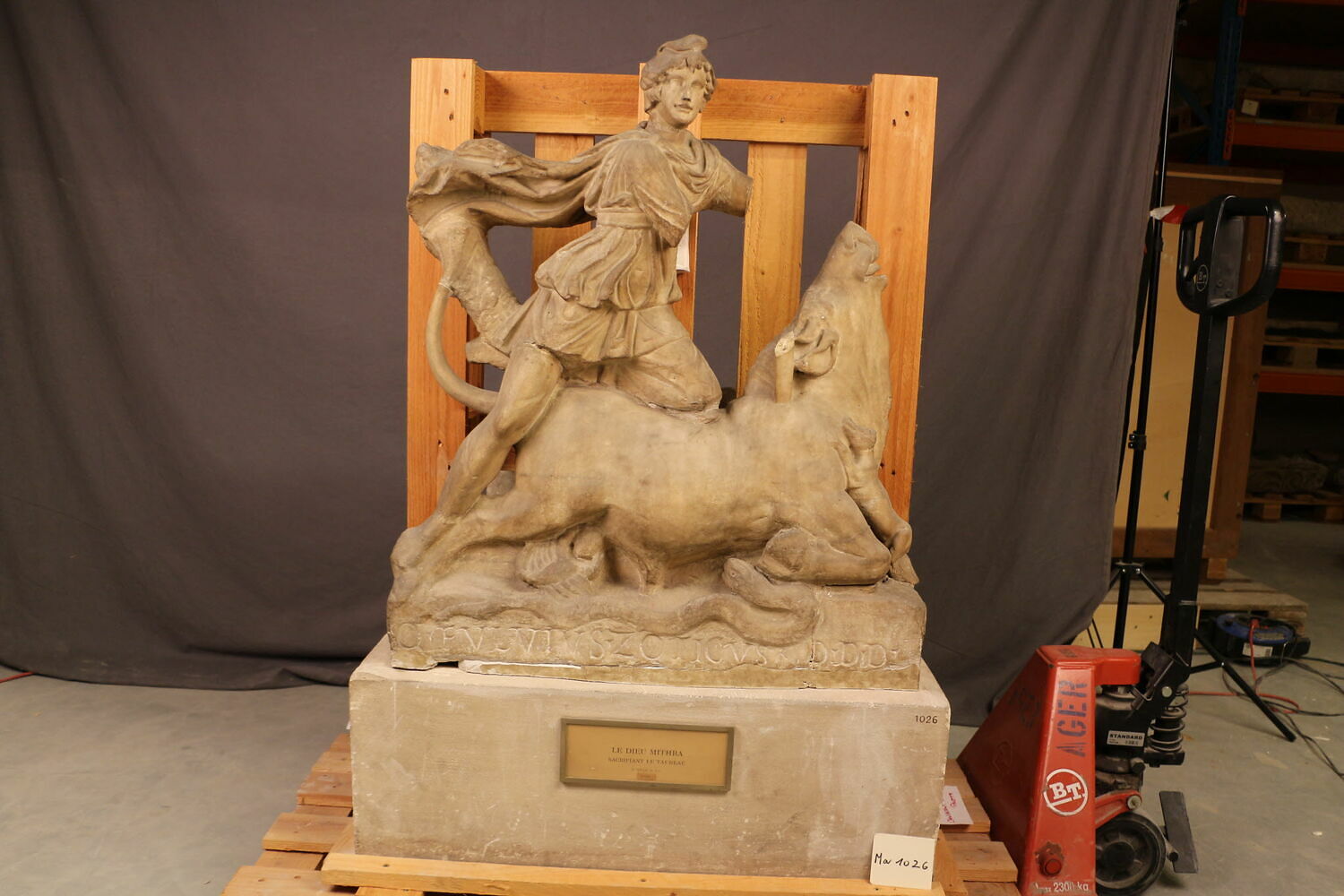
The Tauroctony found in Velletri, Rome, bears an inscription from its owner and donor.
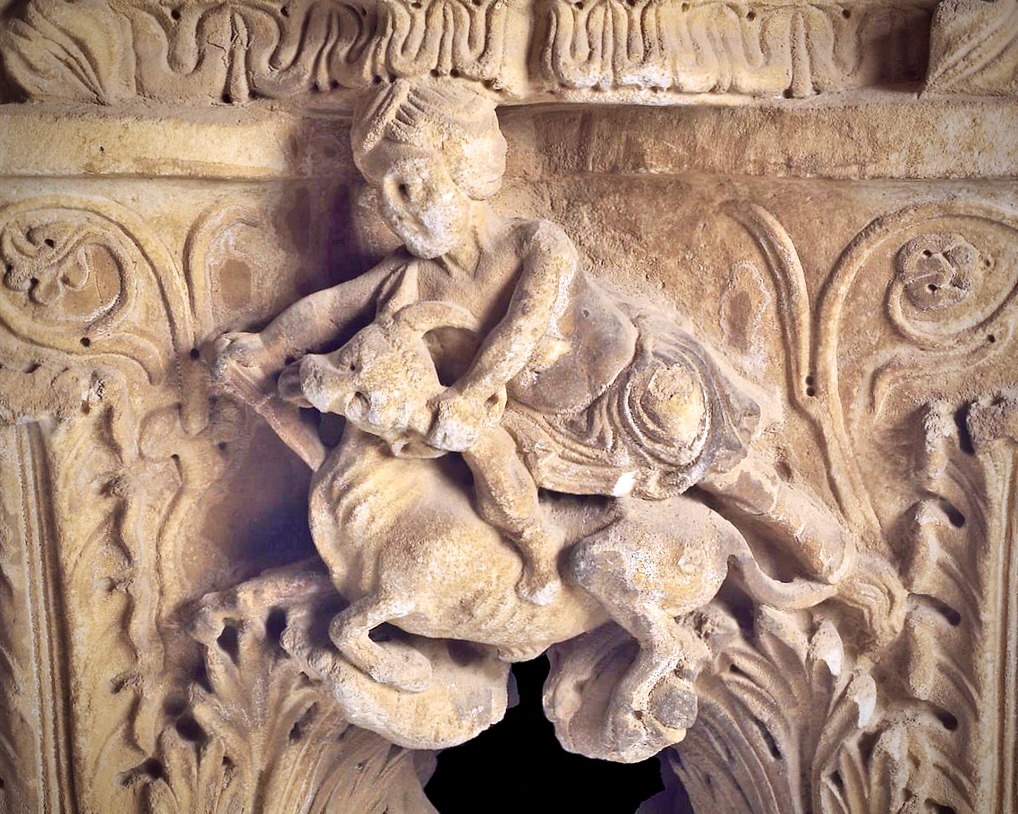
On one of the capitals of the cathedral of Santa Maria Nuova in Monreale, Sicily, an unusual turbaned bull-slaying Mithras has been recorded.
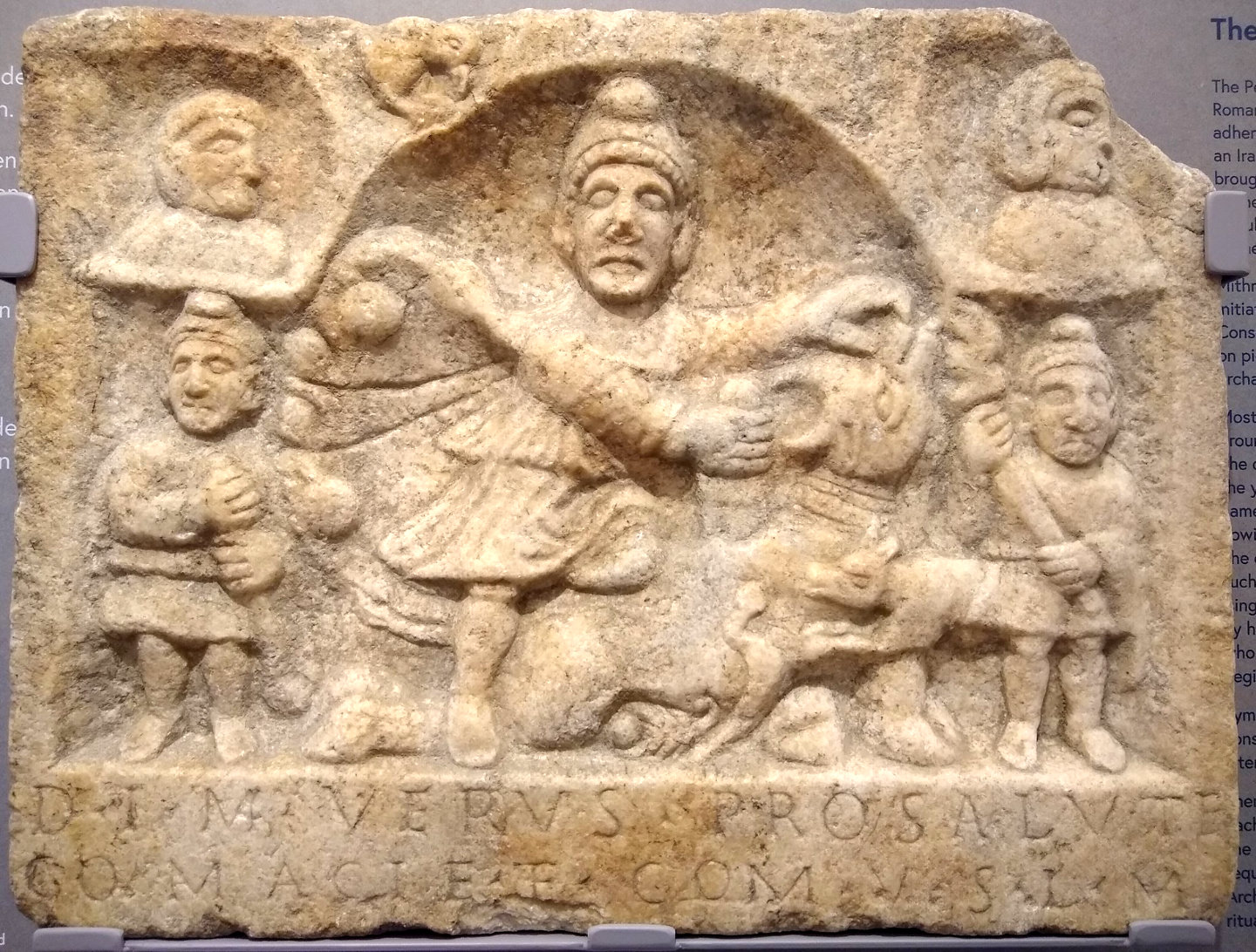
The votive image was donated by a certain Verus for a mithraeum which was probably located in the hinterland of the Limes.
