Your search Farid ud-Din Attar gave 1805 results.

Yellow lenticular carnelian gem probably from Aquileia, now in Udine, depicting a Mithraic scene nearly identical to the Florence jasper.

Dedication from the Mithraeum of Rudchester recording the restoration of a temple dedicated to Sol Invictus.
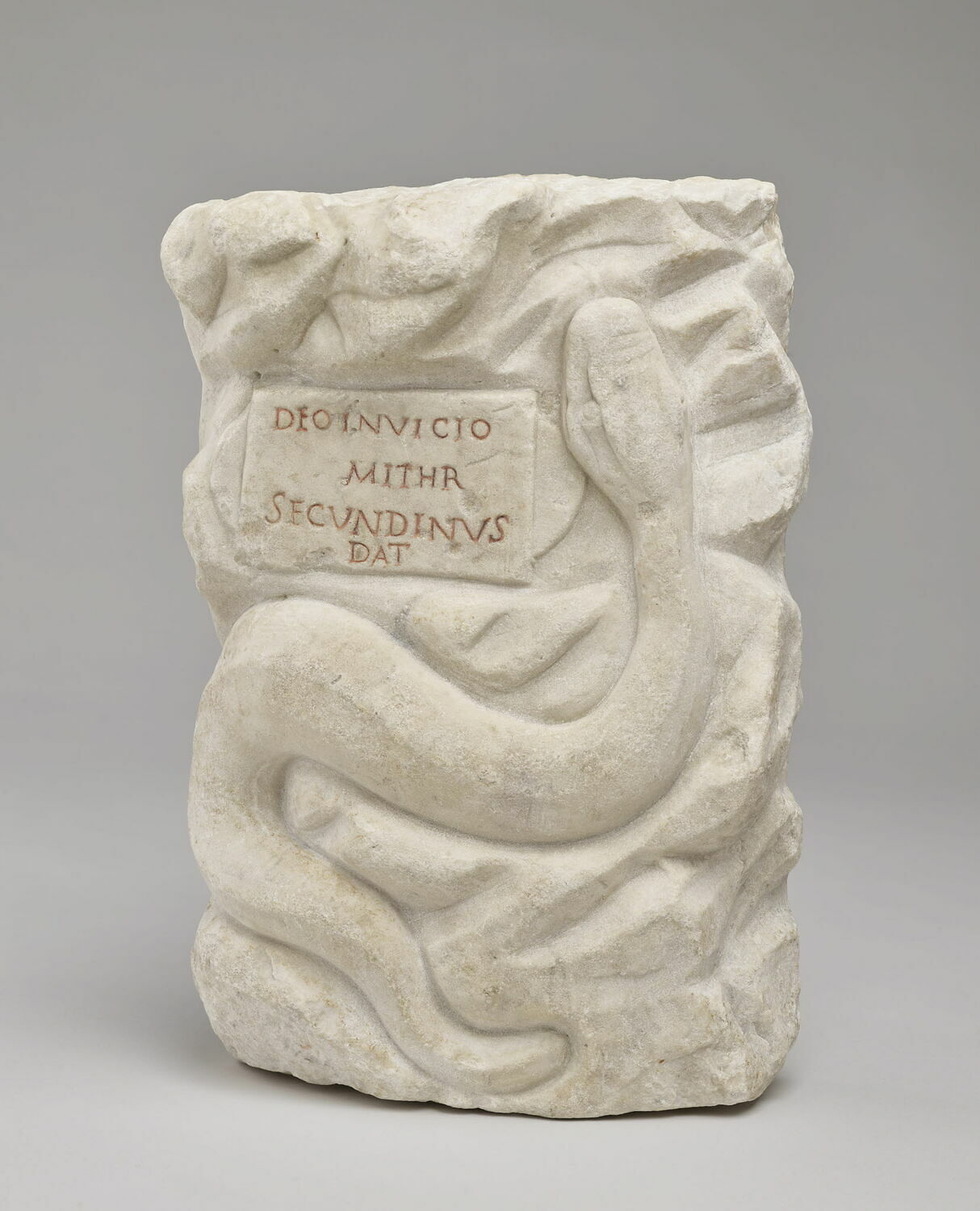
There is no consensus on the authenticity of this monument erected by a certain Secundinus in Lugdunum, Gallia.

Peter Mark Adams’ The Game of Saturn: Decoding the Sola-Busca Tarocchi is the first full length, scholarly study of the enigmatic Renaissance masterwork known as the Sola-Busca tarot.

The Mithraeum under and behind S. Prisca on the Aventine is without doubt the most important sanctuary of the Persian god in Rome.
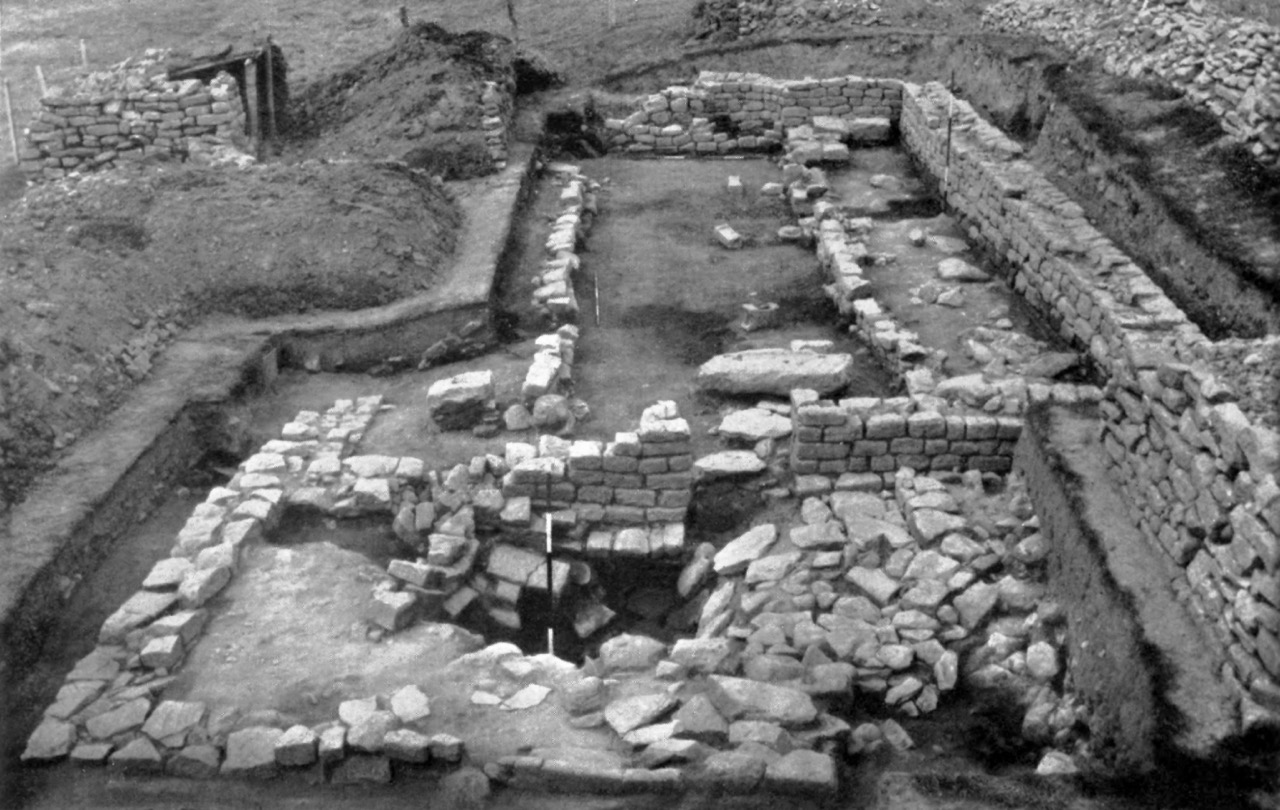
The Mithraeum of Rudchester was discovered in 1844 on the brow of the hill outside the roman station.
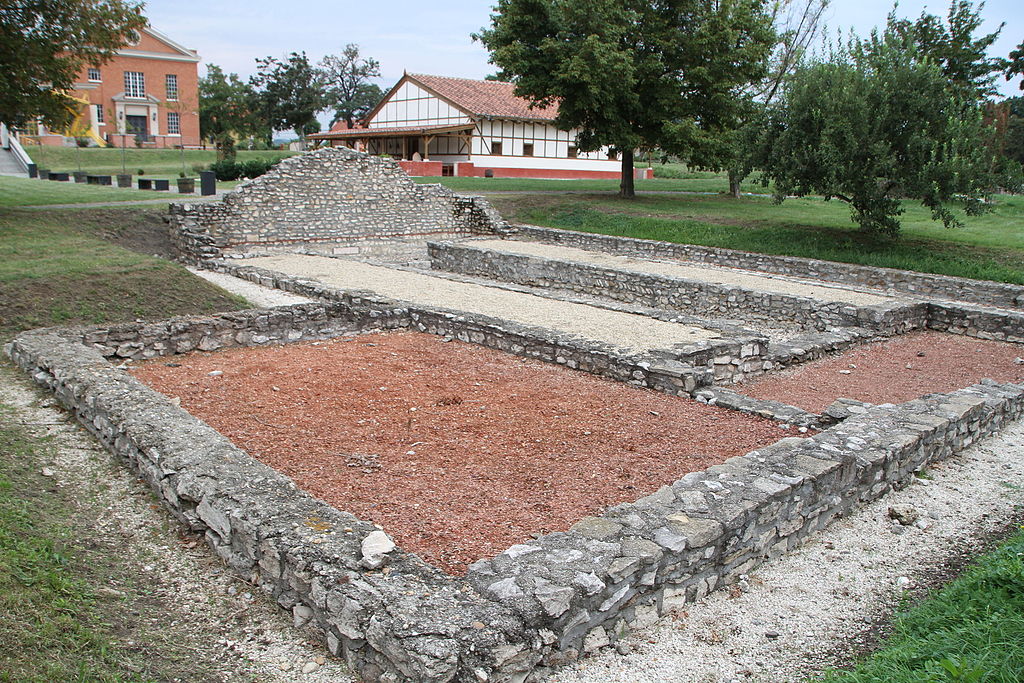
The Mithraeum of Symphorus and Marcus, in Óbuda, Budapest, has been restored to public view in 2004 and, while well presented, it has been heavily restored.
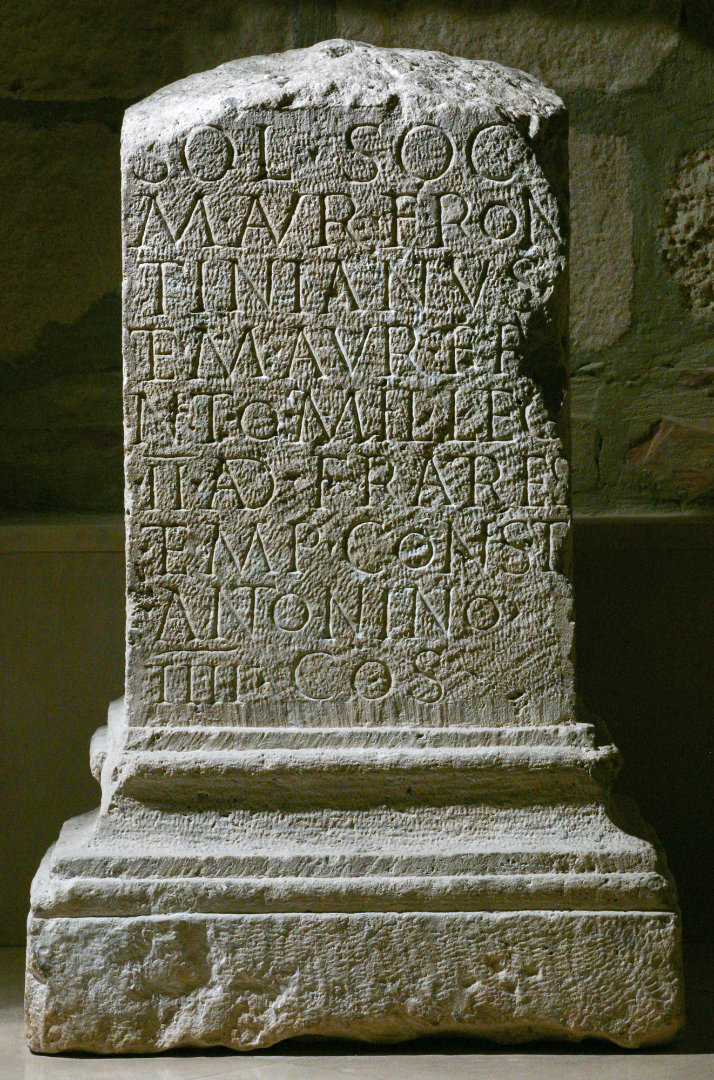
This fragmented altar was erected by two brothers from the Legio II Adiutrix who also built a temple.
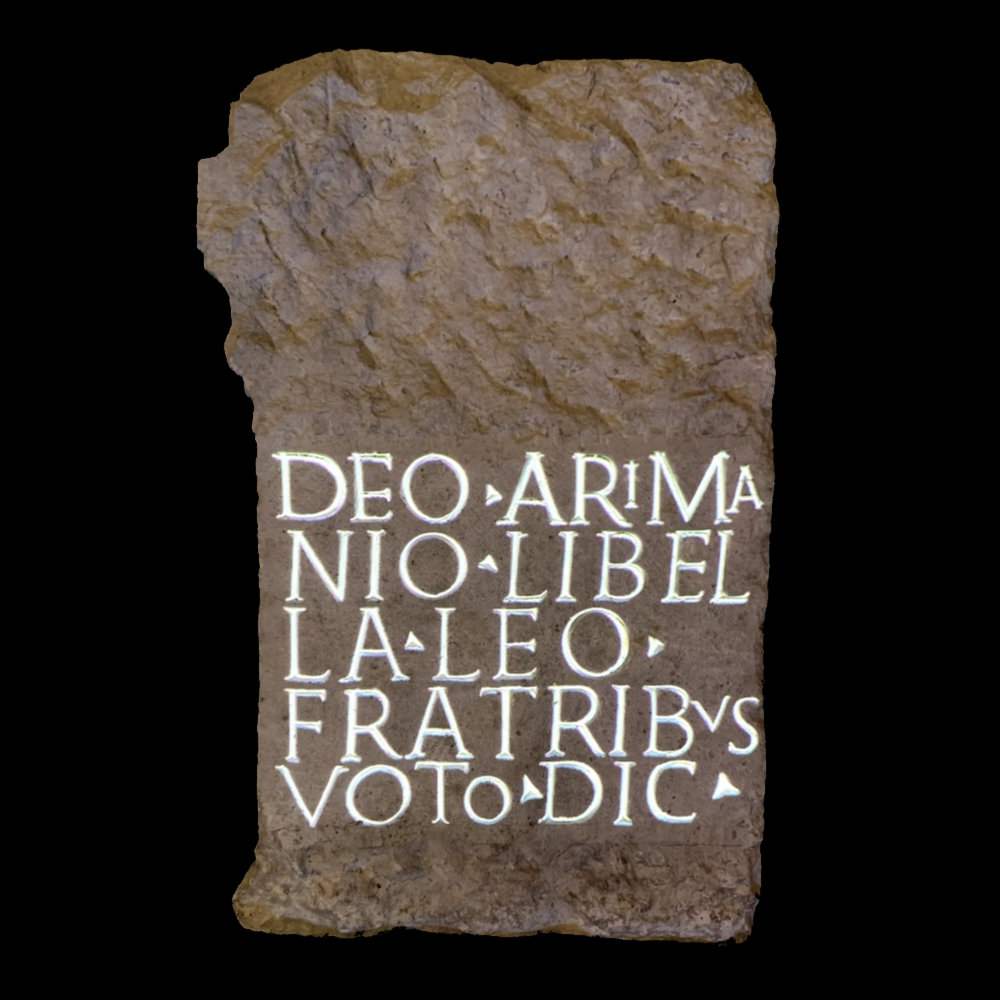
The dedicant of this altar to the god Arimanius was probably a slave who held the grade of Leo.
A bluish marble tauroctony relief once in the Villa Ludovisi in Rome, showing Mithras slaying the bull with the raven perched on his cloak holding a heart-shaped fruit, the bull's tail ending in ears of grain, and the dressed busts of Sol and Luna in the upper corners…
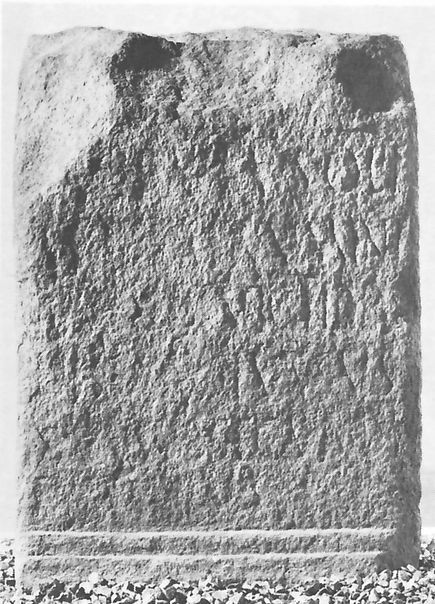
The v in this small altar found in Novaria has been interpreted by some commentators as qualifying Mithras as victorious.
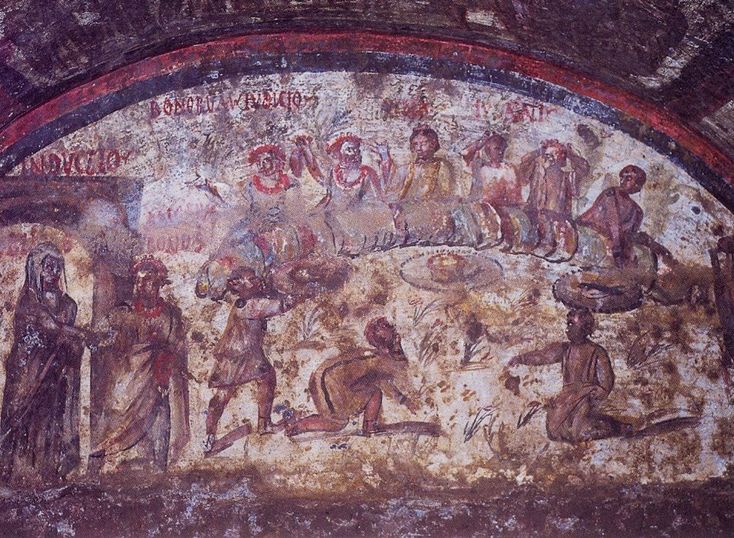
The epigrahy includes a mention of Marcus Aurelius, a priest of the god Sol Mithras, who bestowed joy and pleasure on his students.


This remarkable marble statue of Mithras killing the bull from Apulum includes a unique dedication by its donor, featuring the rare term signum, seldom found in Mithraic contexts.
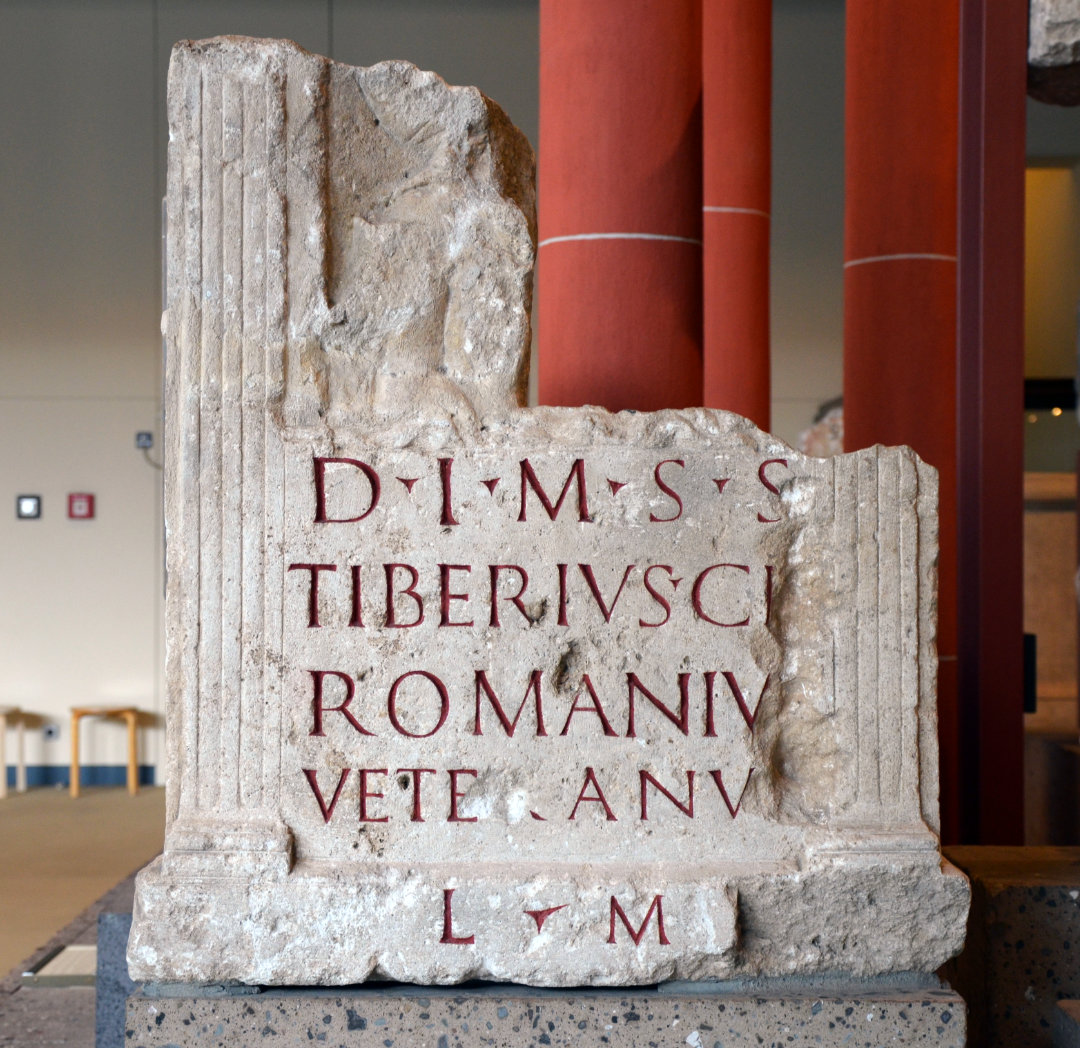
Votive inscription dedicated to Mithras by the veteran soldier Tiberius Claudius Romanius, from the Mithraeum II Köln, 3rd century.
A certain Secundinus, steward of the emperor, dedicated this altar to Mithras in Noricum, today Austria.
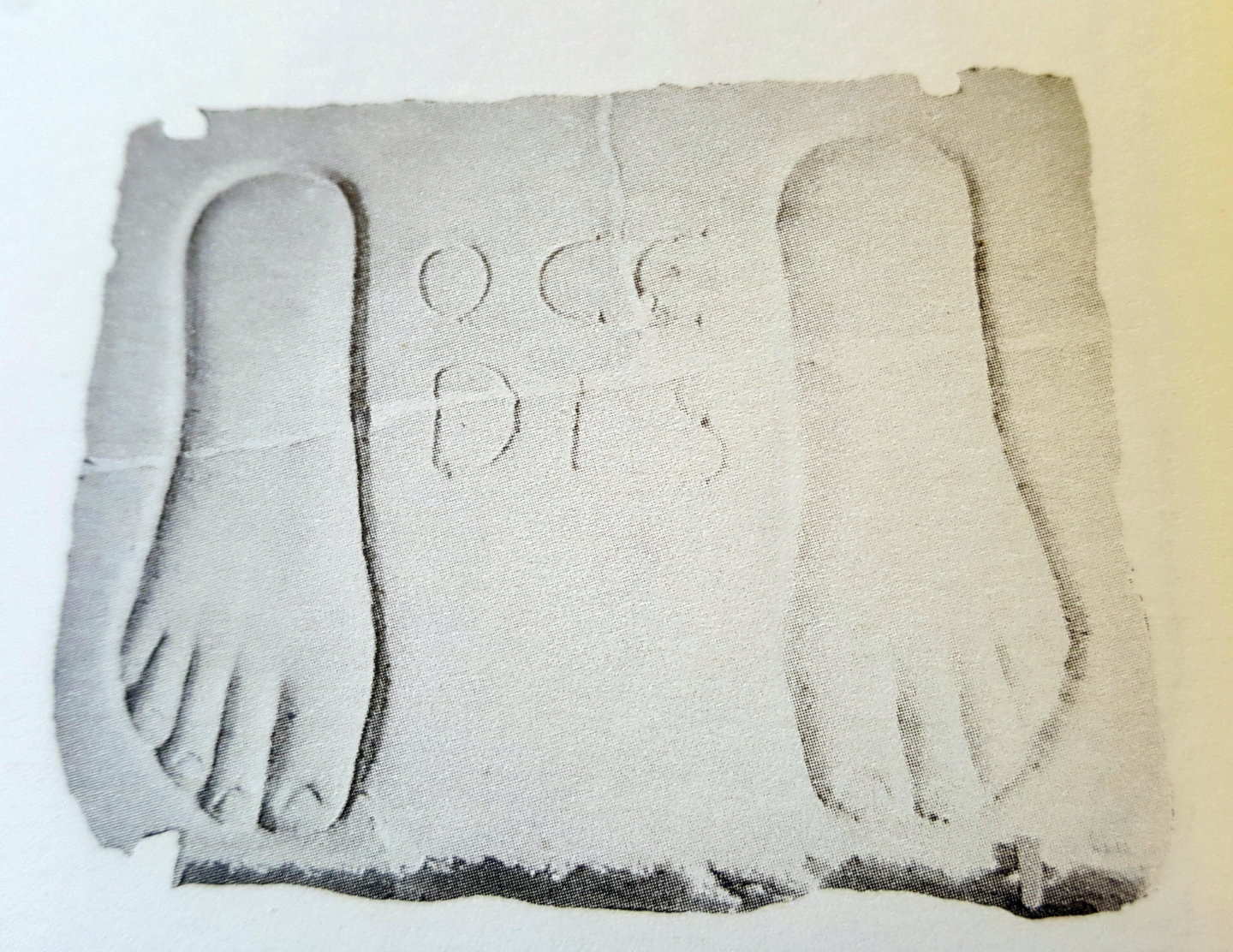
Recent interpretations link this marble inscription to the cult of the goddess Nemesis.
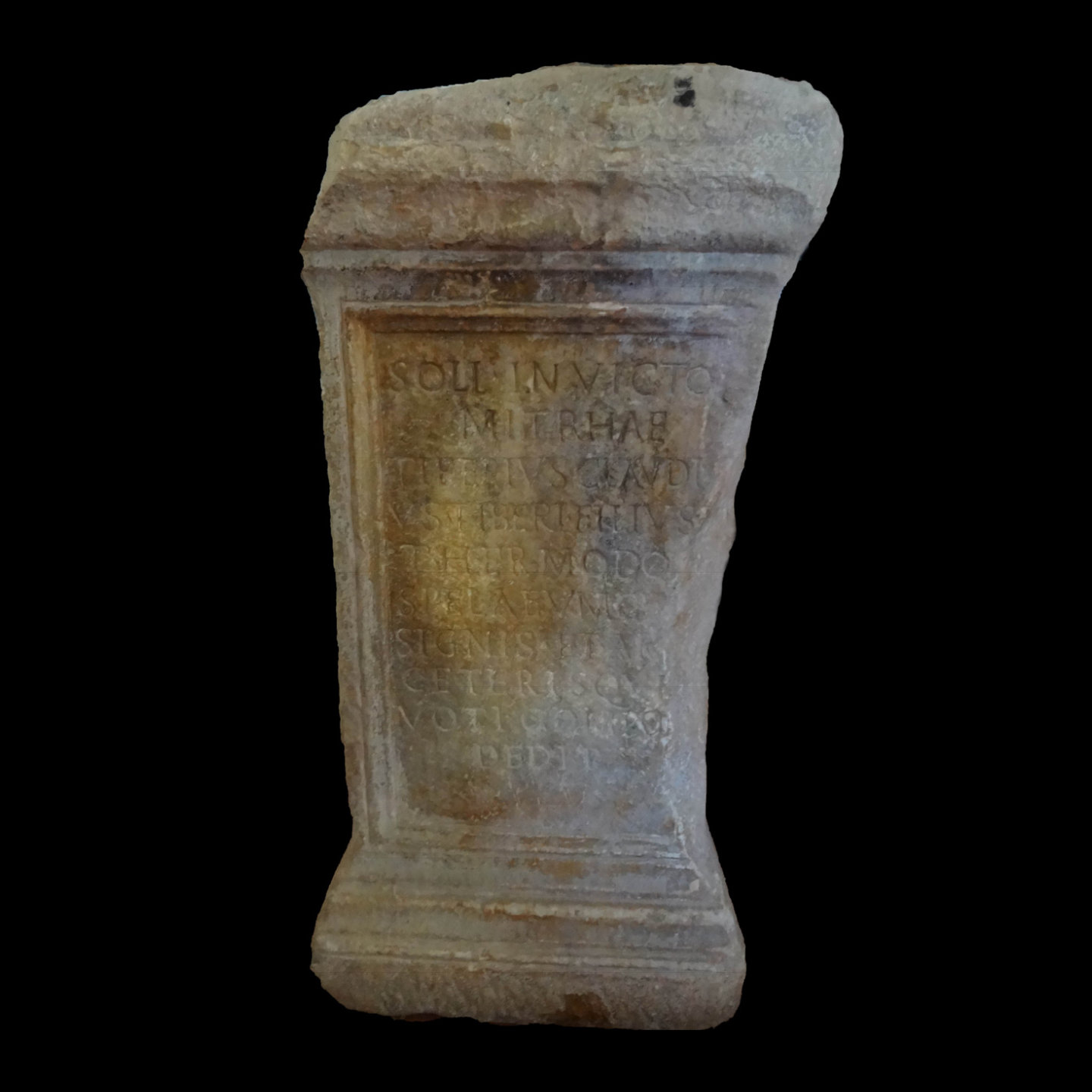
The donor of this Mithraic inscription from Bolsena, a certain Tiberius Claudius Thermoron, is known from two other monuments.

