Your search Frankfurt am Main gave 1214 results.
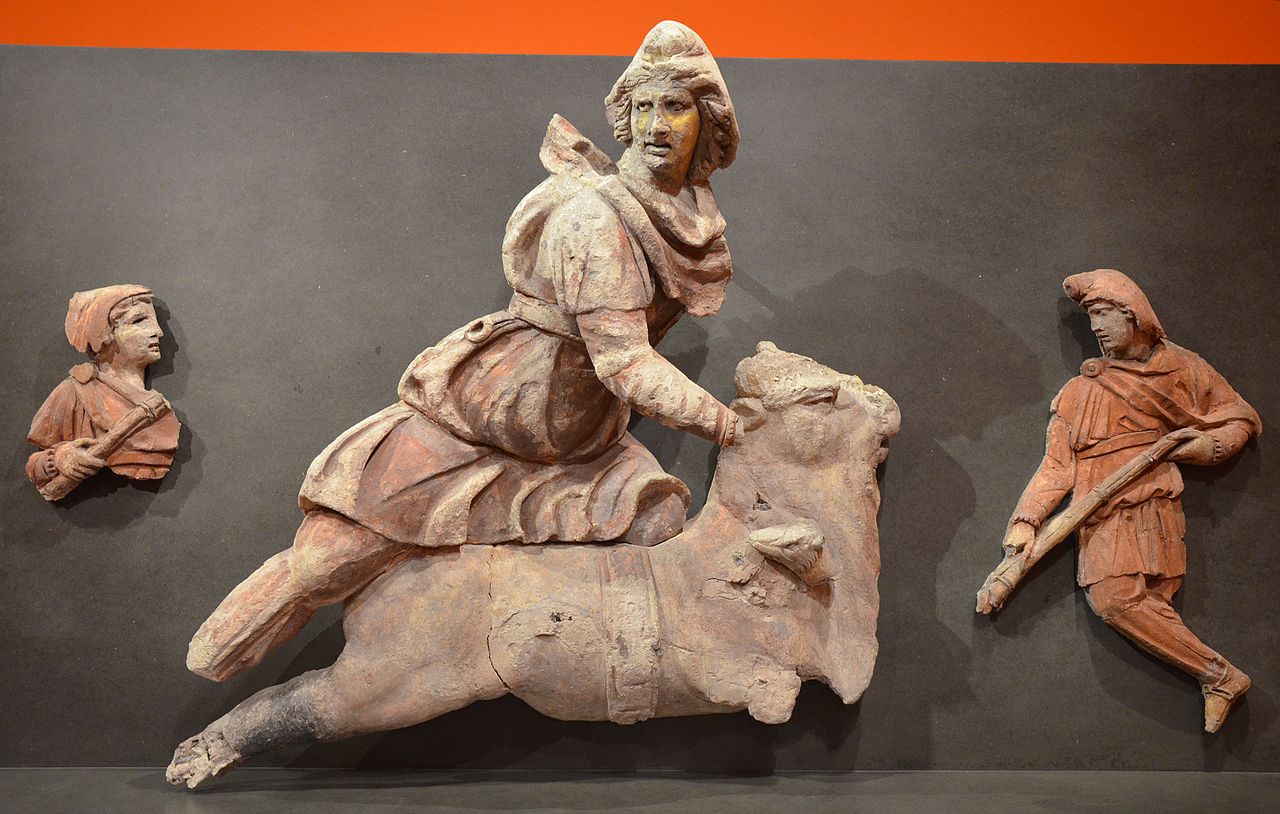
Relief in red sandstone originally standing on a base in Mithraeum I at Heddernheim, ancient Nida, featuring the bull-slaying scene.
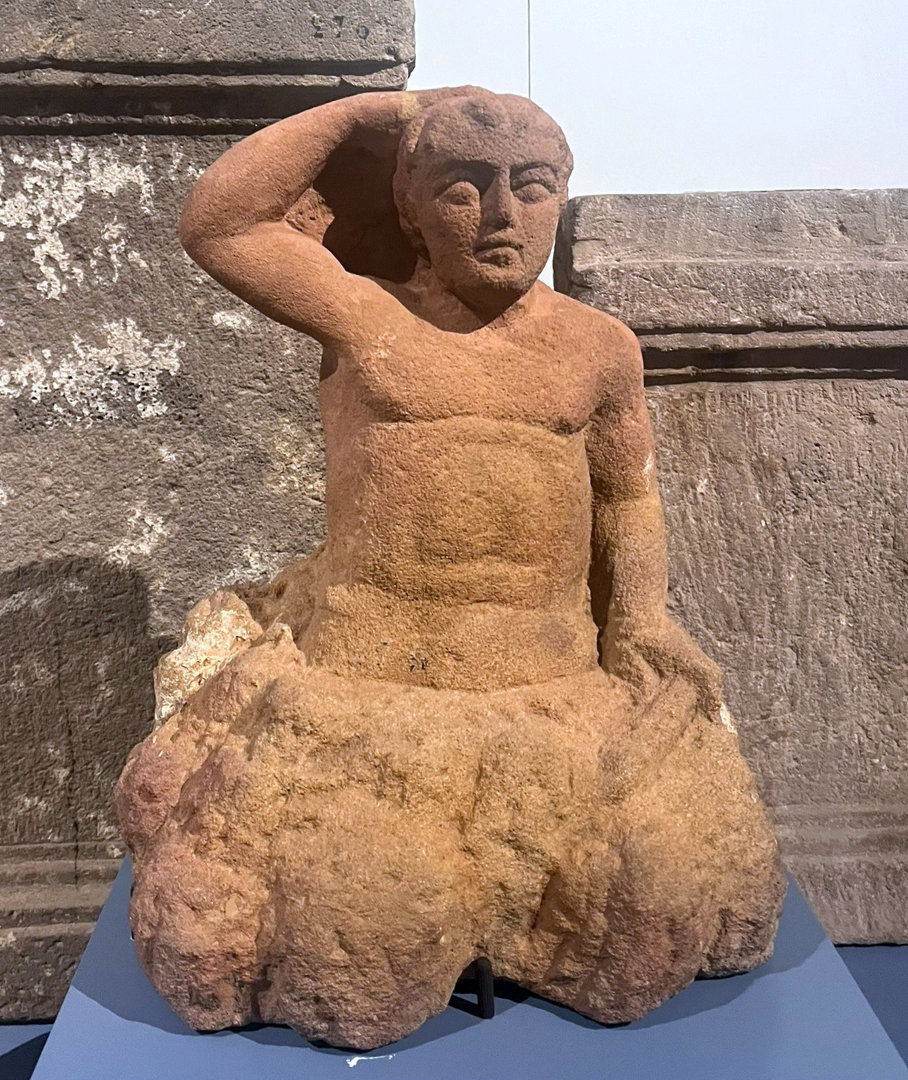
This sculpture of Mithras being born from a rock is unique in the position of the hands, one on his head, the other on the rock.
This relief was found under the Palazzo Montecitorio, in Rome, and bought by the Liebighaus at Frankfort.

Camuni refers to the ancient people and territory of Val Camonica in northern Italy.
Stockstadt am Main is a market municipality in the Aschaffenburg district in the Regierungsbezirk of Lower Franconia in Bavaria, Germany.
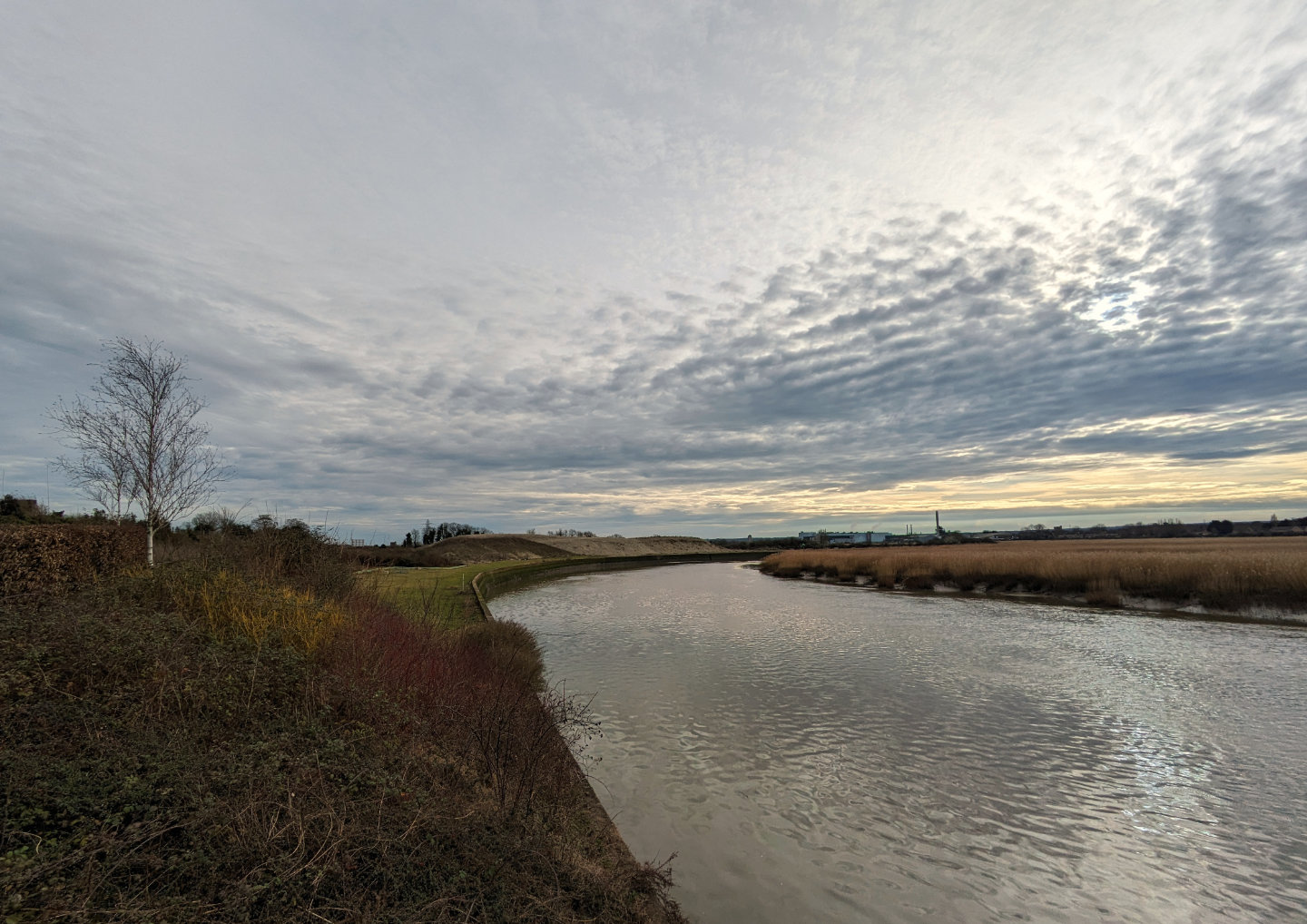
To date, there is no evidence that the so-called Mithraeum of Burham was ever used to worship the sun god.
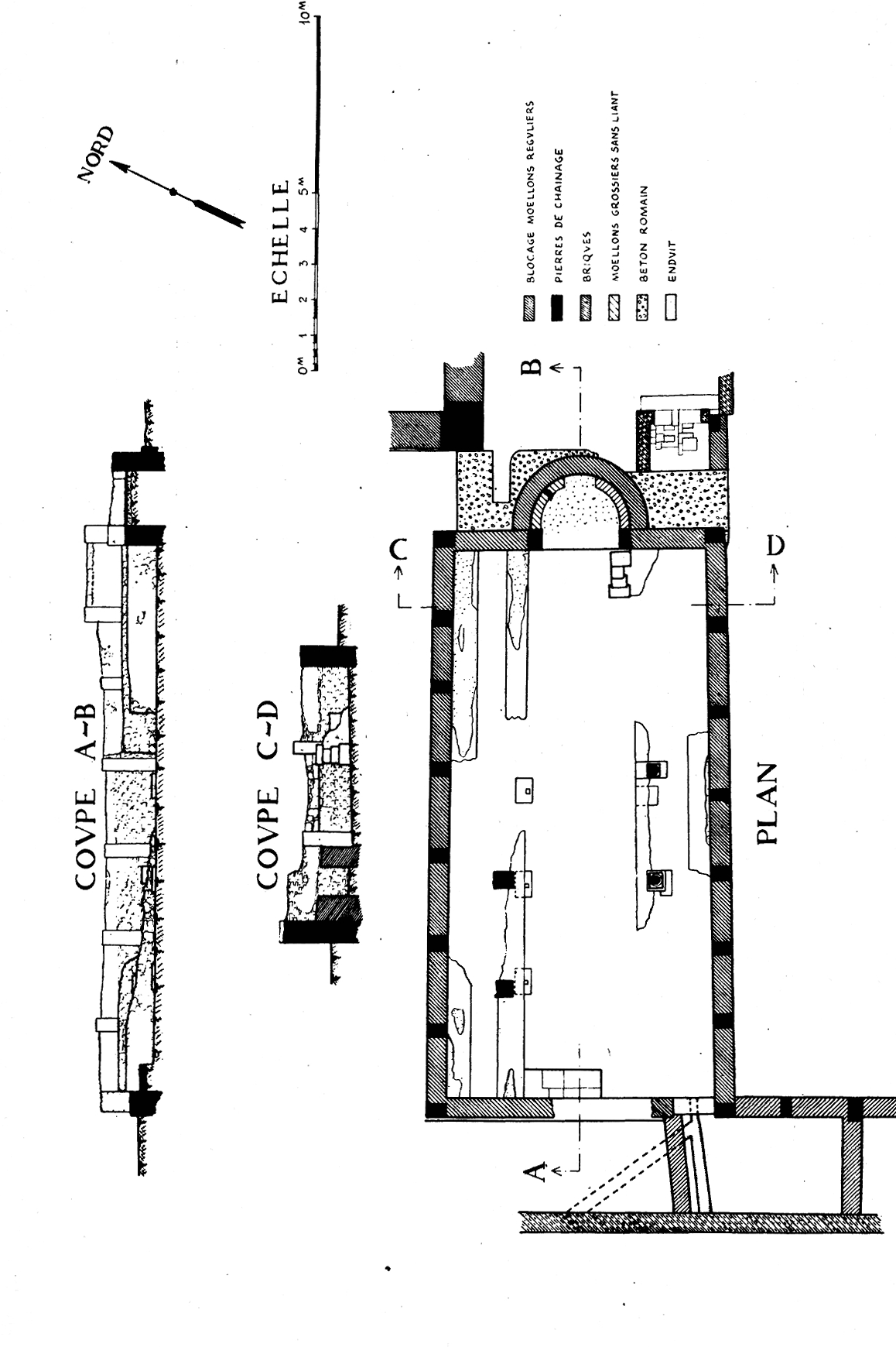
The Mithraeum of Tazoult / Lambèse is one of the best preserved Mithras’s temples in Africa.
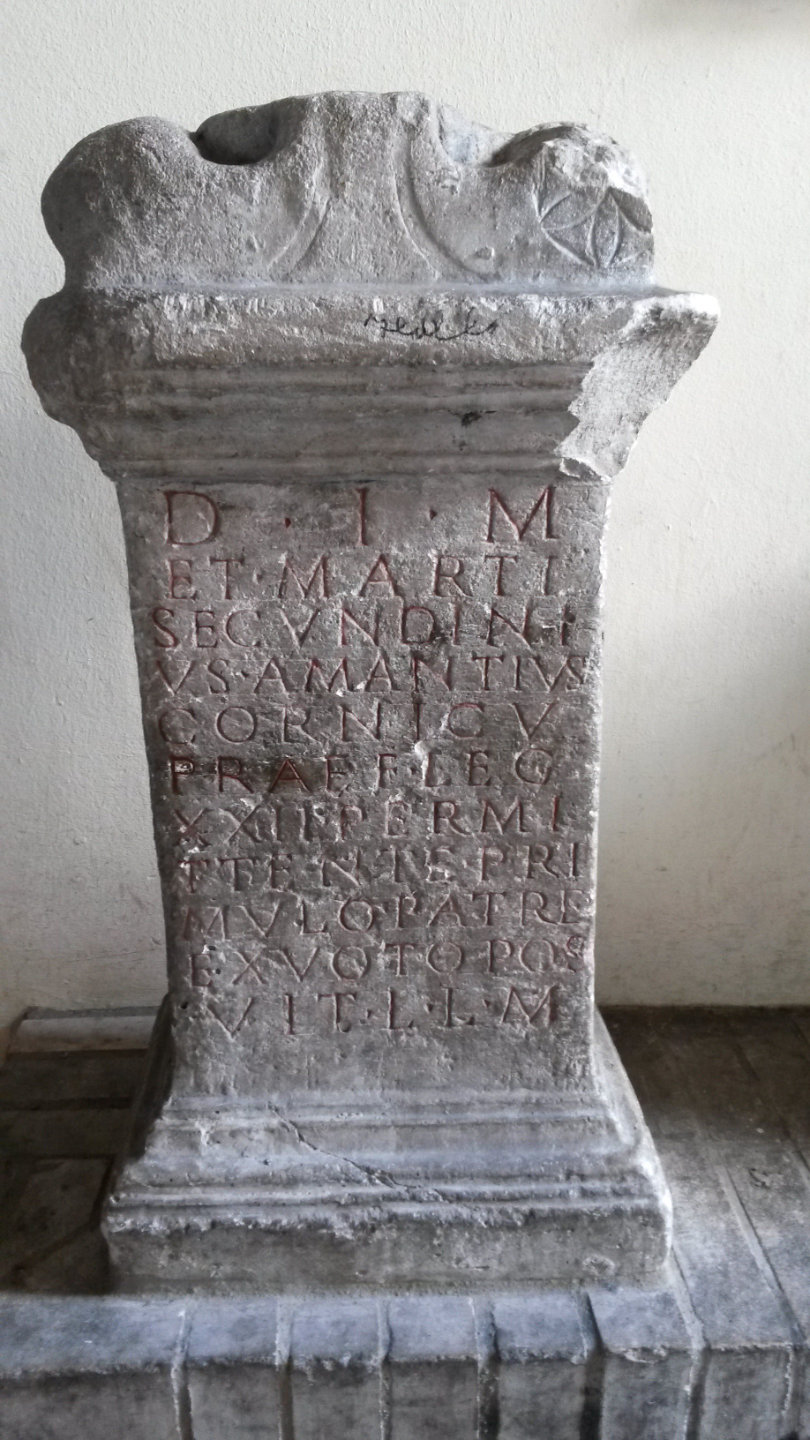
This altar has been unusually dedicated to both gods Mithras and Mars at Mogontiacum, present-day Mainz.

"The remaining figure on this monument, Herakles, was previously misidentified as Apollo on this remarkable black basalt tablet from Samsat, known in Roman times as Samosata.
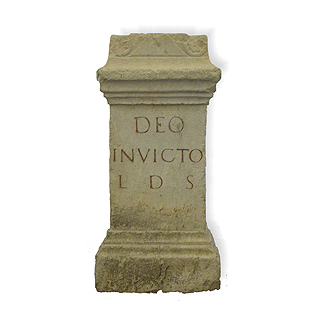
This altar to Deo Invicto was found during the excavation of the Monastero Delle Benedettine di Santa Grata in Bergamo, with a bronze calf’s head on top.

Animal bones, principally of birds, found in pit g at Mithraeum III, Heddernheim, ancient Nida, evidence of ritual feasting
Iron ritual bell from Mithraeum III at Heddernheim, ancient Nida, likely used during cult ceremonies
Small iron box with hinges and bronze nails from Mithraeum III at Heddernheim, ancient Nida
Square bronze plate from Mithraeum III at Heddernheim, ancient Nida, probably a cult tessera bearing barely legible engraved letters
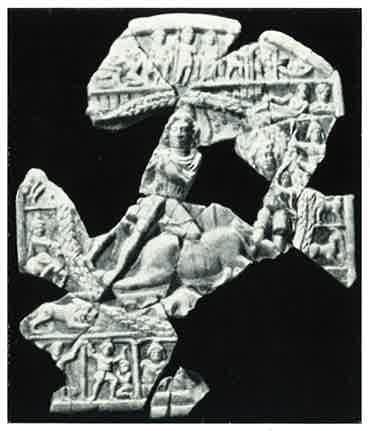
Fragments of a white marble arched tauroctony from Mithraeum III at Heddernheim, ancient Nida, showing Mithras killing the bull in a leaf wreath
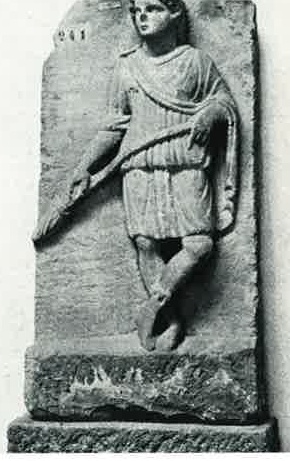
Three basalt fragments of a standing figure in jack-boots from Mithraeum III at Heddernheim, ancient Nida, with traces of red paint on the loin-cloth

Fragment of a statuette on a sandstone base found in Mithraeum III at Heddernheim, ancient Nida, formerly in the Häberlin collection
Two basalt blocks walled into the podium of Mithraeum III at Heddernheim, ancient Nida, which supported decorative sandstone bases
Two basalt altars set into the corners of the west podium at Mithraeum III, Heddernheim, ancient Nida, one now lost
