Your search Franz-Valéry-Marie Cumont gave 236 results.
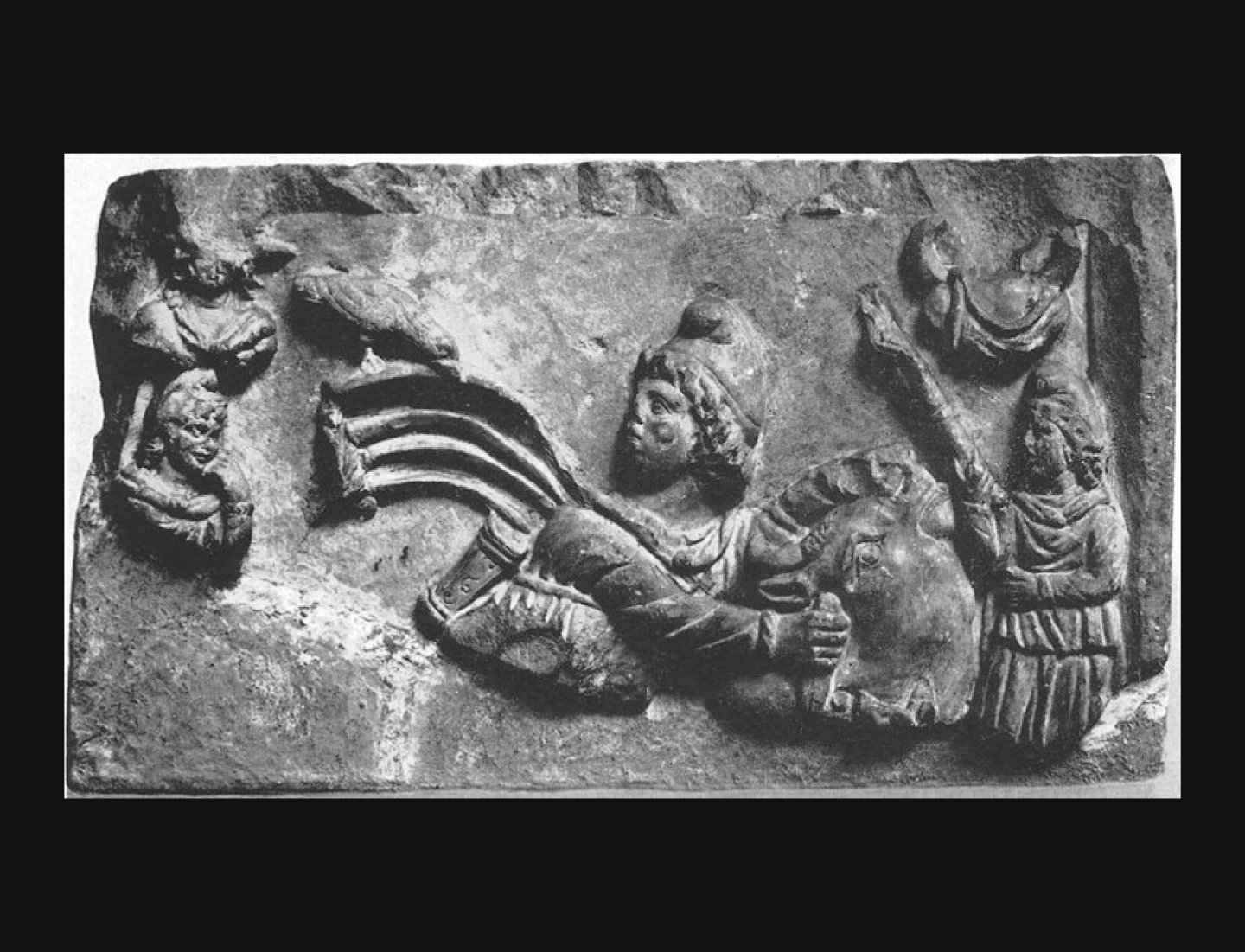
Franz Cumont bought this relief of Mithras as a bullkiller from a dealer who claimed to have found it in a vineyard near the church of Saint Pancrace, in Rome.



Gold ring amulet formerly in the Schlumberger Collection, published as Mithraic by Cumont and later identified as a healing charm against colic and diseases of the uterus.
An altar found at Milan (ancient Mediolanum), dedicated to the Invincible Mithras by Varia Severa, daughter of Quintus; because the dedicant is a woman, Cumont suggests it may alternatively be dedicated to the Dis Manibus.
A white marble relief fragment found in a house at Ganaceto near Modena in 1845, now in the Museo Lapidario in Modena, showing Cautes in Eastern attire and anaxyrides cross-legged, with a fragment of Mithras' flying cloak according to Cumont.
A group of bronze objects found in 1883 in a pit dug into the clay at Angleur near Liège in Belgica, proved by Cumont to have belonged to the decoration of a Mithras sanctuary, now in the Museum at Liège.
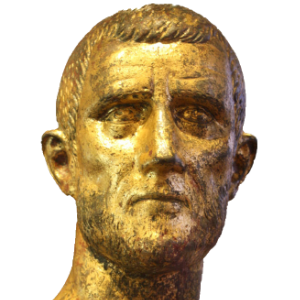
Roman emperor who established the state cult of Sol Invictus and promoted solar worship throughout the Roman Empire.
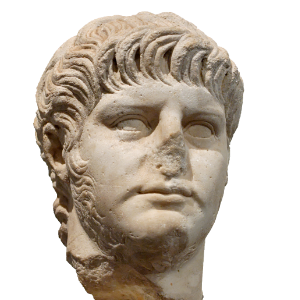
Roman emperor whose ceremonial reception of Tiridates I of Armenia established one of the earliest recorded links between Mithras and the Roman imperial court.
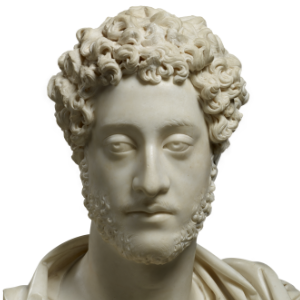
Roman emperor traditionally regarded as the first ruler initiated into the Mysteries of Mithras.
Rough-hewn statuette found at Emir Ghasi in Lycaonia, once thought to represent a Mithraic soldier; according to Cumont, a modern forgery.
Round perforated bronze plaque from Augst, ancient Augusta Rauricorum, bearing a dedication of an aurichalcum image of Sol to Deo invicto; interpreted by Cumont as evidence for identifying the dedicatee as Mithras.
A skull and two human femora, the lower jaw missing, recovered from a small circular pit within the Mithraeum at Königshoffen; interpreted by Cumont as a parallel to ritual deposits of human remains in other Oriental sanctuaries on the Janiculum.
A medal in the form of a Grecian cross from the Mithraeum at Spoleto, showing busts of a bearded man and a veiled woman each with a radiate crown, identified by Cumont as Sol and Luna.
Two Mithraic monuments received by the Museo Nazionale delle Terme in Rome in 1896, reportedly from Narni: a small head of Mithras tauroctone in Phrygian cap with traces of red and gilding, and a central relief fragment of Mithras slaying the bull.
