Your search Halberg hill gave 86 results.
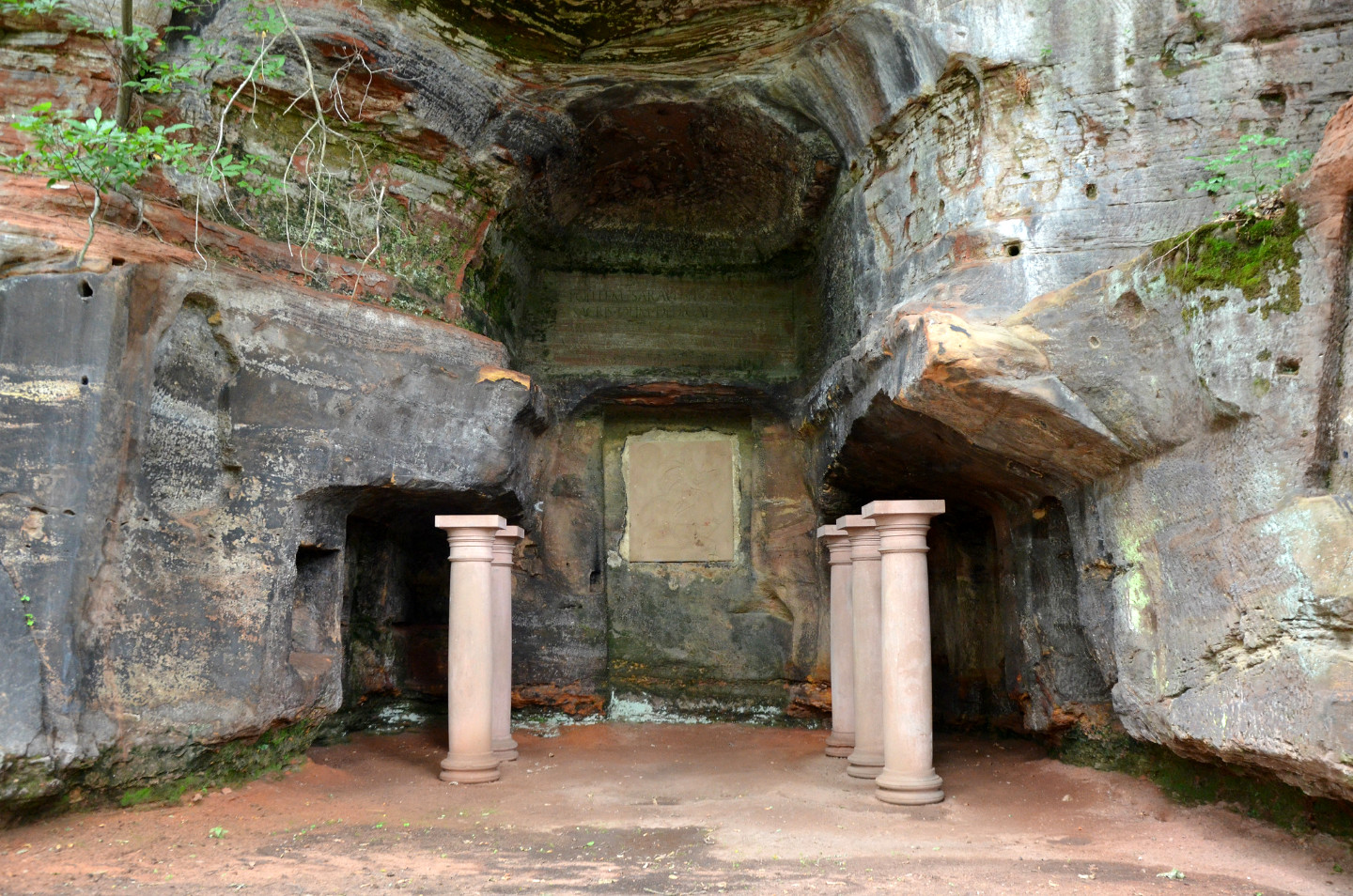
The Mithraeum in Halberg hill, near Saarbrücken, is one of the oldest historical places in the area.
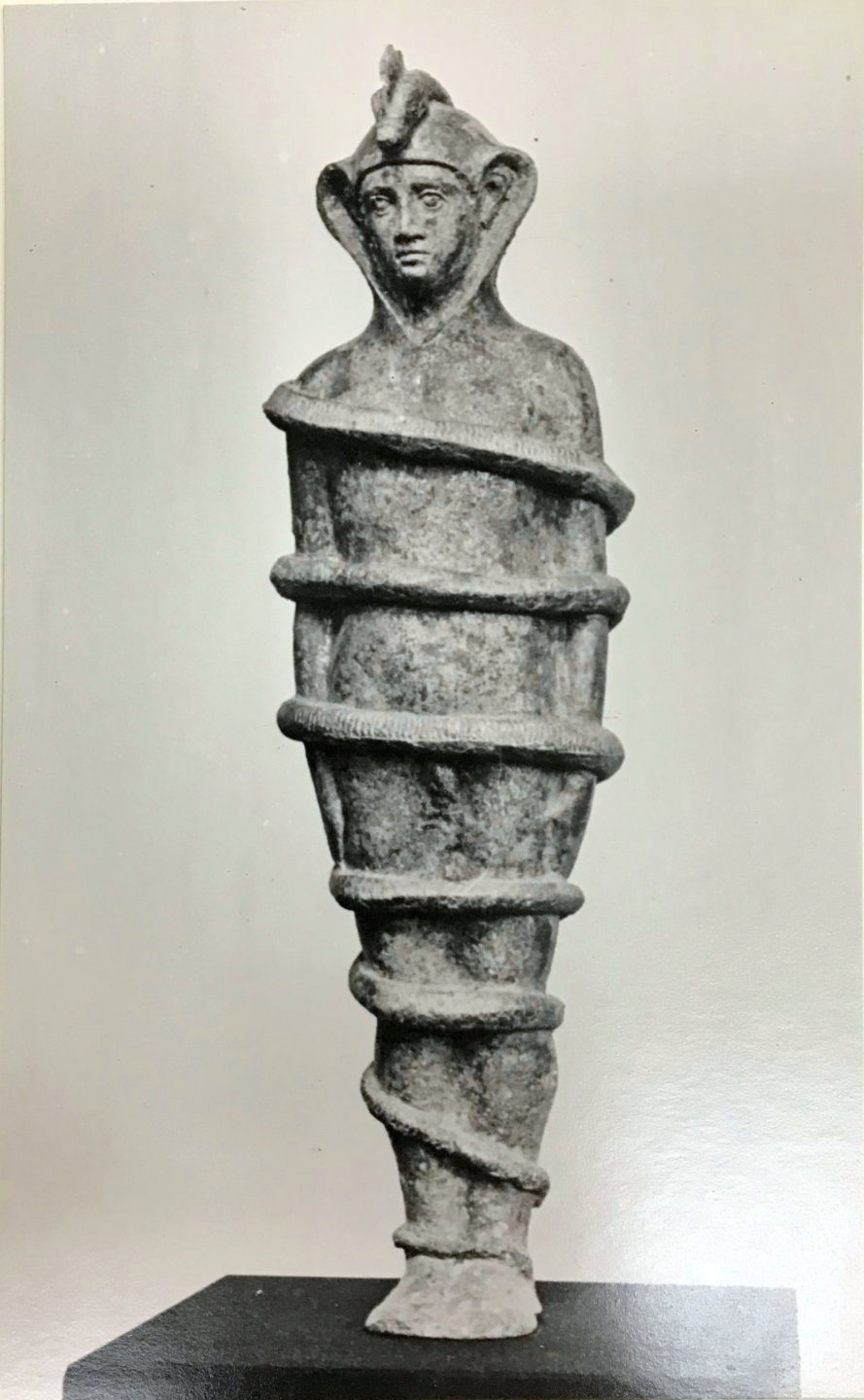
Roman relief from a sanctuary on the Janiculum Hill (Rome), showing a male figure bound by a serpent coiled seven times.

This eulogy of Saint Eugene of Trapezos tells how, in the time of Diocletian, he and two other Christian fellows destroyed a statue of Mithras.
.jpeg)
Except for the serpent, the sculpture of the taurcotony found on the Esquiline Hill lacks the usual animals that accompany Mithras in sacrifice.

A bronze votive slab bearing a dedication to the unconquered god, found on a hill at Heiligkreuz near the proposed Mithraeum at Augusta Treverorum (modern Trier) in Belgica.
A small limestone head of Cautopates, facing right, with a damaged nose and a stone pin on the reverse indicating it belonged to a relief, found on the slope of a hill near Heiligkreuz at Augusta Treverorum (modern Trier) in Belgica.
An altar from Baetulo (modern Badalona) in Hispania Citerior, carved in a rock on a hill facing east opposite the town, recording a dedication to Sol Deus by A. Pompeius Abascantus.
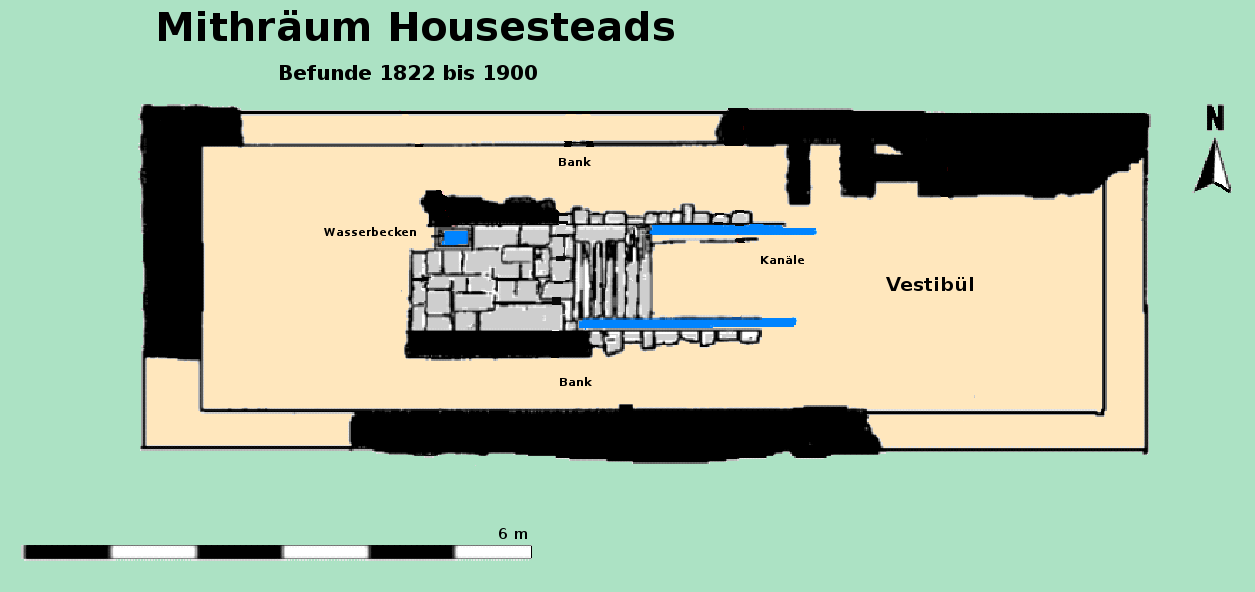
The Housesteads Mithraeum is an underground temple, now burried, discovered in 1822 in a slope of the Chapel Hill, outside of the Roman Fort at the Hadrian's Wall.
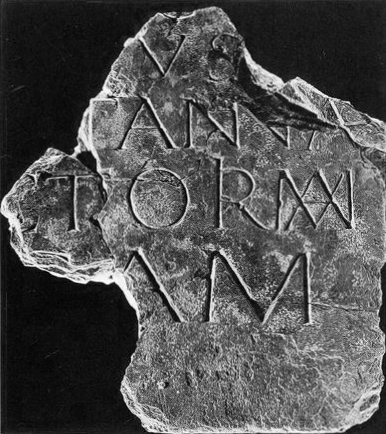
Archaeological material from the Mithraeum of Londinium discussed in Hill’s study of Roman London.
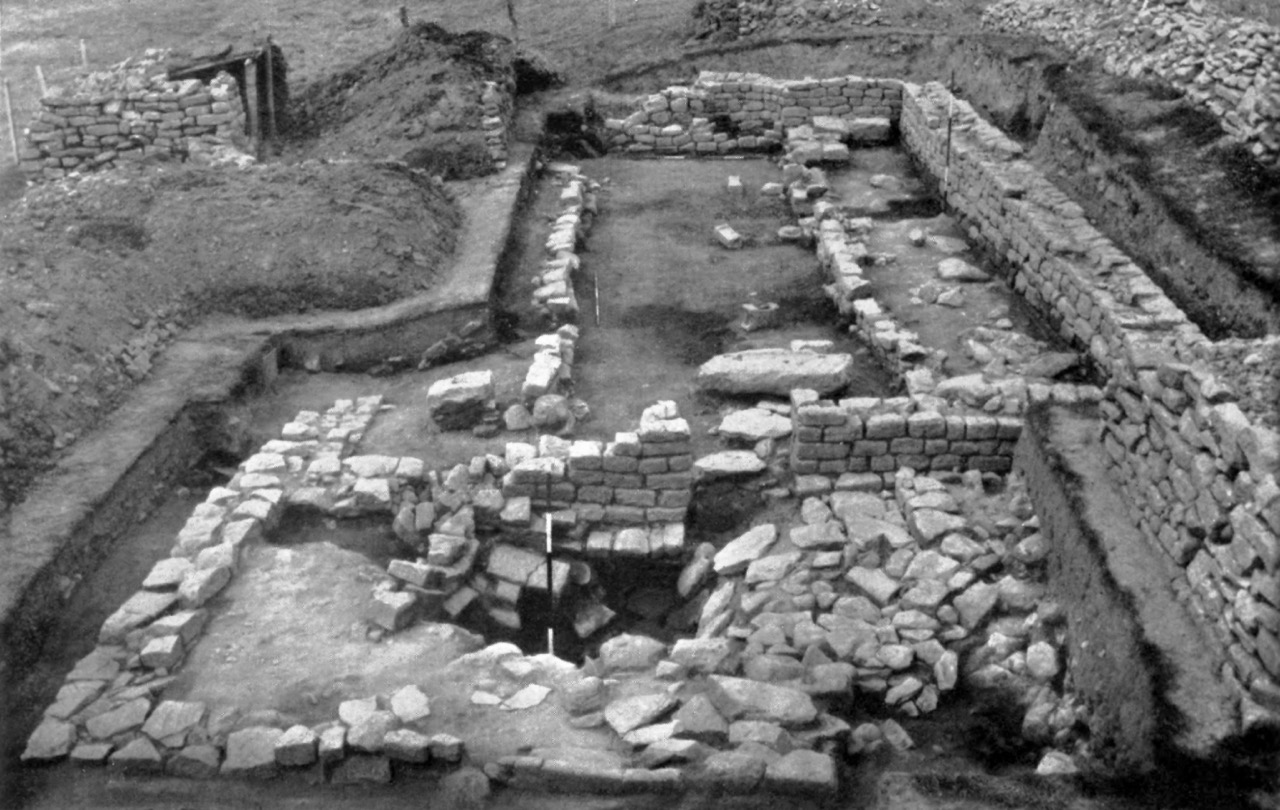
The Mithraeum of Rudchester was discovered in 1844 on the brow of the hill outside the roman station.
A white marble tauroctony relief fragment found at the hill known as Carnale near Nomento on the Via Nomentana, about twenty kilometres from Rome, now in the storerooms of the Museo Nazionale in Rome, dated to the third century AD.
A probable Mithraic sanctuary near Santa Maria in Domnica on the Caelian Hill, known from a group of dispersed reliefs formerly owned by Ottaviano Zeno.
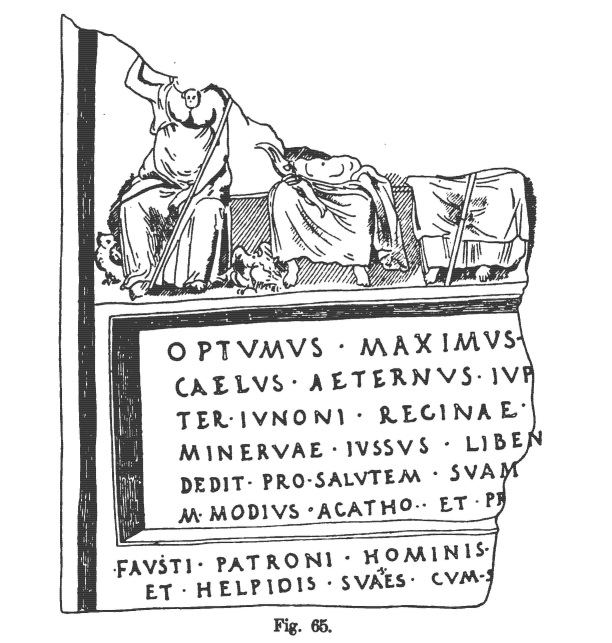
This marble relief bears an inscription by Marcus Modius Agatho, who dedicated several monuments to Mithras on the Caelian Hill in Rome.
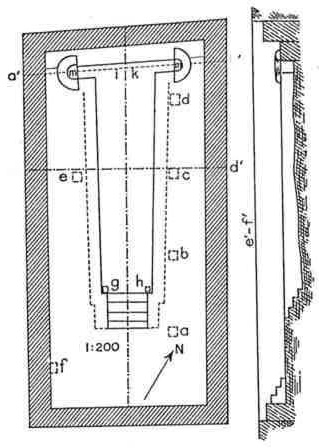
Mithraeum discovered in 1887–1888, located about 85 m north of the castellum at Ober-Florstadt, built on a hillside with a central aisle, benches, and an altar podium.
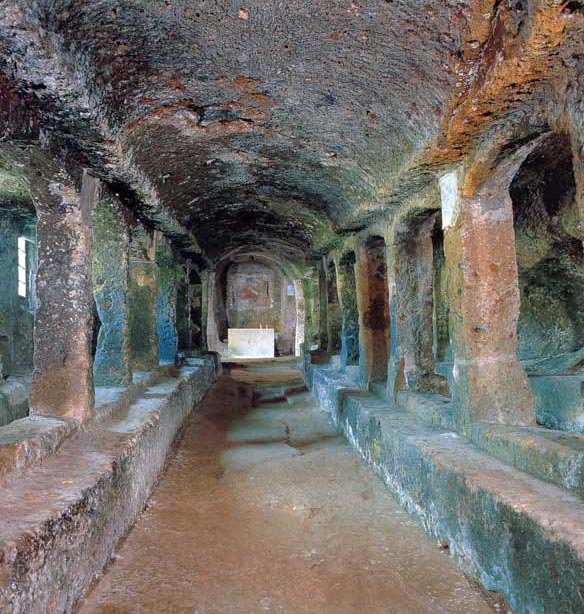
The Mithraeum of Sutri was built inside a rocky hill that also hosted the Roman theatre of the city.
This inscription reveals the names of 36 cultori of Sentinum, one of whom bears the title of pater leonum.
