Your search Halberg hill gave 86 results.

This temple of Mithras on the north side of the Capitoline Hill in Rome no longer exists.
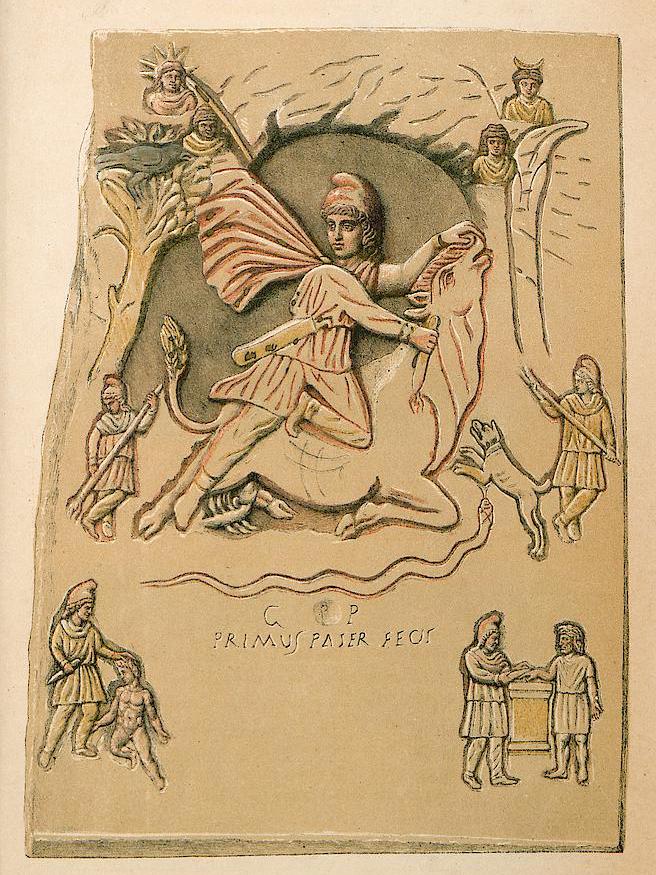
The relief of Mithras slaying the bull found on the Esquiline Hill includes two additional scenes with Mithras and two other figures.
The Mithraeum located in Piazza Dante in Rome was discovered in 1874 along with a series of monuments dedicated by a Pater named Primus.
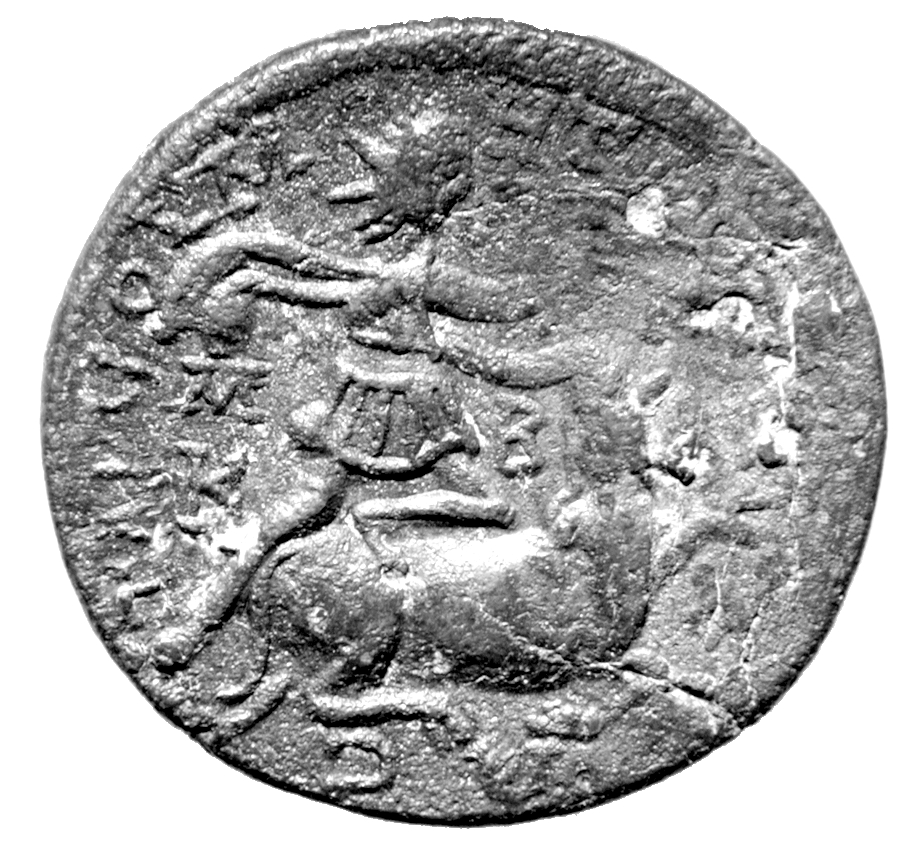
The bronze medallion, from Cilicia, shows Mithras Tauroctonus on the revers.

Late Roman senator and governor of Numidia whose inscriptions present him as a Mithraic pater and initiate in several mystery cults.
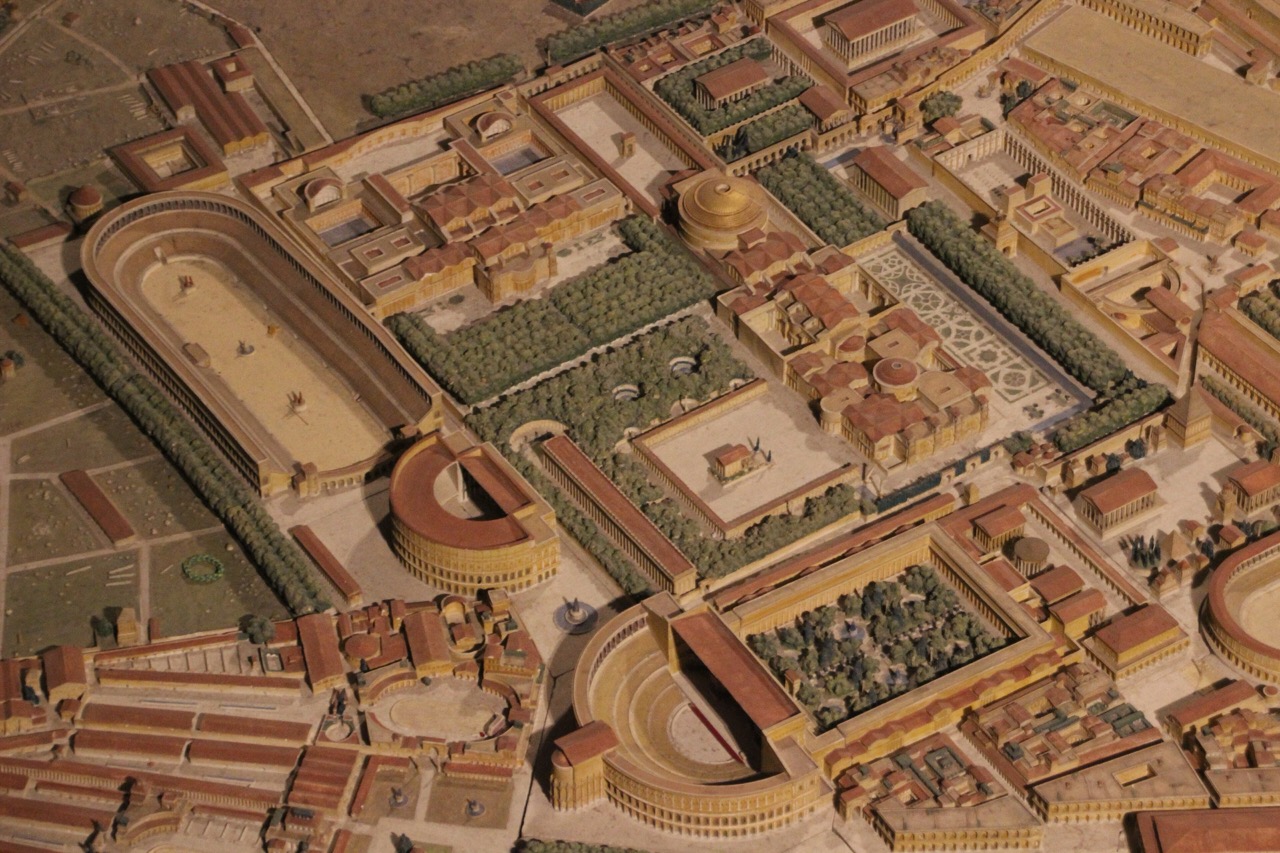
Archaeological evidence shows that the area around Rome has been inhabited since around 14,000 years ago. Excavations support the theory that Rome grew from pastoral settlements on the Palatine Hill, which was built over the area of the Roman Forum.

A funerary cippus, dated to the 2nd–3rd century, commemorating Publius Anthius Logus, pater sacrorum, and erected by Cornelia, daughter of Lucius, found at Sextantio near modern Montpellier in Narbonensis.
Small bronze statuette in Oriental dress from the Walters Art Gallery, Baltimore, depicting a figure no longer considered a Mithraic object.
A marble fragment with an inscription in a tabula ansata from the Mithraeum at Walbrook in London, reading [Au]gggg(ustis) invicto..., a dedication to the Invincible probably addressing multiple emperors.

The hill fort of Epiacum, known today as Whitley Castle, occupied a strategic upland position south of Hadrian’s Wall.
San Valentino in Abruzzo Citeriore is a mountain hill town in the province of Pescara, part of the Abruzzo region in central Italy.
Albano Laziale, sometimes known simply as Albano, is a comune in the Metropolitan City of Rome Capital, on the Alban Hills, in the Italian region of Lazio.
Labici or Labicum or Lavicum was an ancient city of Latium, in what is now central Italy, lying in the territory of the modern Monte Compatri, about 20 km SE from Rome, on the northern slopes of the Alban Hills.
A white marble altar base from the Mithraeum at Angera, decorated with palmettes, eagles carrying a festoon and rosettes on the front, dolphins on the reverse, and on each side mythological scenes of Jupiter and Neptune combatting Giants with snake-feet.
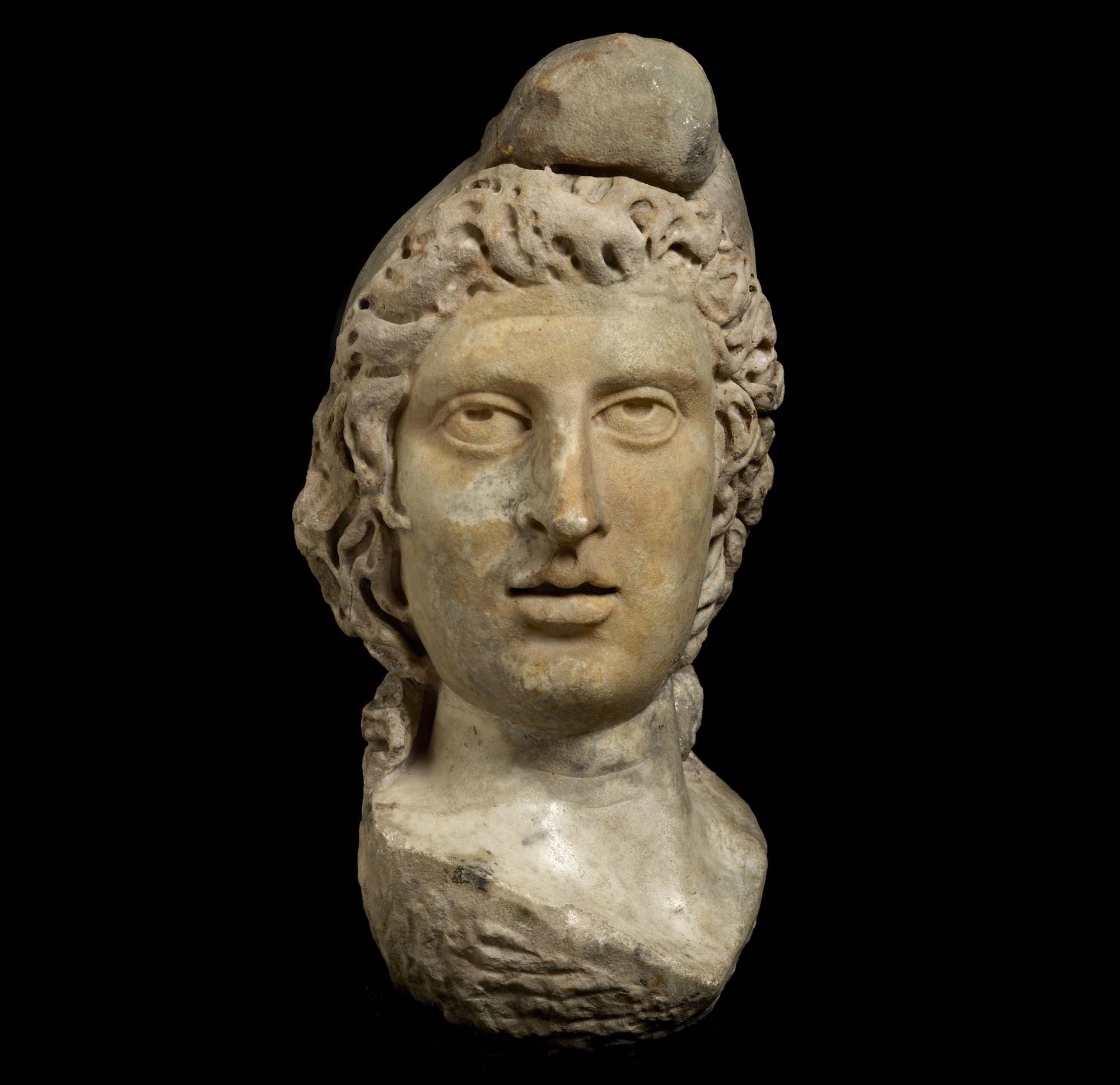
The Mithras's head of Walbrook probable belonged to a life-size scene of the god scarifying the bull.
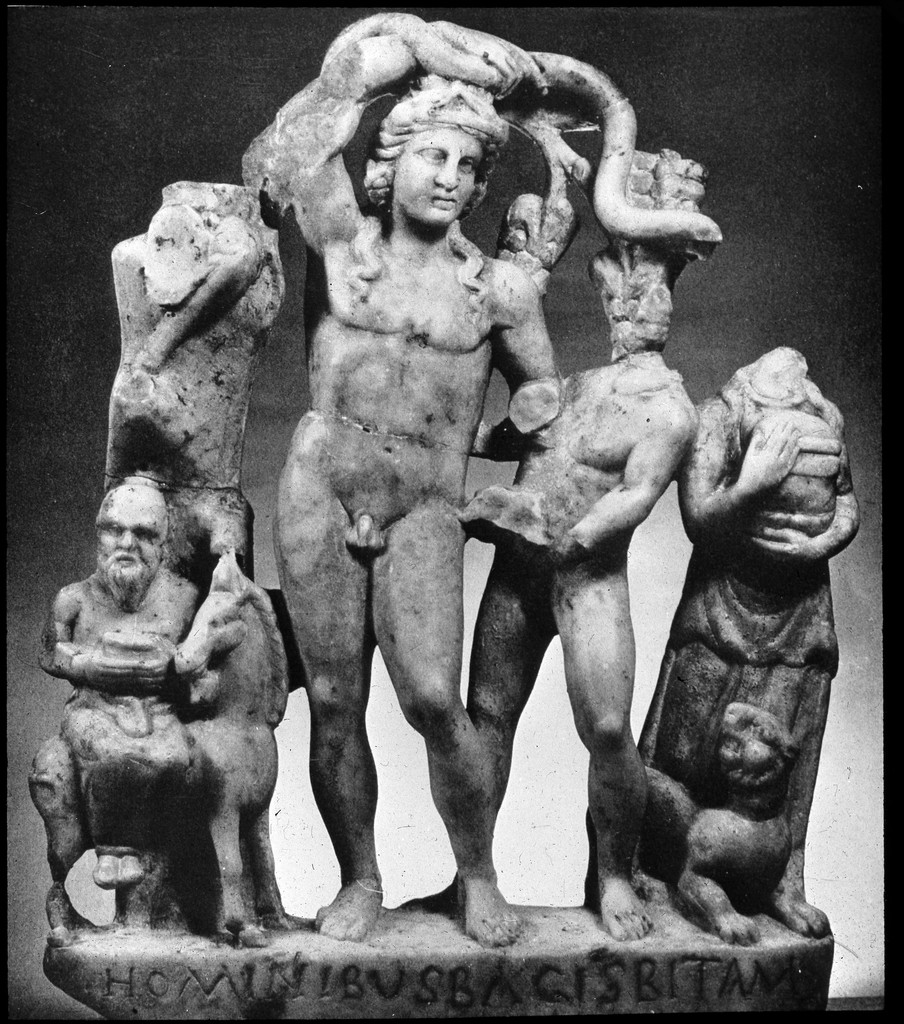
Marble group of Dionysus accompanied by a Silenus on a donkey, a satyr and a menead.
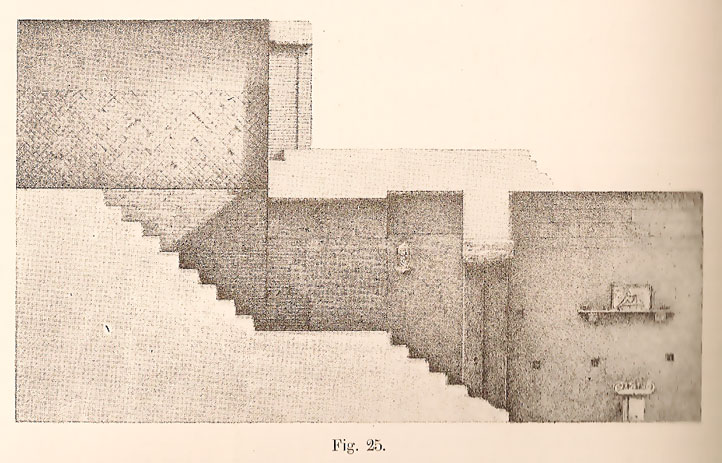
In a house from the time of Constantine, a Lararium was found with a statue of Isis-Fortuna. The Mithraeum was a door next to it, on a lower room.
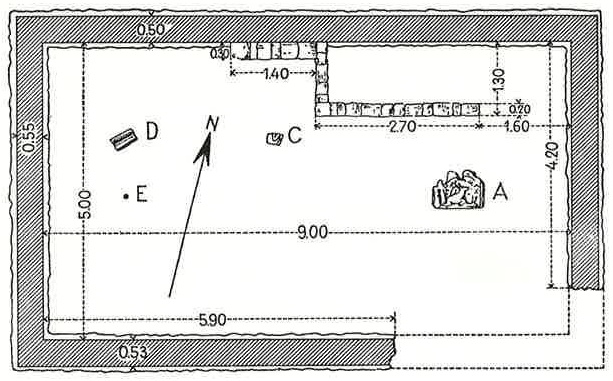
Mithraic sanctuary found in 1897 on the slope of the Repovic mountains on the right bank of the river Trstenic near Konjic in Herzegovina, Dalmatia; a limestone sanctuary with cult relief, altar, and architectural elements.
Square altar from Zwiefalten near Ulm, Raetia, found reused in the apse of a church; local tradition places the original sanctuary on a hilltop between Zell and Zwiefalten, or alternatively near Reichenstein.
