Your search Han Potoci gave 881 results.

Bronze handle of a knife or dagger reportedly originating from Narbo and formerly preserved in major private collections.
Marble hand and wrist fragments from the Mithraeum at Sarmizegetusa, Dacia, all preserving remnants of torches, belonging to the torchbearer statues of the sanctuary.
Marble right hand holding a patera from Mithraeum II at Ptuj, ancient Poetovio — a fragment of a cult statue performing a libation.
Fragment of a sandstone statue, comprising a head and hand certainly belonging to a figure of Cautes, found at Ober-Florstadt
Subterranean sanctuary at ancient Atchana tentatively interpreted by Woolley as an early precursor to later Mithraic temples.
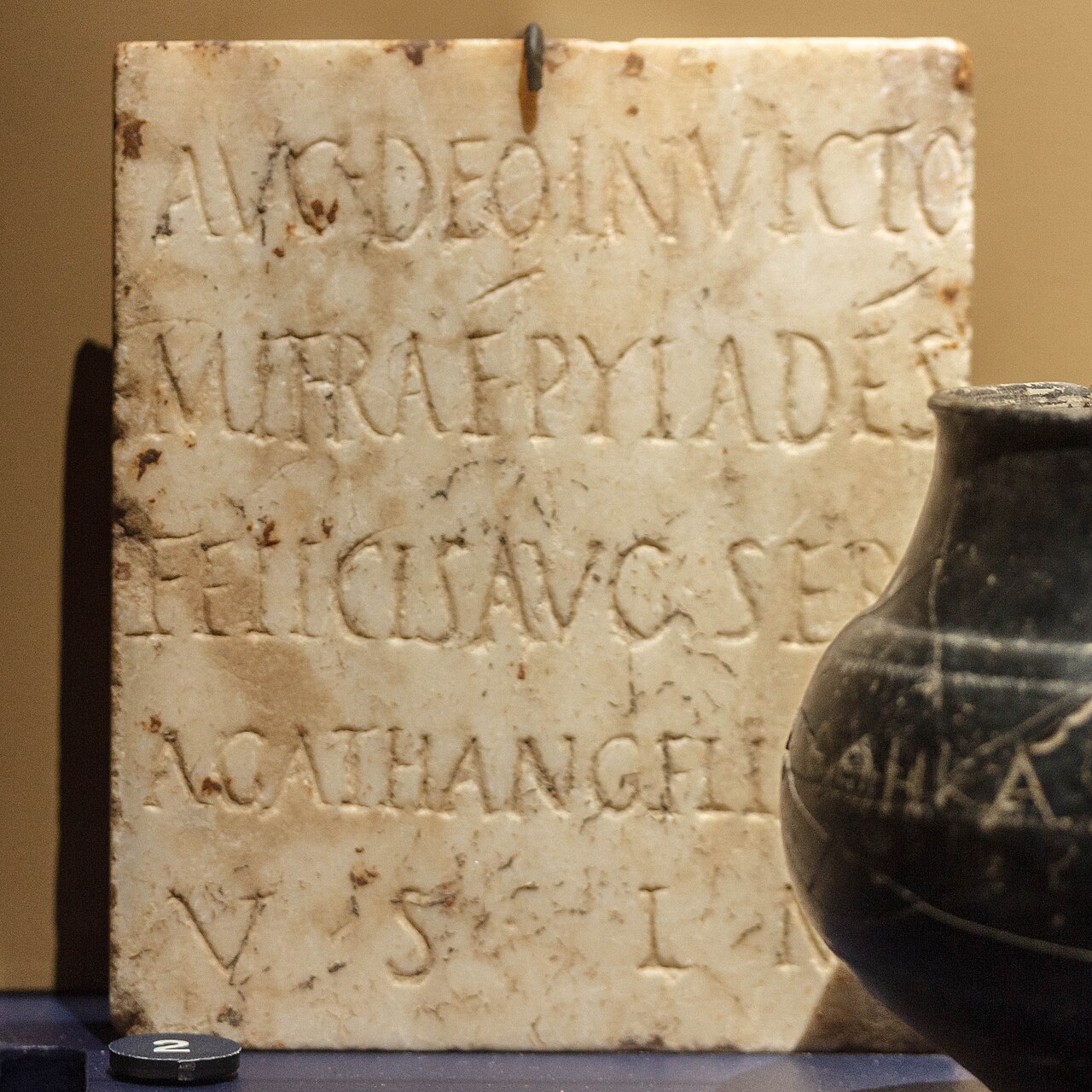
This marble plaque from Iuliomagus, Roman Angers, bears a rare dedication to Mithras by Pylades, a slave of an imperial slave connected to the Roman administration in Gaul.
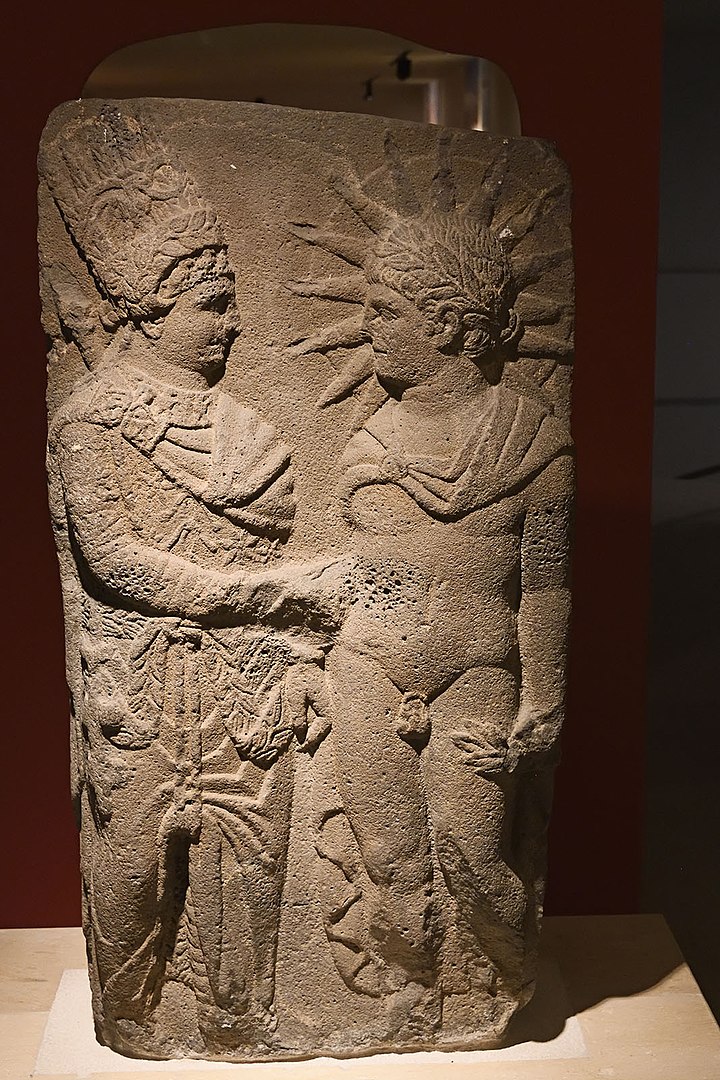
Stele representing Apollo-Mithras-Helios in a Hellenistic nude fashion, shaking hands with Antiochus I.
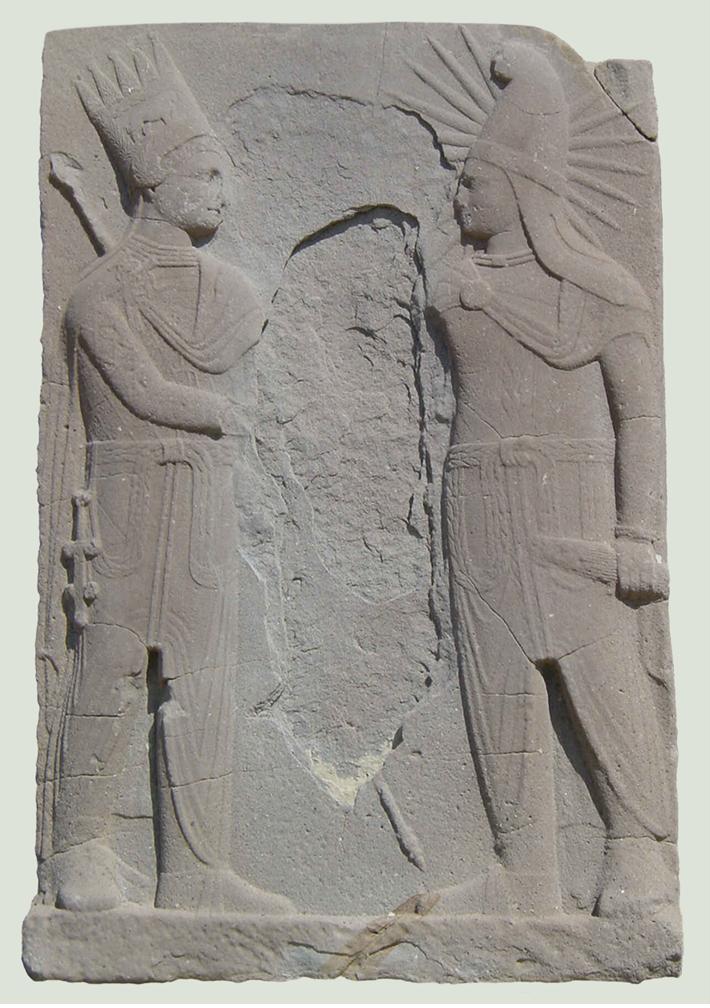
Antiochus I of Commagene shakes Mithras hands in this relief from the Nemrut Dagi temple.
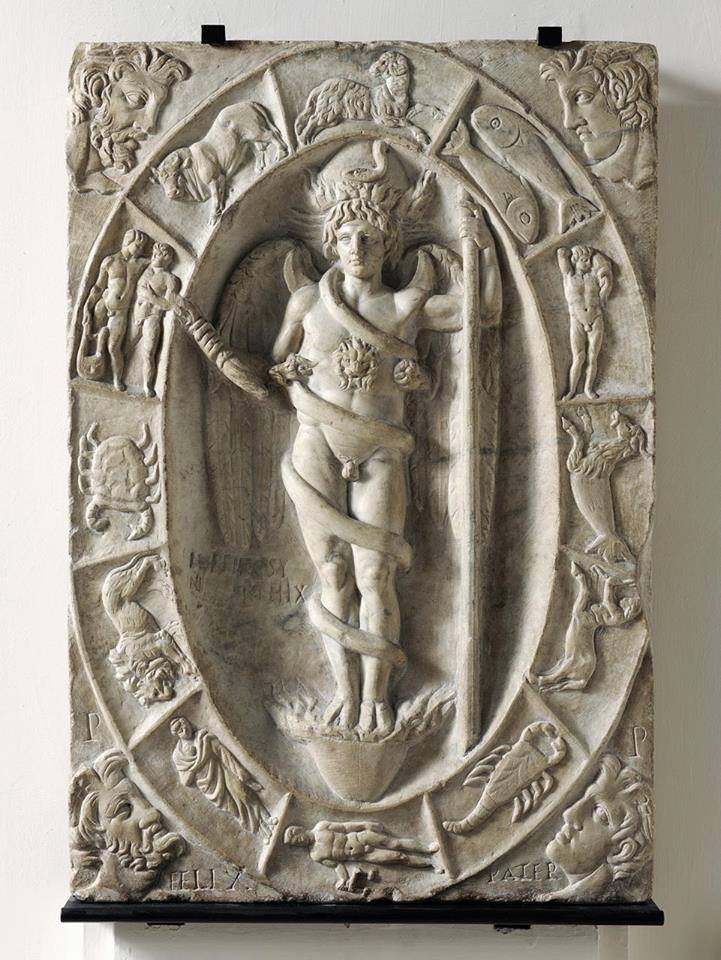
The Aion / Phanes relief, currently on display in the Gallerie Estensi, Moneda, is associated with two Eastern mysteric religions: Mithraism and Orphism.
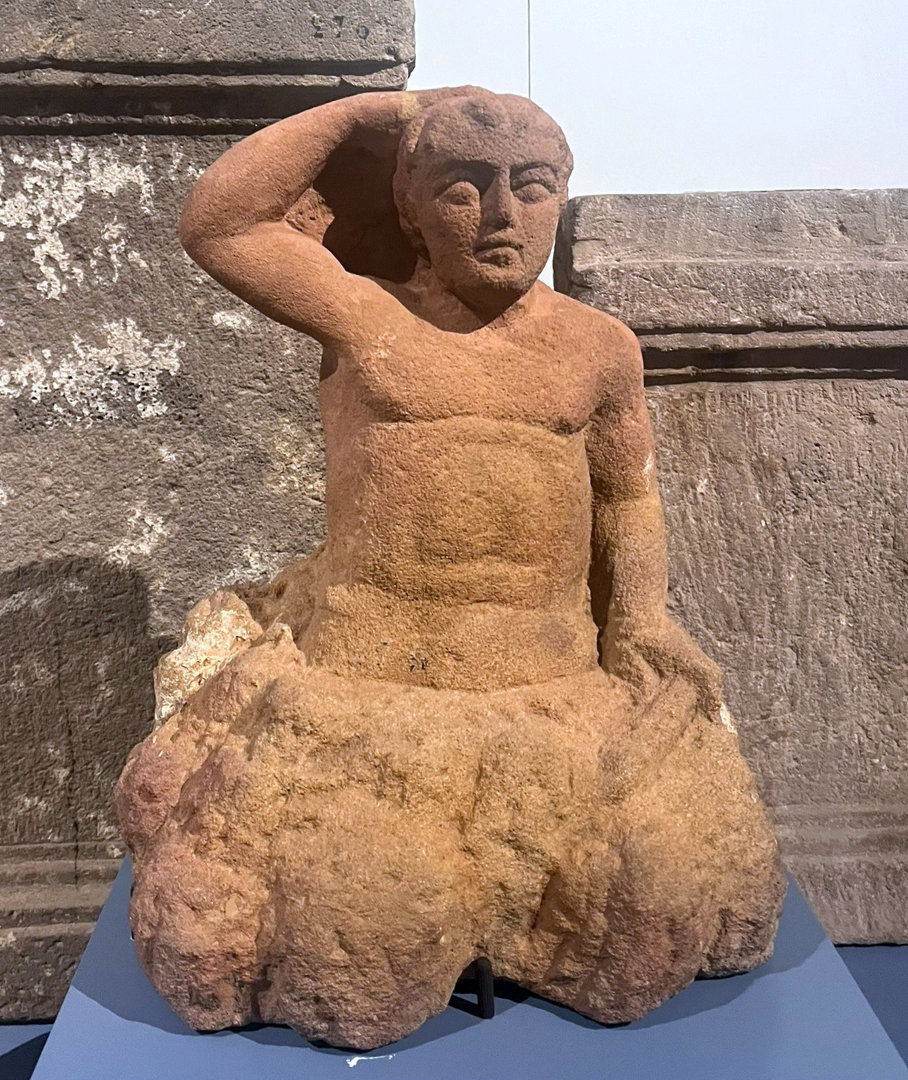
This sculpture of Mithras being born from a rock is unique in the position of the hands, one on his head, the other on the rock.
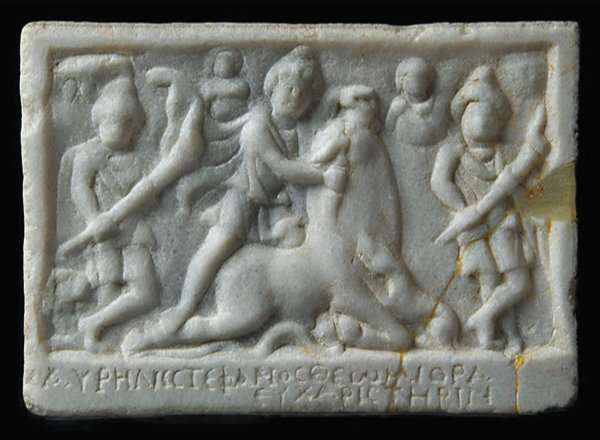
This relief of Mithras killing the bull is unique in the Apulum Mithraic repertoire because of its inscription in Greek.
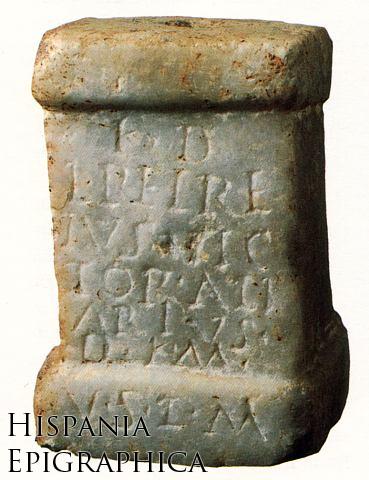
Small arula with mithraic inscription and dedication to Cautes from a garlic merchant.
A philosophical study of Iranian civilization that explores its spiritual foundations, including the legacy of Mithraic and Zoroastrian traditions, in order to reflect on Iran’s historical continuity and civilizational meaning.


The starting point of this study of the initiation into the cult of Mithras are the 462 sites where traces of the cult have been found to date. They form the framework of the study.

This remarkable double-sided relief depicts the myth of Mithras and the Tauroctony on one side, and a scene of Mithras the hunter and the banquet of Mithras and the Sol on the other.