Your search Han Potoci gave 881 results.


In his first book, Fahim Ennouhi sheds light on the cult of Mithras in Roman Africa. A marginal and elitist phenomenon, confined to restricted circles and largely absent from local religious dynamics, yet revealing.

Statue of a standing person in eastern attire in red, local limestone with inscription.
Interview avec Fahim Ennouhi à l’occasion de la publication de son premier livre, Le culte de Mithra en Afrique du Nord antique, consacré à cette présence restée élitiste et marginale dans cette région de l’Empire.

Saul cutting the oxen to pieces poses as Mithras Tauroctonos in this painting, which adorns the mantelpiece of Henry II’s bedroom at the Château d’Écouen near Paris.
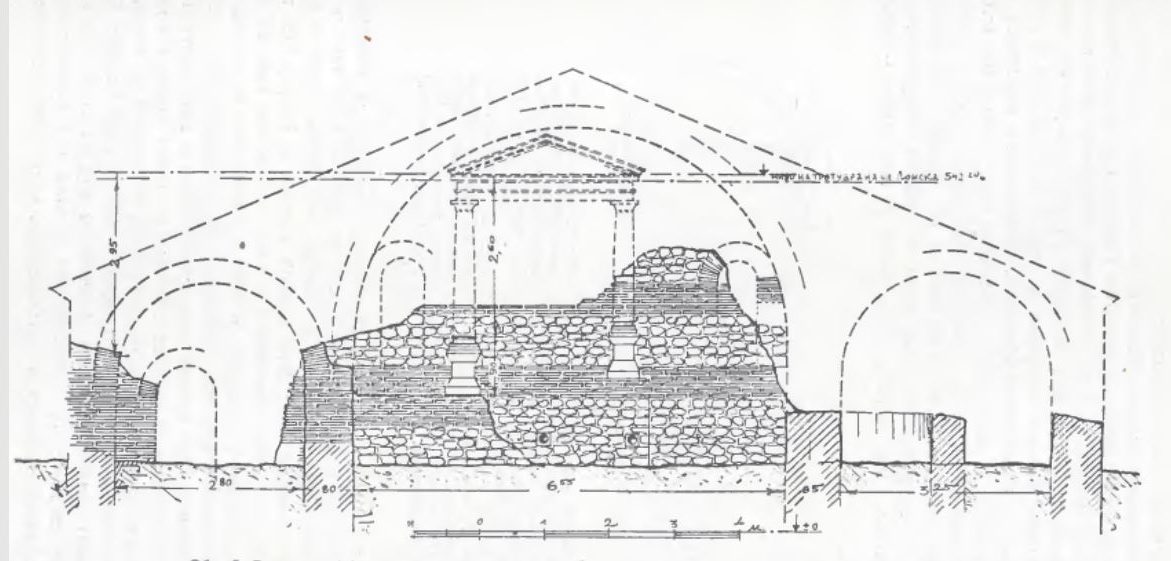
The Mithraeum of Serdica was found in the fortified area of the ancient city of Serdica, now Sofia, Bulgaria.
Callimorphus dedicated this image of the sun god to the invincible sun ’Mythra’.
Mithras the Cattle-Rustler: The Persian Cult of Fire as Divided into Sexed Powers and the Hidden Cave Rites of the Magi.

In Plutarch’s Life of Alexander, the grieving Darius binds the eunuch Tireus by the light of Mithras to reveal the truth about his captive wife Statira, a solemn appeal that leads to unexpected praise for Alexander’s honor and restraint.

Passage from Plutarch’s Life of Pompey, recounting the rise, power, and insolence of the Cilician pirates before Pompey’s campaign to suppress them.
This inscription, which doesn’t mention Mithras, was found near the church of Santa Balbina on the Aventine in Rome.
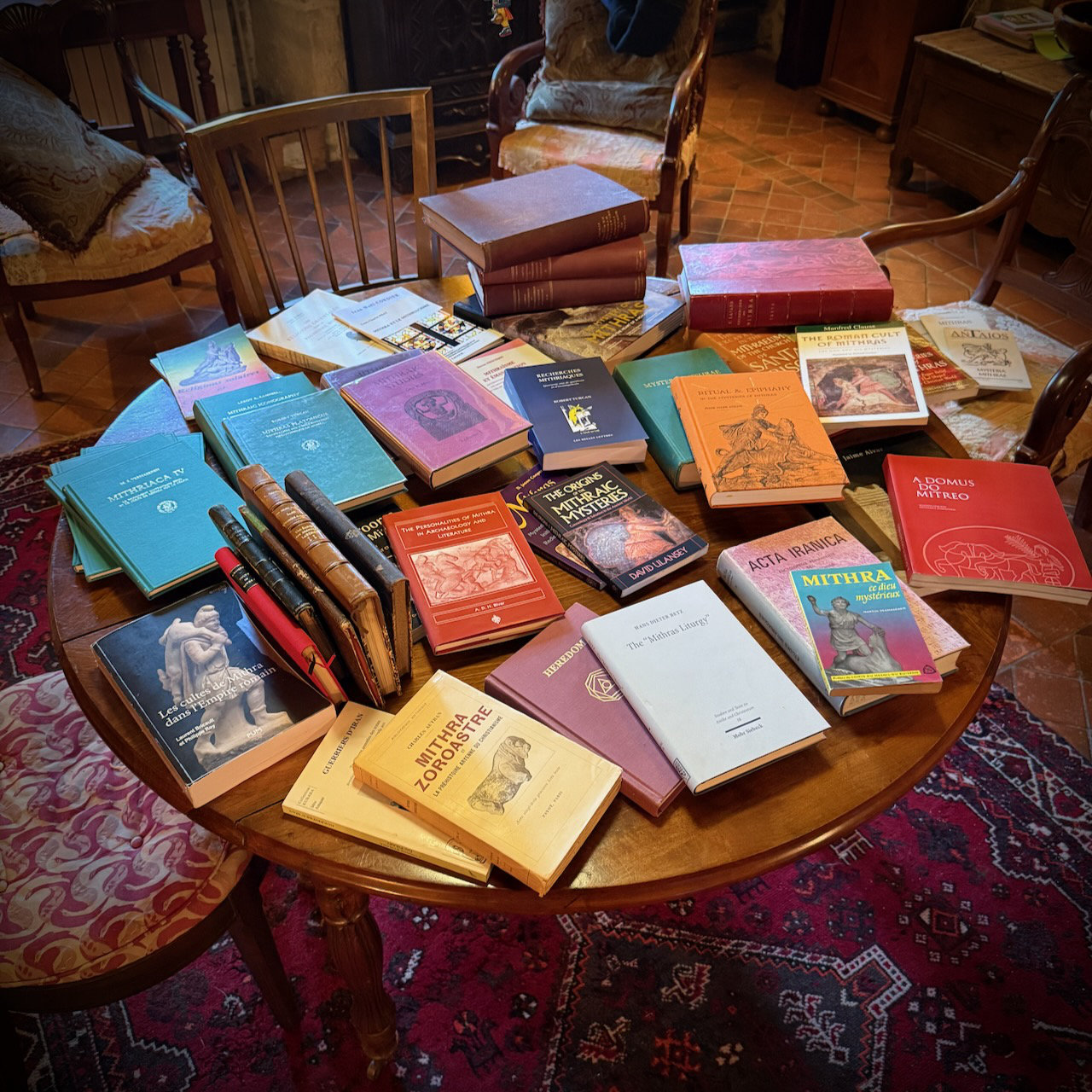
I’m excited to finally have my copy of ‘Ritual and Epiphany in the Mysteries of Mithras’ by @peter.mark.adams! The book is now officially available. Feel free to share your thoughts—I’d love to hear what you all think!
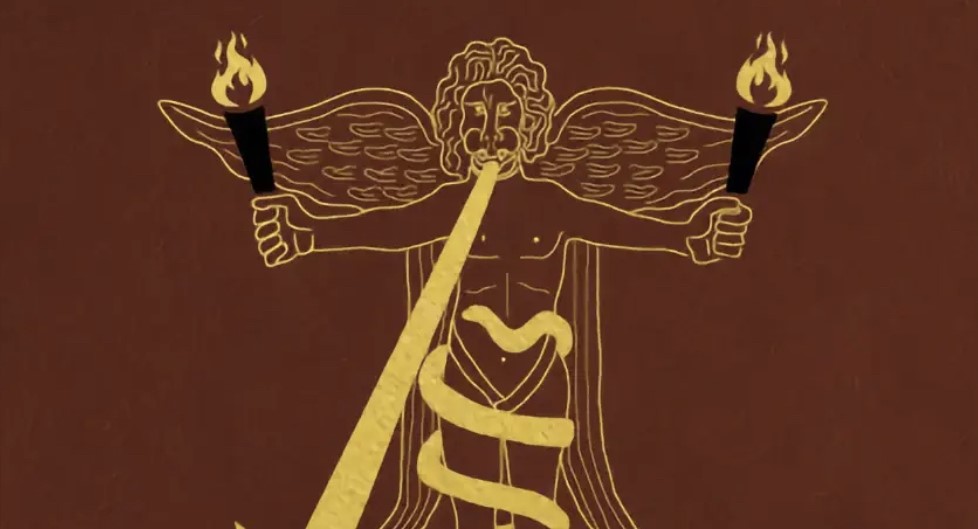
Join us for a special webinar with professor, writer and host of The New Mithraeum podcast @andreu.abuin, interviewing acclaimed esoteric scholar @peter.mark.adams on his ground breaking latest book, Ritual and Epiphany in the Mysteries of Mithras…

Of Isis and Osiris or Of the Ancient Religion and Philosophy of Egypt, Plutarch, The Moralia.

Dion Chrysostom, c. 100 A.D., a philosophical writer under the emperors Nerva and Trajan, composed a series of discourses or essays (λόγοι) on various subjects, in one of which he reports concerning the doctrines and practices of the magi.

The scholiast Lactantius Placidus comments on Statius’ passage identifying the Sun as Titan, Osiris, and Mithras, interpreting the Persian cave figure with the bull.


