Your search Han Potoci gave 881 results.
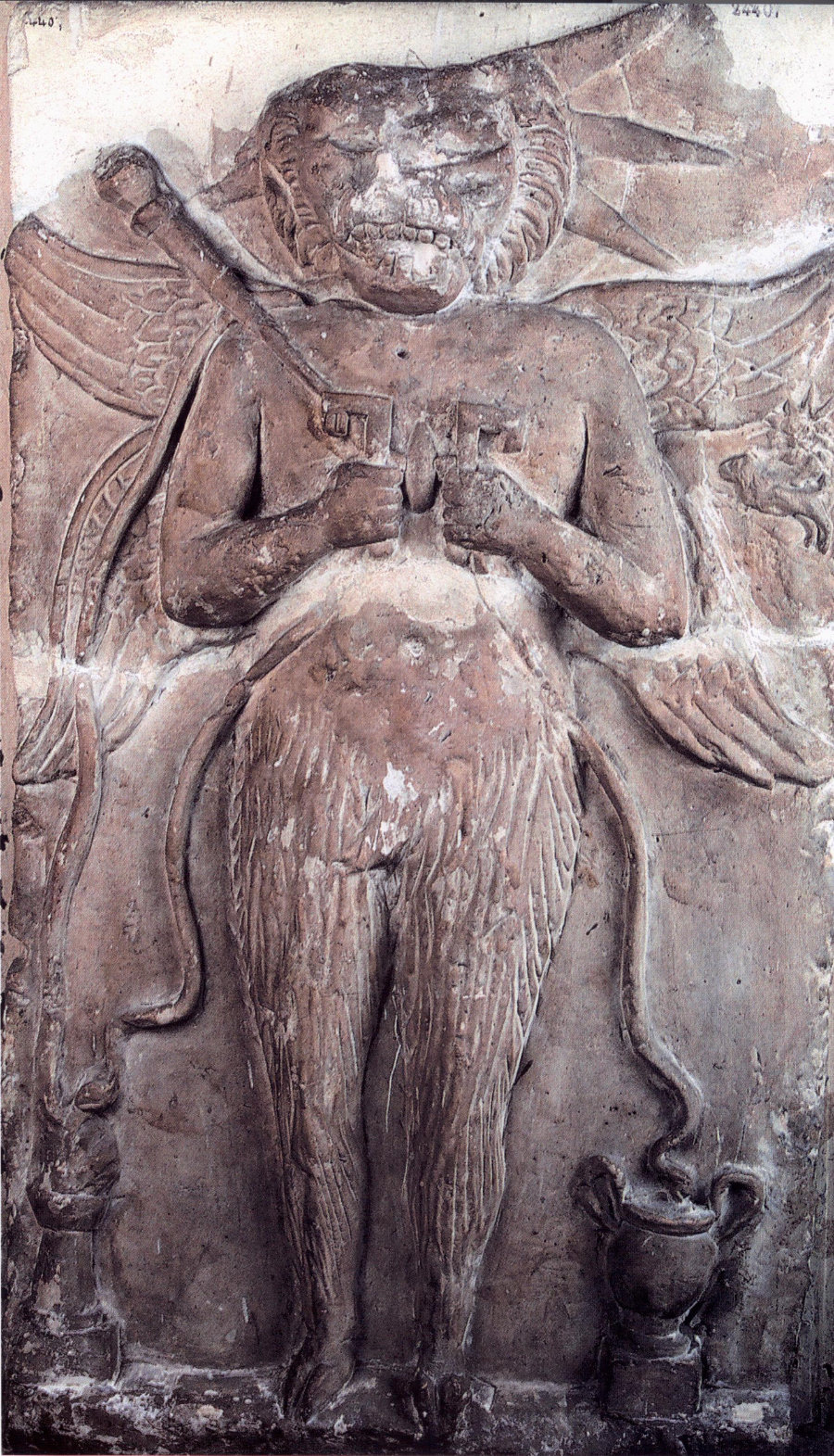
According to Pettazzoni Aion in general finds its iconographical origin in Egypt. Mithras must have been worshipped in Egypt in the third century B.C.
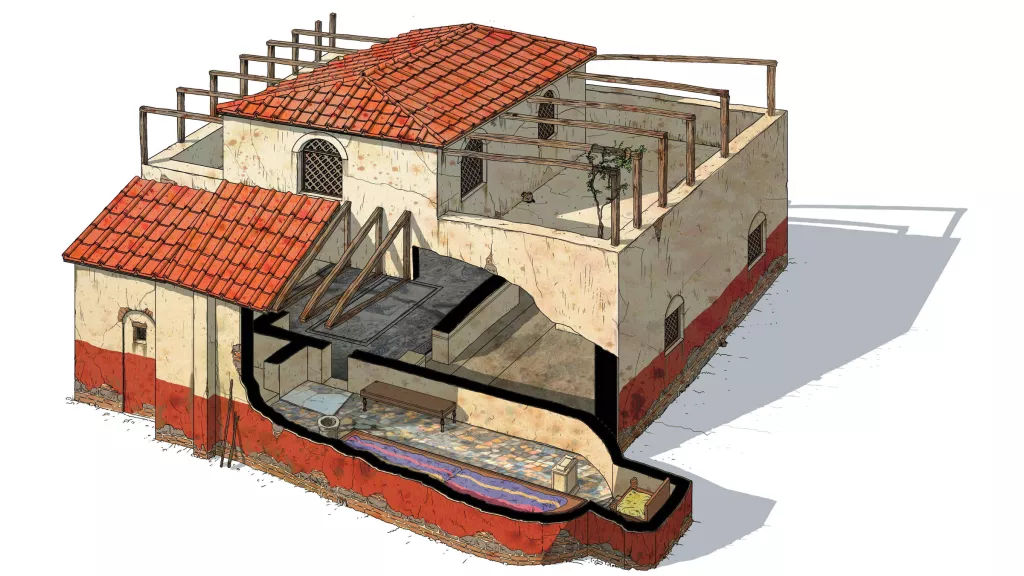
The Mitreo dei Marmi Colorati takes its name after the discovery of a black-and-white mosaic of Pan fighting with Eros.

This Mithraic temple, now disappeared, is known thanks to the numerous remains recorded since 1594 in the 'Memorie di varie antichità trovate in diversi luoghi della città di Roma'.
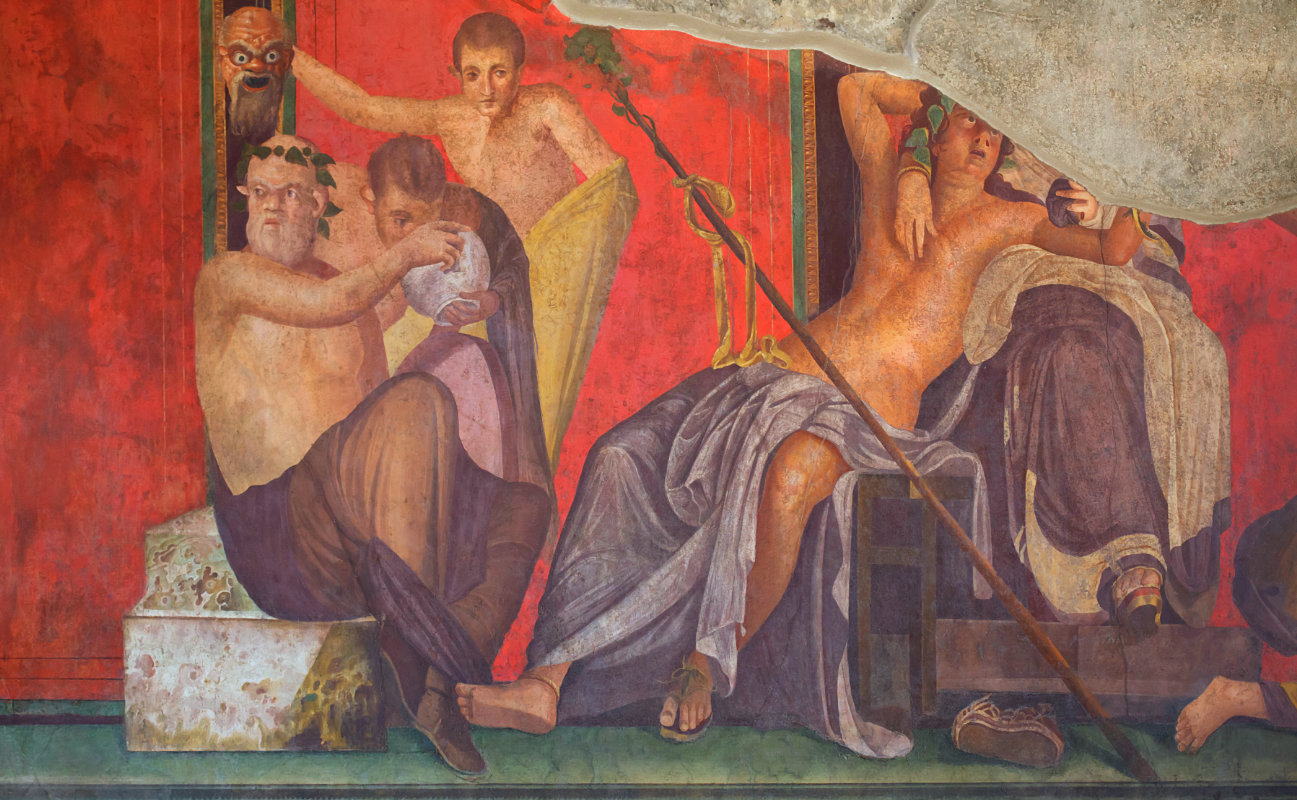
Peter Mark Adams: ‘The initiation was a frightening experience that caused some people to panic as a flood of otherworldly entities swept through the ritual space.’.
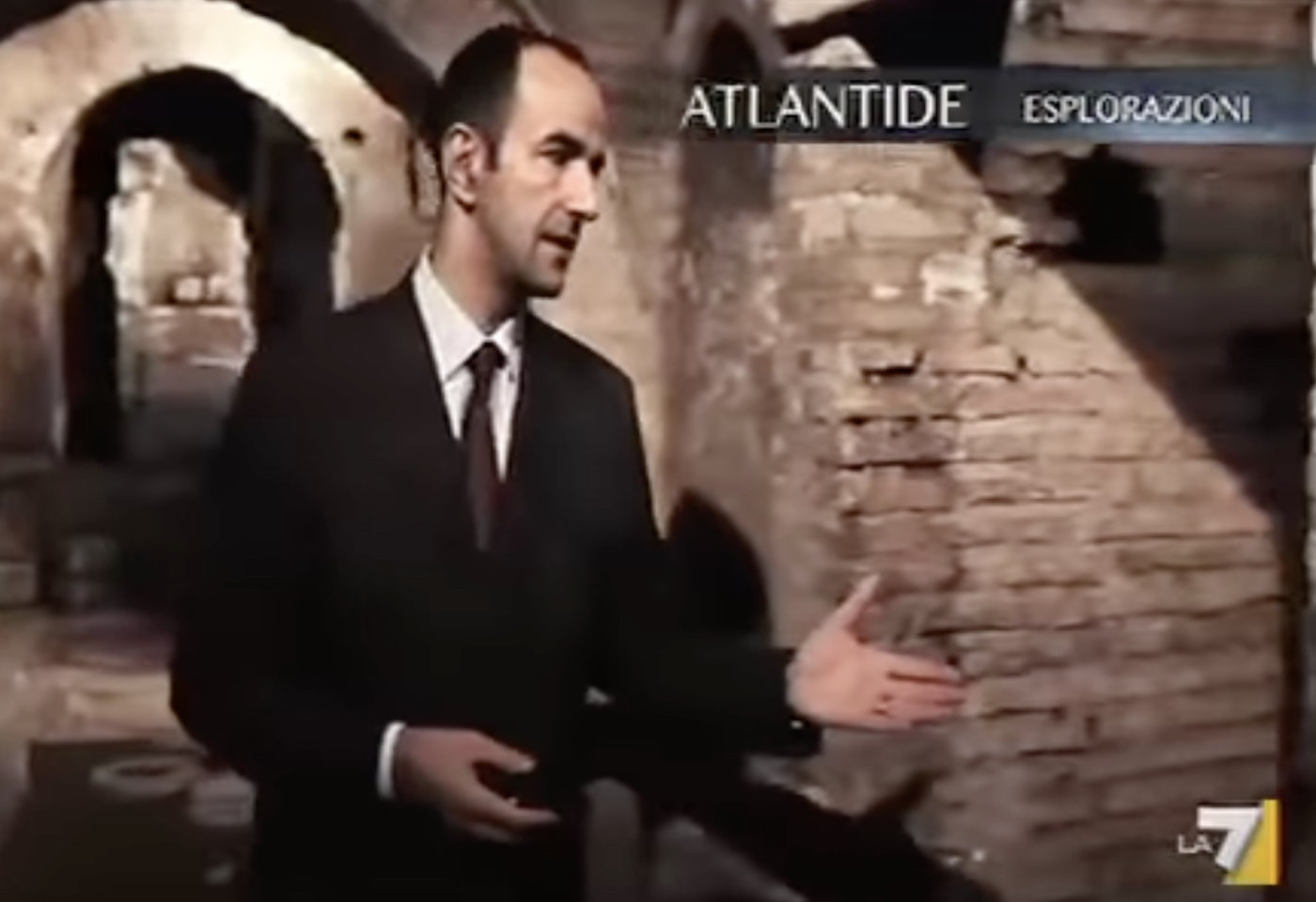
Video report of the Italian TV channel La 7 about Mithraism made in the Mithraeum of the Circo Massimo.
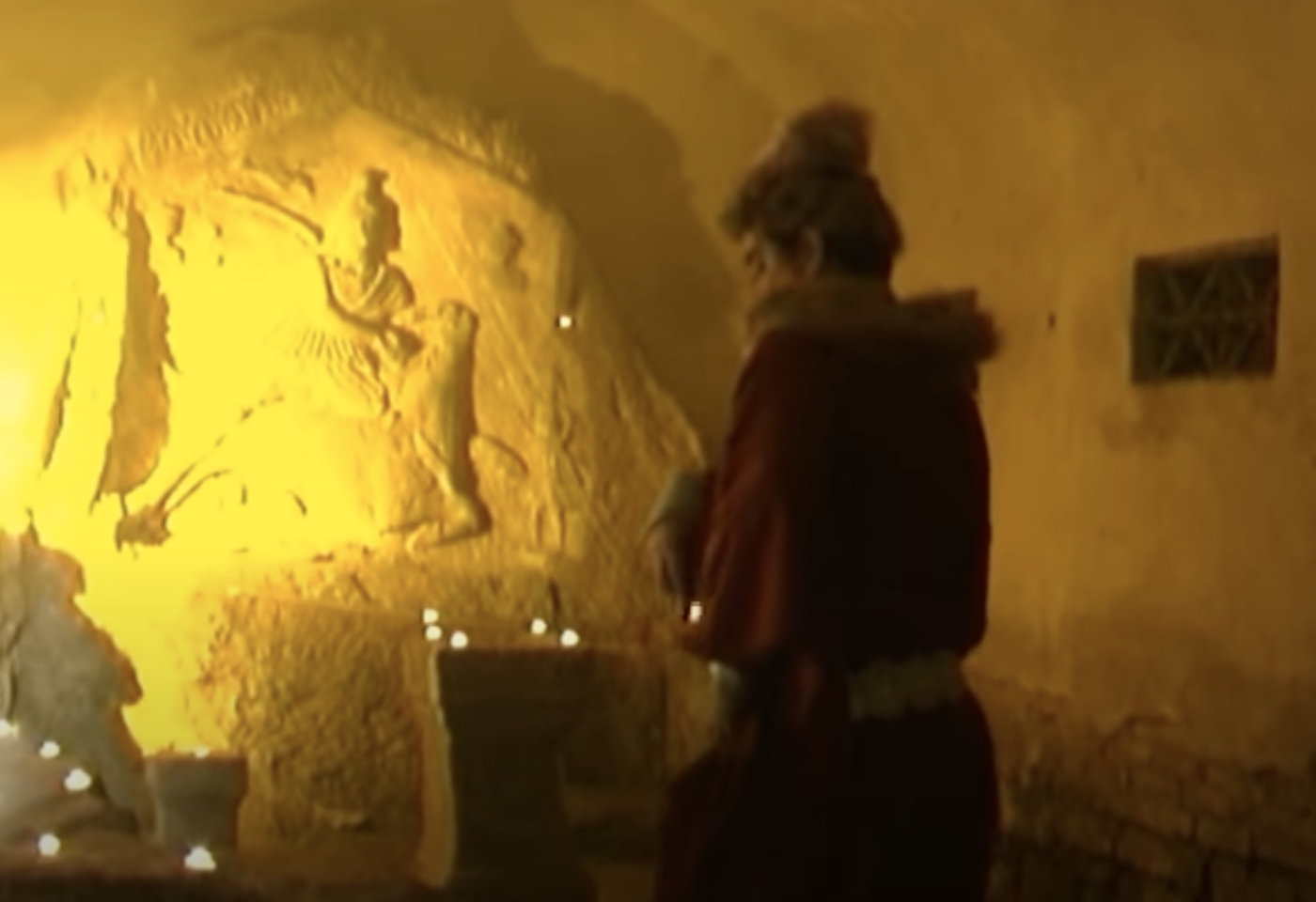
Video reportage about the city and the Mithraeum of Jajce.
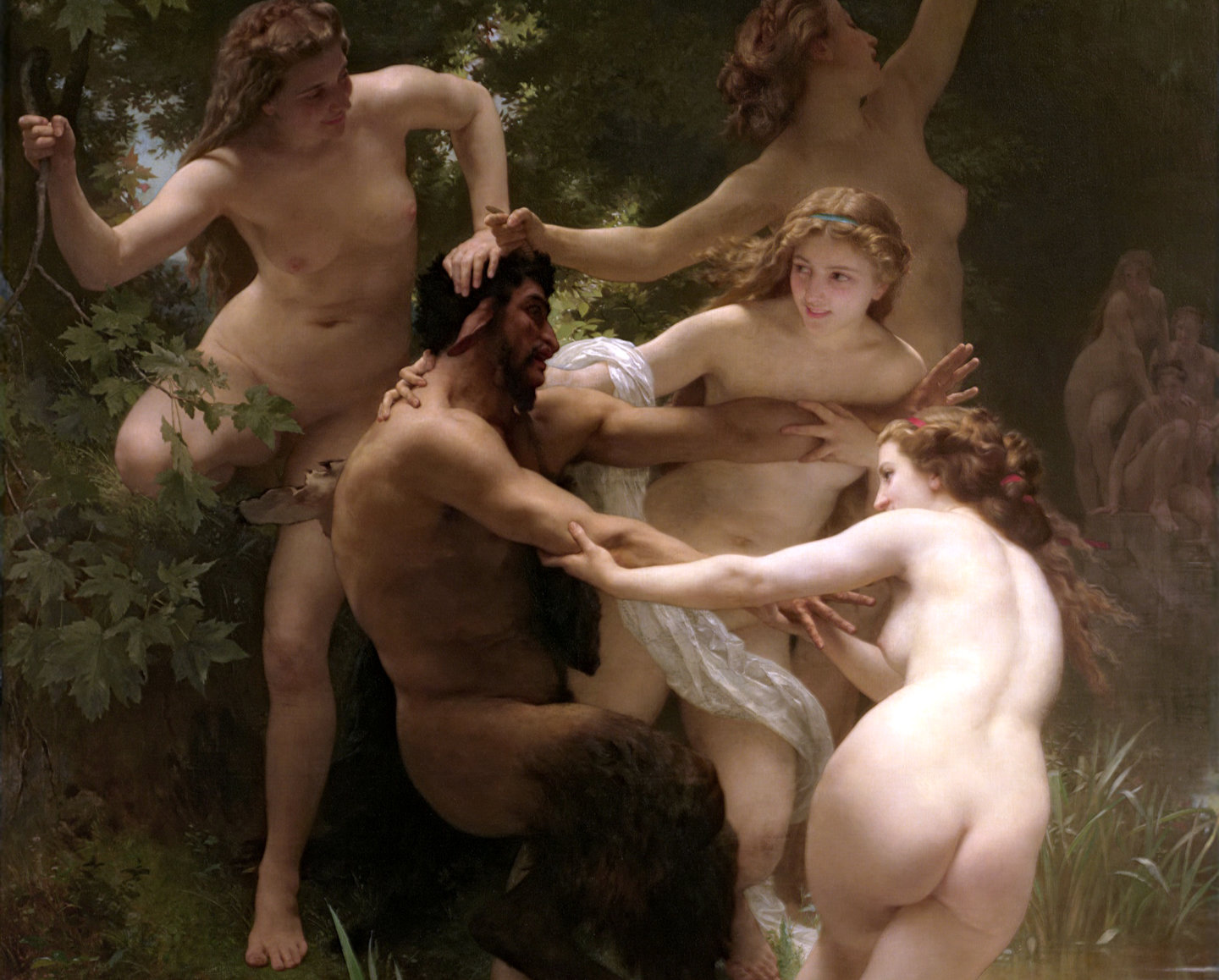
Between the 1st and 4th centuries, Mithraism developed throughout the Roman world. Much material exists, but textual evidence is scarce. The only ancient work that fills this gap is Porphyry’s intense and complex essay.
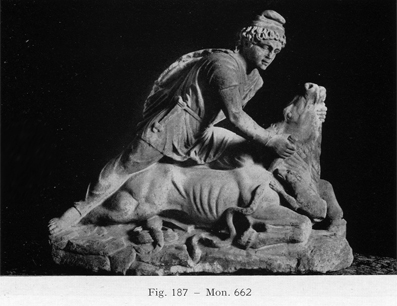
The marble Tauroctony of Asciano, Siena, was donated by Franz Cumont to the Academia Belgica, Rome.
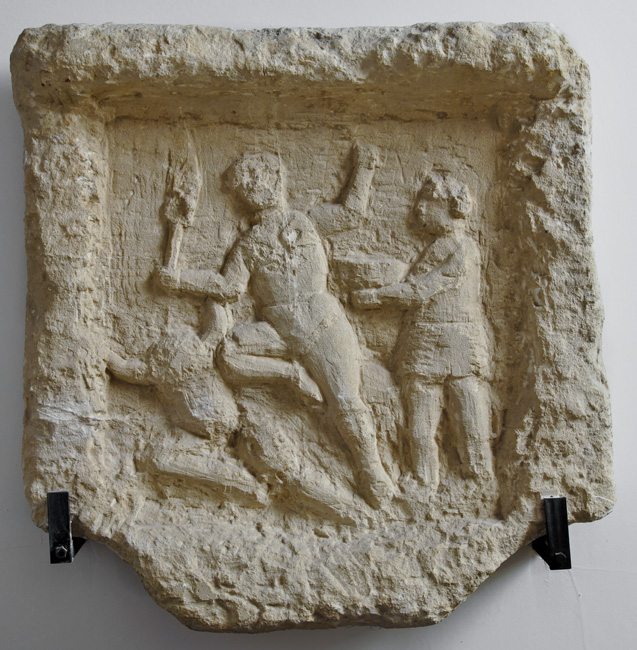
Possibly a Mithraic scene discovered in Mödling, Austria.
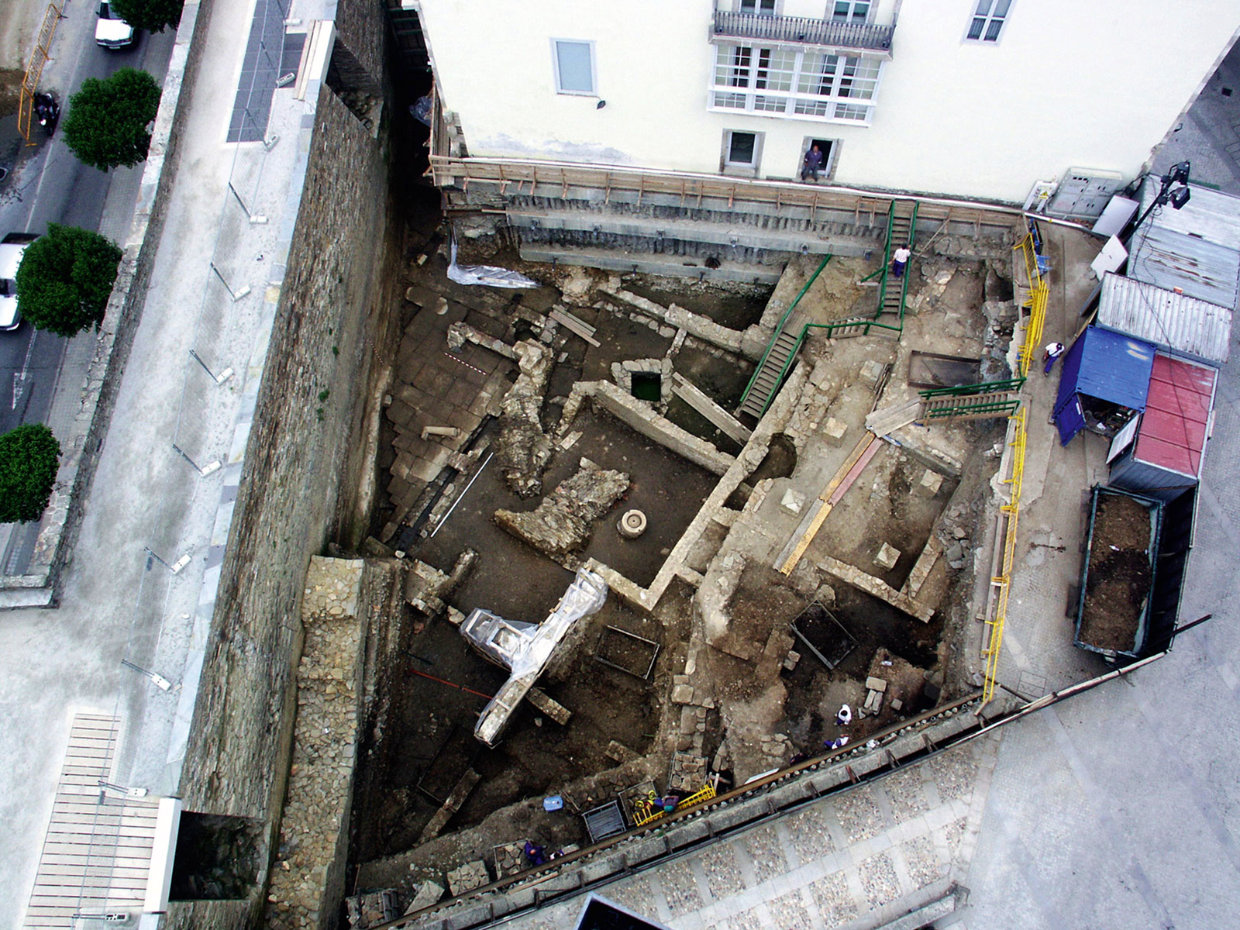
The museum that houses the temple of Mithras has become the most visited Roman space in the city since it opened.
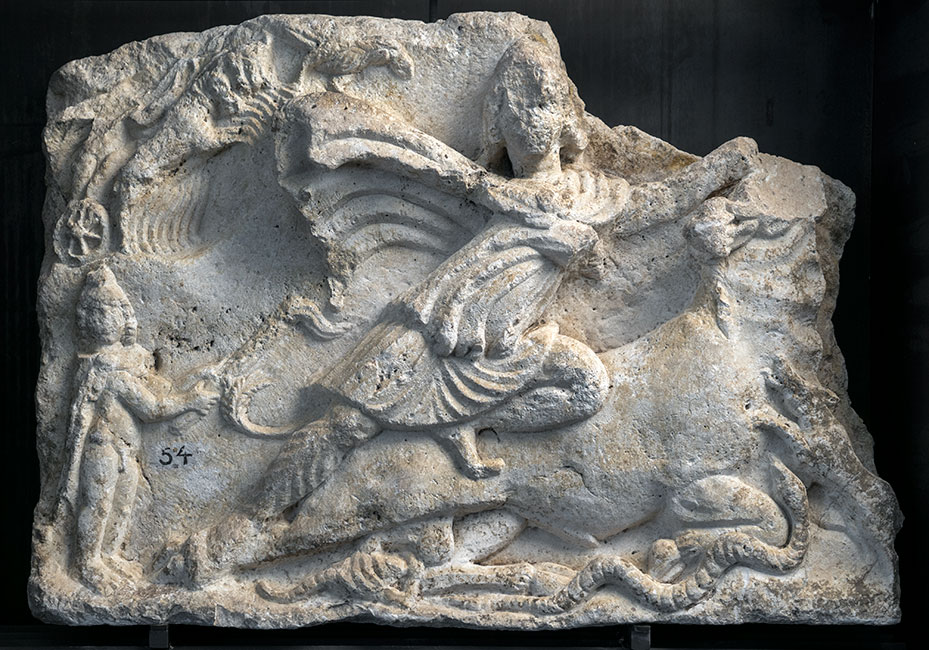
The relief of Mithras killing the bull of Zadar includes a naked Sol in a quadriga.
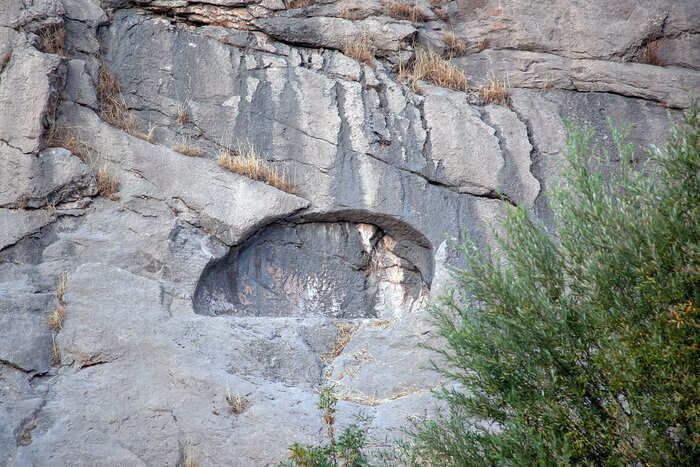
Some Iranian archaeologists suggest that the carving was created by a follower of Mithraism as it depicts a simple portrayal of a human with his right hand raised and an object in his hand. But, experts say it needs much more study in order to date the pe
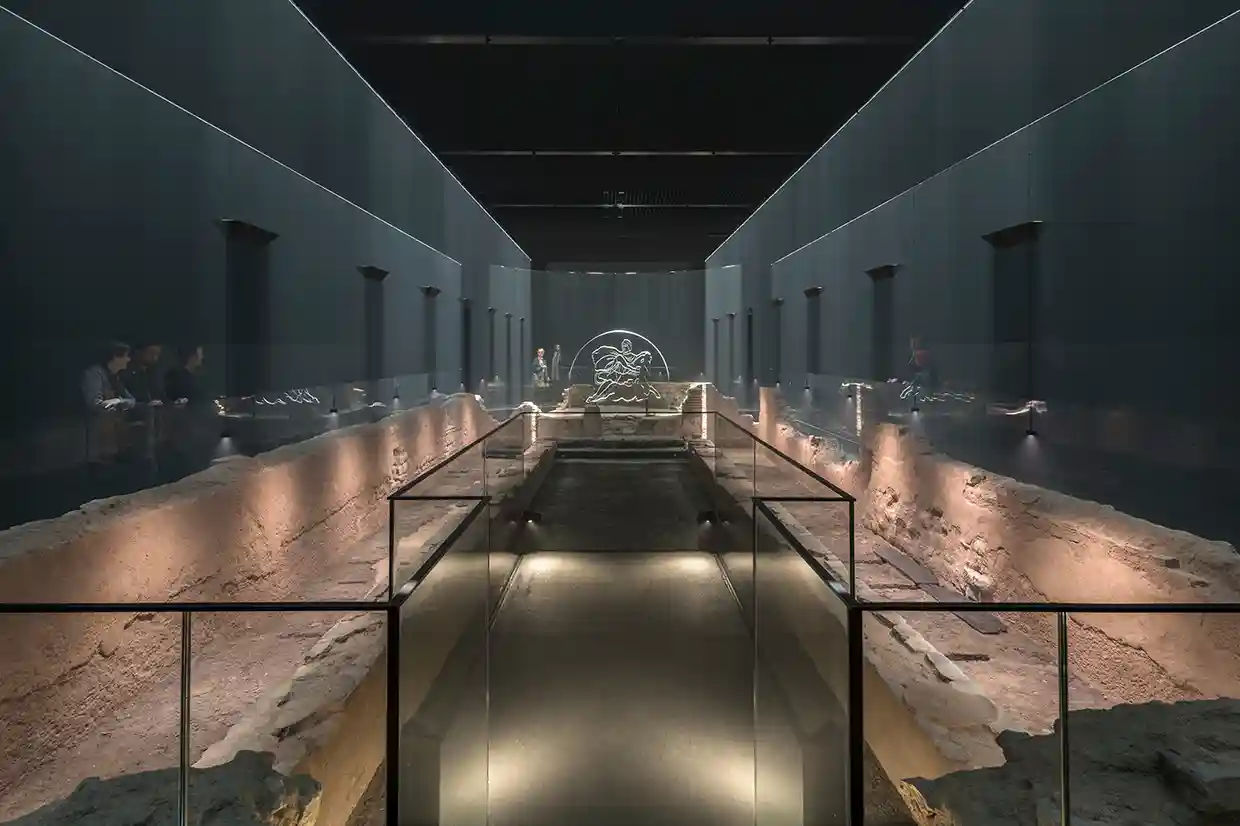
Visitors to new museum will uncover mystery cult of Mithras the bull slayer in multi-sensory experience.
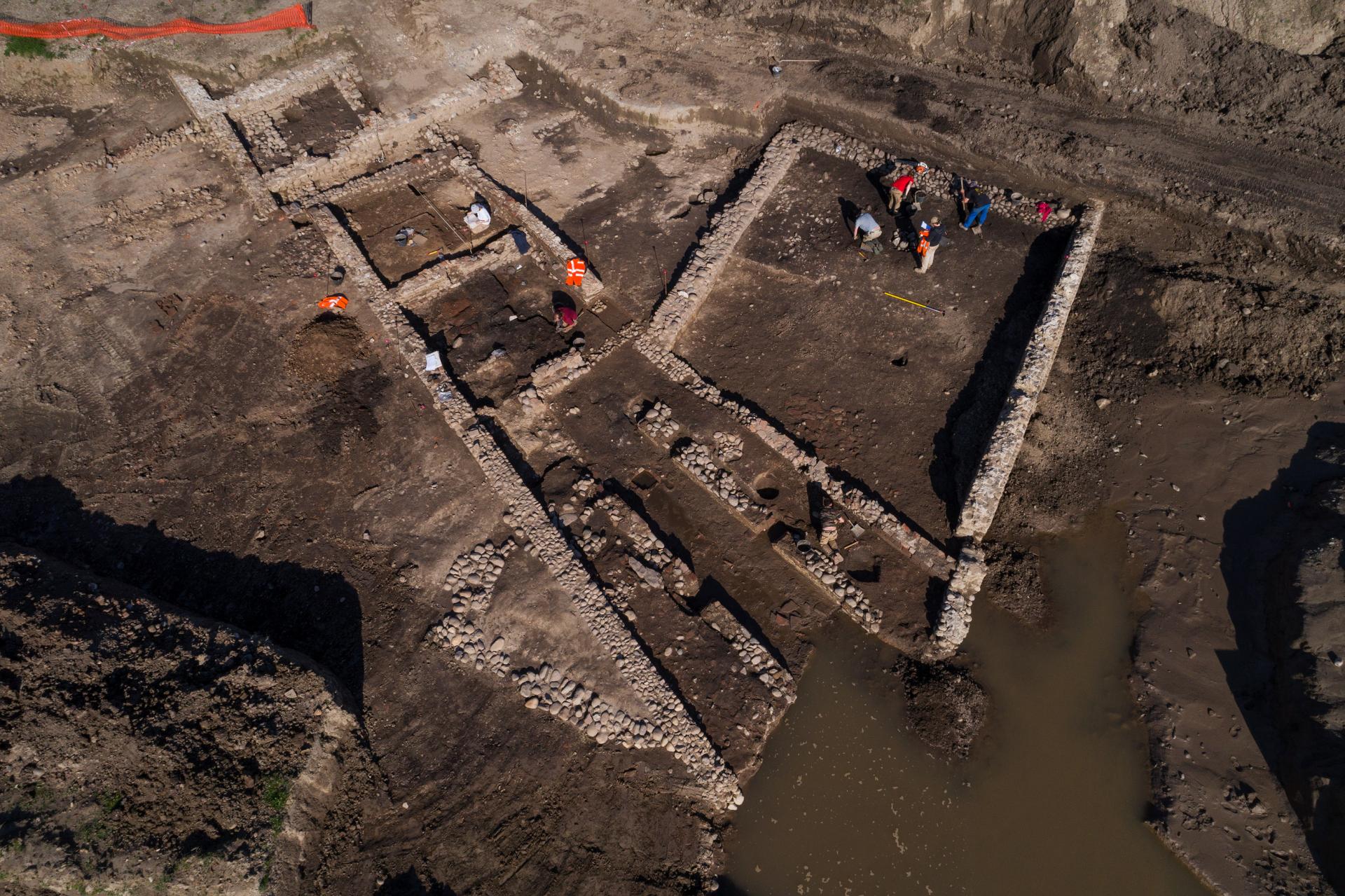
L’Inrap vient de mettre au jour un lieu de culte dédié au dieu Mithra sur le site de Mariana, à Lucciana, France.
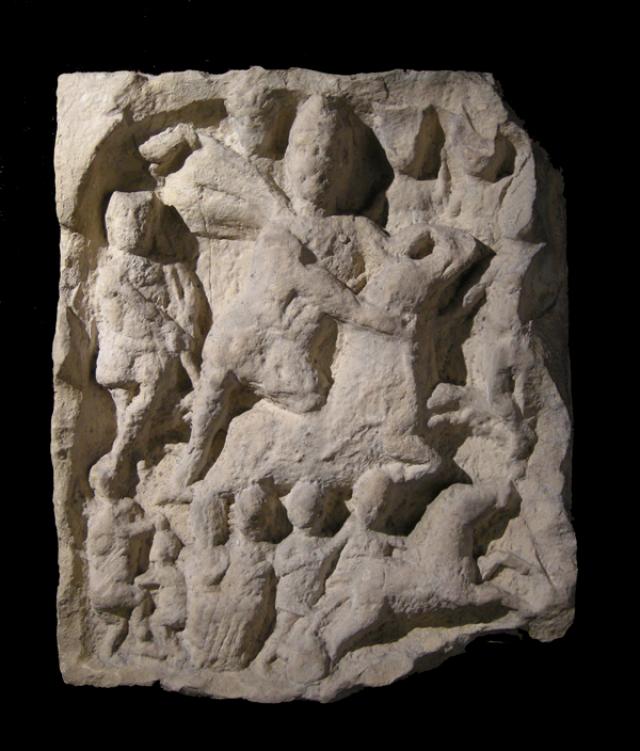
This stone in basso relief of Mithras killing the bull was found 10 foot underground in Micklegate York in 1747.

Germania preserves some of the densest concentrations of Mithraic evidence in the Roman frontier provinces.
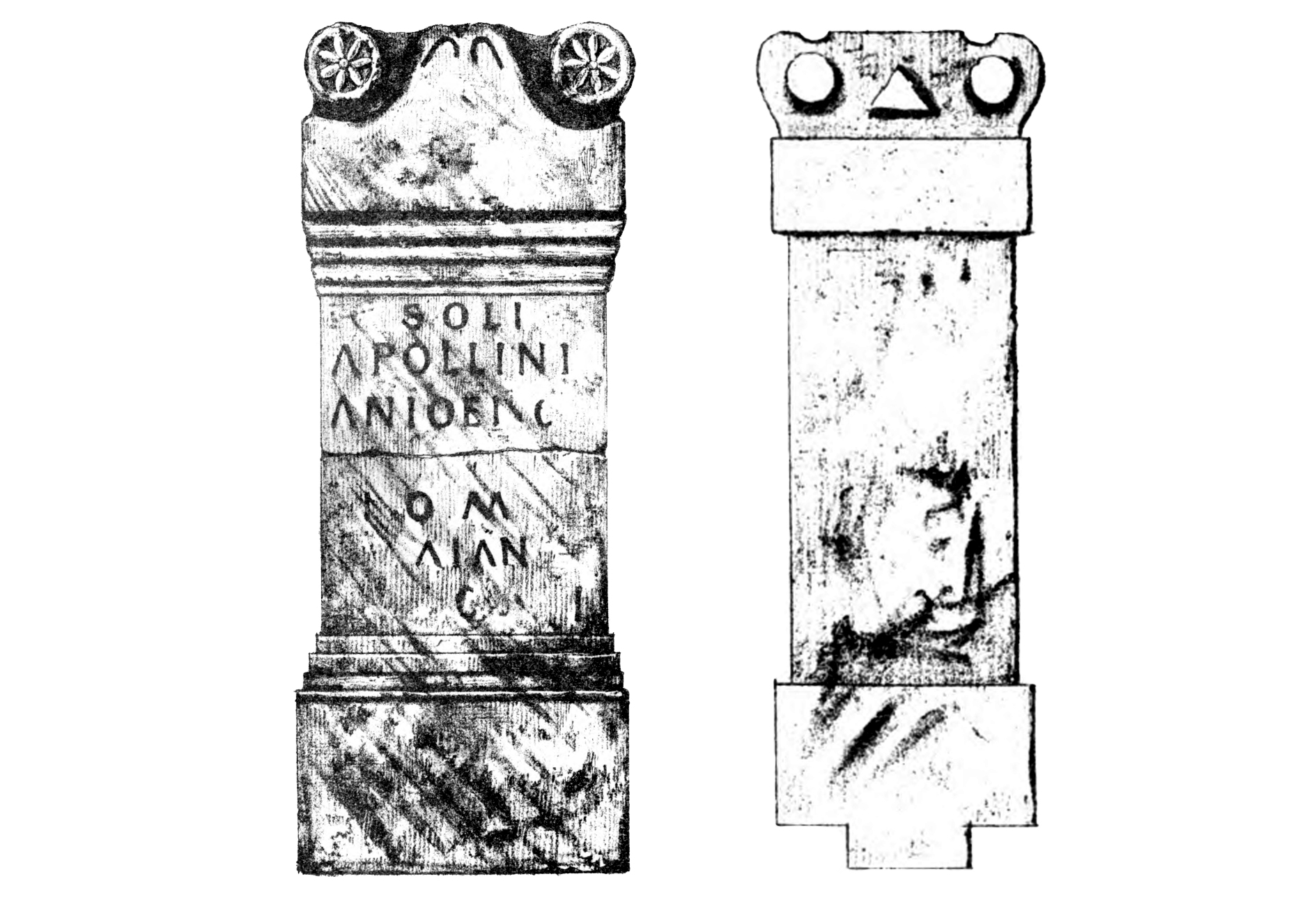
Fragmentary inscription from Vindobala preserving a rare dedication to “Sol Apollo Anicetus” within a Mithraic context on Hadrian’s Wall.
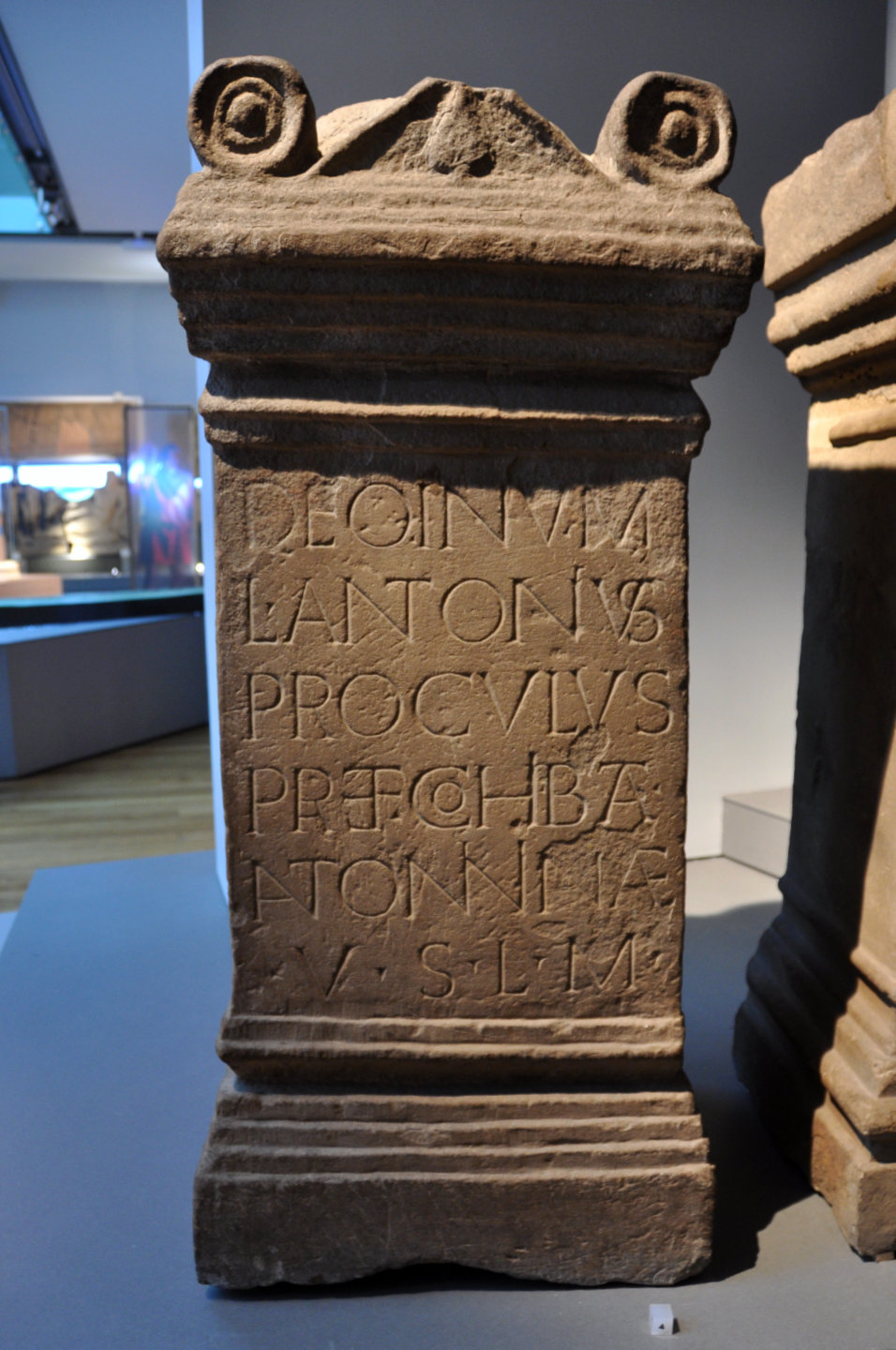
One of the three altars to Mithras found at the Mithraeum of Carrawburgh fort.
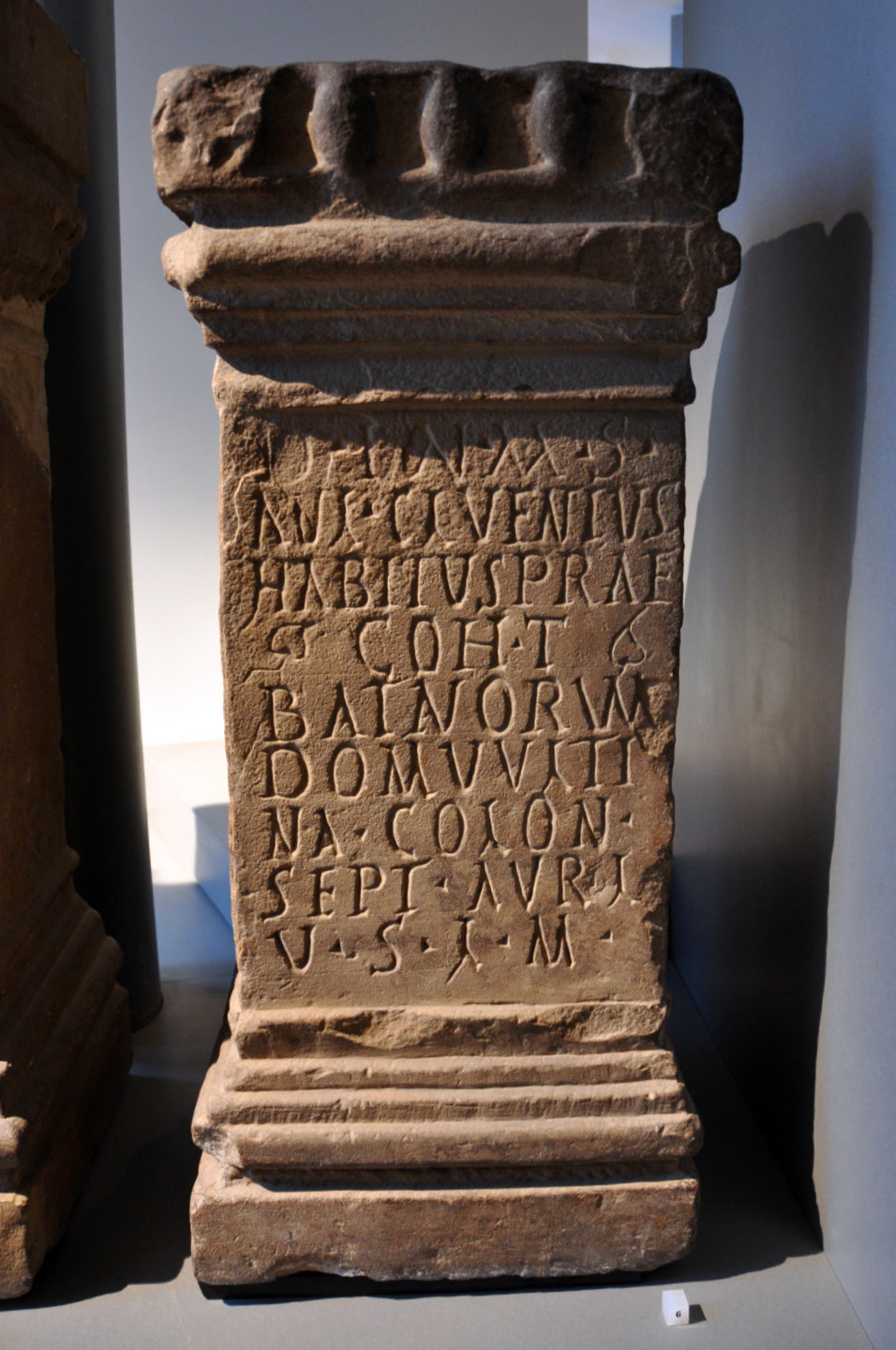
One of the three altars to Mithras found at the Mithraeum of Carrawburgh fort.
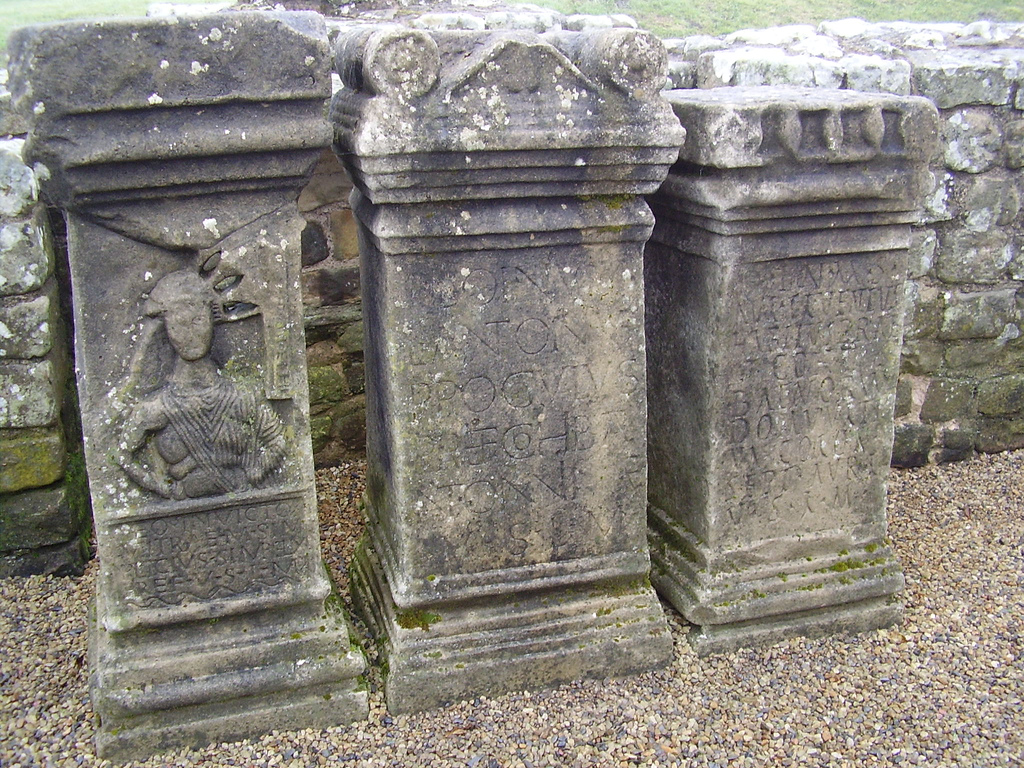
One of the altars from the Carrawburgh Mithraeum depicts the bust of Mithras or Sol.
