Your search Housesteads Roman Fort gave 88 results.

Altar from Salona, Dalmatia, with a bust of Sol in radiate crown in the lower portion, dedicated to Deo invicto for the welfare and safety of Pamphilus, imperial dispensator, by his arkarius Fortunatus.


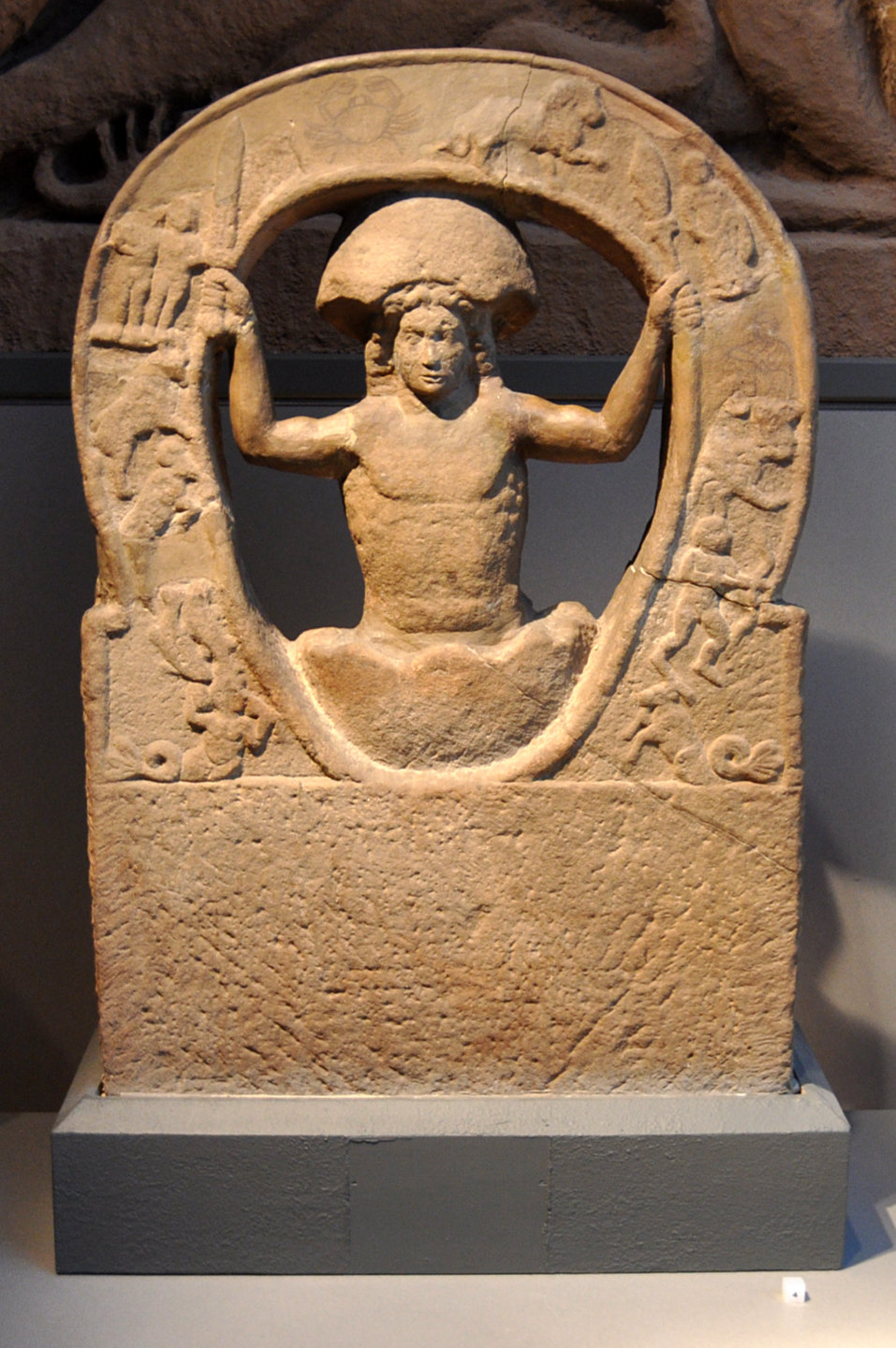
A naked Mithra emerges from the cosmic egg surrounded by the zodiac, as always carrying a torch and a dagger.

Petrianae was a Roman fort on Hadrian’s Wall, generally associated with Stanwix near Carlisle.
Luguvallium was a Roman settlement and fort in northern Britannia, today Carlisle.
Longovicium was a Roman fort and settlement in northern Britannia, today associated with Lanchester.
Deva was a major Roman legionary fortress in northern Britannia, today Chester.
Ulmetum formed part of the fortified network protecting the lower Danube frontier.
Ulcisia Castra formed part of the fortified Danube frontier north of Aquincum.
The fort of Niederbieber formed part of the defensive system of the Upper Germanic-Raetian limes.
The fort at Großkrotzenburg occupied a strategic position on the Main river frontier.
The hill fort of Epiacum, known today as Whitley Castle, occupied a strategic upland position south of Hadrian’s Wall.
Echzell formed part of the fortified frontier zone associated with the Upper Germanic limes.
A fragmentary inscription from Scaleby Castle near Cambeckfort (ancient Petrianae), preserving a partial dedication to Sol Mithras.
A skeleton of a man aged approximately thirty to forty years, with arms tied behind his back and wrists bound with an iron chain, found lying on a fragment of the main relief at the back of the Mithraeum at Pons Saravi (modern Saarburg) in Belgica…
A marble inscription fragment found in the cemetery at the Duos Lauros along the Via Labicana outside Rome, commemorating a sacerdos of Sol Invictus Mithras who lived forty years.
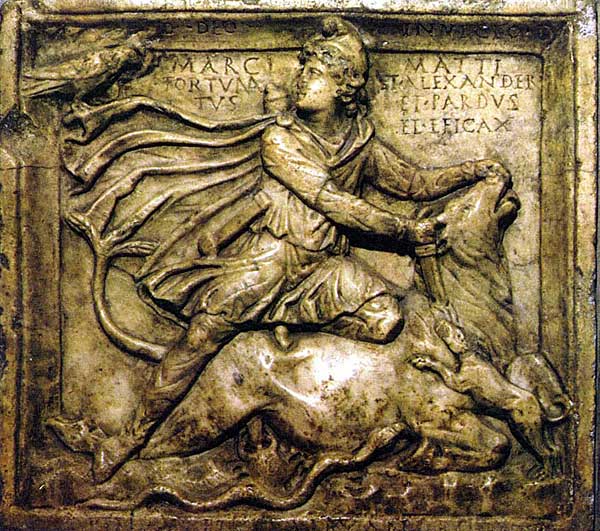
The relief marble of Mithras sacrifying the bull, exposed on the Hermitage Museum comes from Rome.
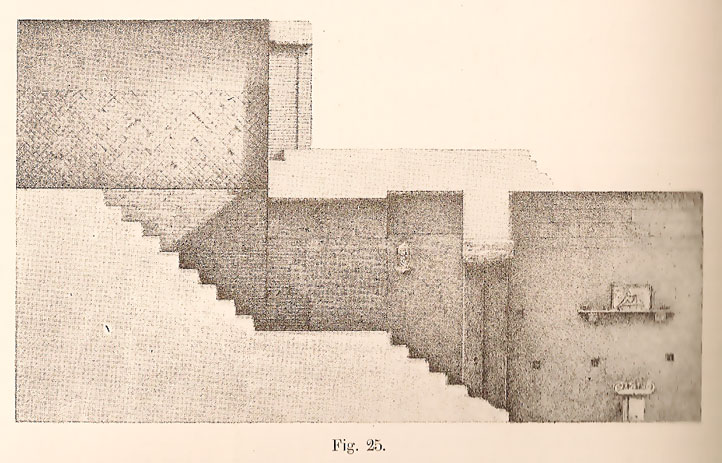
In a house from the time of Constantine, a Lararium was found with a statue of Isis-Fortuna. The Mithraeum was a door next to it, on a lower room.
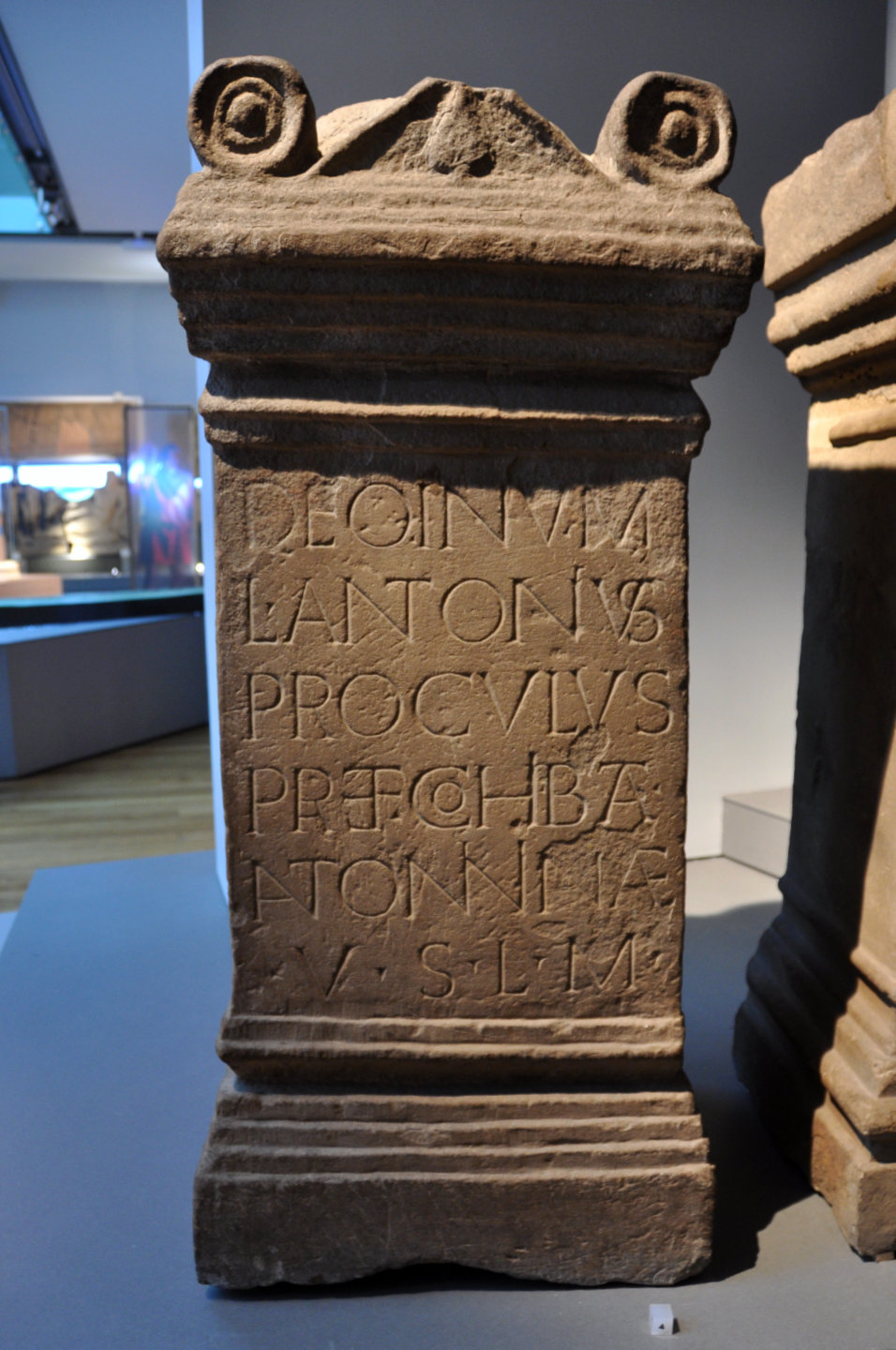
One of the three altars to Mithras found at the Mithraeum of Carrawburgh fort.
