Your search Jabal al-Druze gave 3542 results.
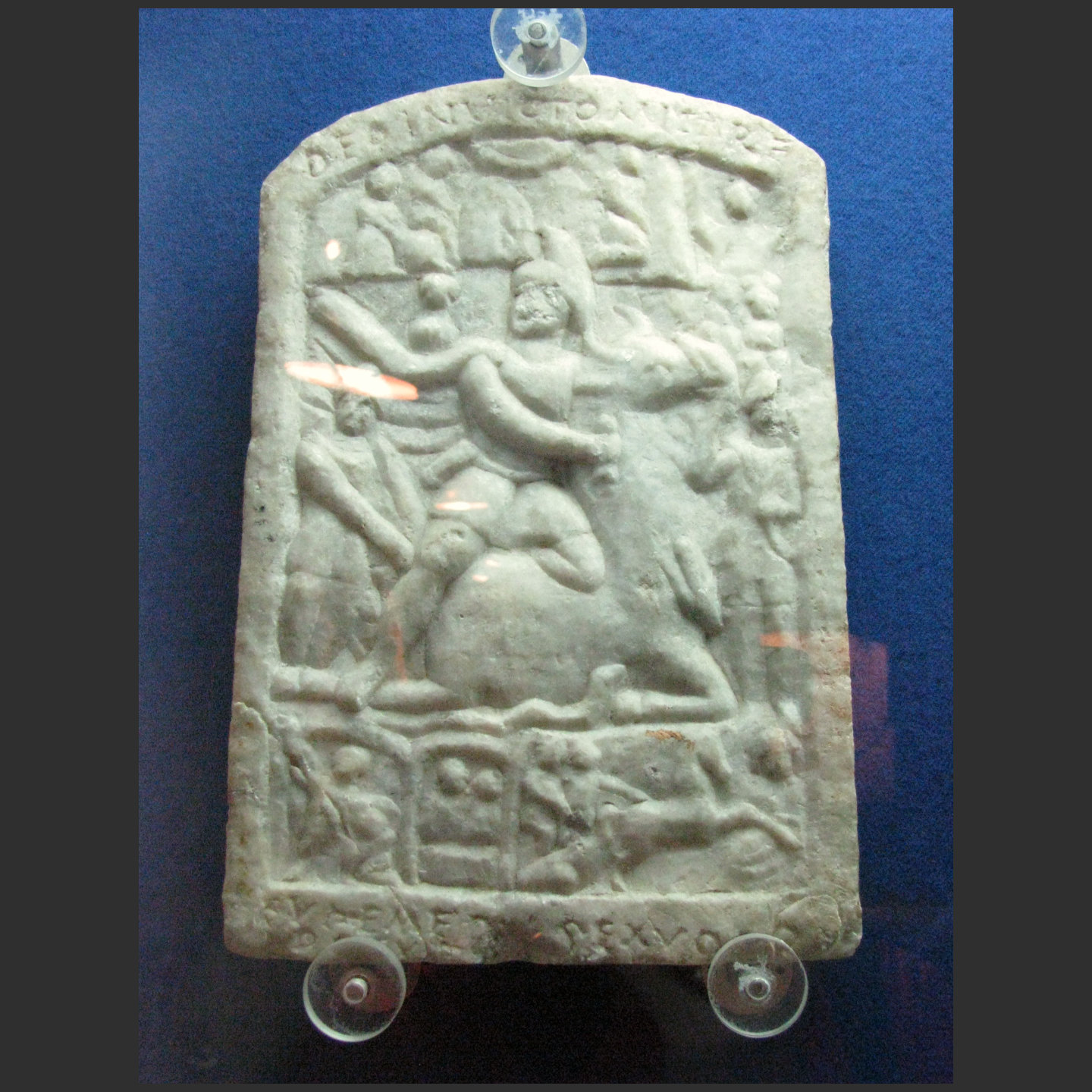
Several authors read the name Suaemedus instead of Euhemerus as the author of this mithraic relief from Alba Iulia, Romania.
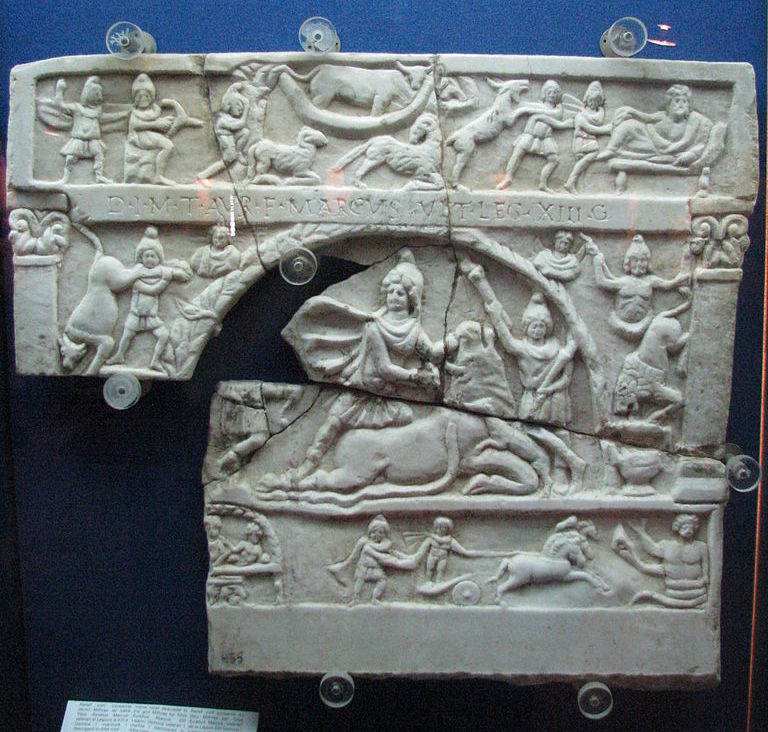
This marble relief from Alba Iulia contains numerous scenes from the myth of Mithras.
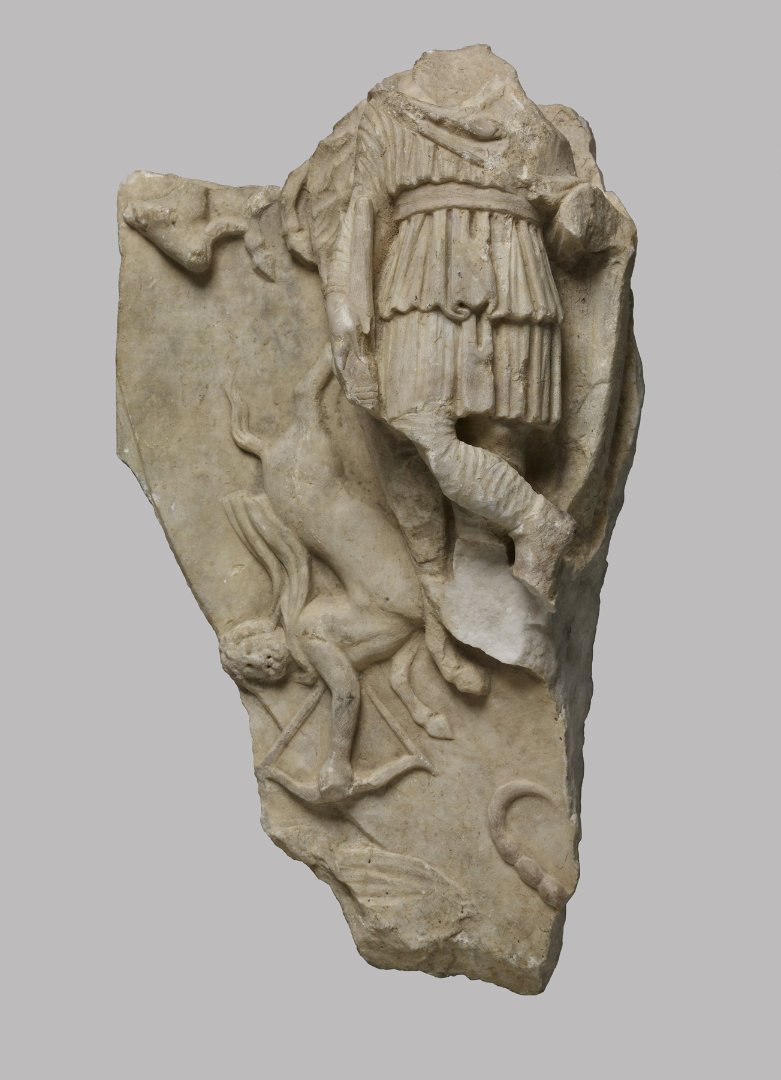
This fragmentary relief shows Cautopates bordered by three of the six zodiacal signs with which He is associated: Capricorn, Sagittarius and Scorpio.
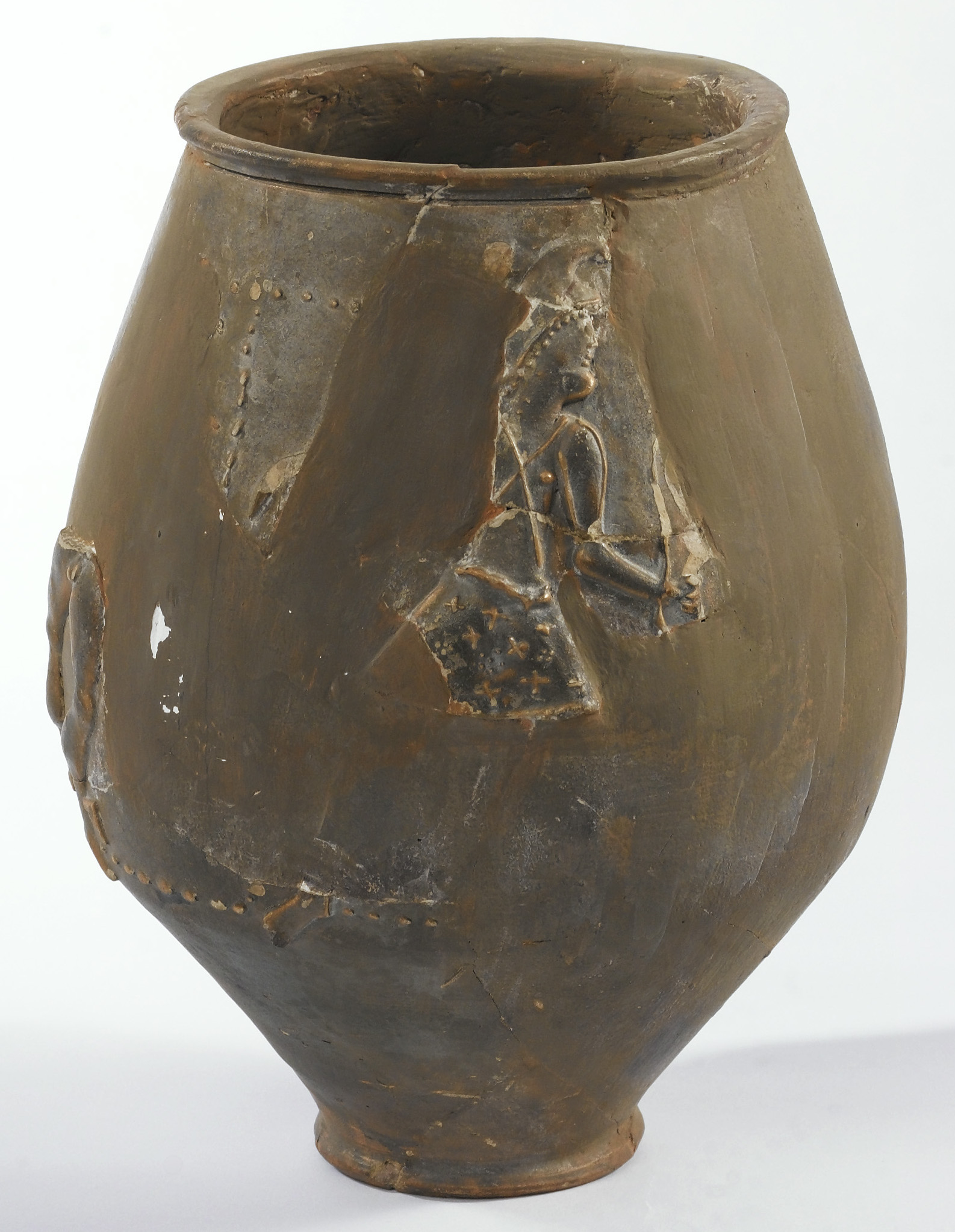
The St Albans mithraic vase depicts fragments of three figures identified by Vermaseren as Hercules, Mercury and Mithras as an archer.
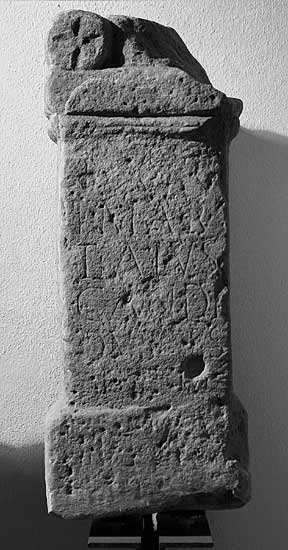
Bright red sandstone altar from Mithraeum II at Stockstadt dedicated to Deo Cauti by Titus Martialius Candidus, found near the north podium.
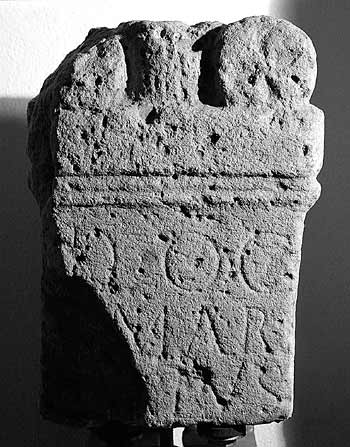
These two inscriptions by a certain Titus Martialius Candidus are dedicated to Cautes and Cautopates.

These twin inscriptions found in the Mithraeum of Tazoult were dedicated by the legate Marcus Valerius Maximianus.
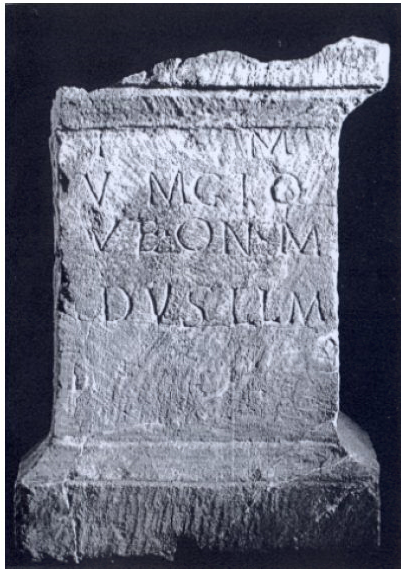
This fragmented monument bears an inscription of a certain veteran named Valerius Magio.
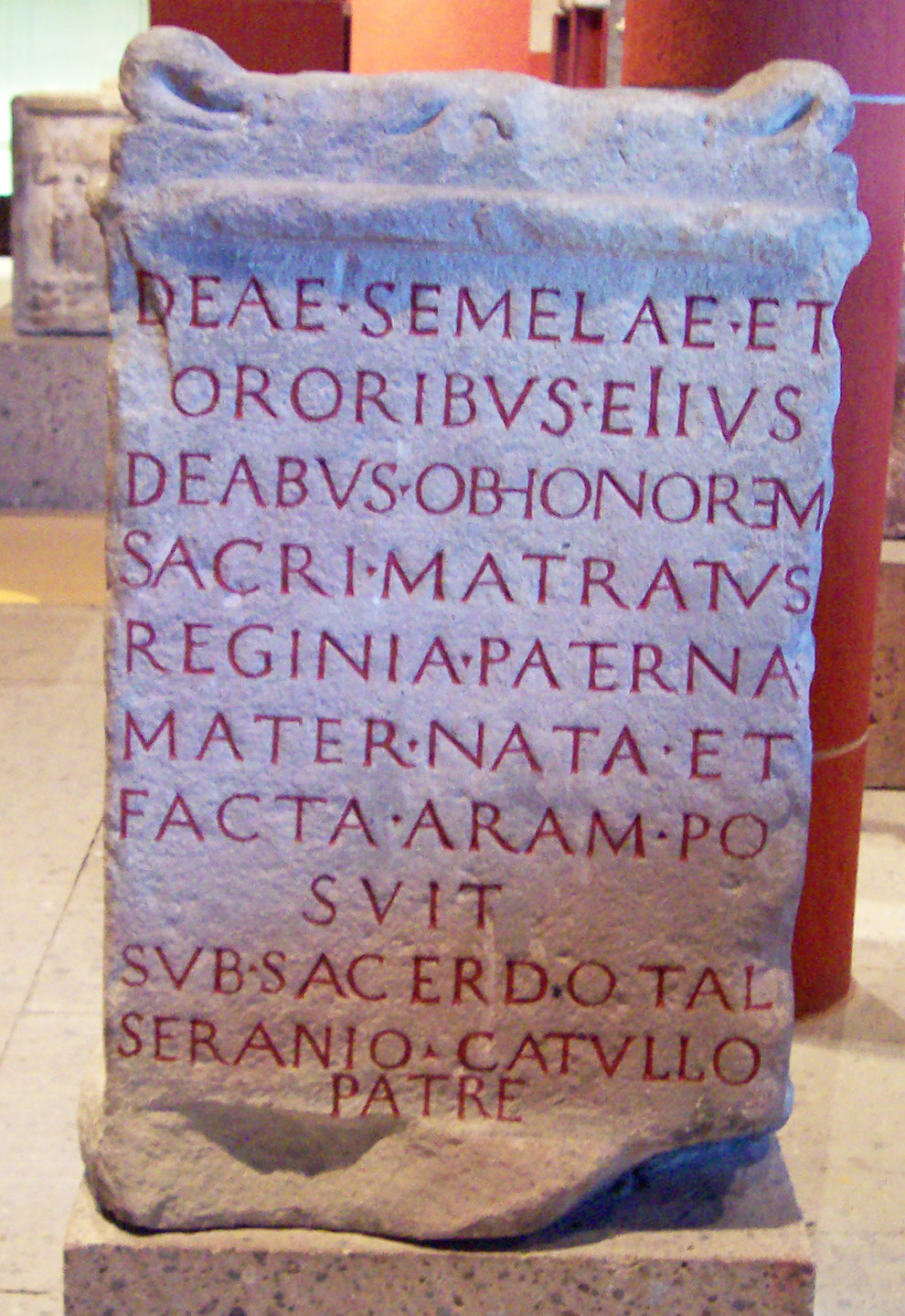
This sandstone altar found in Cologne bears an inscription to the goddess Semele and her sisters.

This altar, found in Tazoult تازولت, Algeria, was dedicated to the god Sol Mithras by a certain Florus.
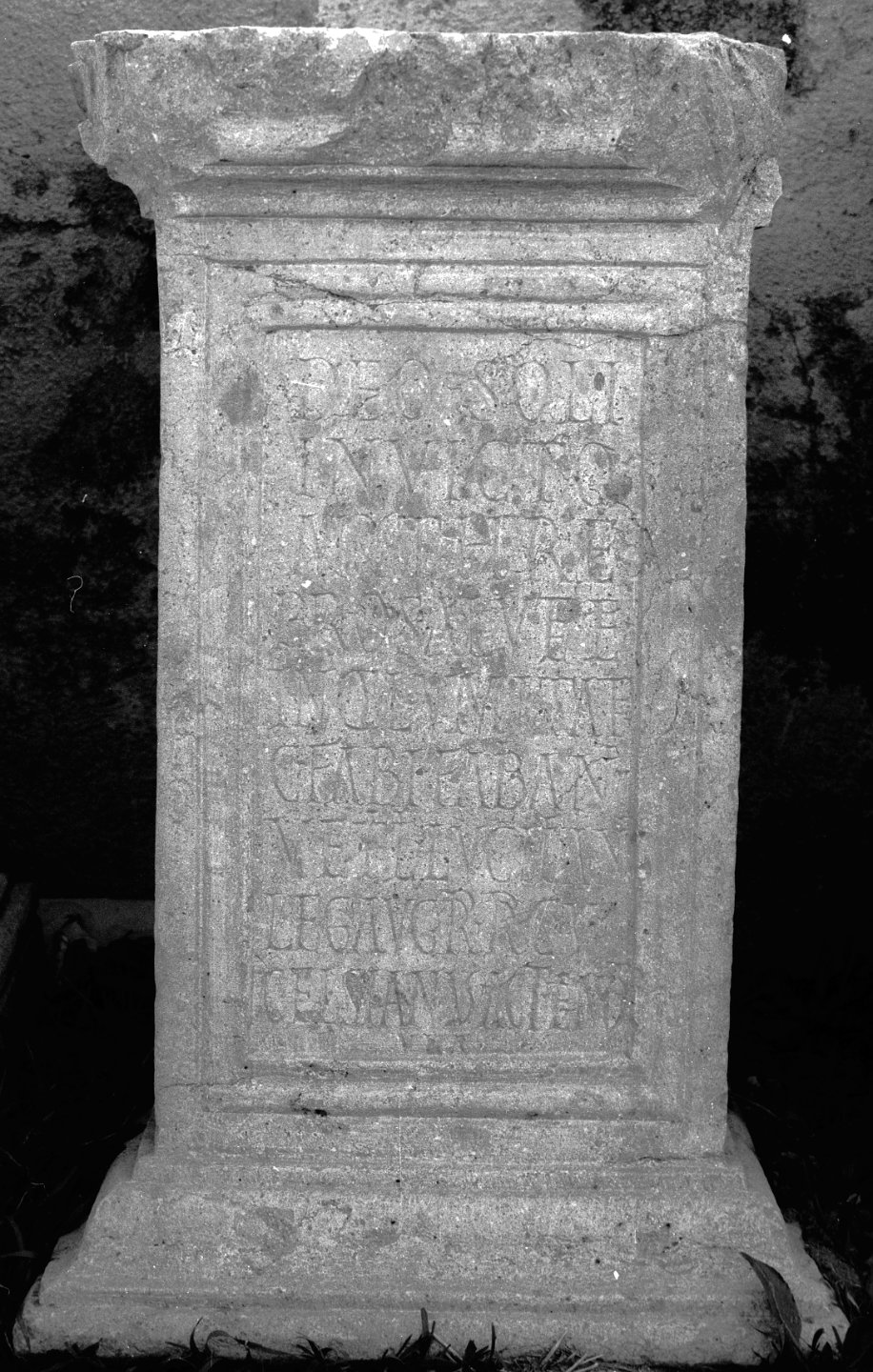
This altar found in Lambèse, now Tazoult, Algeria, bears the inscription of a certain Celsianus for the health of two men to the god Sol Unconquered Mithras.
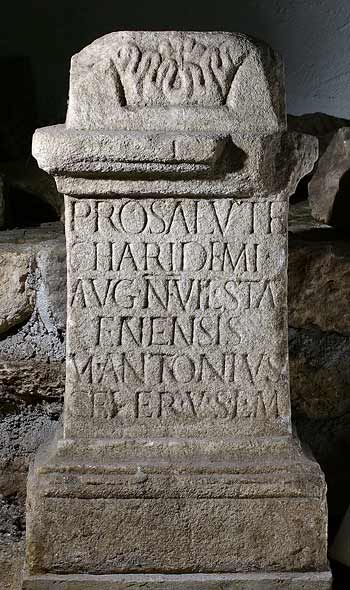
Marble votive altar with inscription to Mithras, featuring coiled, fan-like motifs above the text and associated with the statio Enensis.
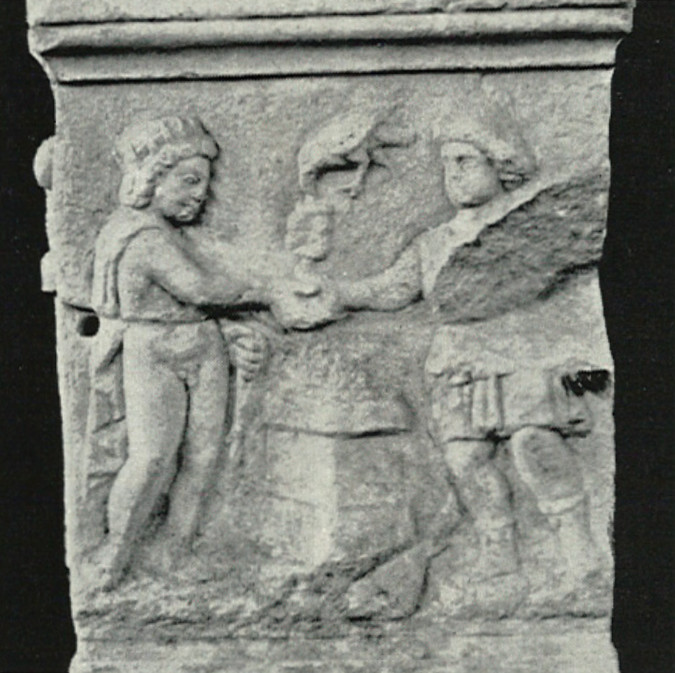
The altar of Ptuj depicts Mithras and Sol on the front and the water miracle on the right side.
Callimorphus dedicated this image of the sun god to the invincible sun ’Mythra’.

Found in Illmitz, Austria, in 1959, this altar was dedicated to the unconquered god Mithras by a certain Aelius Valerianus.
This is the second altar found in Ceanu Mic to date, dedicated to an Invictus being.

This altar, dedicated to Sol Invictus Mithras by a certain Eutyches for the health of the Emperor Caracalla, was found in Sisak, Croatia, in 1899.
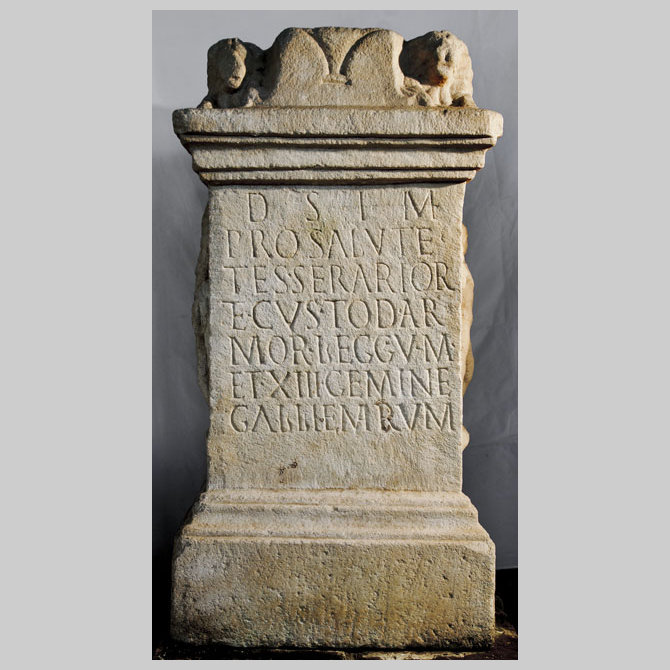
This altar, found in the 3rd mithraeum of Ptuj, bears an inscription and a relief of Sol and a person with a cornucopia.
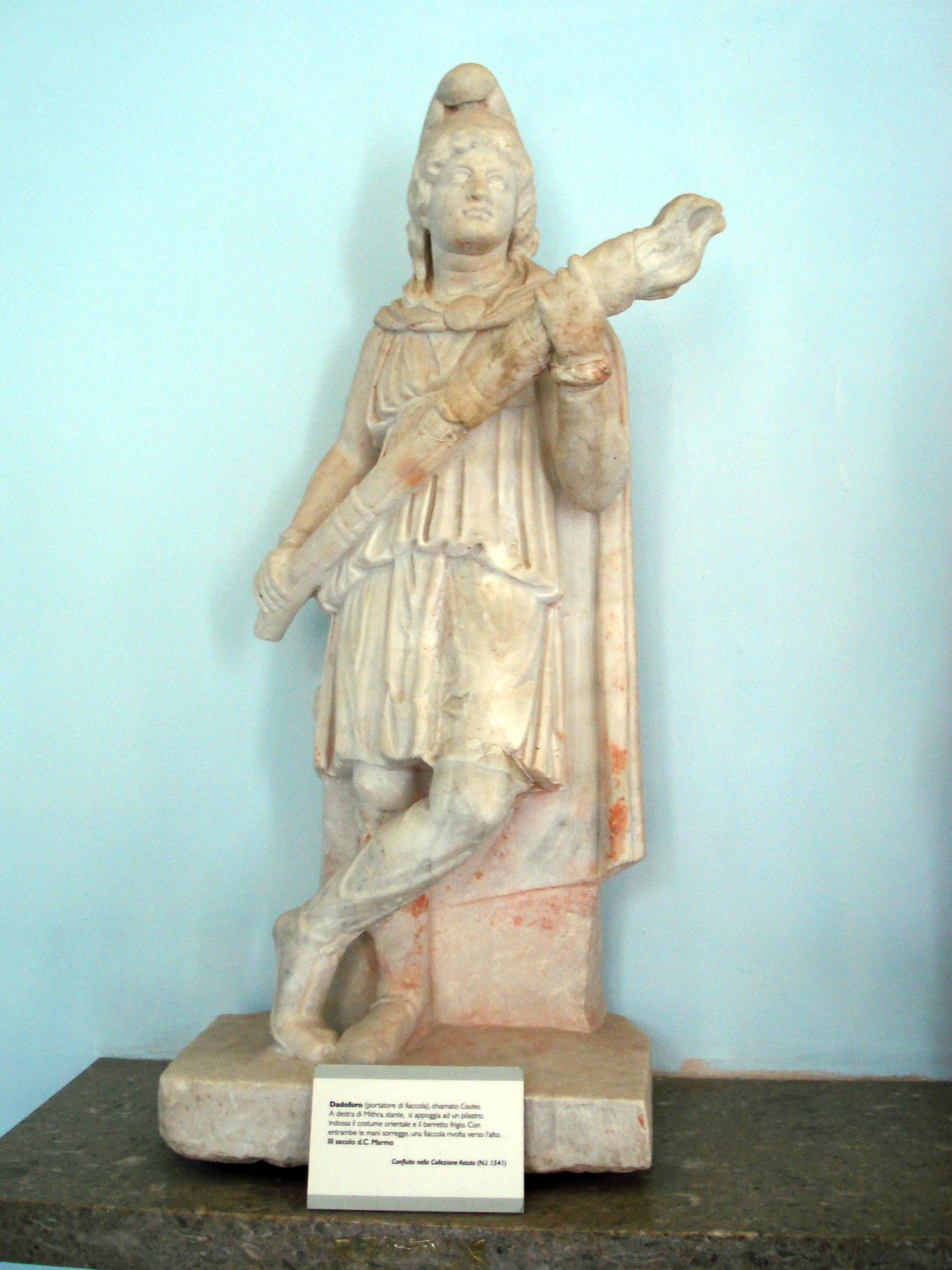
These two mithraic sculptures of Cautes and Cautopates belong to the same collection of Astuto de Noto, made up of mostly Sicilian monuments.
During the excavations of 1804-1805, a series of monuments dedicated to Mithras and a temple were discovered at ancient Mons Seleucus.
