Your search Jabal al-Druze gave 2993 results.



Preamble and notes published by G. R. S. Mead in his series Echoes from the Gnosis 1907, London and Benares. Translation of the manuscript by Dieterich Eine Mithrasliturgie 1903, Leipzig.
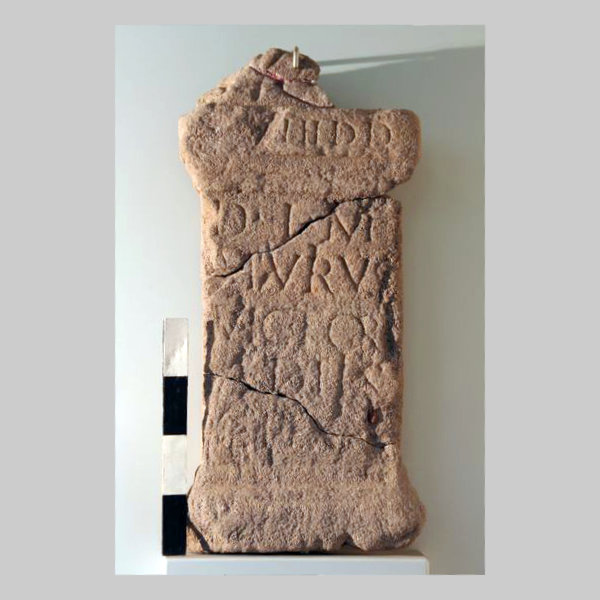
Marius Victor, according to the inscription on the monument, erected this monument to Mithras ’when Philip and Titianus were consuls’.
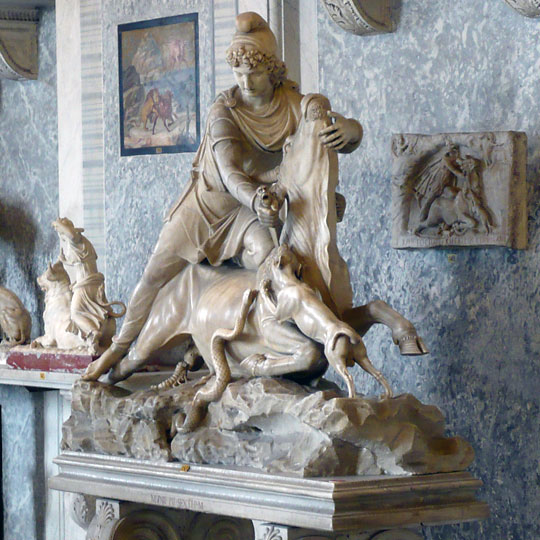
This Mithras killing the bull belonged to the sculptor V. Pancetti before being exhibited in the Vatican Museums under Pius VI.
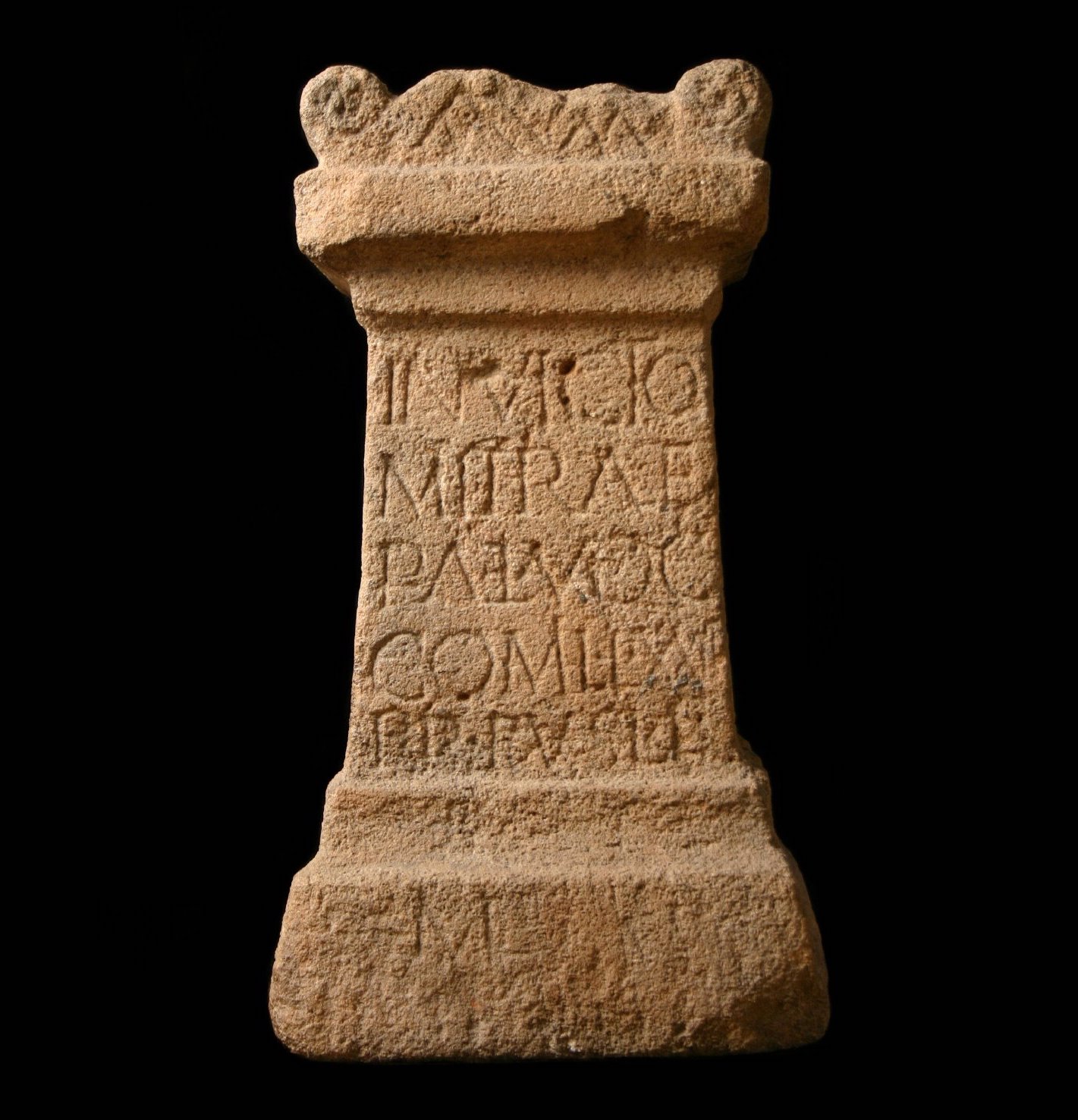
This monument was erected by a certain Publius Aelius Vocco, a solider of the Legio XXII Primigenia Pia Fidelis stationed in Mainz.
Yolanda’s multimedia dissertation focuses on the cognitive mechanisms that motivate Mithras worshippers. Her work includes a podcast entitled Conversations about Mithras.

The archaeology of the Mithraeum at Carrawburgh
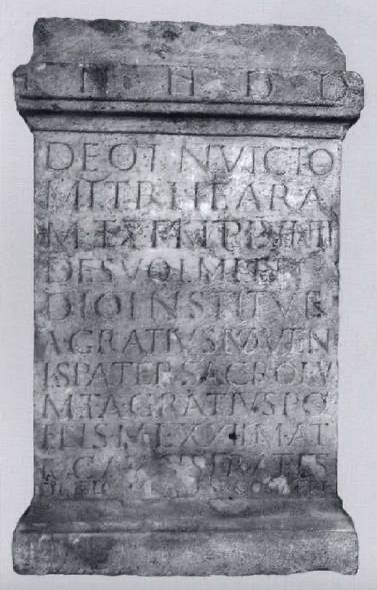
The monument was dedicated by two brothers, one of them being the Pater of his community.

PhD Thesis by Vittoria Canciani, coordinated by A. Mastrocinque. Verona, 14th April 2022.
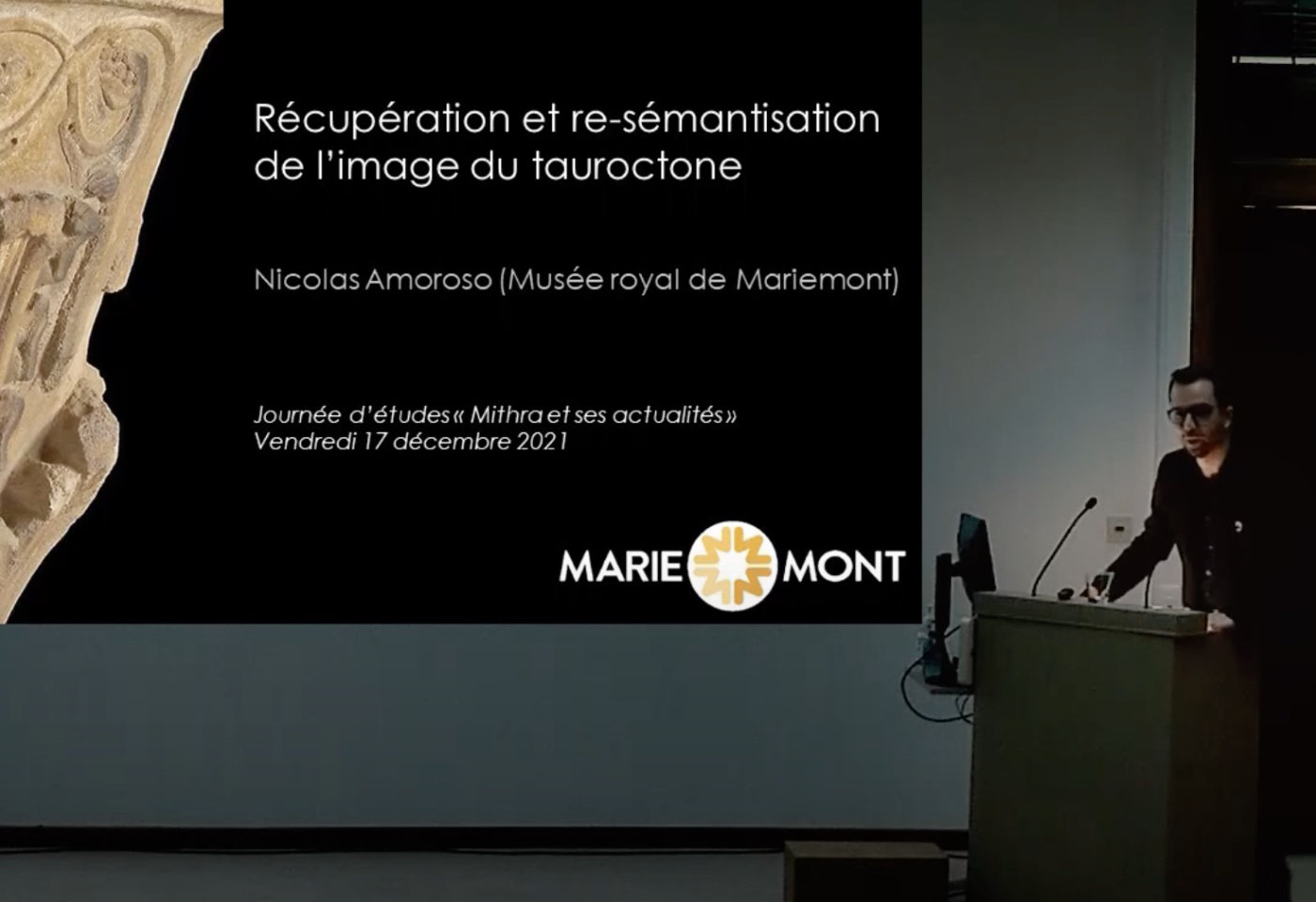
Intervention de Nicolas Amoroso, commissaire de l’exposition Le Mystère Mithra.
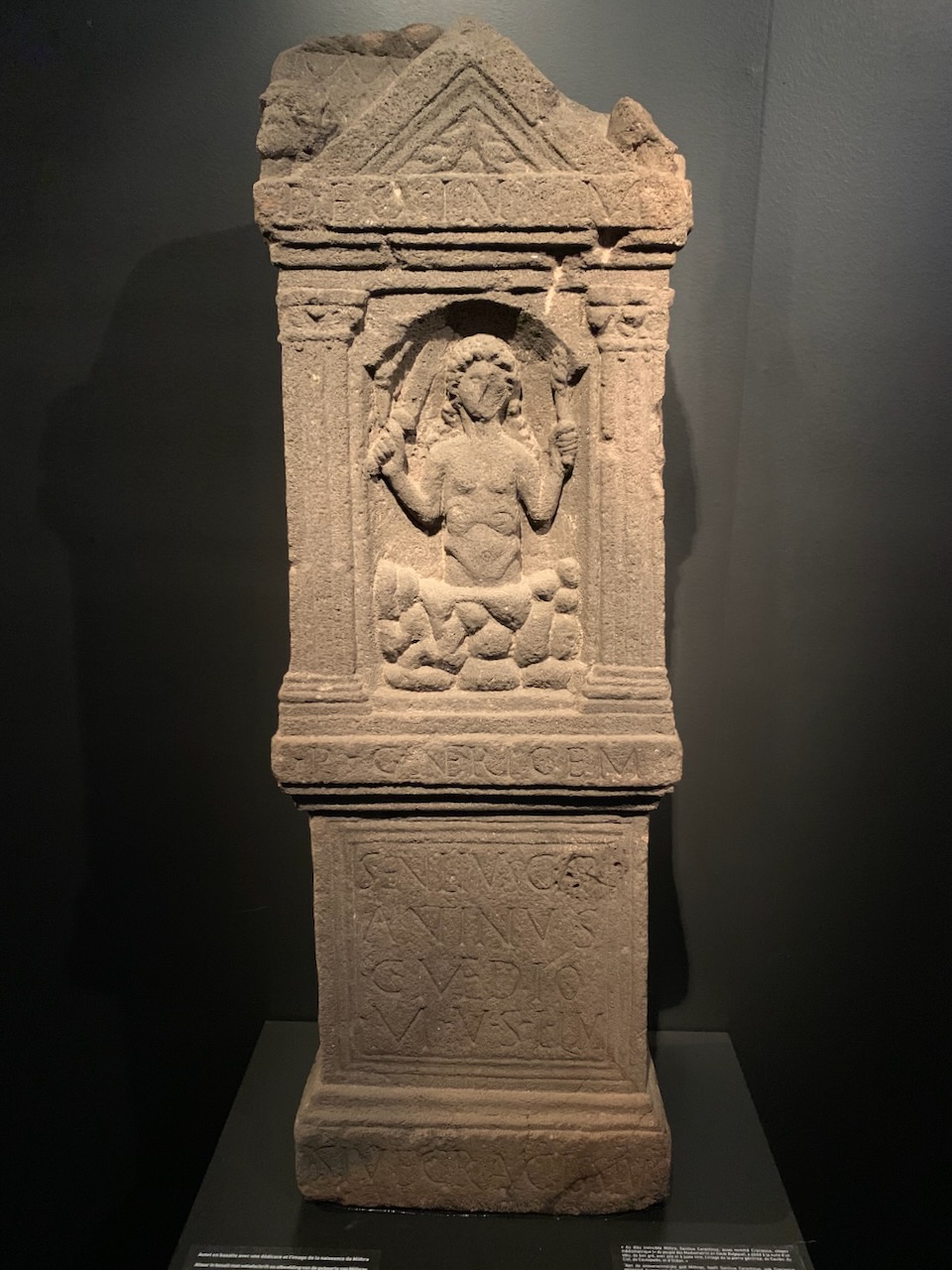
The Mithraic stele from Nida depicts the Mithras Petrogenesis and the gods Cautes, Cautopates, Heaven and Ocean.
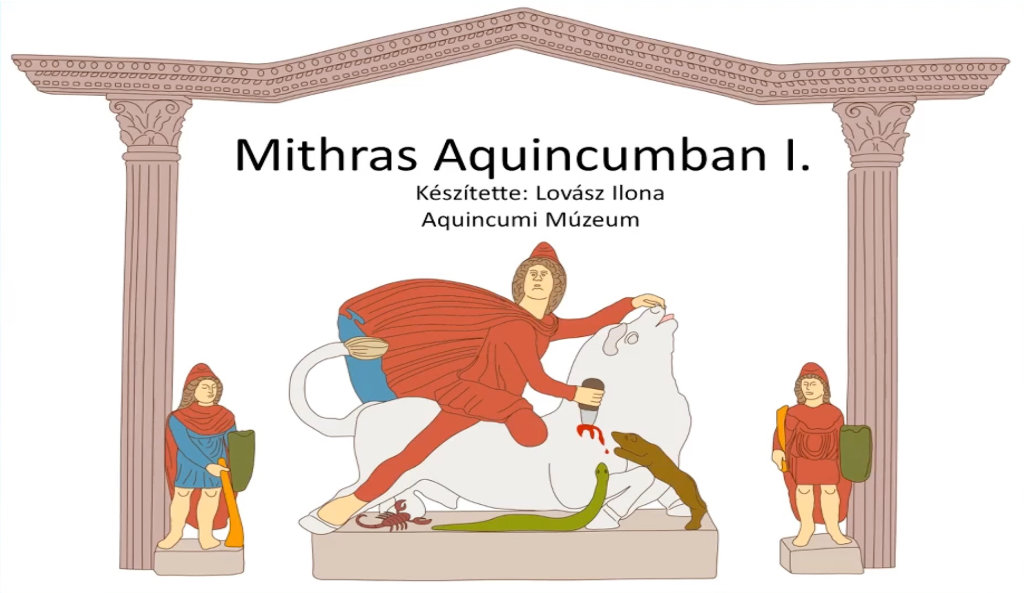
Video report in Hungarian by the Aquincum Museum on the Mithraic discoveries in the region.
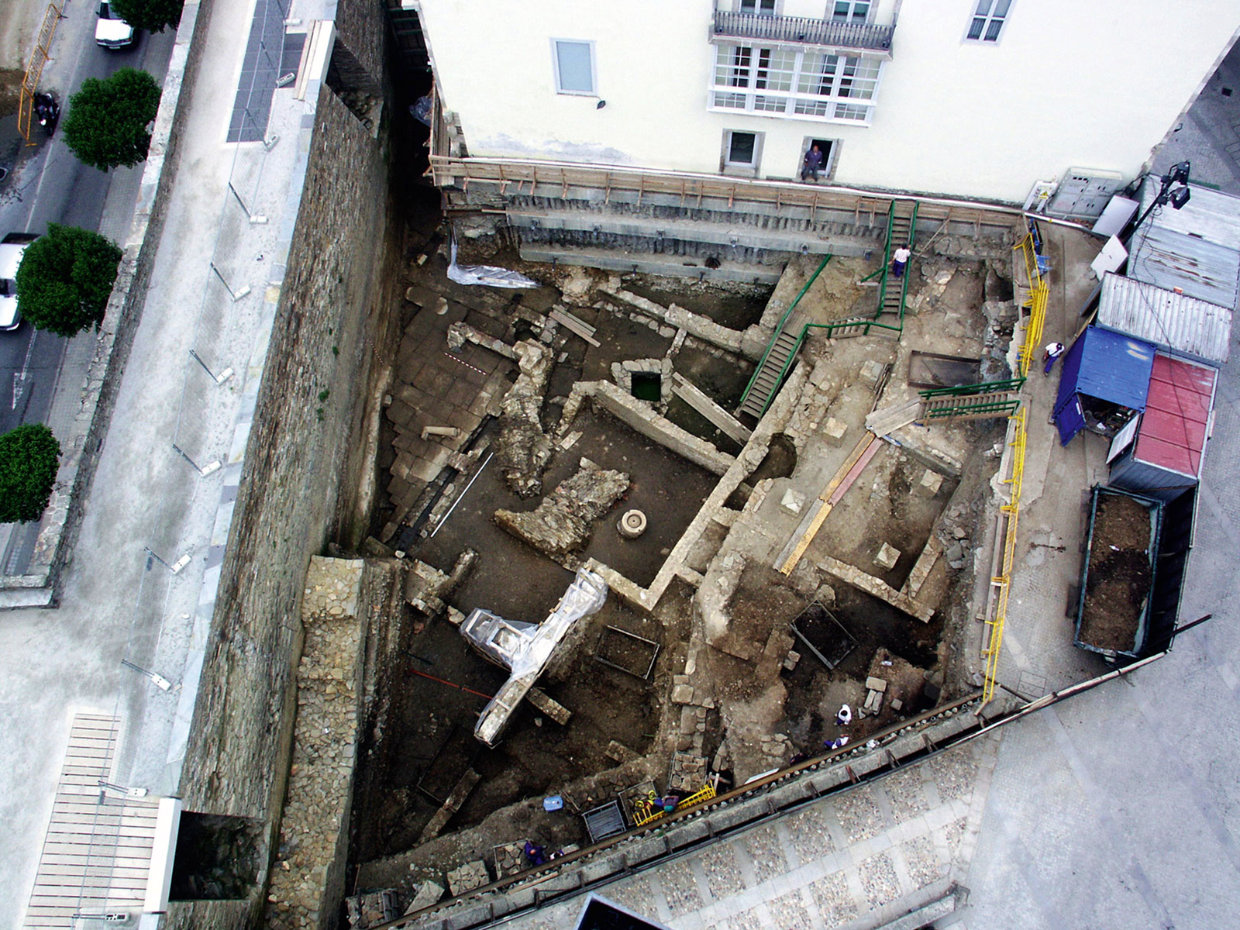
The museum that houses the temple of Mithras has become the most visited Roman space in the city since it opened.
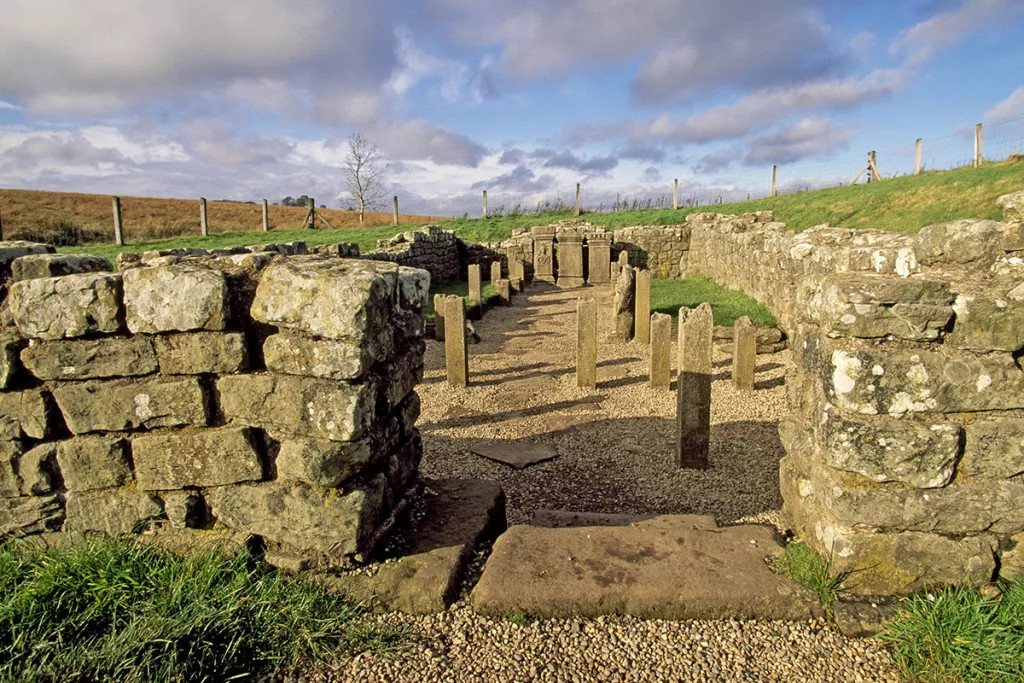
The temple of Mithras disclosed three main stages of development, the second exhibiting two reconstructions.

Partial list of Mithraic initiatory grade titles attested in inscriptions from the Mithraeum of Dura-Europos.
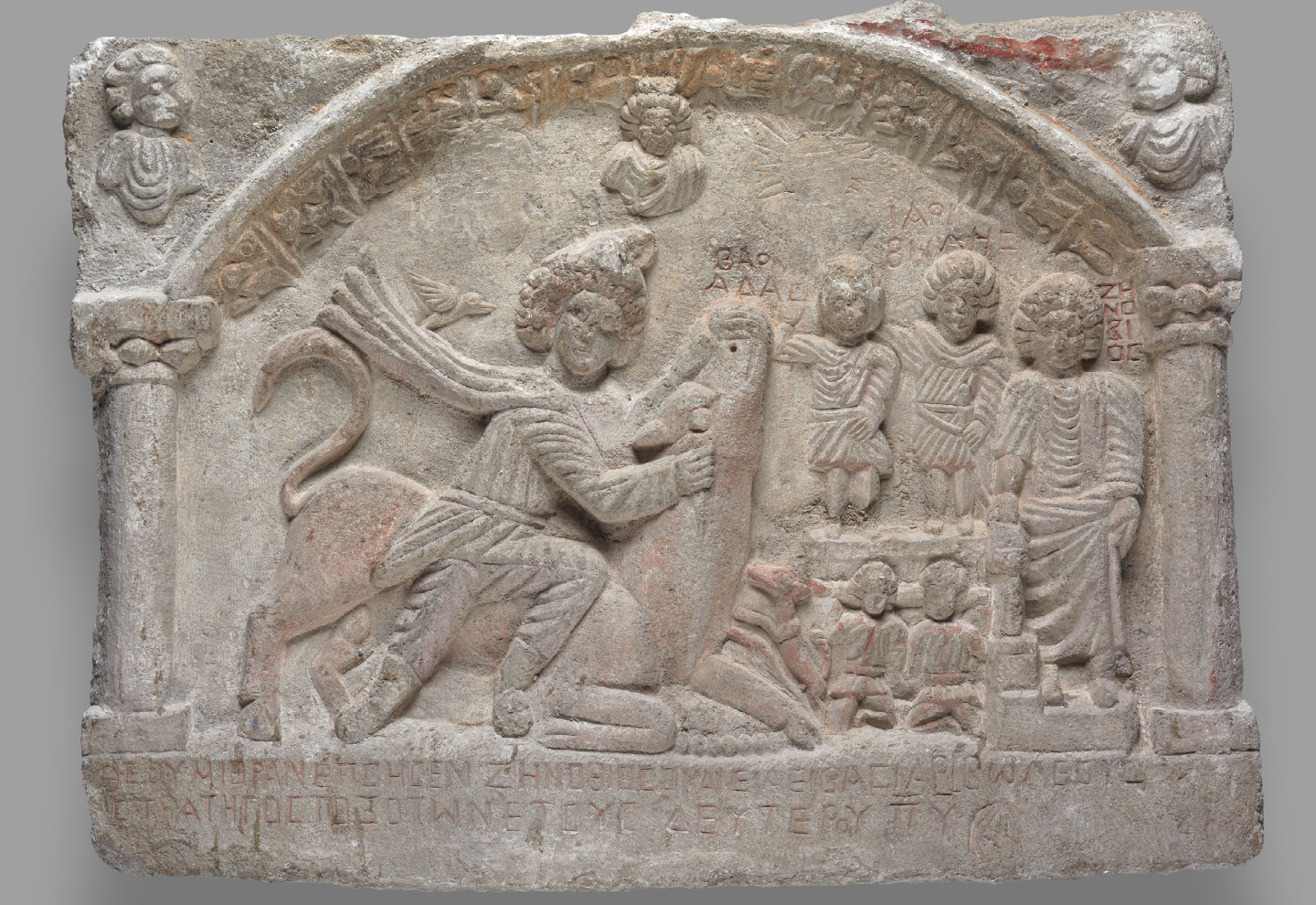
The main relief of Mithras killing the bull from the Mithraeum of Dura Europos includes three persons named Zenobius, Jariboles and Barnaadath.