Your search Jan Theo Bakker gave 214 results.

The existence of a mithraeum in the "tana del lupo", a natural cave in the castle of Angera, has been assumed since the 19th century, following the discovery of two mithraic inscriptions in the town.
The Mysteries of Mithras is an independent Initiatic Order which is inspired by and uses the allegory of the lost and ancient Mithraic Mysteries also known as Mithraism a previously influential Roman Cult of the same name.
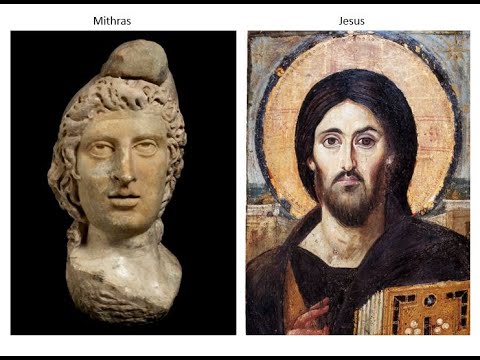
Mithraic Influence on Early Christian Symbolism and Church – Architecture

Over the last century or so, a great deal has been said about the god Mithras and his mysteries, which became known to the European world mainly through his Roman cultus during the Imperial Period.

Ernest Renan suggested that without the rise of Christianity, we might all have embraced the cult of Mithras. Nevertheless, it has had a lasting influence on secret societies, religious movements and popular culture.

Preamble and notes published by G. R. S. Mead in his series Echoes from the Gnosis 1907, London and Benares. Translation of the manuscript by Dieterich Eine Mithrasliturgie 1903, Leipzig.

The Mithraea in the territory of Arupium were first mentioned by Š. Ljubić in 1882.


Laurent Bricault has revolutionised Mithraic studies with the exhibition The Mystery of Mithras. Meet this professor in Toulouse for a fascinating look at the latest discoveries and what lies ahead.
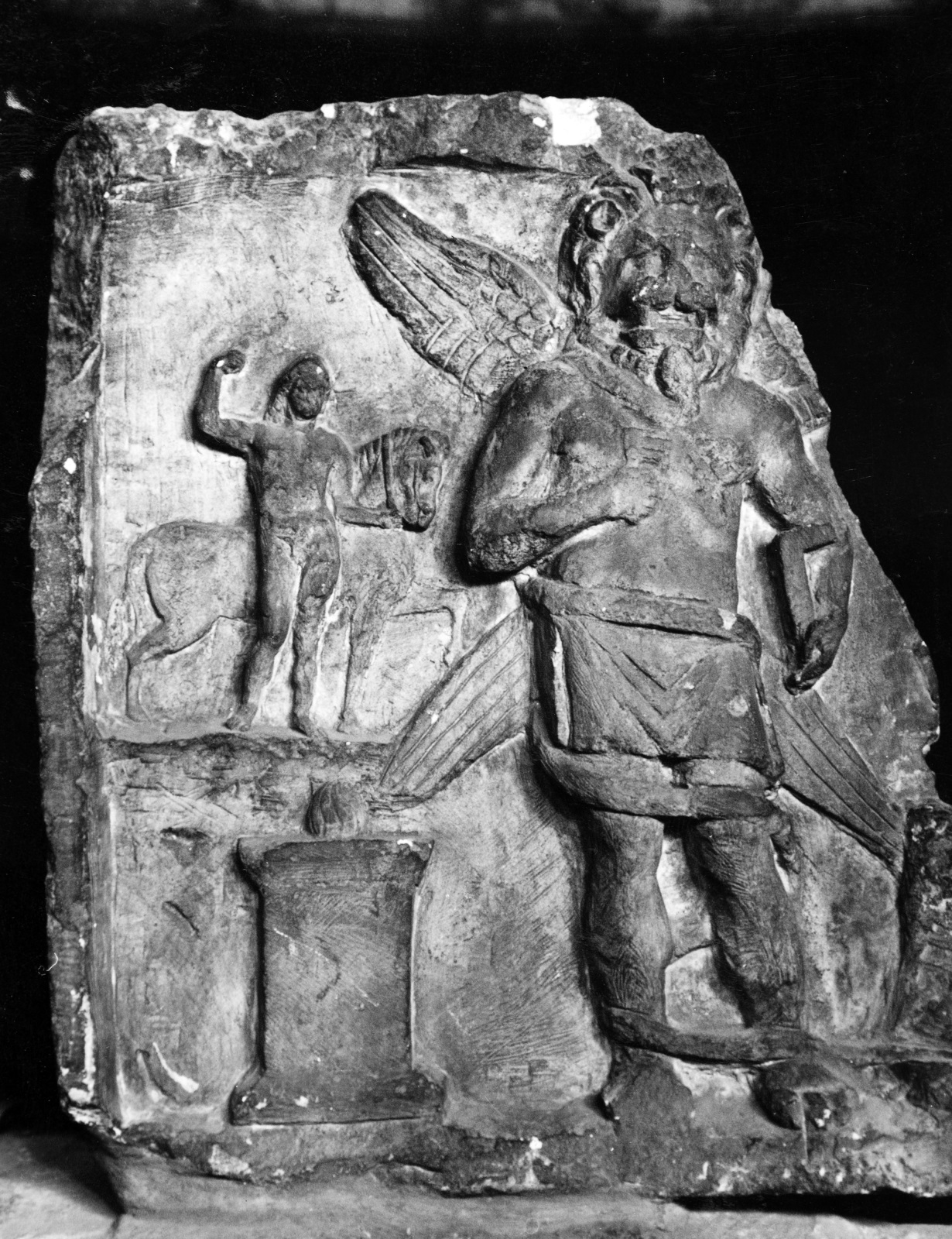
The relief of Aion from Vienne includes a naked youth in Phrygian cap holding the reins of a horse.
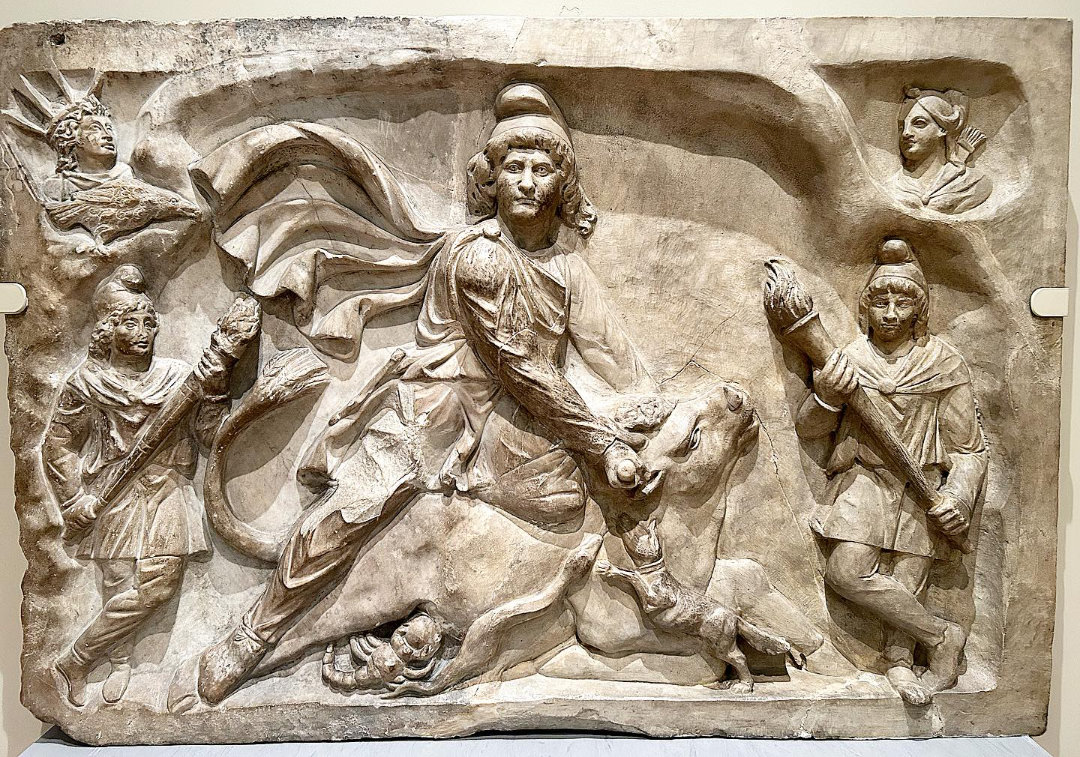
This relief of Mithras killing the bull is on display at the Royal Ontario Museum.
Three larger altars and other finds from the Mithraeum of Jajce, Bosnia and Herzegovina.
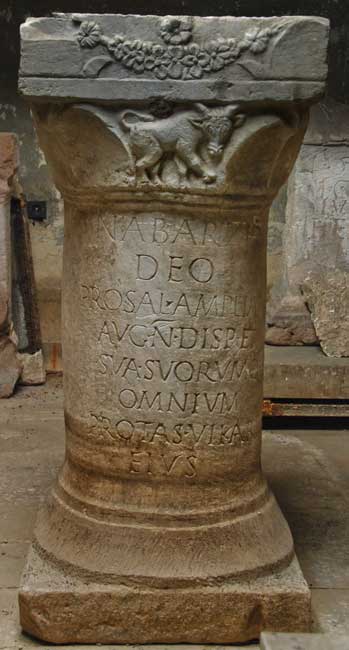
This column found in the Mithraeum of Sarmizegetusa bears an inscription to Nabarze instead of Mithras.
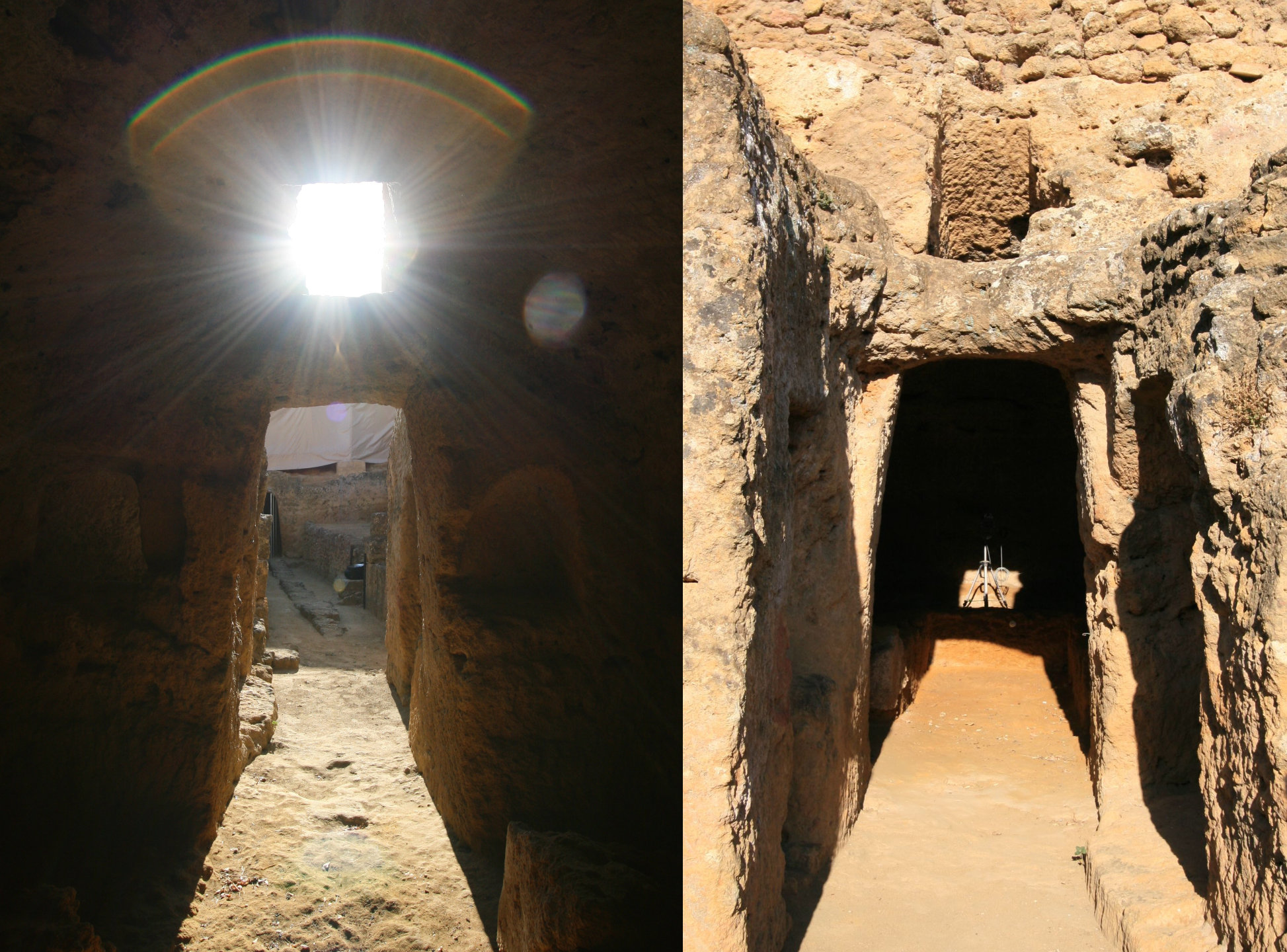
Set in a Roman necropolis, the so-called Mithraeum of the Elephant takes its name from an elephant statue found in one of the tombs.
In the altar that Titus Tettius Plotus dedicated to the invincible God, he called himself pater sacrorum.
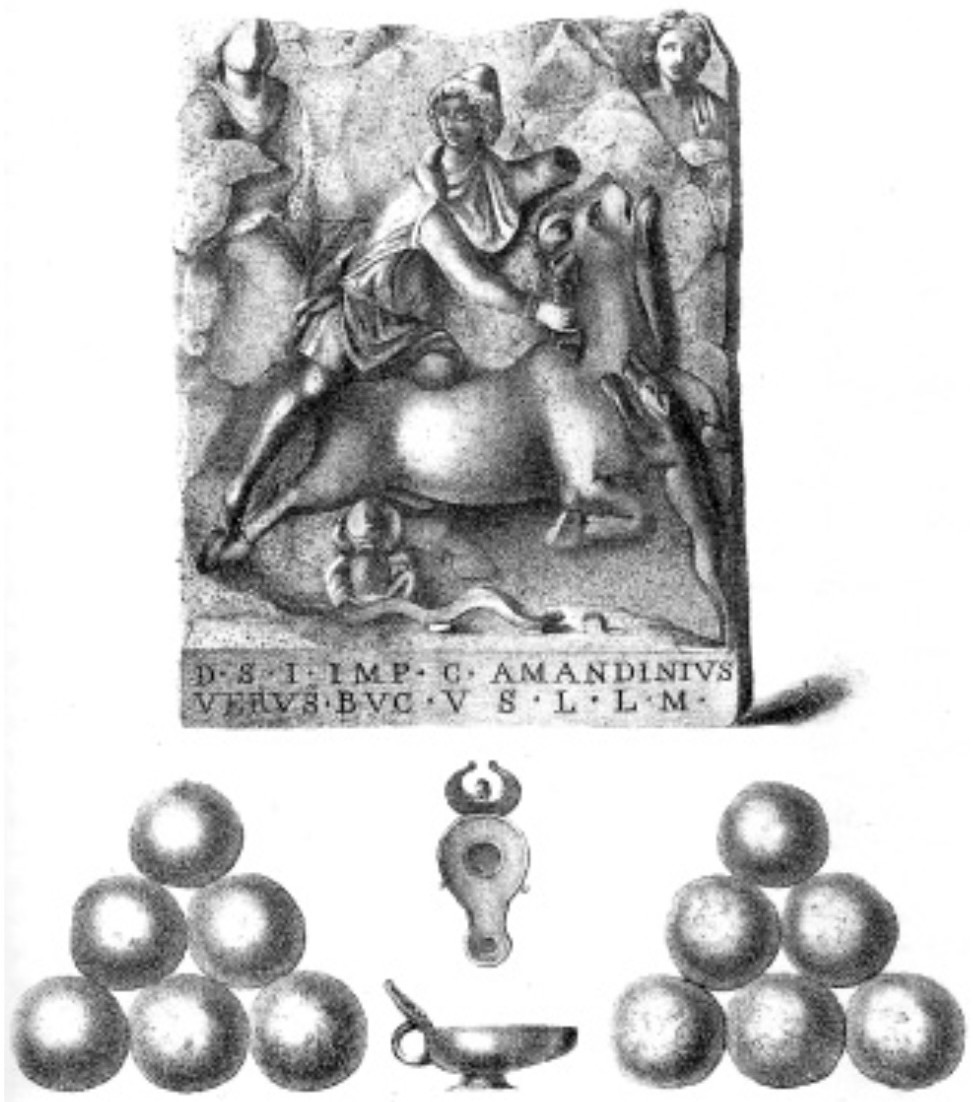
Workman digging in a field near Dormagen found a vault. Against one of the walls were found two monuments related to Mithras.
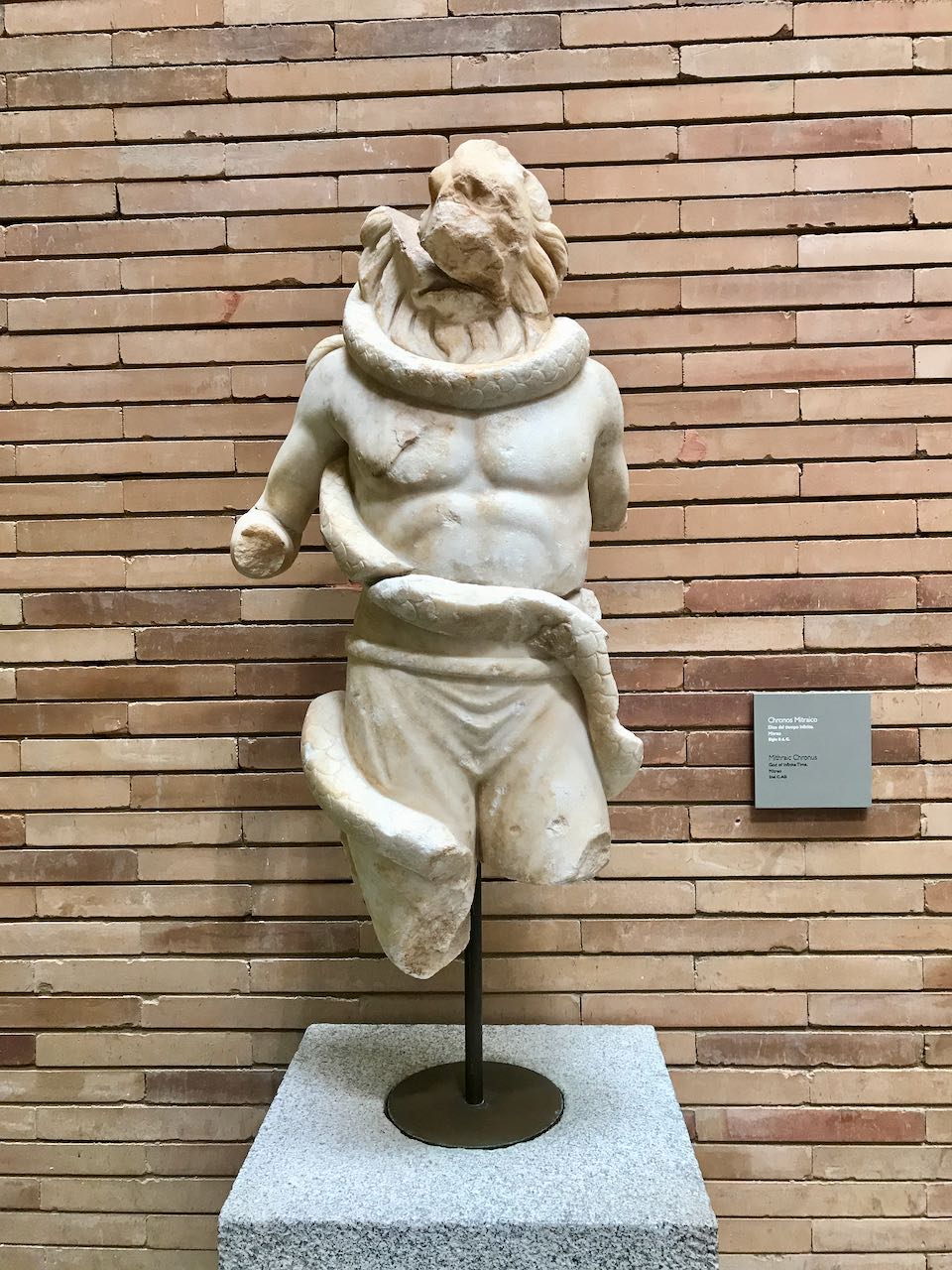
The lion-headed figure, Aion, from Mérida, wears oriental knickers fastened at the waist by a cinch strap.
The Digital Atlas of Roman Sanctuaries in the Danubian Provinces (DAS) is the first comprehensive and open access representation of sacralised spaces in the area.
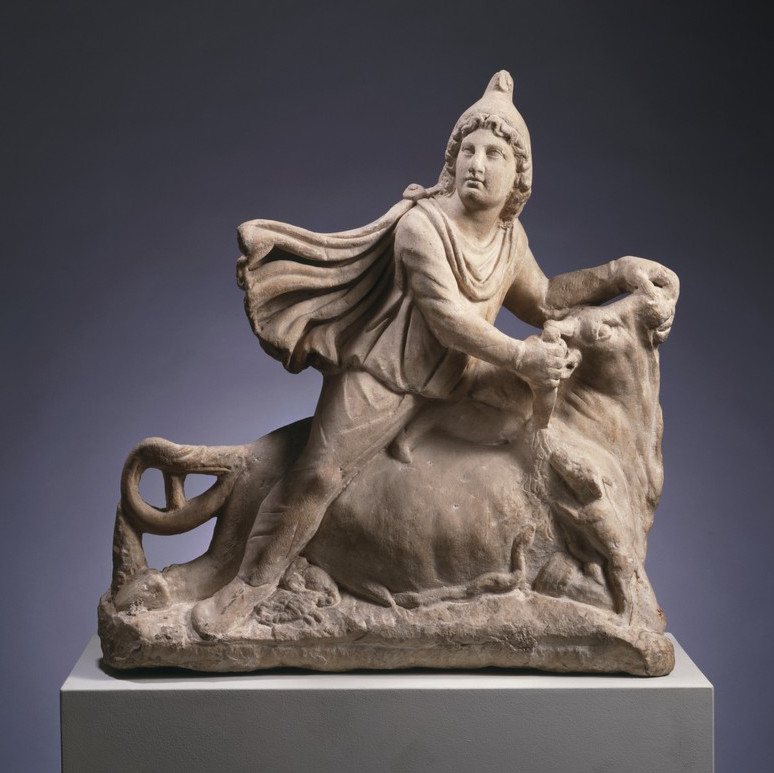
This sculpture of Mithras killing the bull may come from Rome, probably found in 1919.
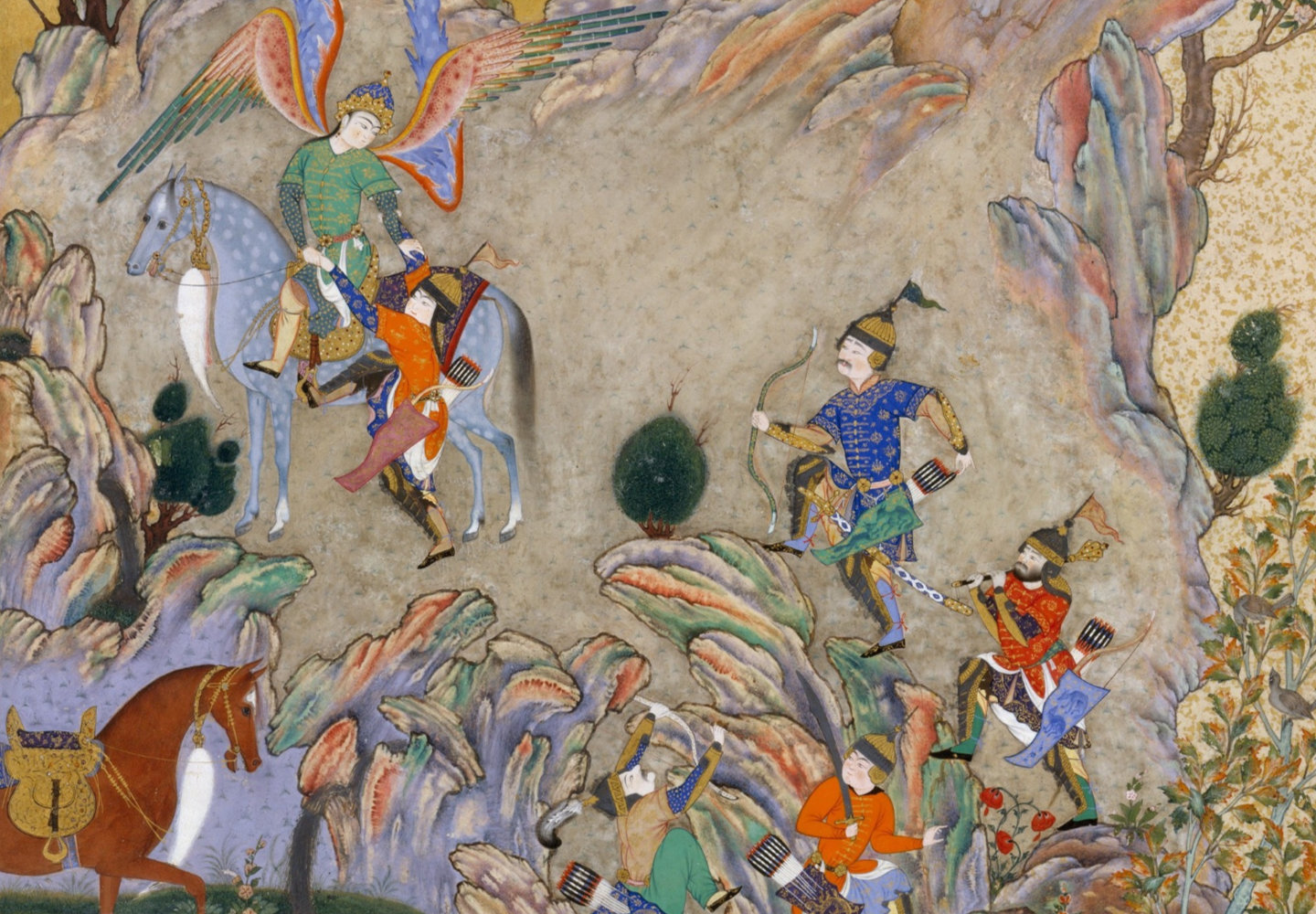
We propose to revisit a passage by the prolific author Marteen Vermaseren that highlights correspondences today forgotten between the Roman Mithras and its Eastern counterparts.
