Your search Jas Elsner gave 34 results.

Limestone altar from the Territorium Troesmense, Moesia Inferior, dedicated to Invicto Mithrae sacrum by Lucius Valerius Fuscus, centurion of a legion.
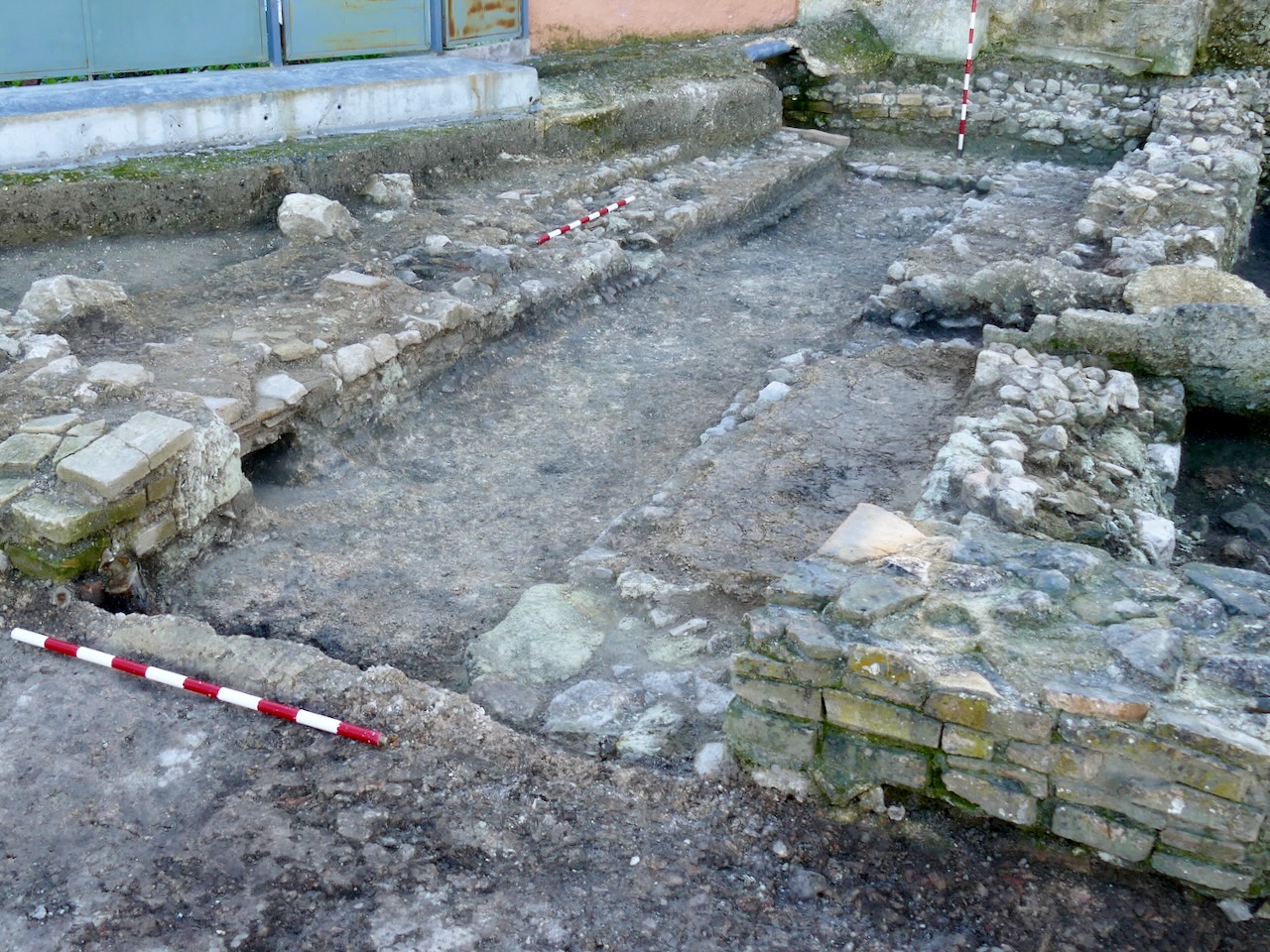
The Mithraeum of Cabra is located in the Villa del Mitra, which owes its name to the discovery in 1951 of a Mithras tauroctonus in the remains of the Roman villa.
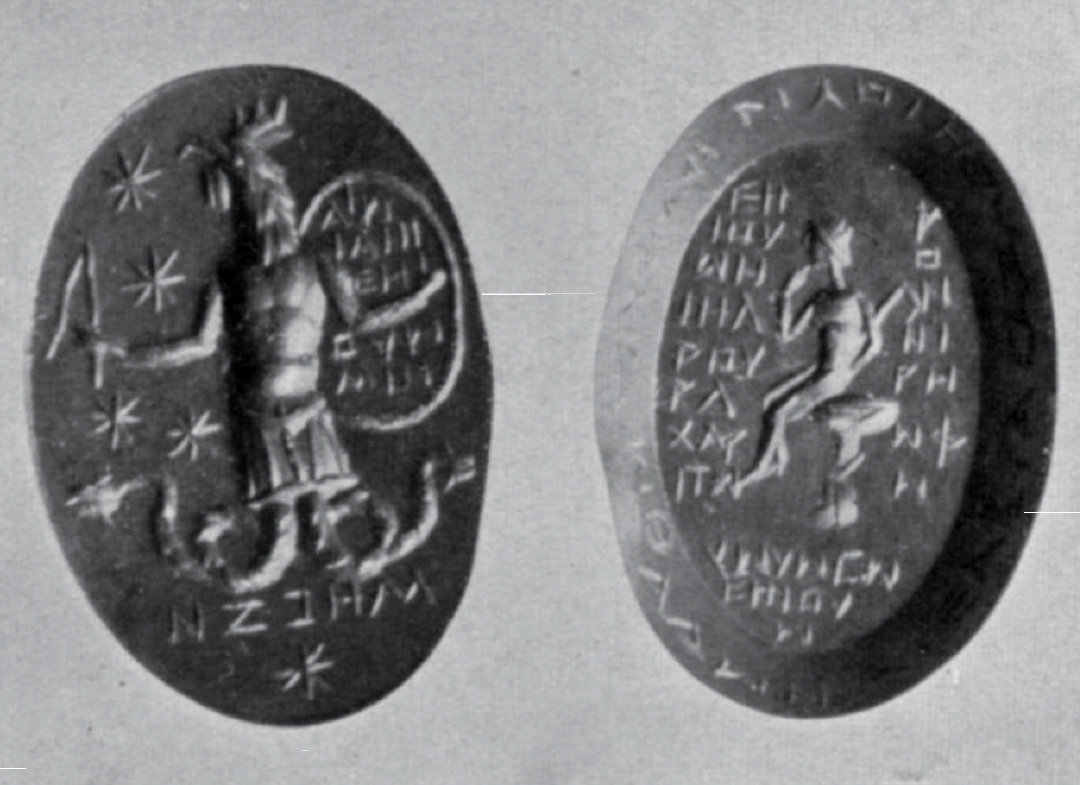
Gnostic amulet found in the ancient Agora of Athens, depicting Abraxas on one side and a Mithraic inscription on the other.
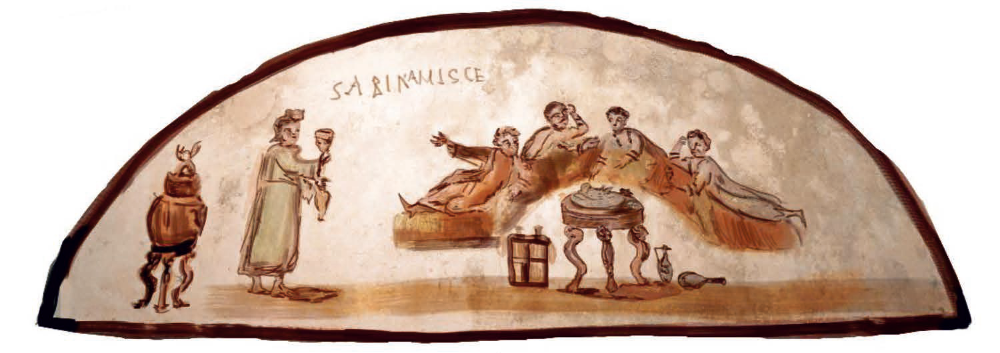
A dinner scene with Sabina from the Catacombe dei Santi Marcellino e Pietro, near Rome, may have been commissioned by a follower of Mithras.
At Rome’s twilight, amid political upheaval and Christian ascendancy, Vettius Agorius Praetextatus embodied pagan intellect, virtue, and authority across senatorial, military, and mystical spheres.
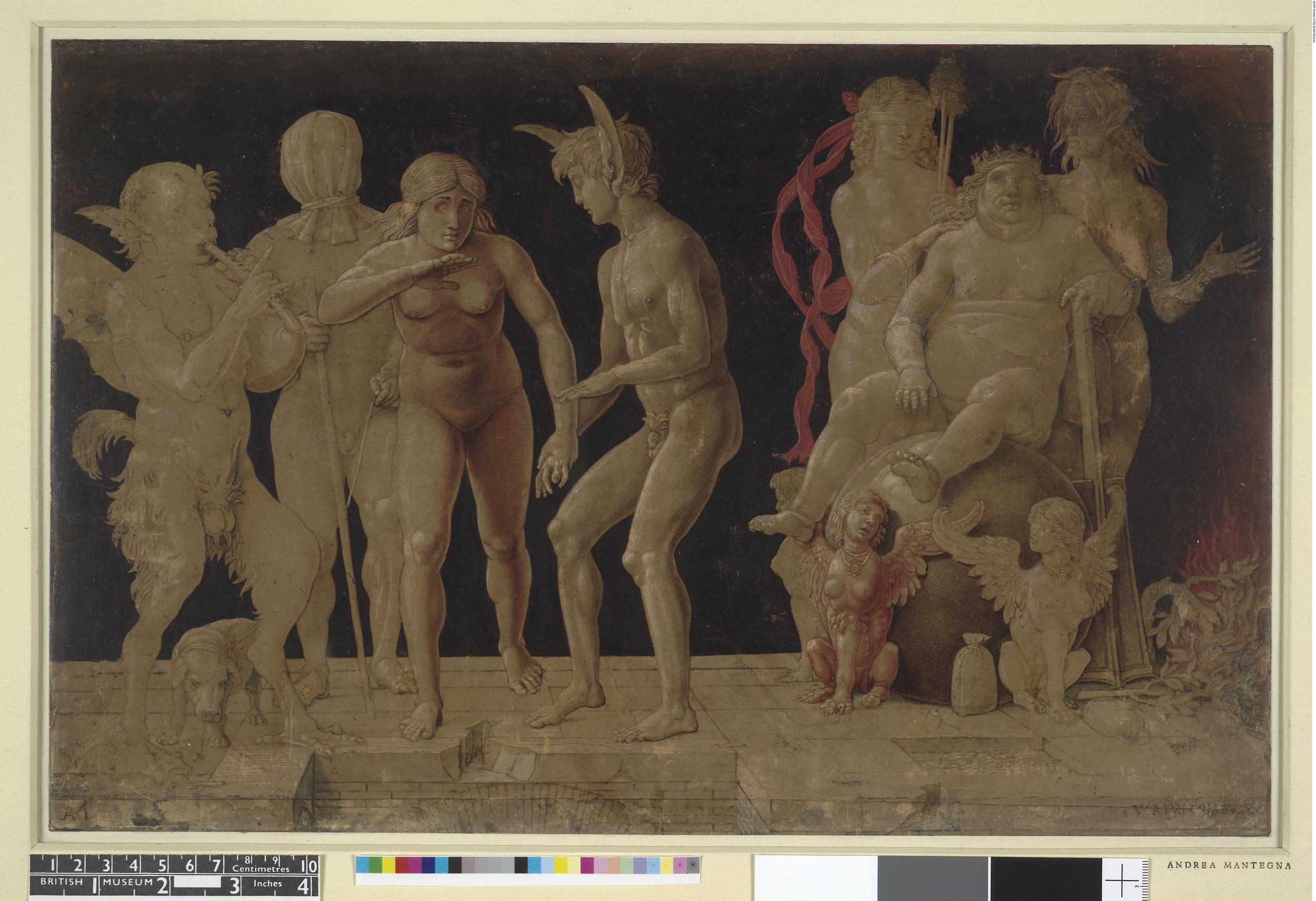
The Cilician pirates incorporated significant divine feminine elements, notably Anahita, into their Mithraic practices, profoundly influencing the initiation rites within the Roman Empire.

Tracing the links between the cult of Mithras and the Proud Boys’ quest for identity, power, and belonging. How ancient rituals and brotherhood ideals resurface in radical modern movements.

This gemstone depicting Mithras killing the bull, preserved in the Ploiești Museum, originated from Prahova County or south of the Danube area.
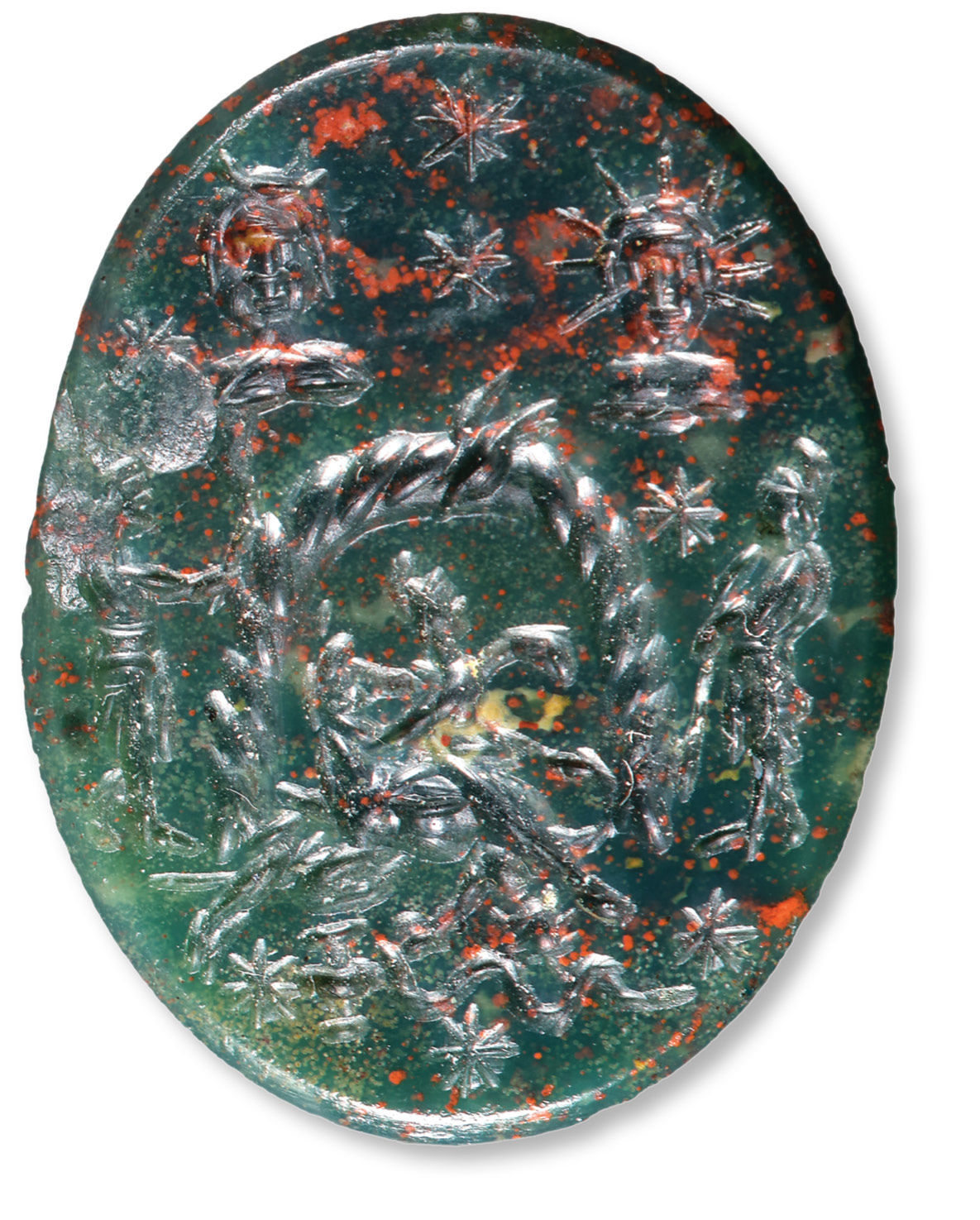
This heliotrope gem, depicting Mithras slaying the bull, dates from the 2nd-3rd century, but was reused as an amulet in the 13th century.
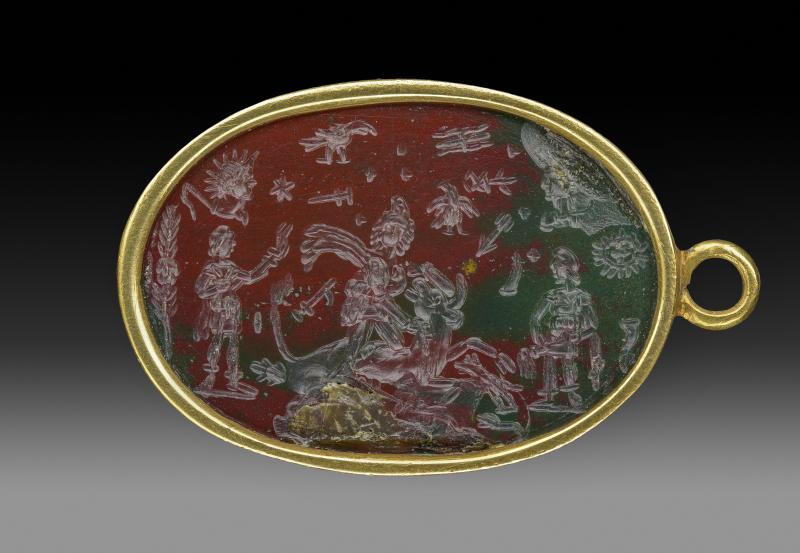
This intaglio portrays Mithra slaying the bull on one side, and a lion with a bee, around seven stars, and inscription, on the other.
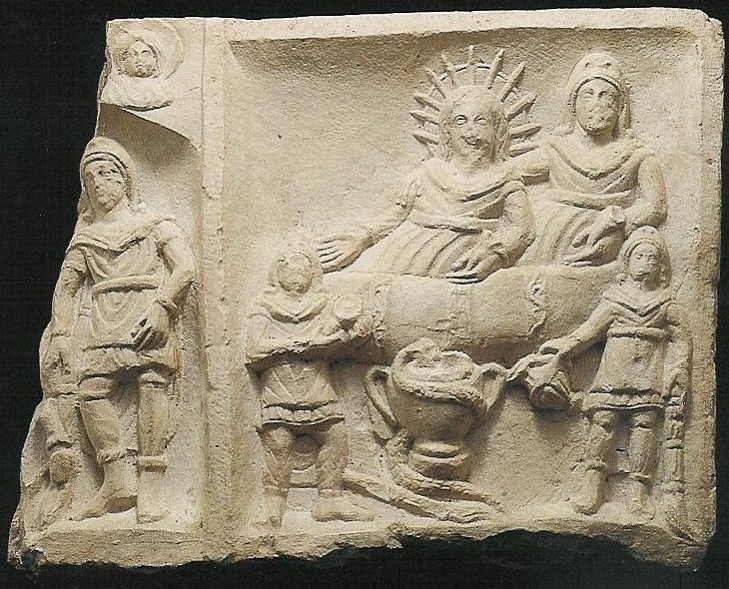
The remains of the mithraic triptic of Tróia, Lusitania, were part of a bigger composition.
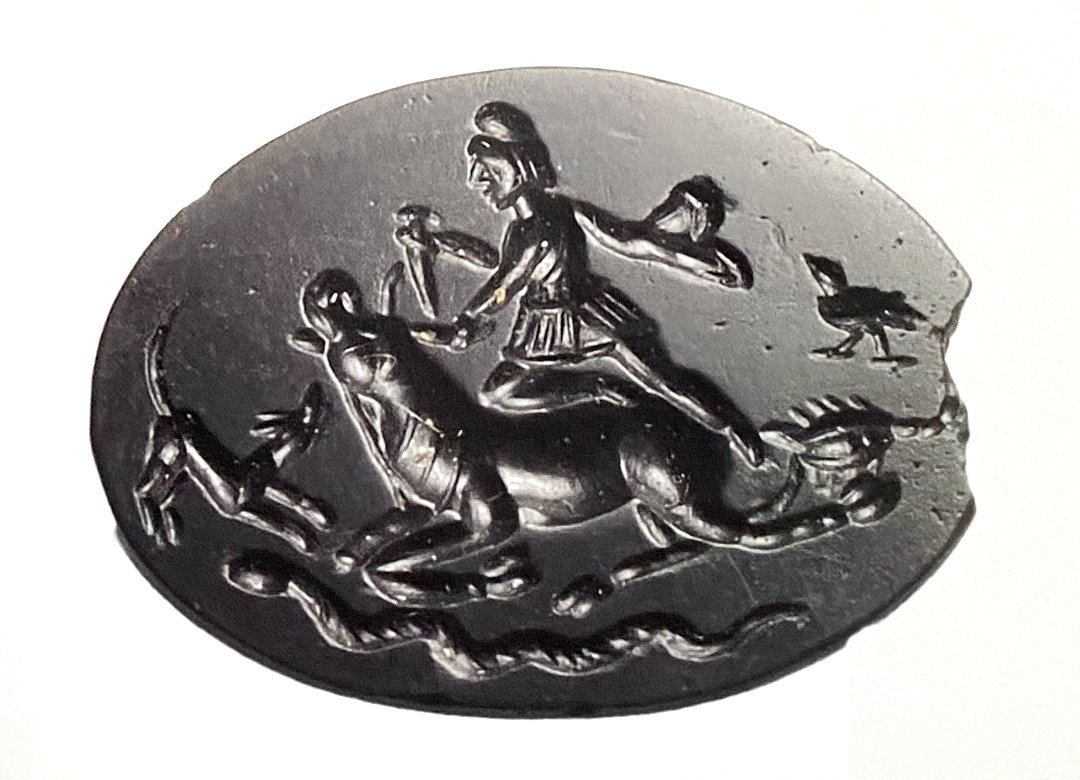
This intaglio with Mithras killing the bull on one side and Kabiros on the other was probably used as a magical amulet.
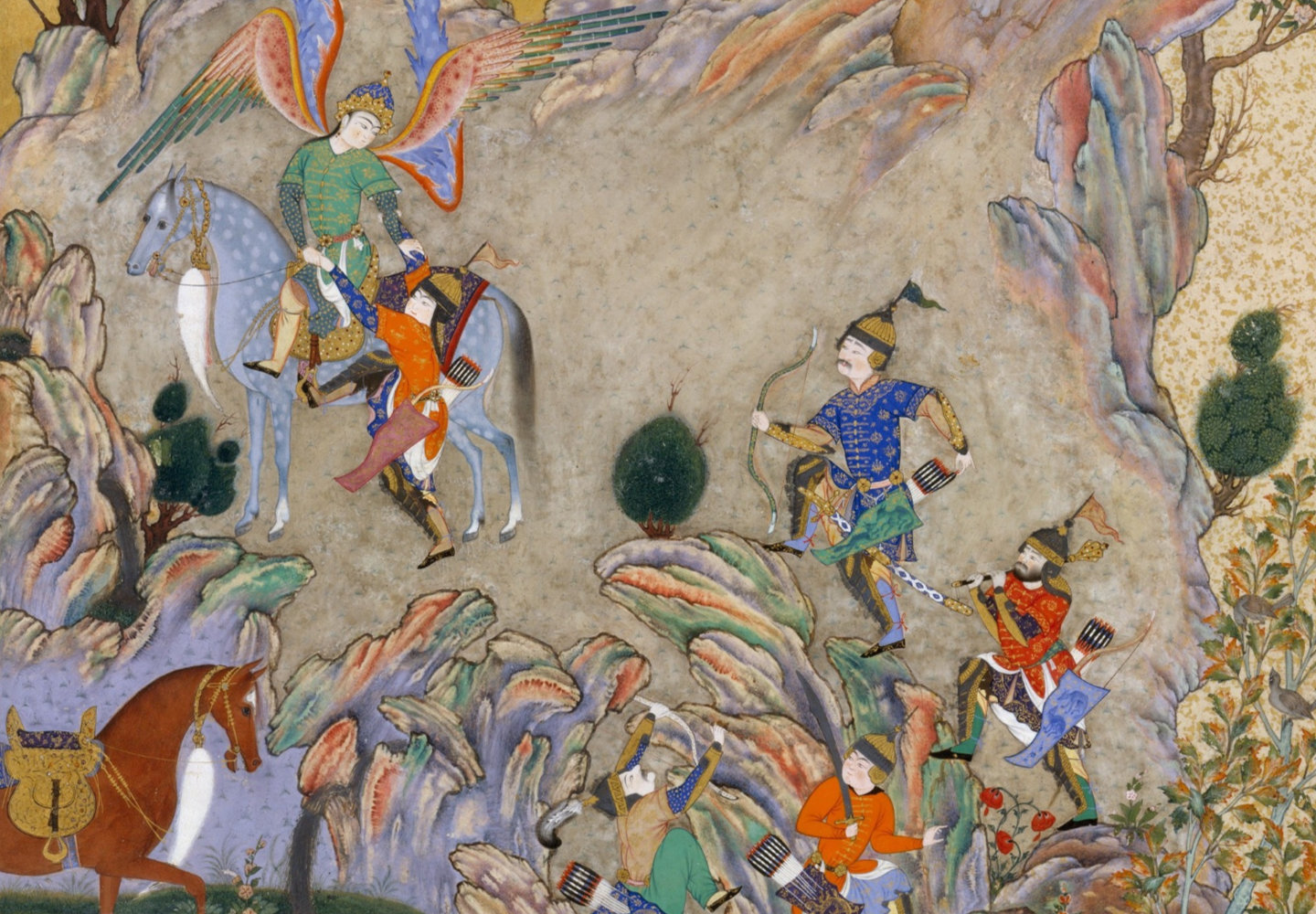
We propose to revisit a passage by the prolific author Marteen Vermaseren that highlights correspondences today forgotten between the Roman Mithras and its Eastern counterparts.
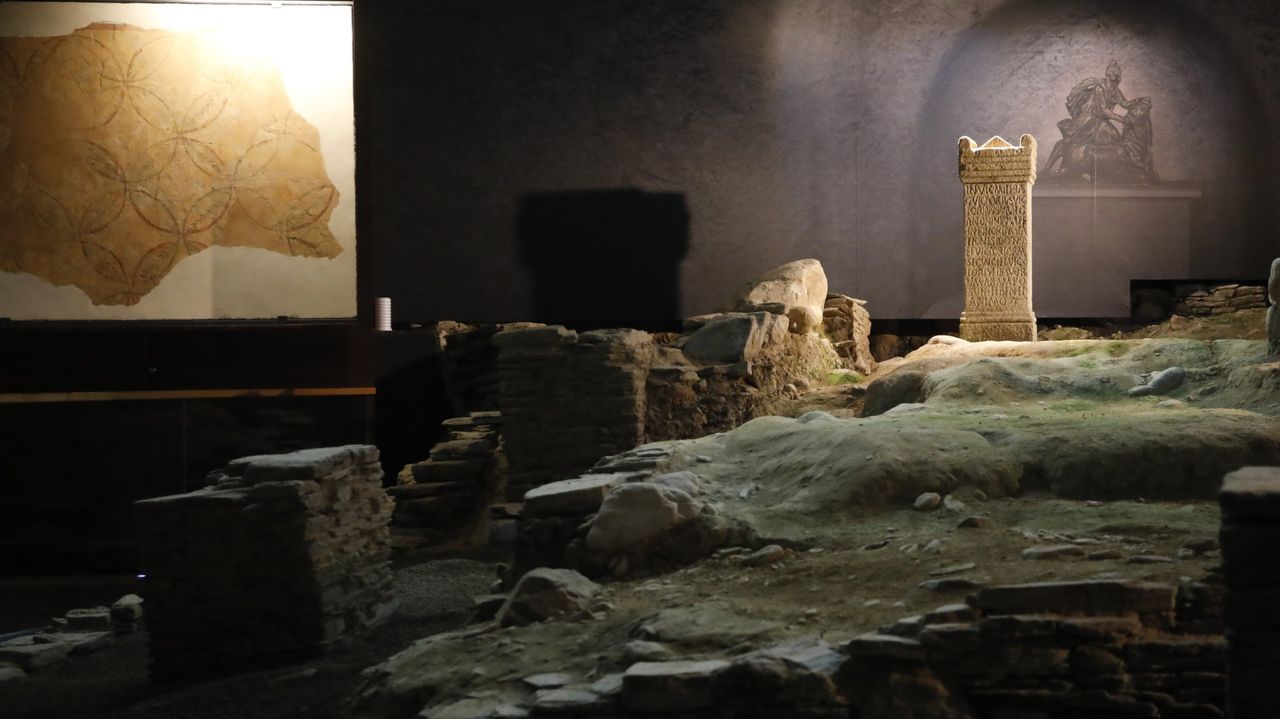
La Domus de Mitreo y el Centro Arqueolóxico de San Roque muestran otra cara del viejo Lugo
