Your search Kadin Most gave 395 results.
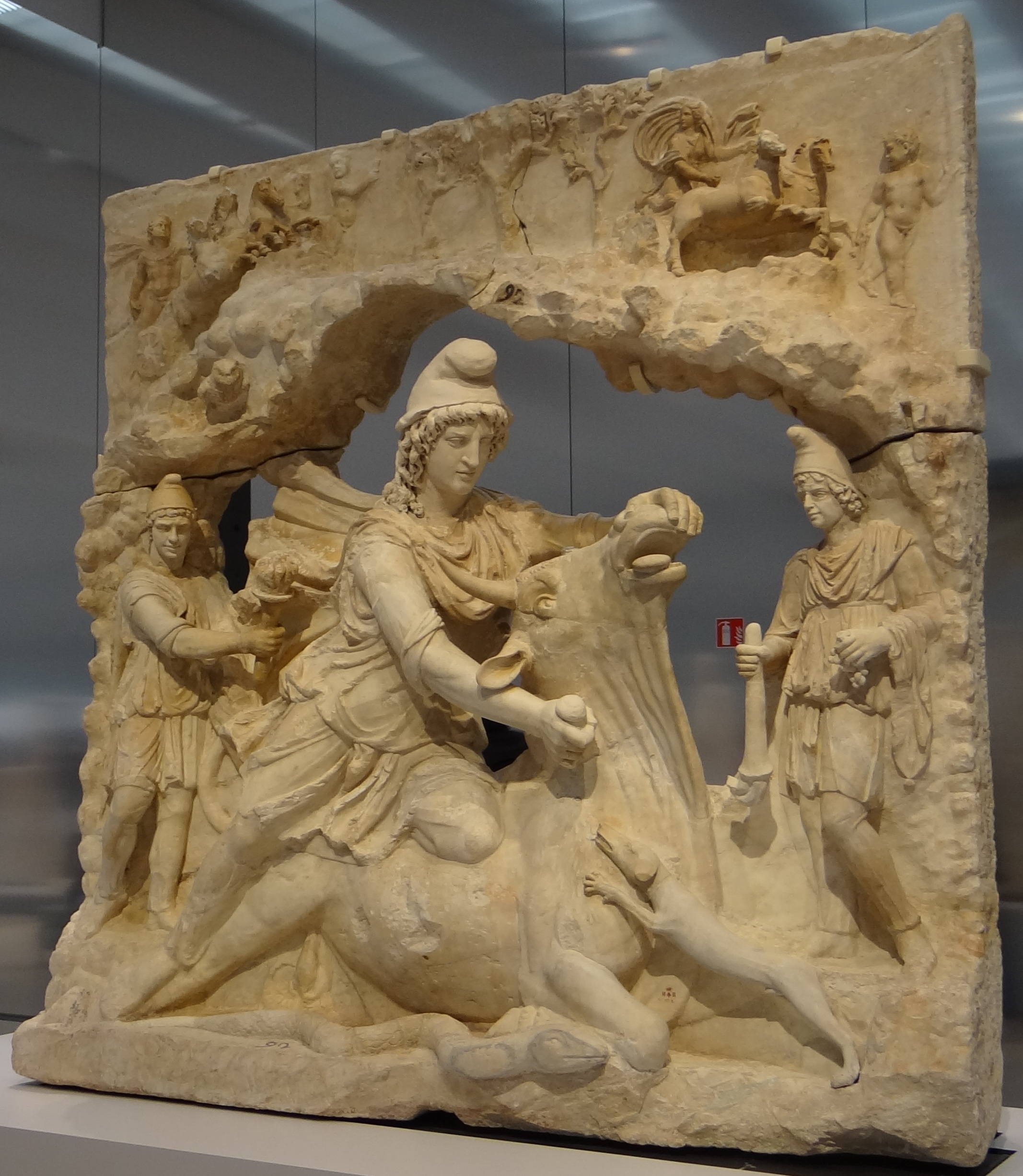
This relief of Mithras slaying the bull was erected in Piazza del Campidoglio, moved to Villa Borghese and is now in the Louvre Museum.
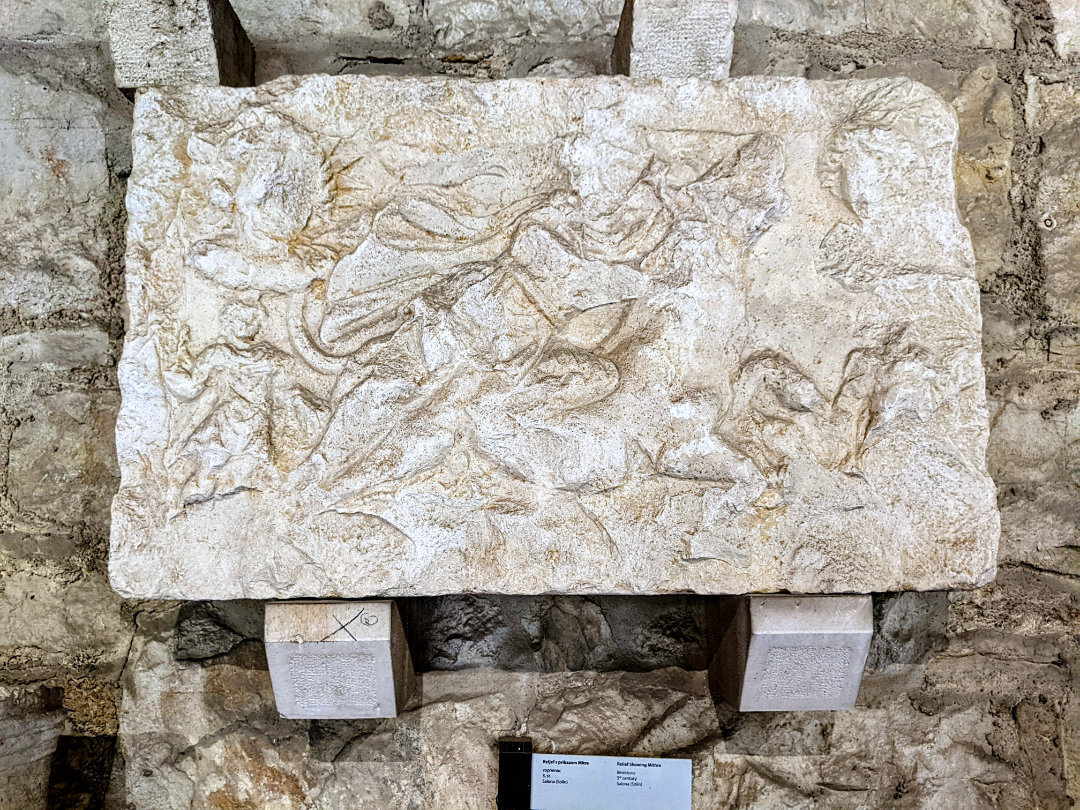
This relief of Mithras killing the sacred bull was found in 1908 near Klisa, in the surroundings of Salona, the ancient capital of Roman Dalmatia.
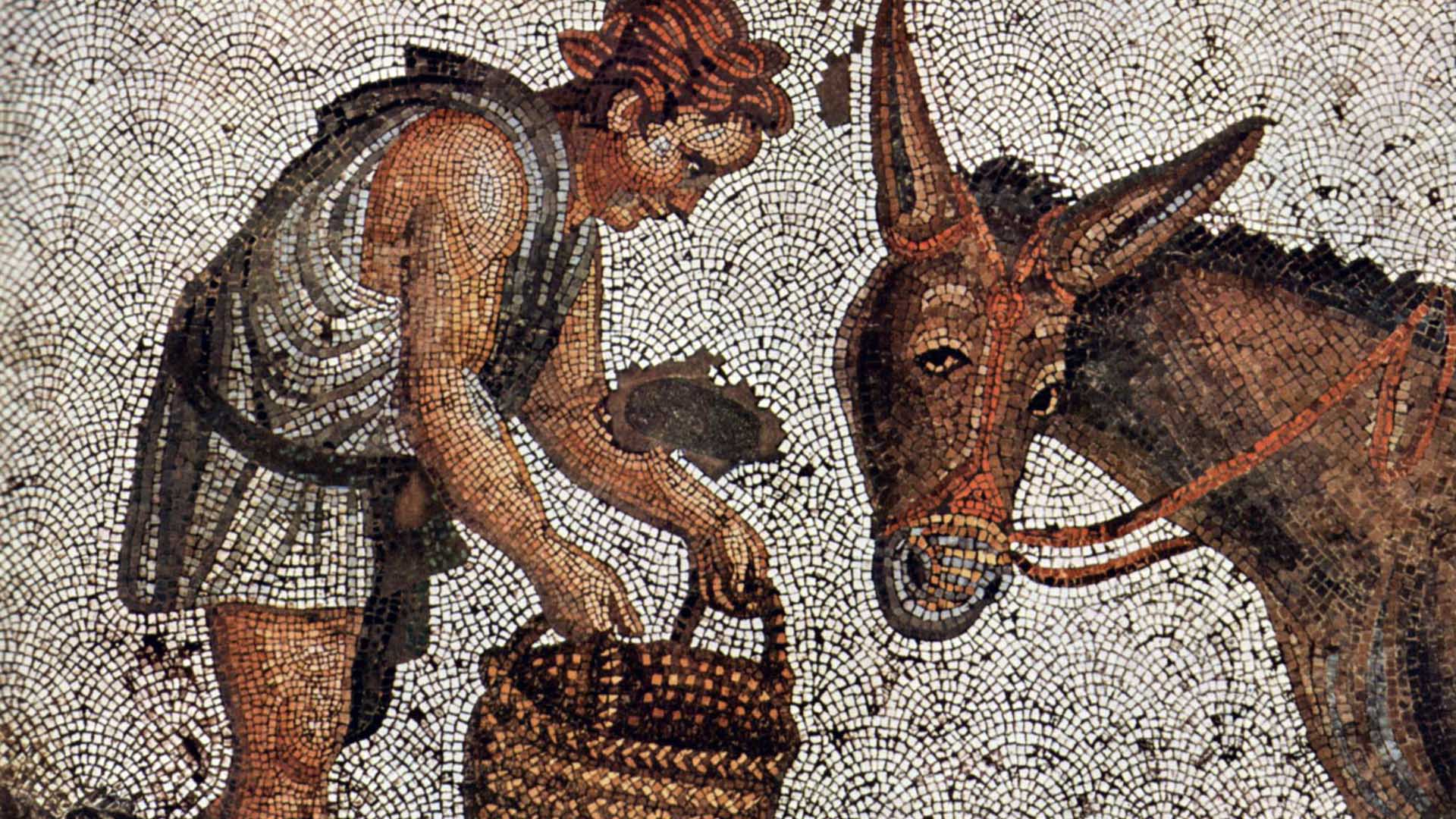
The concluding book of Apuleius’ Golden Ass (or Metamorphoses), where Lucius, the story’s protagonist, undergoes initiation into the mysteries of Isis and Osiris.
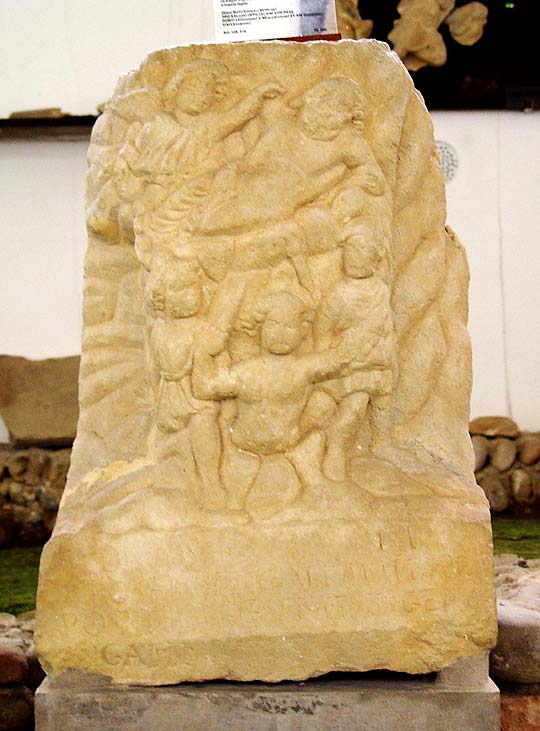
Cautes and Cautopates attend the birth of Mithras from the rock in the Petrogenia of the third Mithraeum of Ptuj.
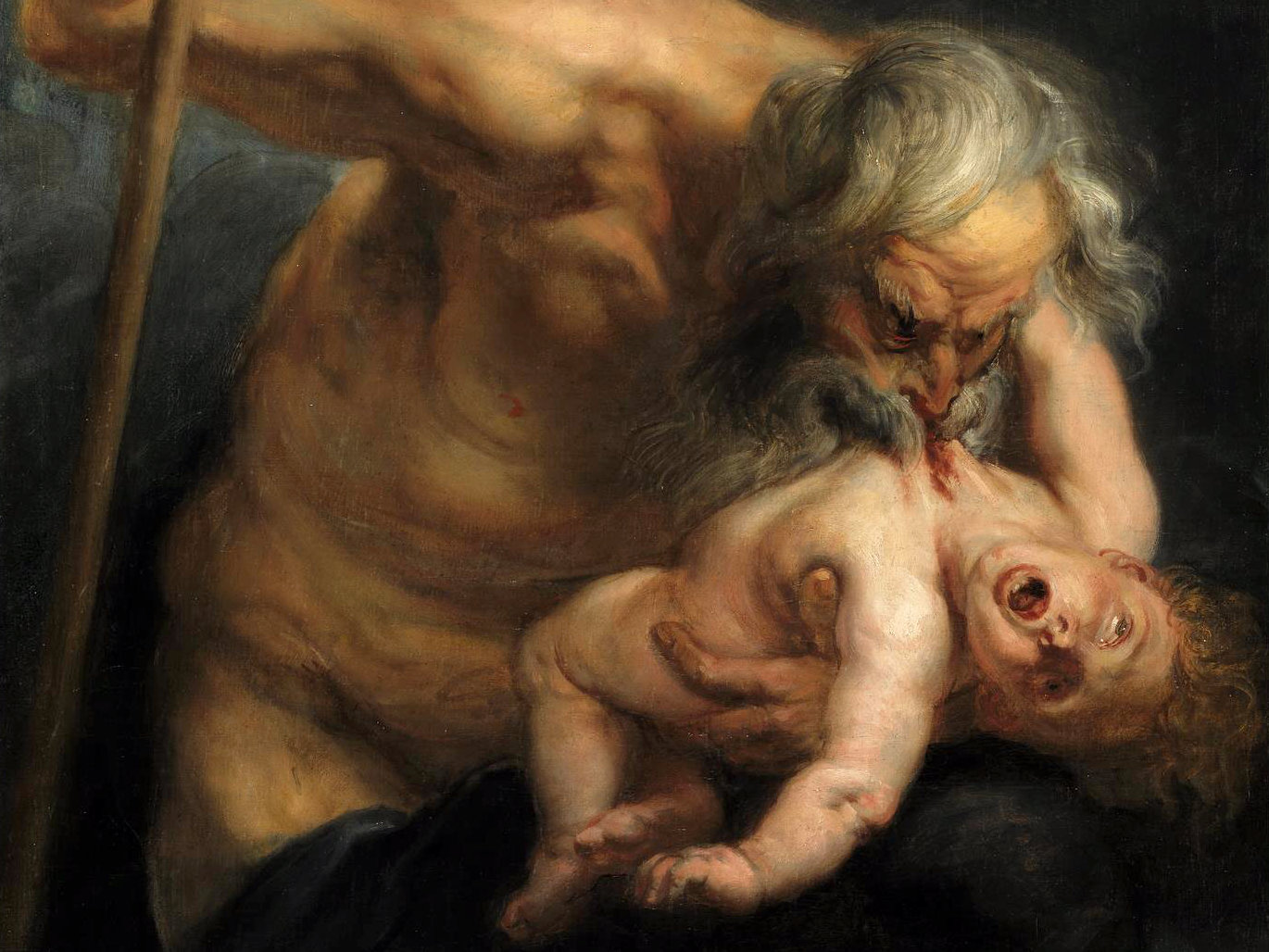
It is well known that Mithras was born from a rock. However, less has been written about the father of the solar god, and especially about how he conceived him.
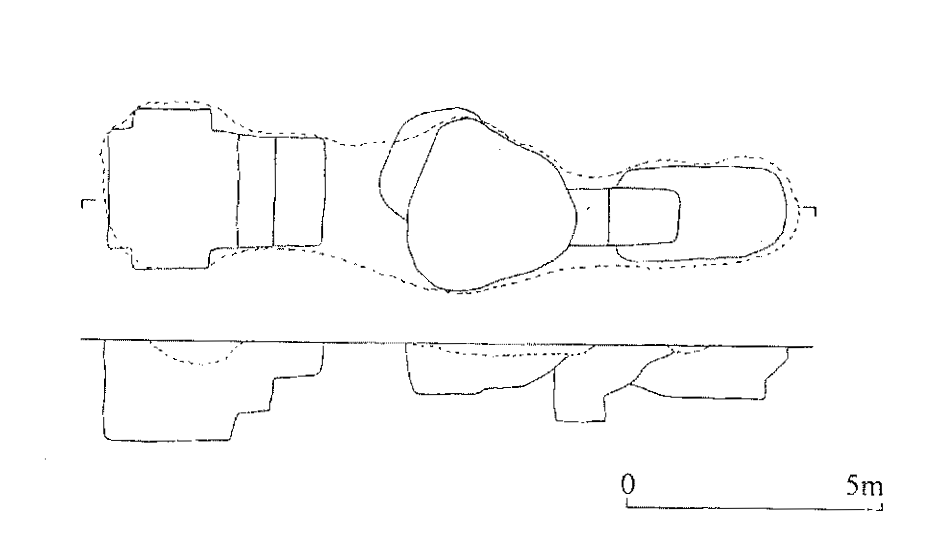
The temple contained hundreds of ceramic vessels and animal bones, which may indicated that a grand Mithraic feast was celebrated before its closing.


On the occasion of the discovery of a Mithraeum in Cabra, Spain, we talk to Jaime Alvar, a leading figure in the field of Mithraism. With him, we examine the testimonies known to date and the peculiarities of the cult of Mithras in Hispania.
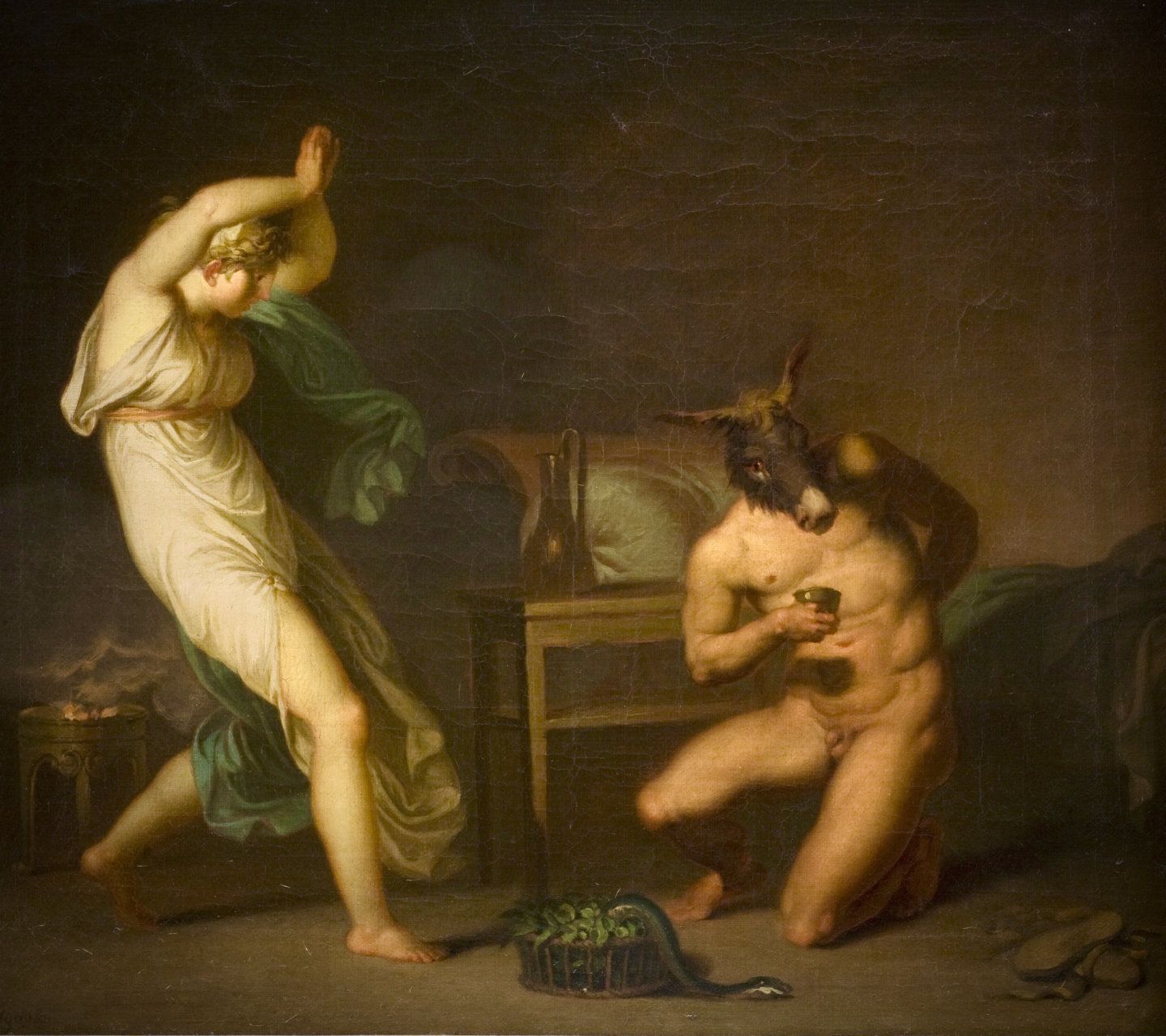
Did Apuleius explain his very own initiation into the Mysteries of Mithras in The Golden Ass? Apuleius' The Golden Ass is one of the most famous and entertaining novels of antiquity. Among his adventures, Lucius is initiated into the mysteries of Isis…
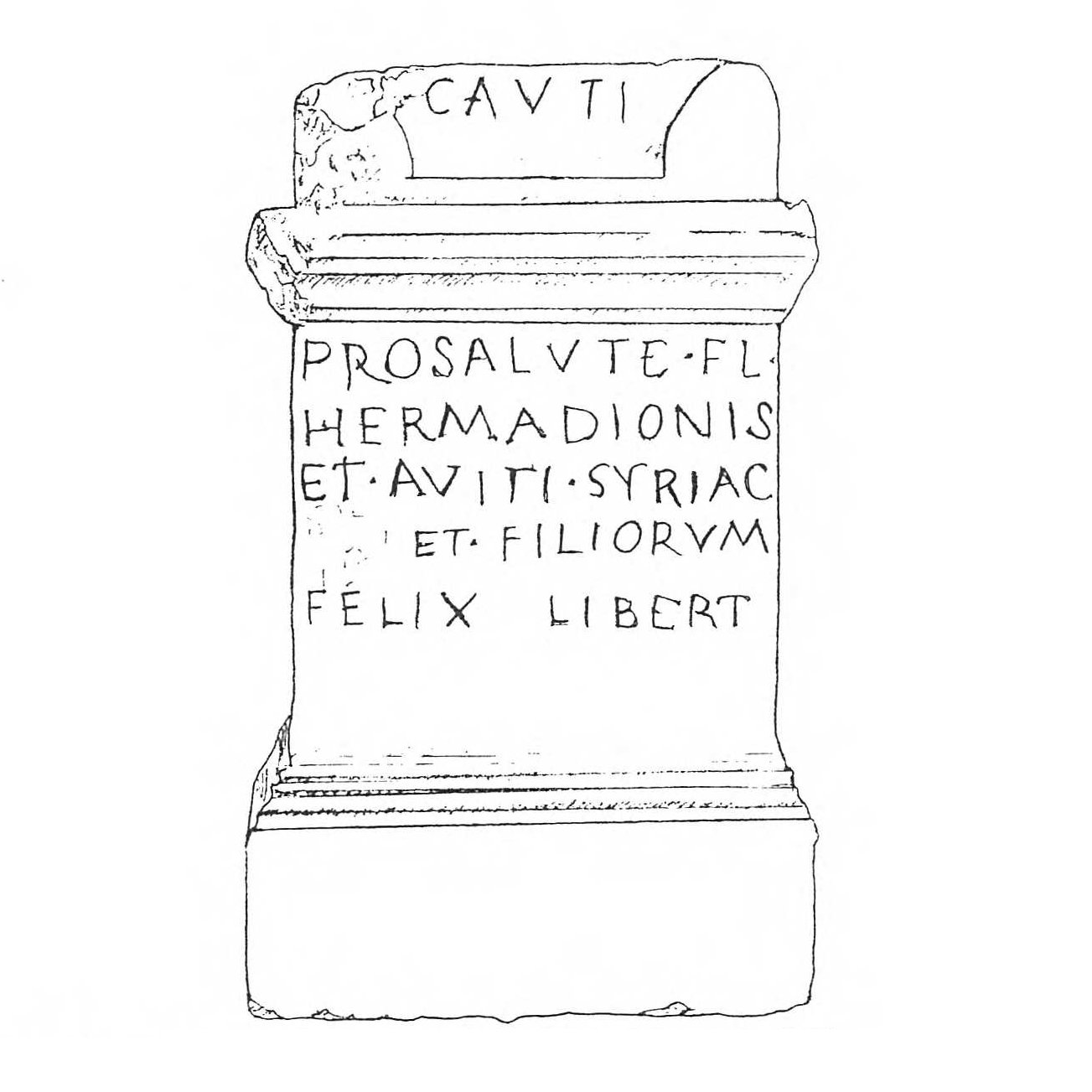
A certain Hermanio has been identified in the dedication of several monuments in different cities in Dacia and even in Rome.
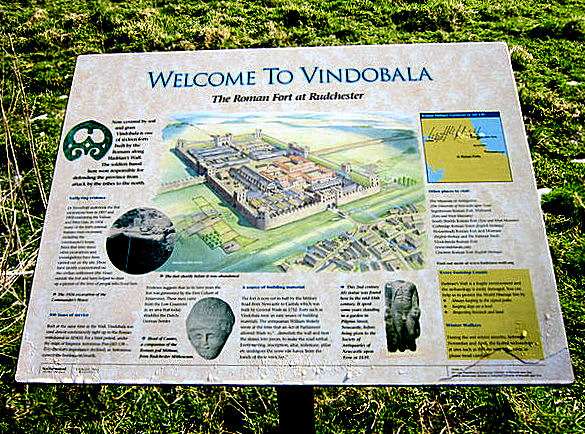

This inscription reveals the names of 36 cultori of Sentinum, one of whom bears the title of pater leonum.
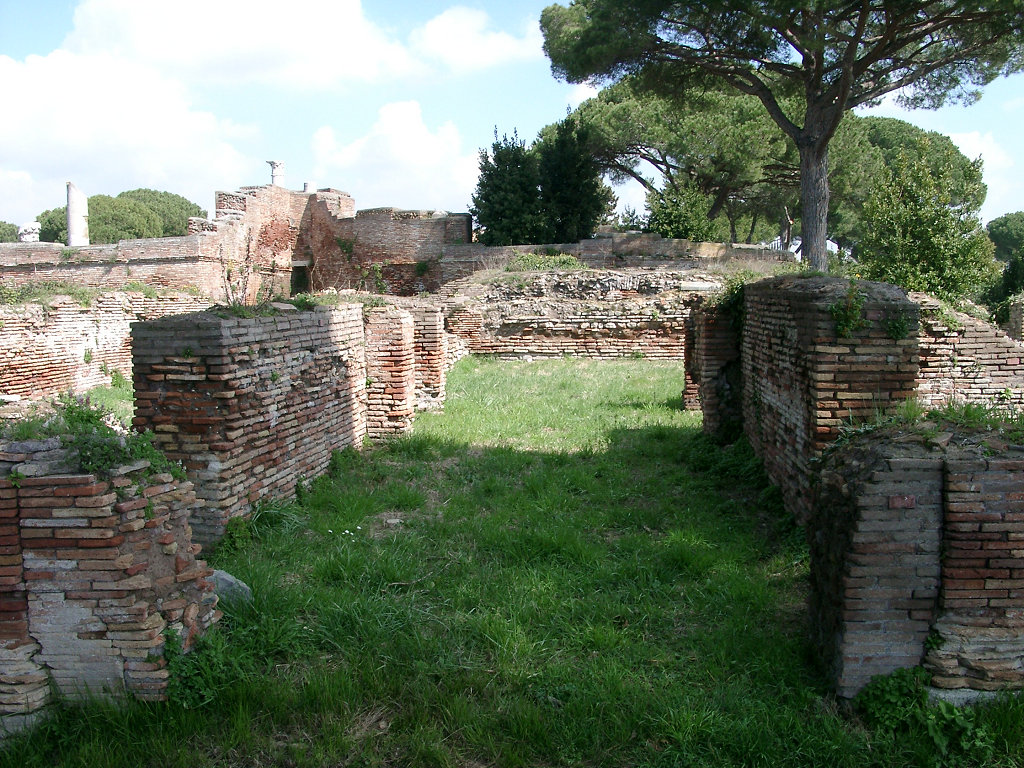
The Mithraeum of Frutosus was in a temple assigned to the guild of the stuppatores.

PhD Thesis by Vittoria Canciani, coordinated by A. Mastrocinque. Verona, 14th April 2022.
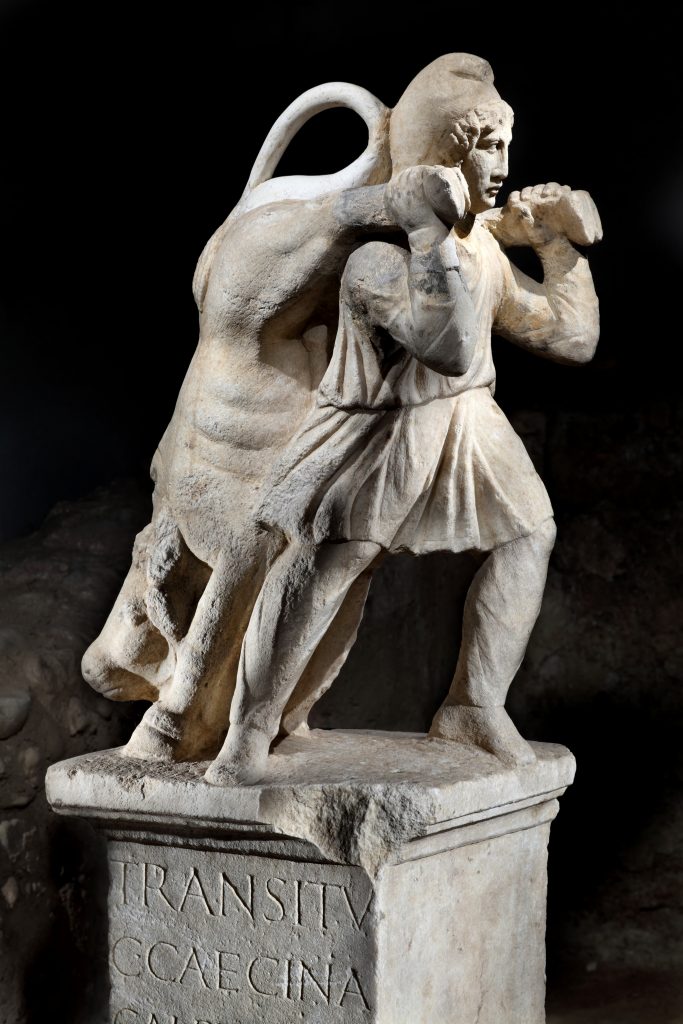
The sculpture of Mithras carrying the bull includes an inscription on its base.
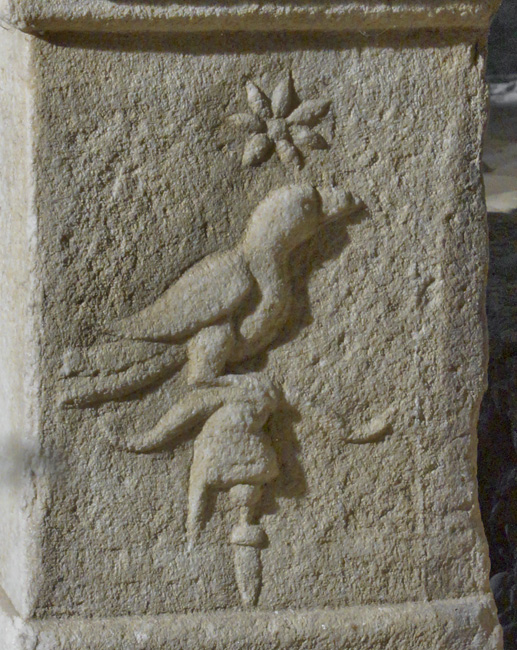
This altar from Ptuj, present-day Poetovio, is decorated with various Mithraic animals such as a tortoise, a cock and a crow and other objects.
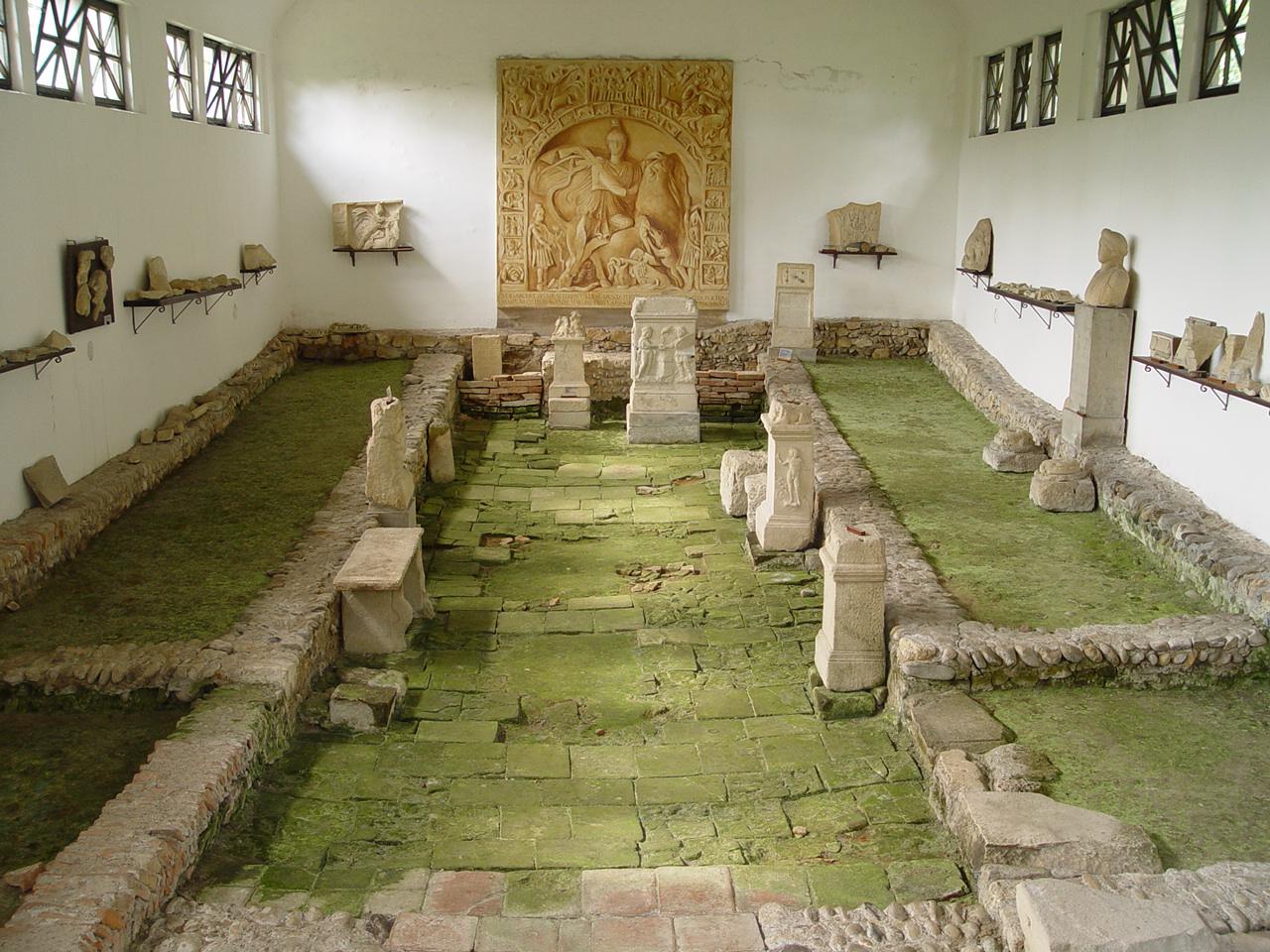
Mithraeum III in Ptuj was built in two periods: the original walls were made of pebbles, while the extension of a later period was made of brick.
During the excavations of 1804-1805, a series of monuments dedicated to Mithras and a temple were discovered at ancient Mons Seleucus.
The Mithraeum located in Piazza Dante in Rome was discovered in 1874 along with a series of monuments dedicated by a Pater named Primus.
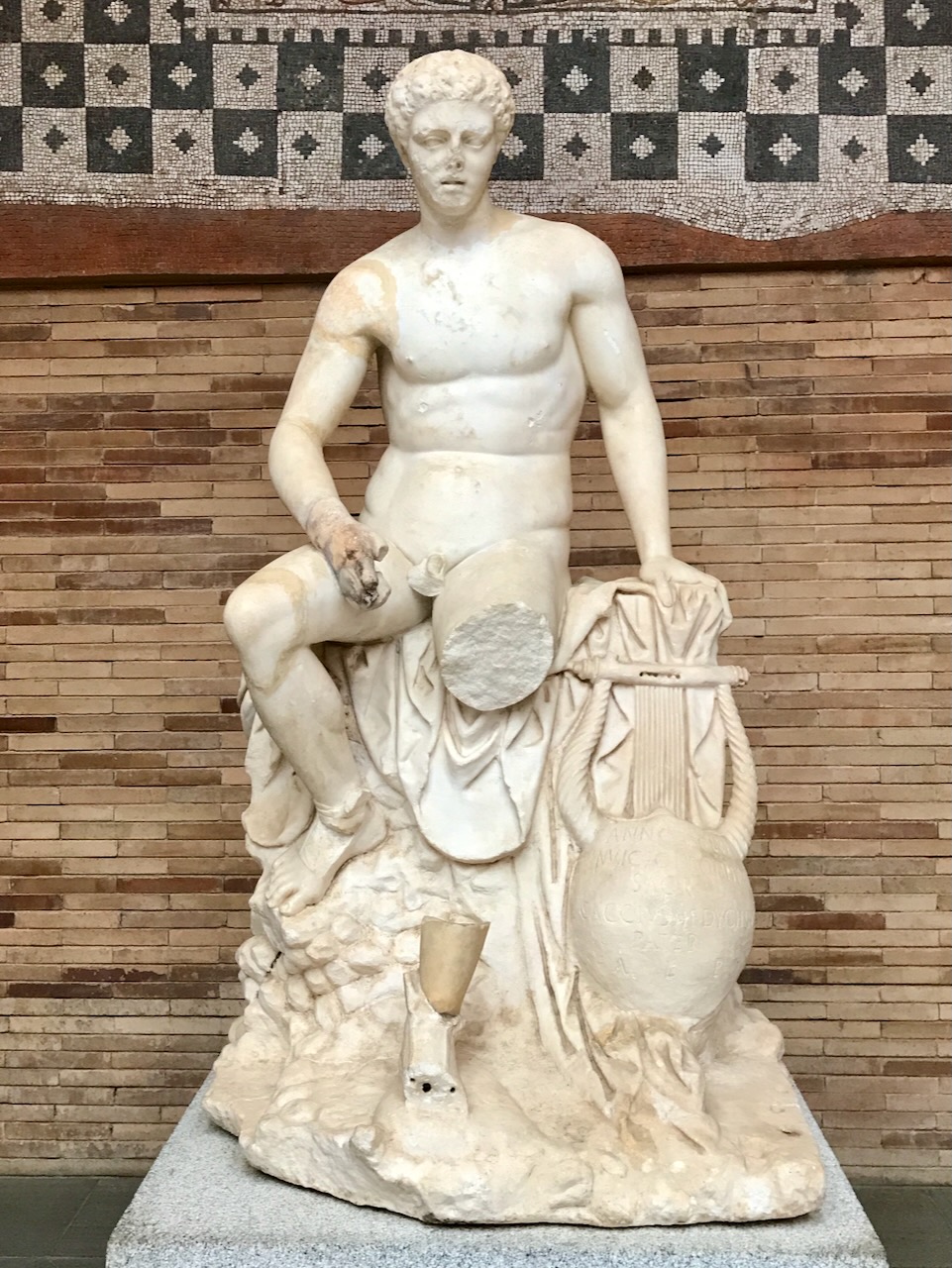
The statue of Mercury in Merida bears a dedication from the Roman Pater of a community in the city in 155.
