Your search Mit Rahina gave 2642 results.
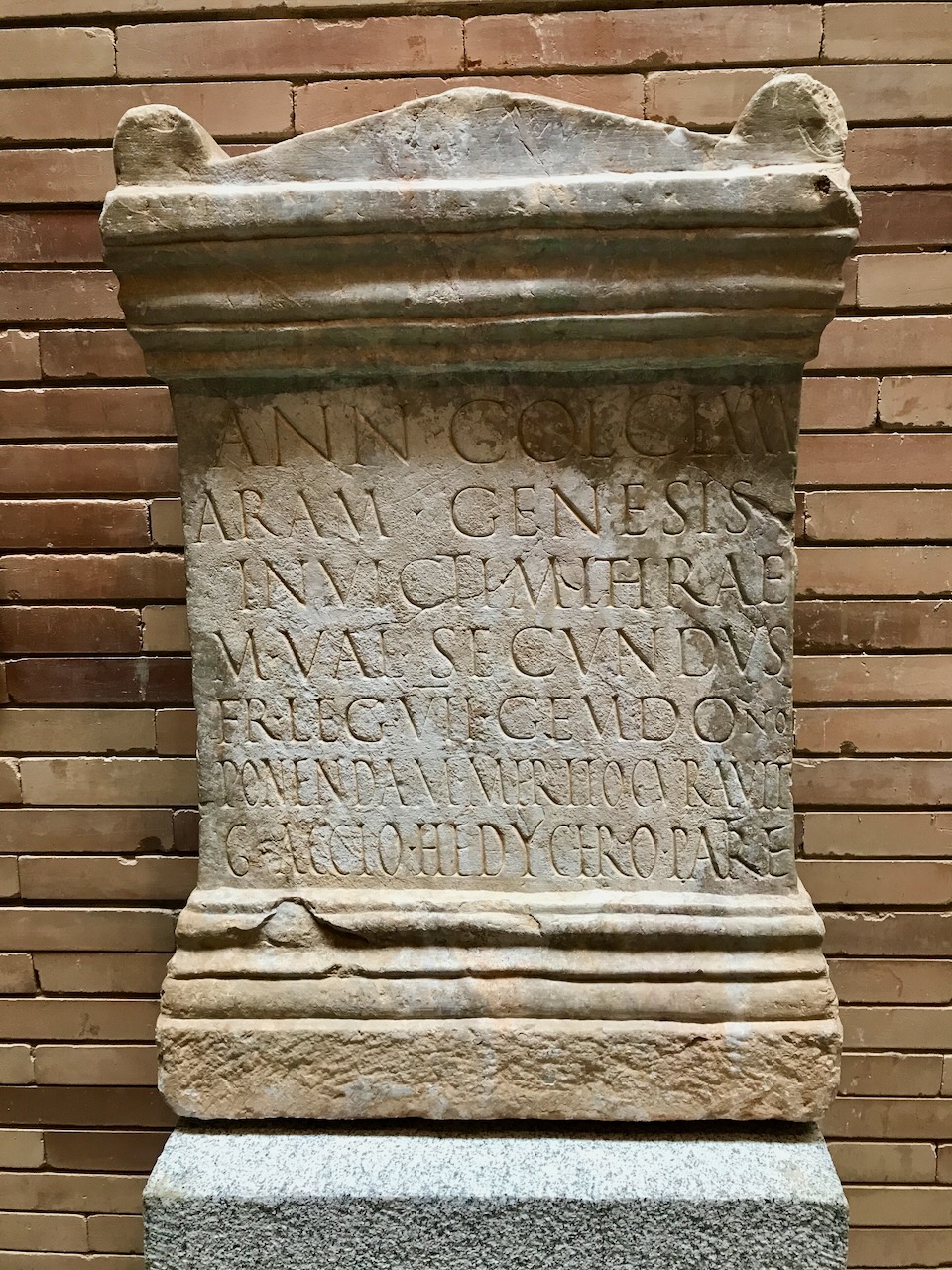
This altar is dedicated to the birth of Mithras by a frumentarius of the Legio VII Geminae.

This monument bears an inscription to Mithras by a well-known general of the Roman Empire.
In this 4th-century Roman altar, the senator Rufius Caeionius Sabinus defines himself as Pater of the sacred rites of the unconquered Mithras, having undergone the taurobolium.
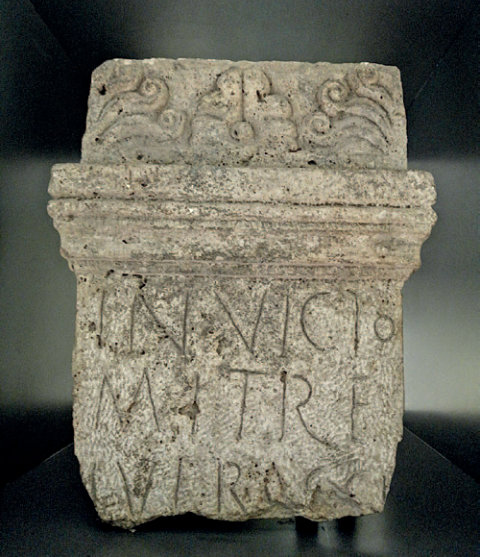
This Mithraic altar of a certain Iulius Rasci or Racci was found in 1979 in a field in Borovo, Croatia, in the area of the Roman fort of Teutoburgium.
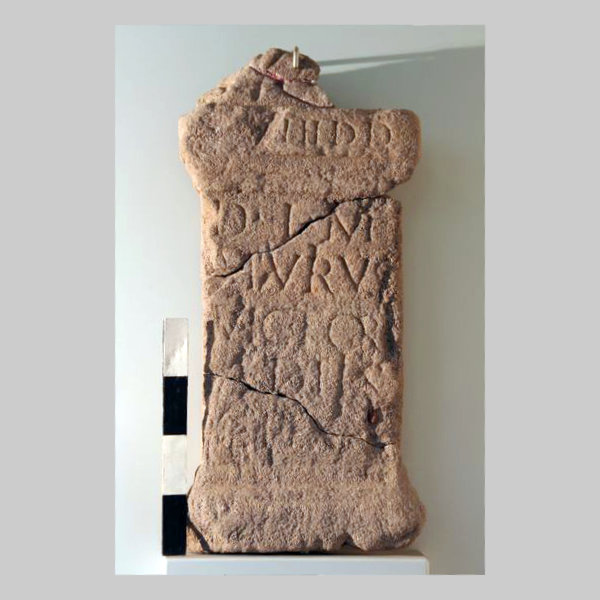
Marius Victor, according to the inscription on the monument, erected this monument to Mithras ’when Philip and Titianus were consuls’.
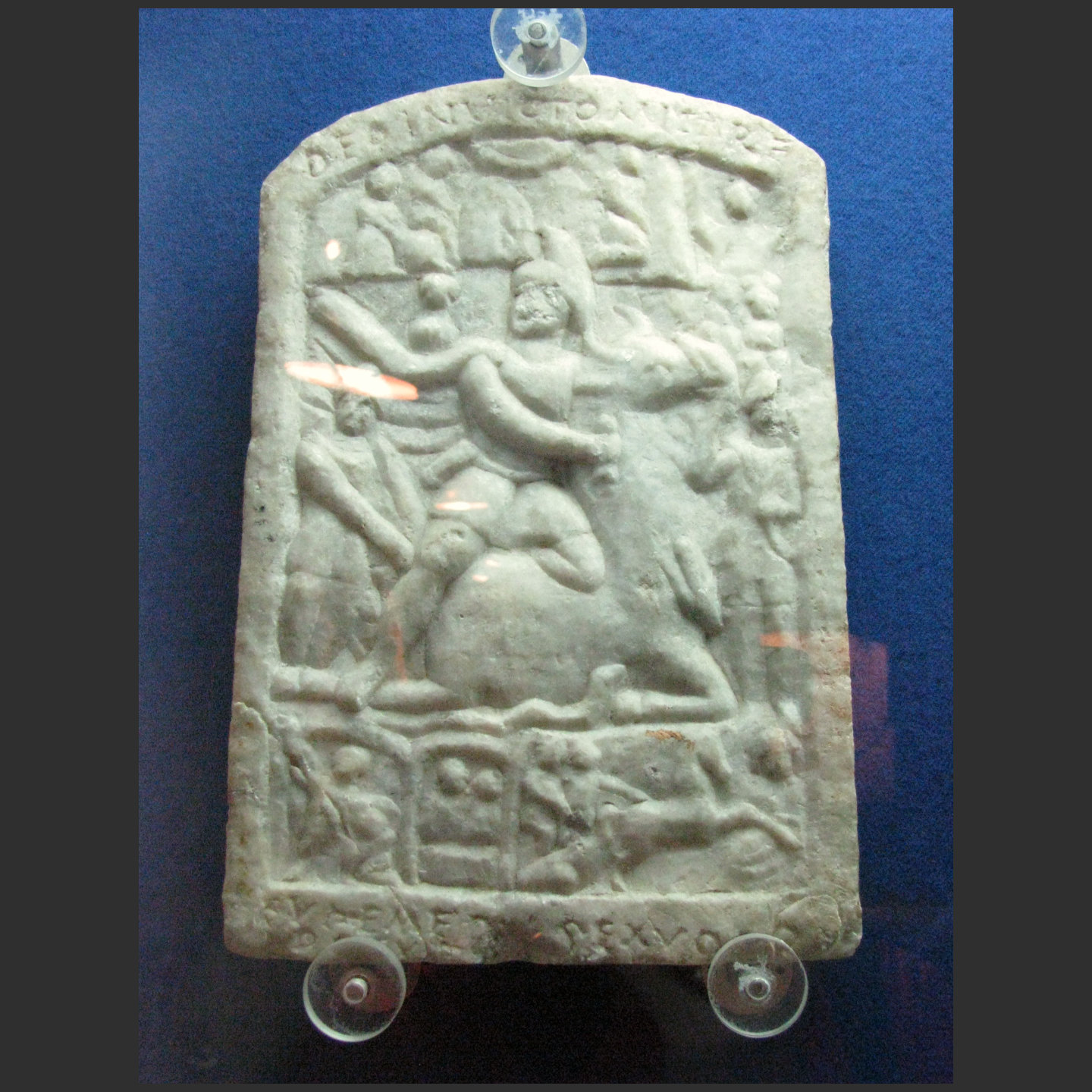
Several authors read the name Suaemedus instead of Euhemerus as the author of this mithraic relief from Alba Iulia, Romania.
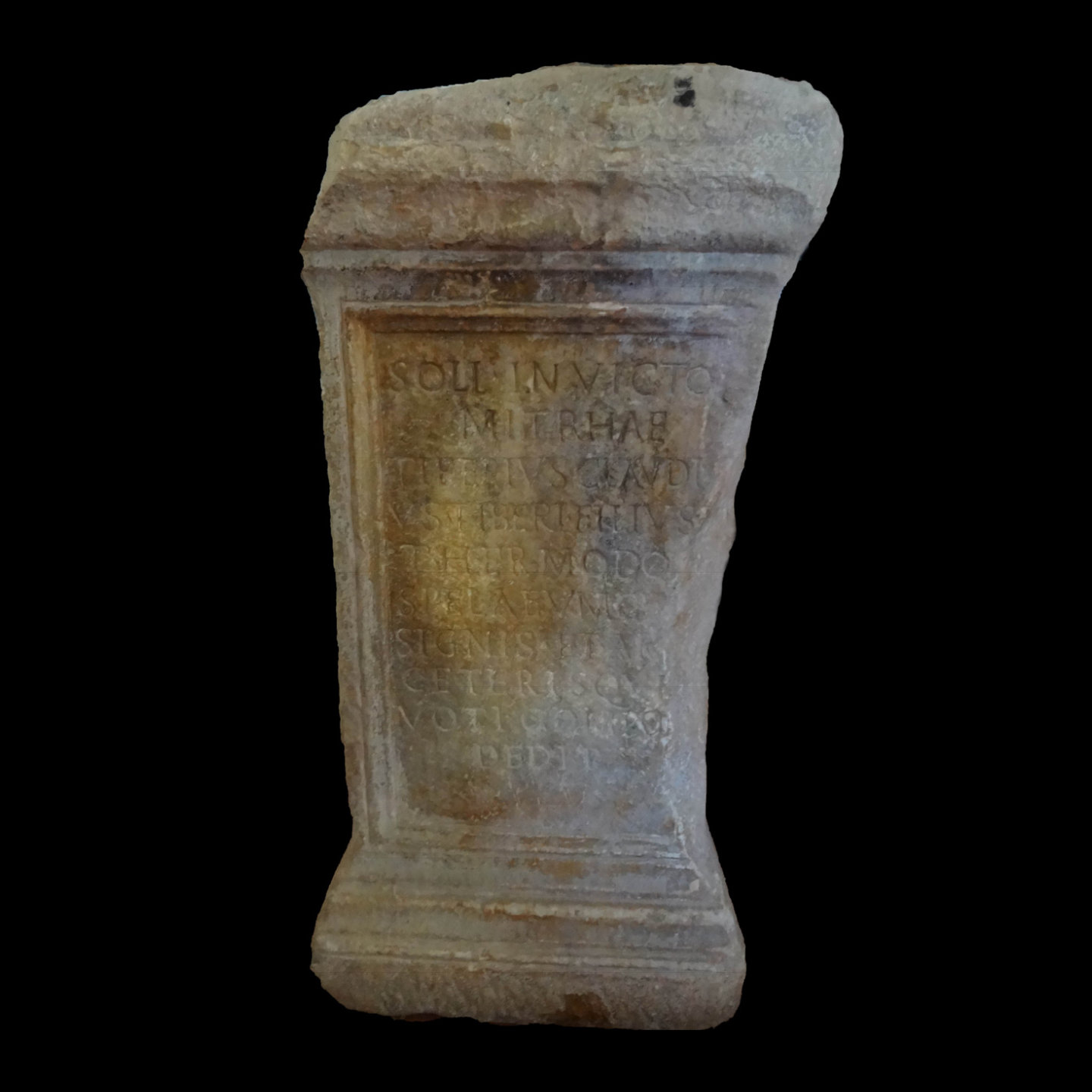
The donor of this Mithraic inscription from Bolsena, a certain Tiberius Claudius Thermoron, is known from two other monuments.
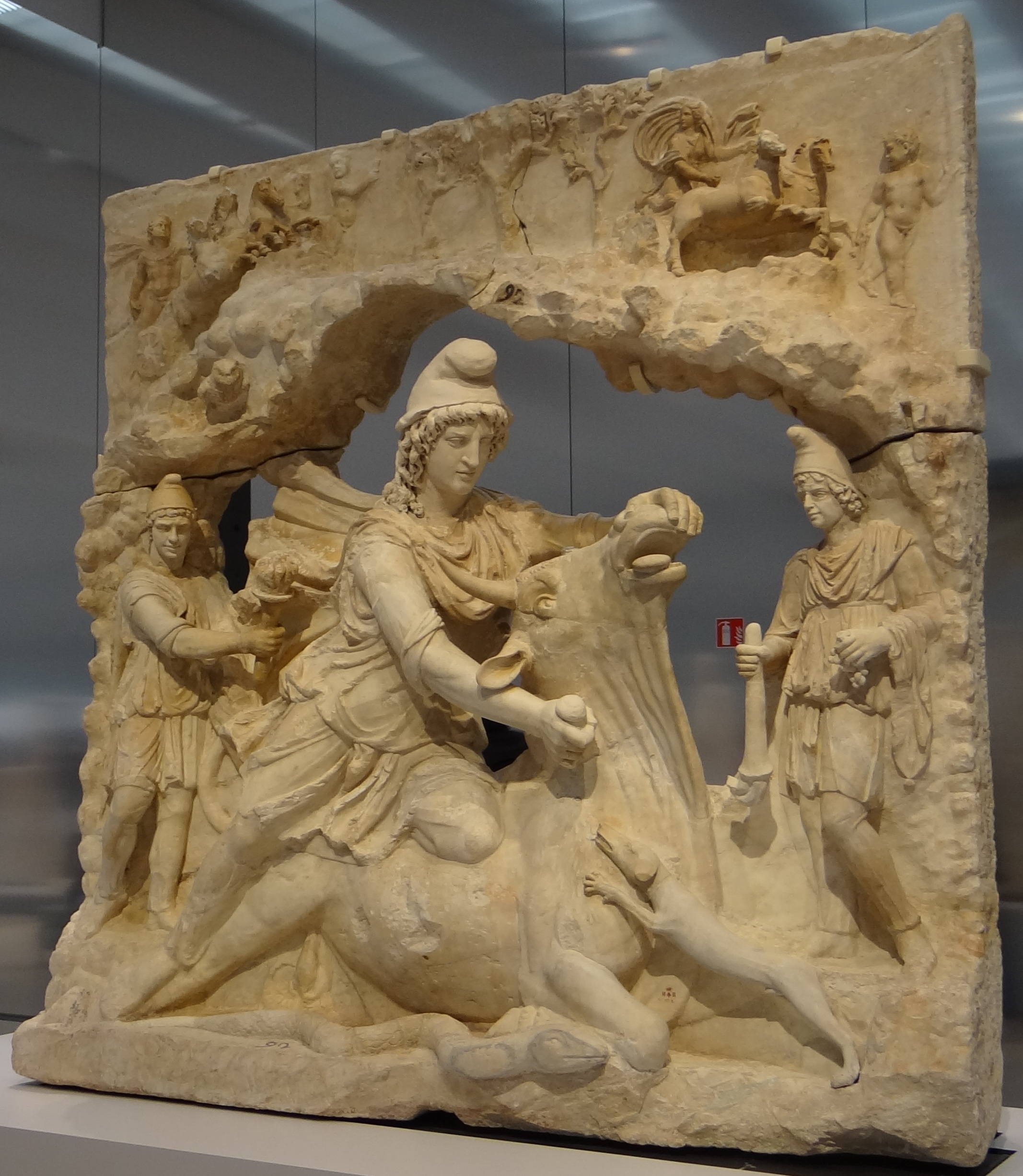
This relief of Mithras slaying the bull was erected in Piazza del Campidoglio, moved to Villa Borghese and is now in the Louvre Museum.
This inscription to Mithras Invencible was dedicated by a certain Apronianus in 172 is currently lost.
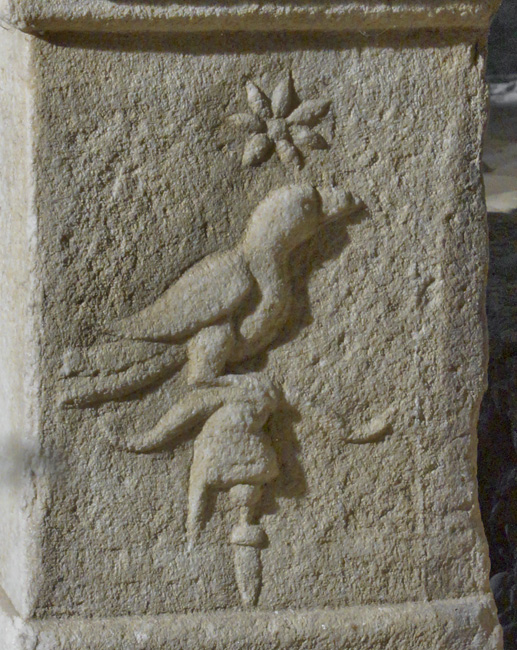
This altar from Ptuj, present-day Poetovio, is decorated with various Mithraic animals such as a tortoise, a cock and a crow and other objects.
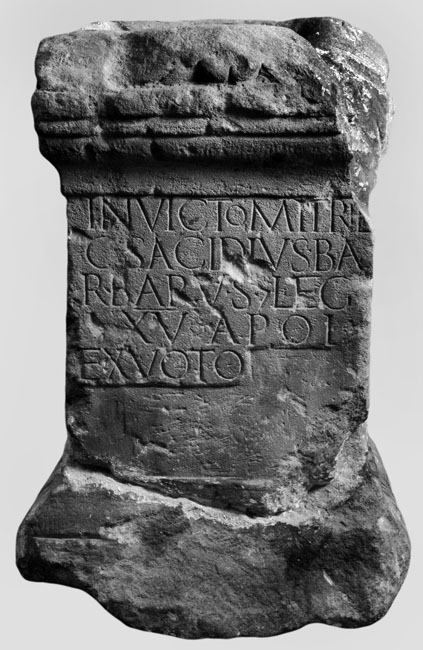
This altar bears the oldest known Latin inscription to the god Mithras, written Mitrhe.
This altar to Mithras is dedicated by a certain Gaius Iulius Castinus, legate prefect of the emperors.

Séminaire du 5 mai 2026 : The Lord of the Covenant: Mihr the judge and the celebration of Mihragān.
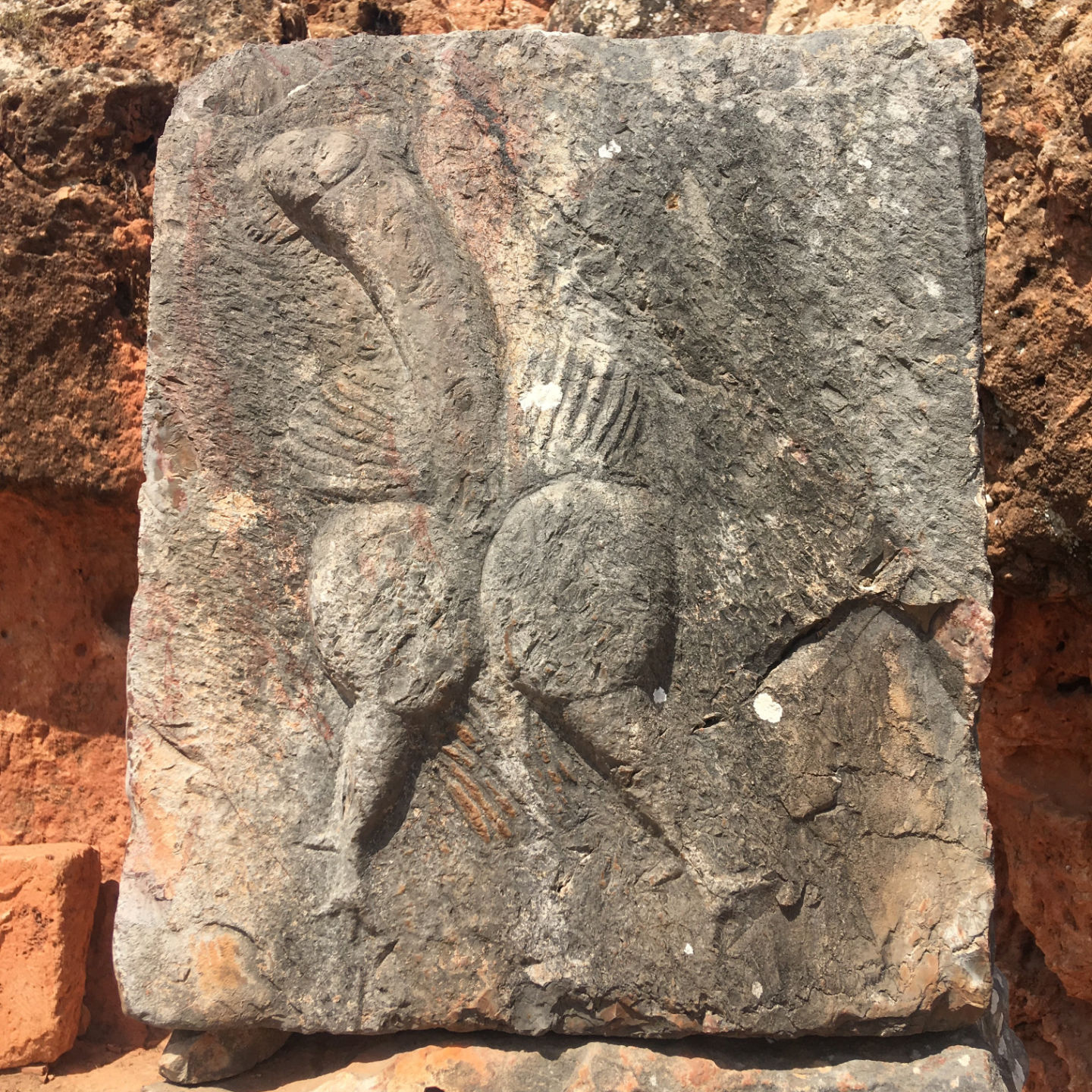
The phallus from Tiddis, Algeria, has been represented as a cock.
An altar found not far from the eastern entrance of the cult-room at Borcovicium (modern Housesteads), bearing a brief dedication to Deus Sol.
An altar found in 1822 at Borcovicium (modern Housesteads), recording a vow fulfilled by Valerianus, a soldier of the Sixth Victrix Legion, to Cocidius and the Genius of the garrison.
A brief inscription reading D(eo) M(ithrae), found inside a fullonica at Pola (modern Pula) in a room that had once served as a vestibule.
Epigraphic monument from Tripolitania preserving a corrected reading discussed in later scholarship.
Altar and a relief of a figure tearing a lion to pieces, found along the Otočac–Gospić road near the mountains Veliki and Mali Vitalj, Dalmatia; the tauroctony interpretation of the lion-tearing relief was subsequently disputed.
Pair of inscriptions from Lugdunum recorded in the Corpus Inscriptionum Latinarum.
