Your search Monteu da Po gave 2105 results.

The roman castrum was built in the 2nd century BC. During the reign of Emperor Augustus in the 1st century BC, it officially became a city and was part of the Roman colony of Colonia Iulia Parentium.
Waidbruck is a comune in South Tyrol in northern Italy, located about 20 kilometres northeast of Bolzano.
Plovdiv is the second-largest city in Bulgaria, standing on the banks of the Maritsa river in the historical region of Thrace, behind the state capital Sofia.
Mount Nemrut or Nemrud is a 2,134-metre-high mountain in southeastern Turkey, notable for the summit where a number of large statues are erected around what is assumed to be a royal tomb from the 1st century BC.
Sarrebourg is a commune of northeastern France. In 1895 a Mithraeum was discovered at Sarrebourg at the mouth of the pass leading from the Vosges Mountains.
Naples has been inhabited since the Neolithic Age. In the 2nd millennium BC, the Mycenaeans settled in the area. During the Roman period, Naples maintained its Greek language and customs, and greatly expanded.
Tiddis was a Roman city that depended on Cirta and a bishopric as Tiddi, which remains a Latin Catholic titular see. It was located on the territory of the current commune of Bni Hamden in the Constantine Province of eastern Algeria.
Aquincum was an ancient city, situated on the northeastern borders of the province of Pannonia within the Roman Empire.

This small and highly questionable relief from southern France may depict a winged leontocephalic figure seated.
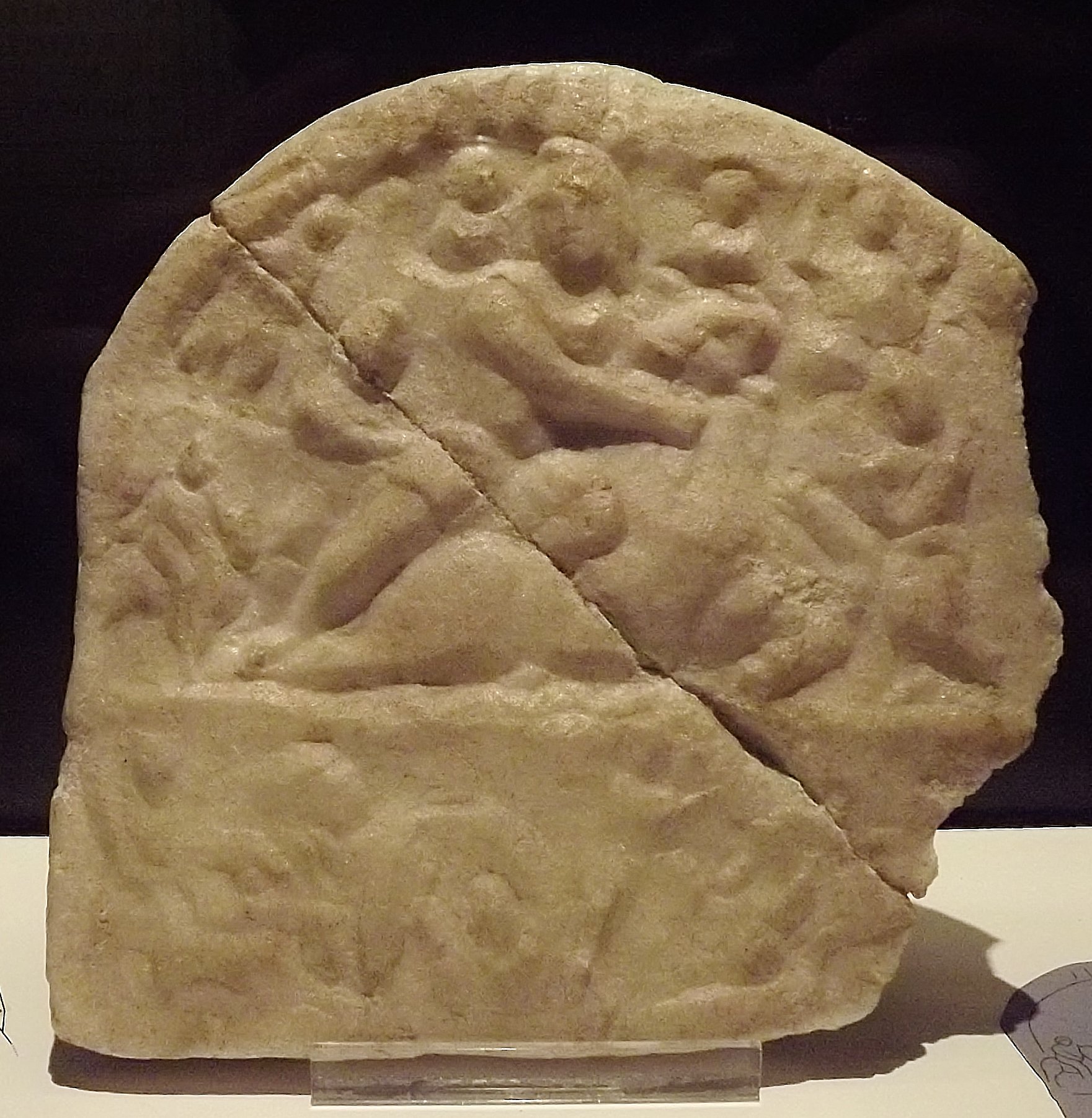
This small white marble relief of Mithras as a bullkiller was found in the Botanical Gardens of Vienna in 1950.
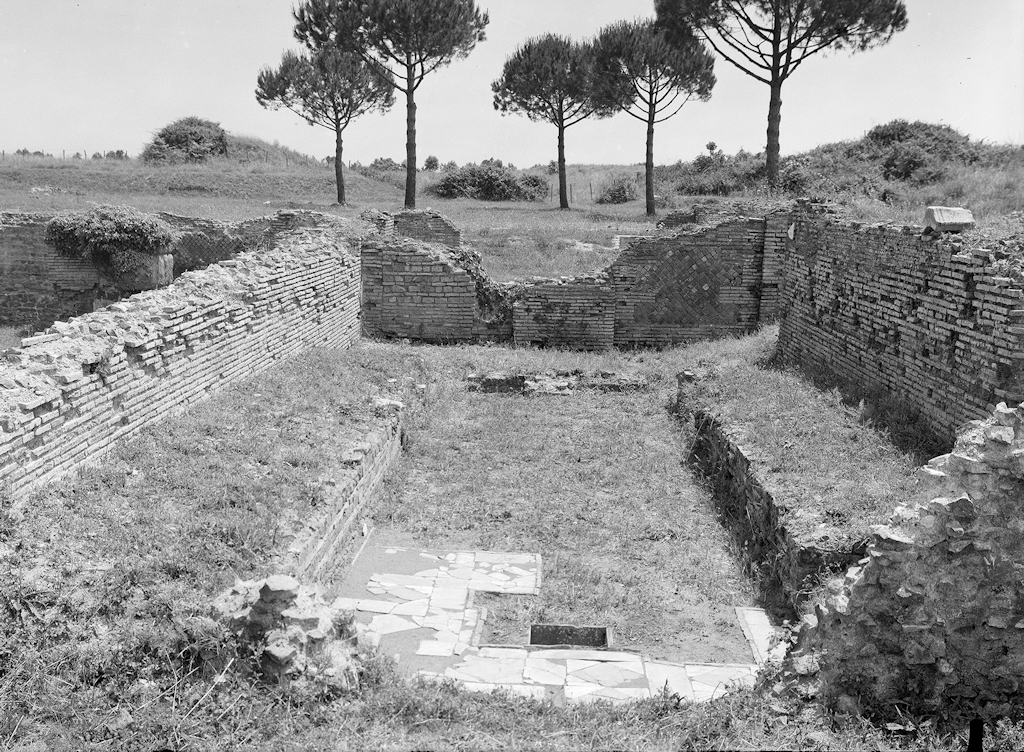
Excavated in 1919, the Mithraeum near the Roman Gate was installed in the 3rd century within a larger building complex.

Decurion and member of the same college as Aemilius Chrysanthus.


This sandsotne head with a Phrygian, found in Fürth in 1730, probably belonged to a torach-bearer.
This Aion is known for wearing a Kalathos on his lion’s head, linking him to the syncretic Sarapis.
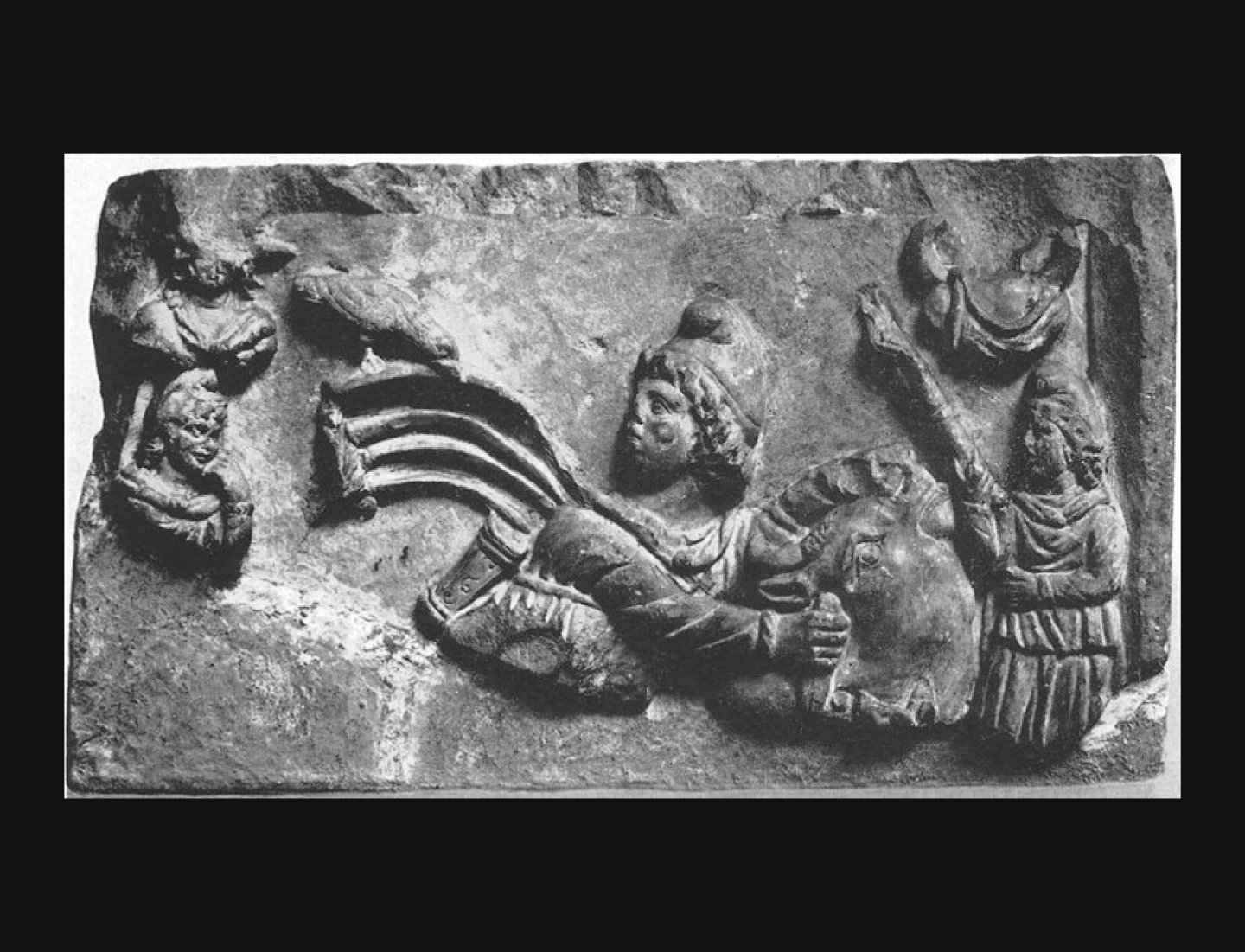
Franz Cumont bought this relief of Mithras as a bullkiller from a dealer who claimed to have found it in a vineyard near the church of Saint Pancrace, in Rome.

Wright’s extended essay on Phallic worship is distinguished by much better scholarship and writing than some of the other works of this genre.

Mithra et ses actualités - Journée d'études (17 décembre 2021) au Musée royal de Mariemont.
