Your search Monteu da Po gave 2106 results.
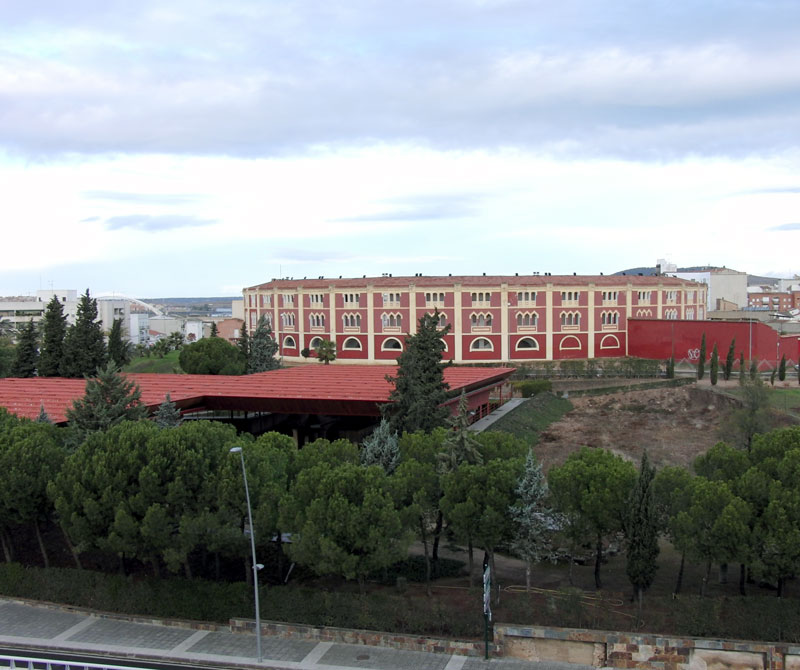
Although the site at Cerro de San Albín is not a Mithraeum, archaeologists have found several monuments related to the cult of Mithras.

The existence of a mithraeum in the "tana del lupo", a natural cave in the castle of Angera, has been assumed since the 19th century, following the discovery of two mithraic inscriptions in the town.
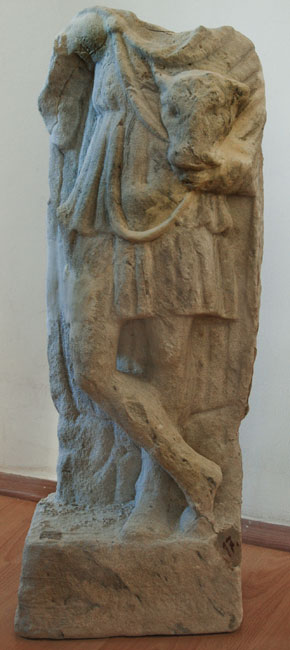
This sculpture of Cautes holding a bull’s head was found in 1882 in Sarmizegetusa, Romania.

The large number of monuments found at the Mithraeum of Sarmizegetusa and the sheer size of the temple are unusual.
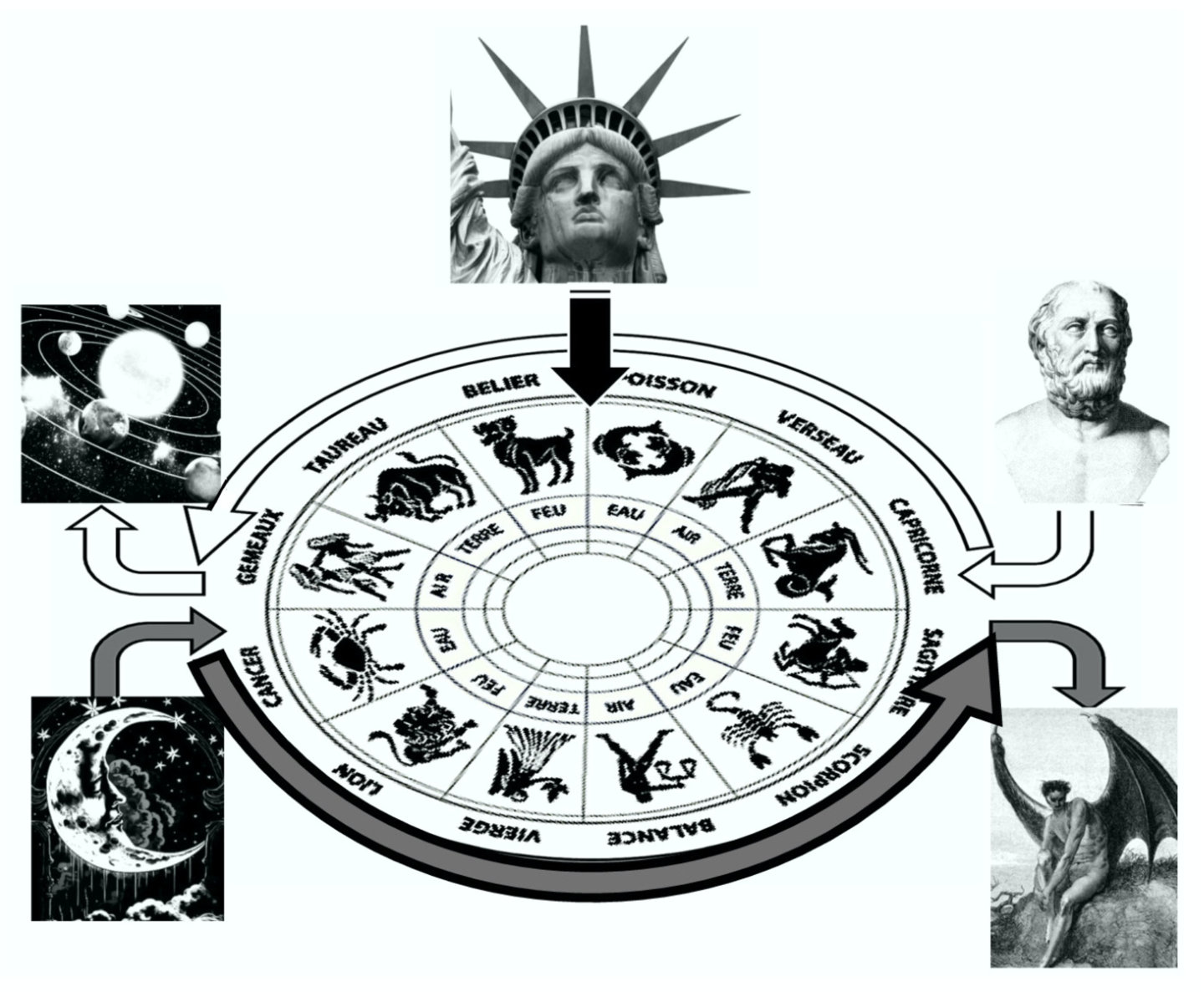
Mithras Dualism. What are the Philosophical Consequences? Summary of Mithraic philosophy on a drawing of an ornate temple. It is possible to draw the organisation of a Mithraeum, and also his philosophical consequences…
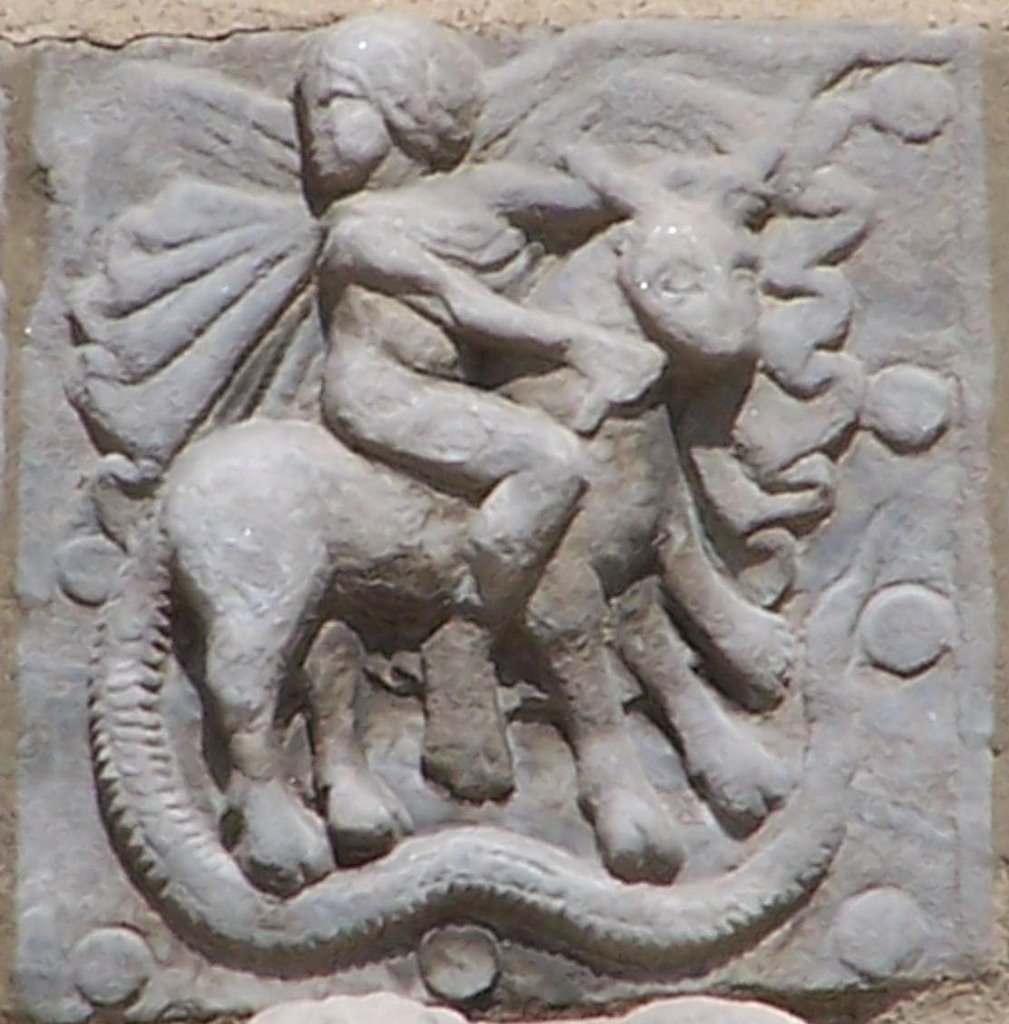
It is indeed surprising to see Mithras represented in the Middle Ages, as we tend to assume that paganism was forgotten at an early date. Well, some representations of Mithras killing the bull in key locations in Europe prove the opposite…
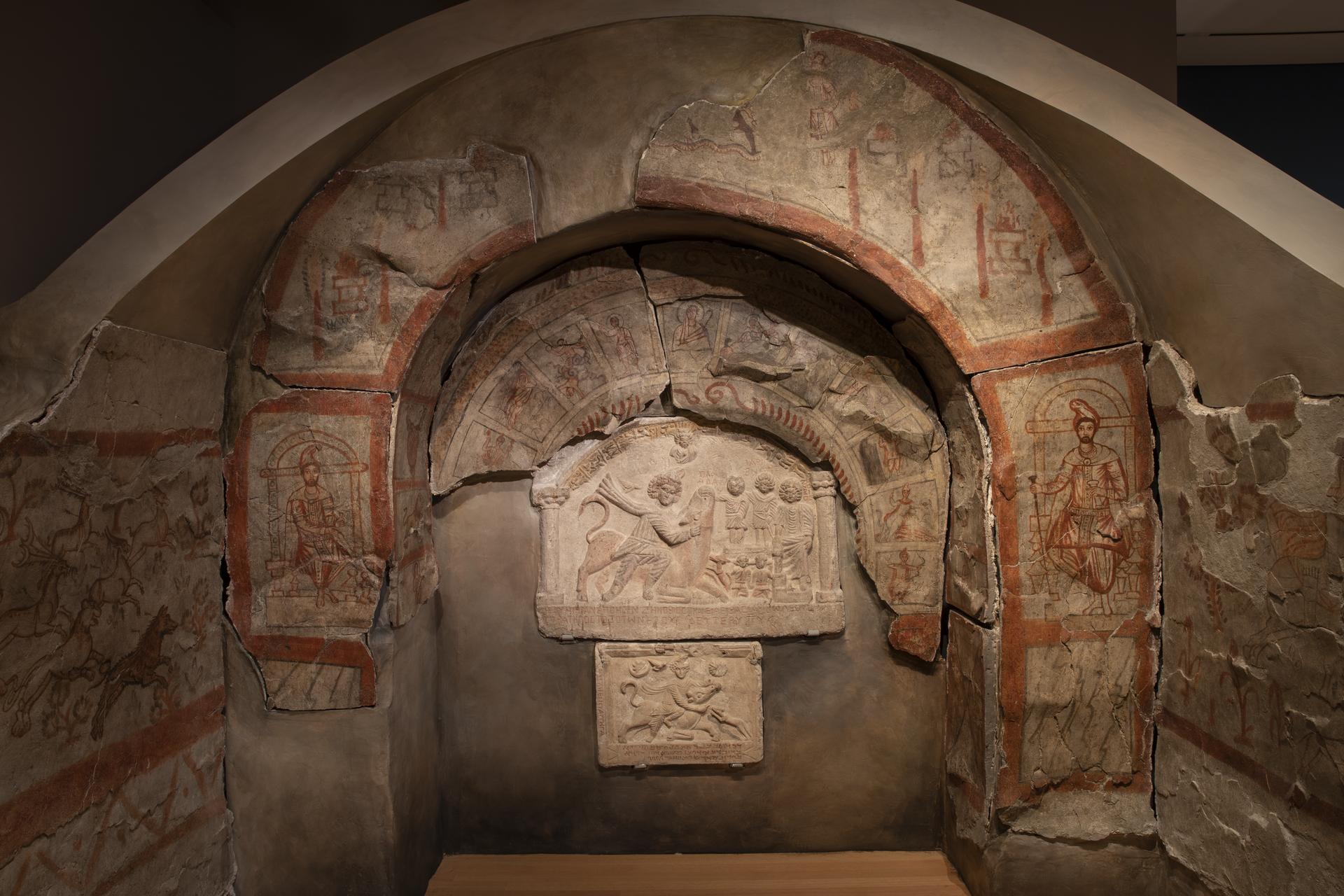
We are delighted to announce that the dates for MithraCon 2025 have been set for the last weekend in April, from Friday 25th to Sunday 27th. Mithracon is an informal research convention for people interested in the study of the god Mithras…

One of the three known inscriptions of Dioscorus, servant of Marci, found in Alba Iulia, Romania.
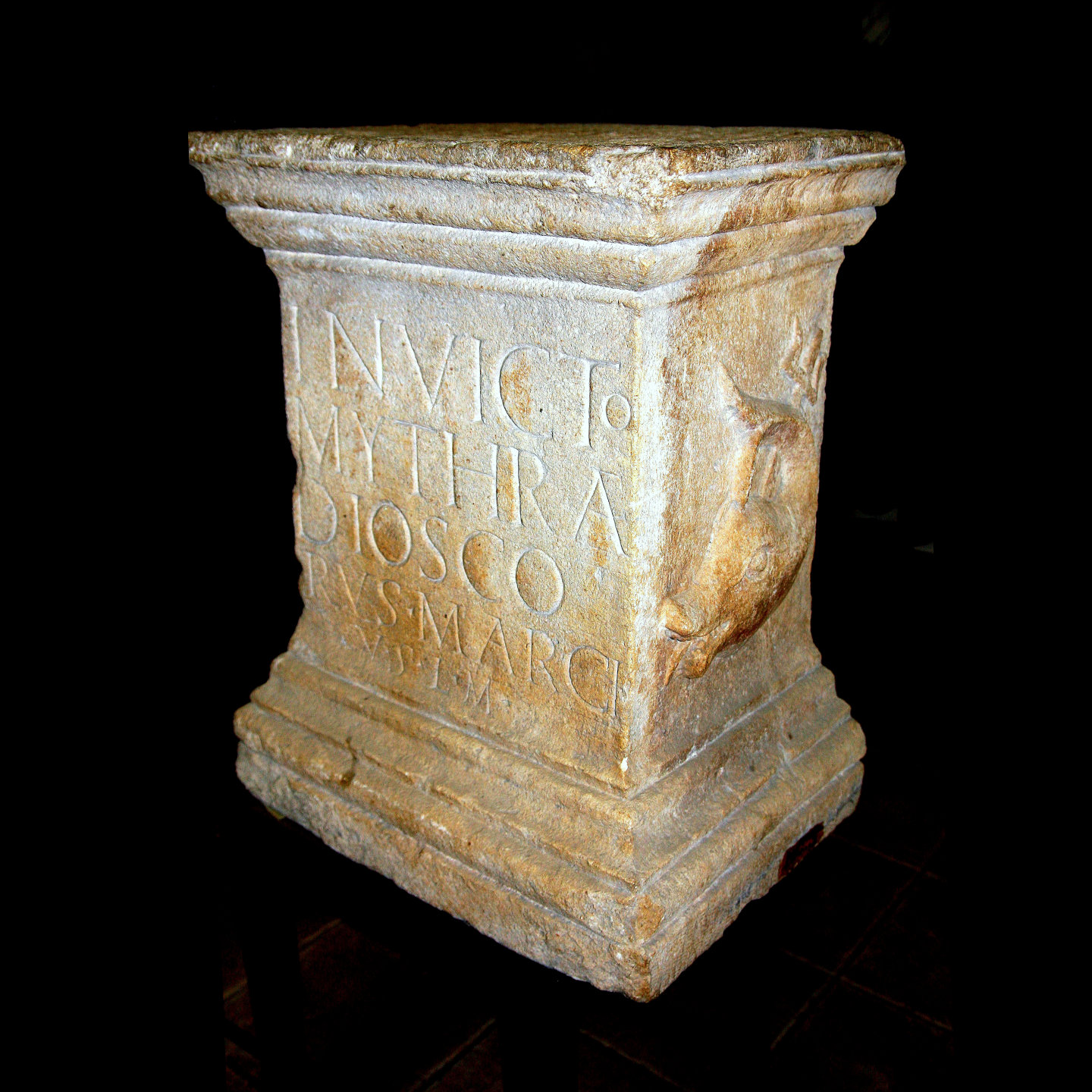
In 1852, Károly Pap, a naval captain, unearthed several Mithraic monuments in his garden at Marospartos, including this altar.
This monument bears an inscription to Mithras by a well-known general of the Roman Empire.

The Mithraea in the territory of Arupium were first mentioned by Š. Ljubić in 1882.
Margaux Bekas, commissaire de l’exposition ’Le mystère Mitrha. Plongée au cœur d’un culte romain’, présente dans cette vidéo les origines du dieu Mithra.
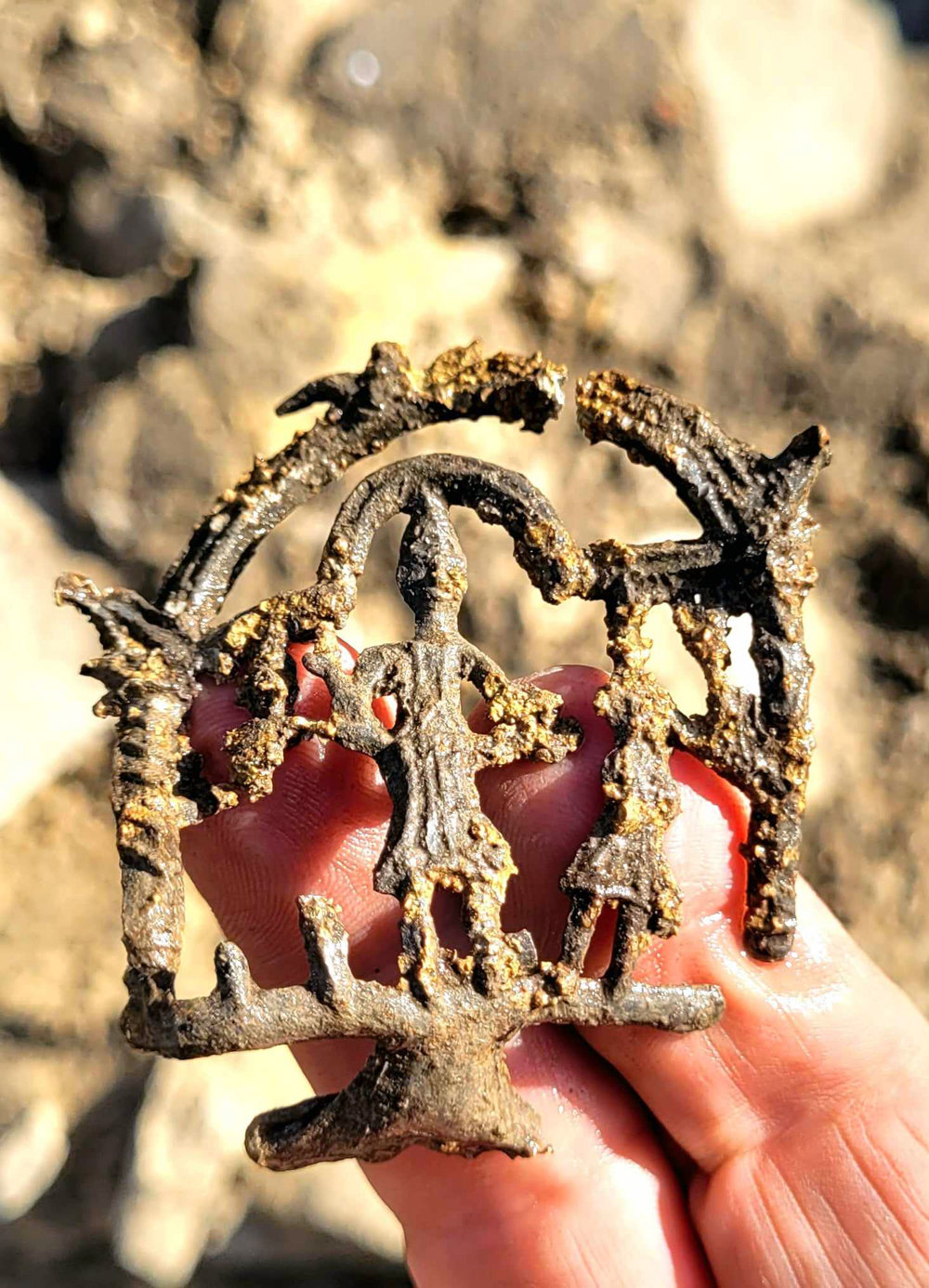
A sixth temple dedicated to Mithras has been identified for the first time in the military sector of the ancient Roman city of Aquincum.
In this 4th-century Roman altar, the senator Rufius Caeionius Sabinus defines himself as Pater of the sacred rites of the unconquered Mithras, having undergone the taurobolium.
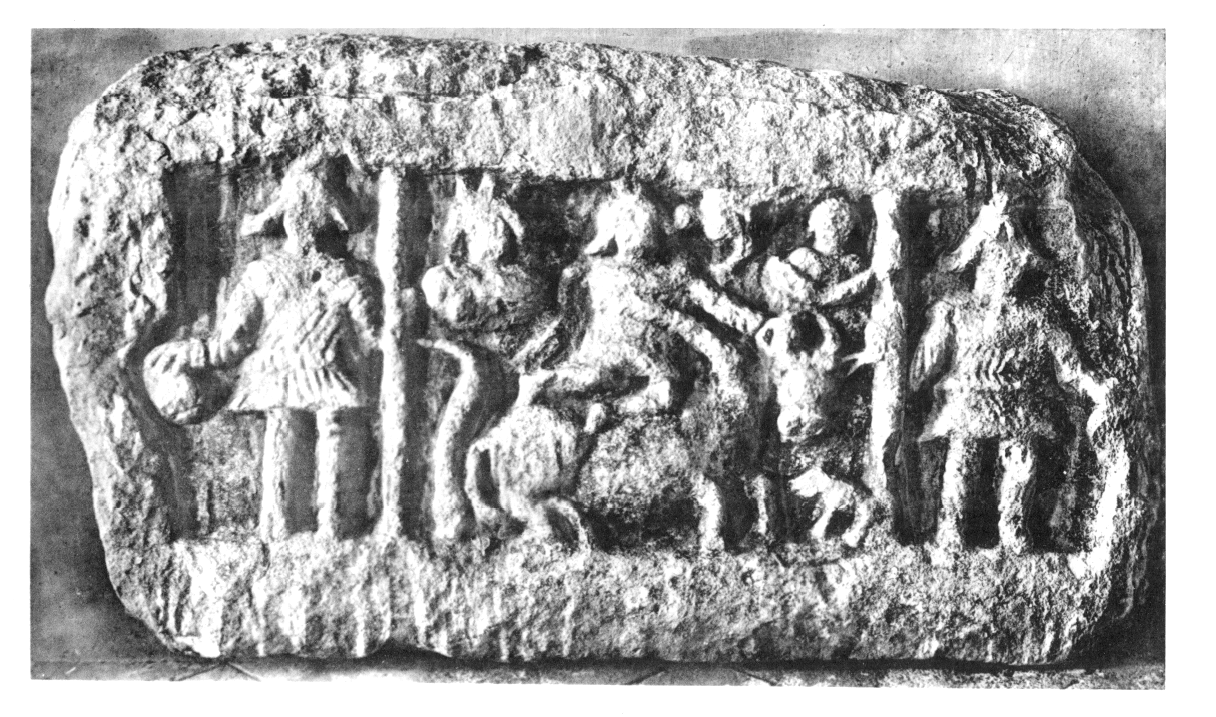
This relief of Mithras as bull slayer is surrounded by Cautes and Cautopates with their usual torch plus an oval object.
Three small limestone altars were found in the Jajce Mithraeum, one of which bears the inscription ’Invicto’.
Three larger altars and other finds from the Mithraeum of Jajce, Bosnia and Herzegovina.
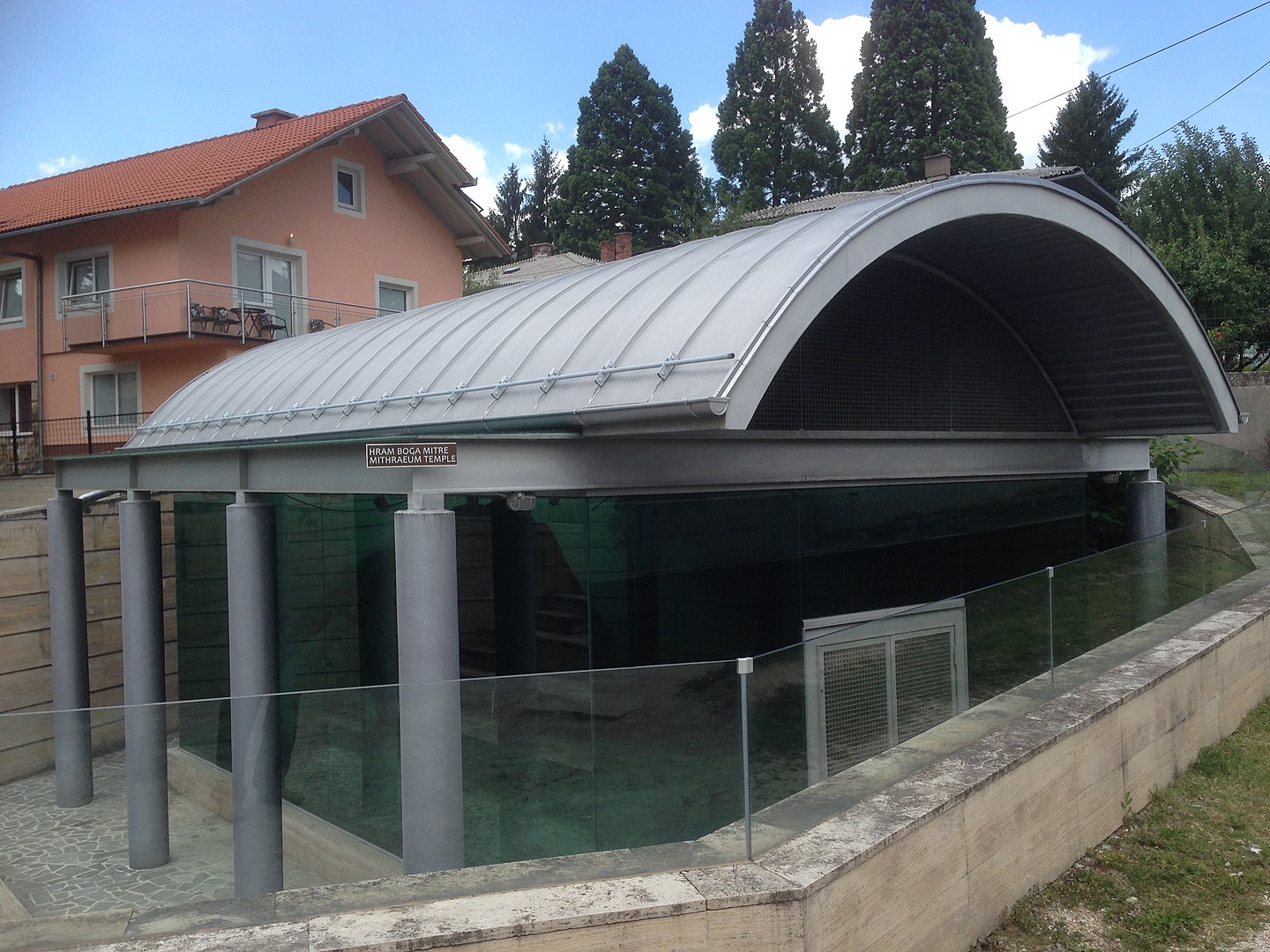
The remains of the Jajački Mithraeum were discovered accidentally during excavation for the construction of a private house in 1931.
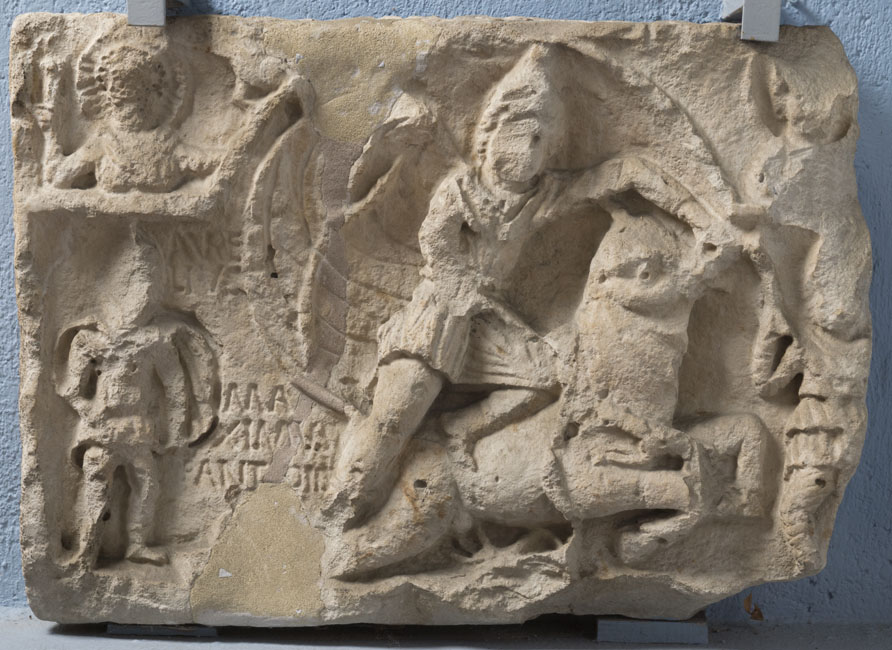
This relief of Mithras as a bullkiller was found in Golubić, Bosnia and Herzegovina, near a cementery.
