Your search Paul Vallette gave 63 results.
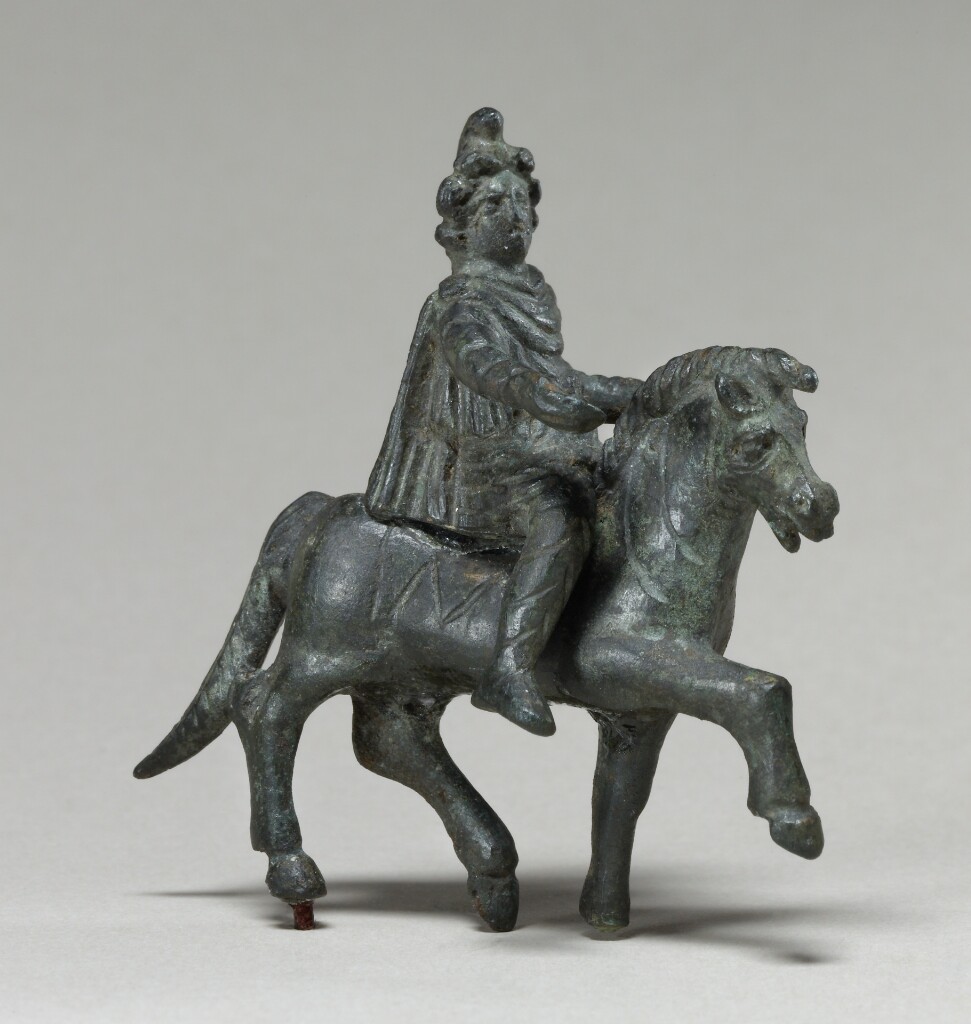
This small bronze statuette of Mithras riding a horse is composed of two pieces.
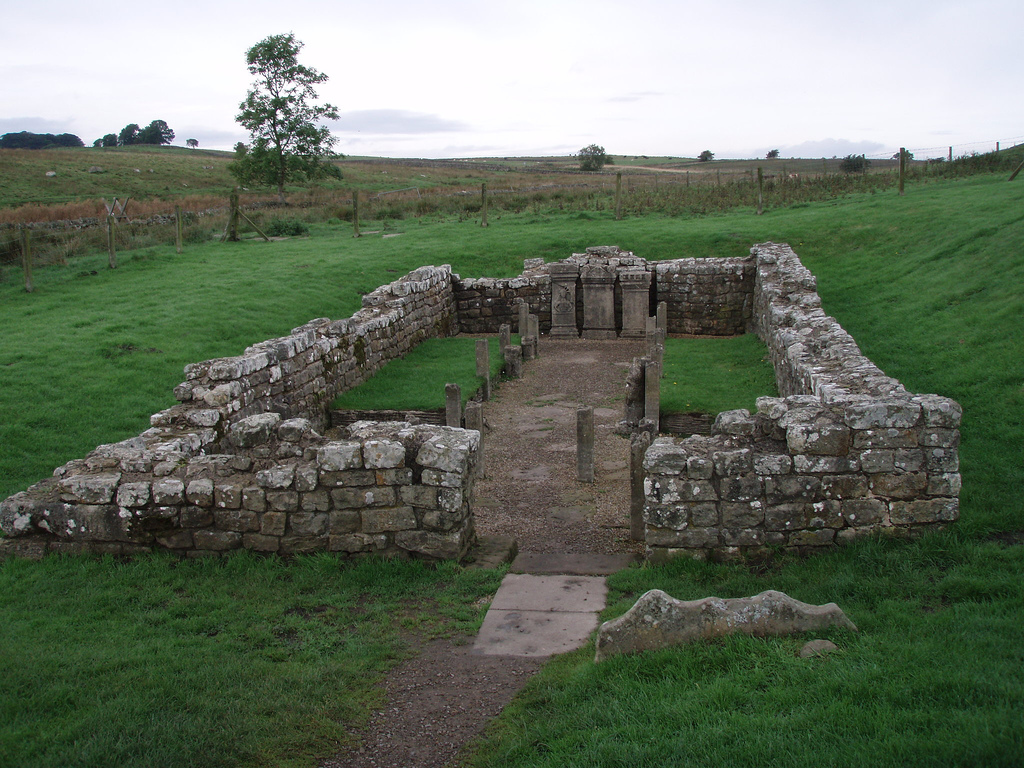
The temple of Mithras of Carrawburgh, Brocolita, disclosed three main stages of development, the second exhibiting two reconstructions.

Mithraic sanctuary found at Sárkeszi near Székesfehérvár, Pannonia Inferior, in a place called Ságvölgyi; yielding altars, tauroctony reliefs, and cult objects.
Sandstone altar from Campona, Pannonia Inferior, dedicated to Deo Soli invicto by Claudius Neronianus; the dedication is painted red.
Altar from Intercisa, Pannonia Inferior, found in the area of the castra.
Limestone altar from Brigetio, Pannonia Superior, dedicated to Invicto deo Mithrae by Masuininius Amicus, Augustalis of the Municipium Brigetionis Antoniniani.
Base probably found during the discovery of the Dolichenum at Brigetio in 1899, Pannonia Superior; possibly belonging to the adjacent Mithraeum given its proximity.

Today Lugo was the capital of the Capori tribe. It was conquered by Paullus Fabius Maximus and named Lucus Augustus in 13 BC after the positioning of a Roman military camp.

One of the most eminent representatives of late antique pagan religiosity, combining high civic authority with deep initiation into multiple mystery traditions, including the cult of Mithras.
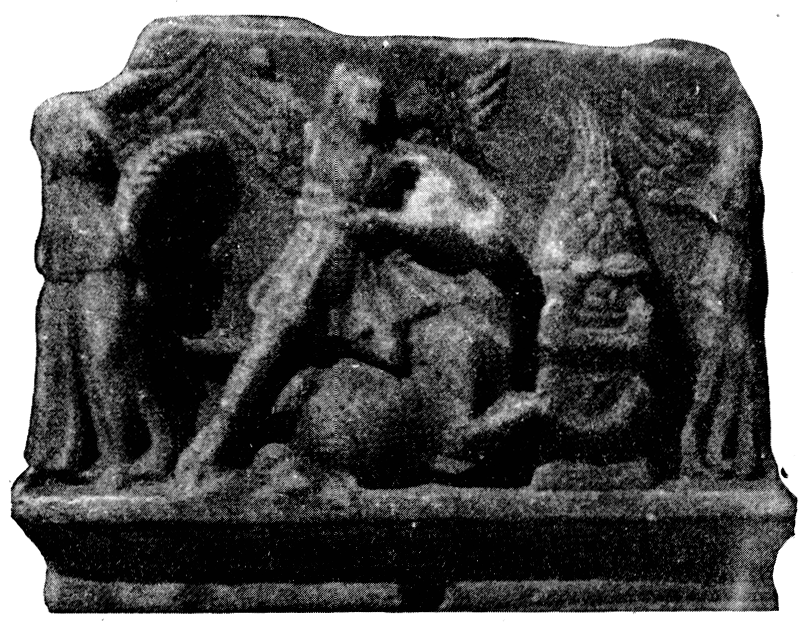
The Mithraic relief from Baris, in present-day Turkey, shows what appears to be a proto-version of the Tauroctony, with a winged Mithras surrounded by two Victories.
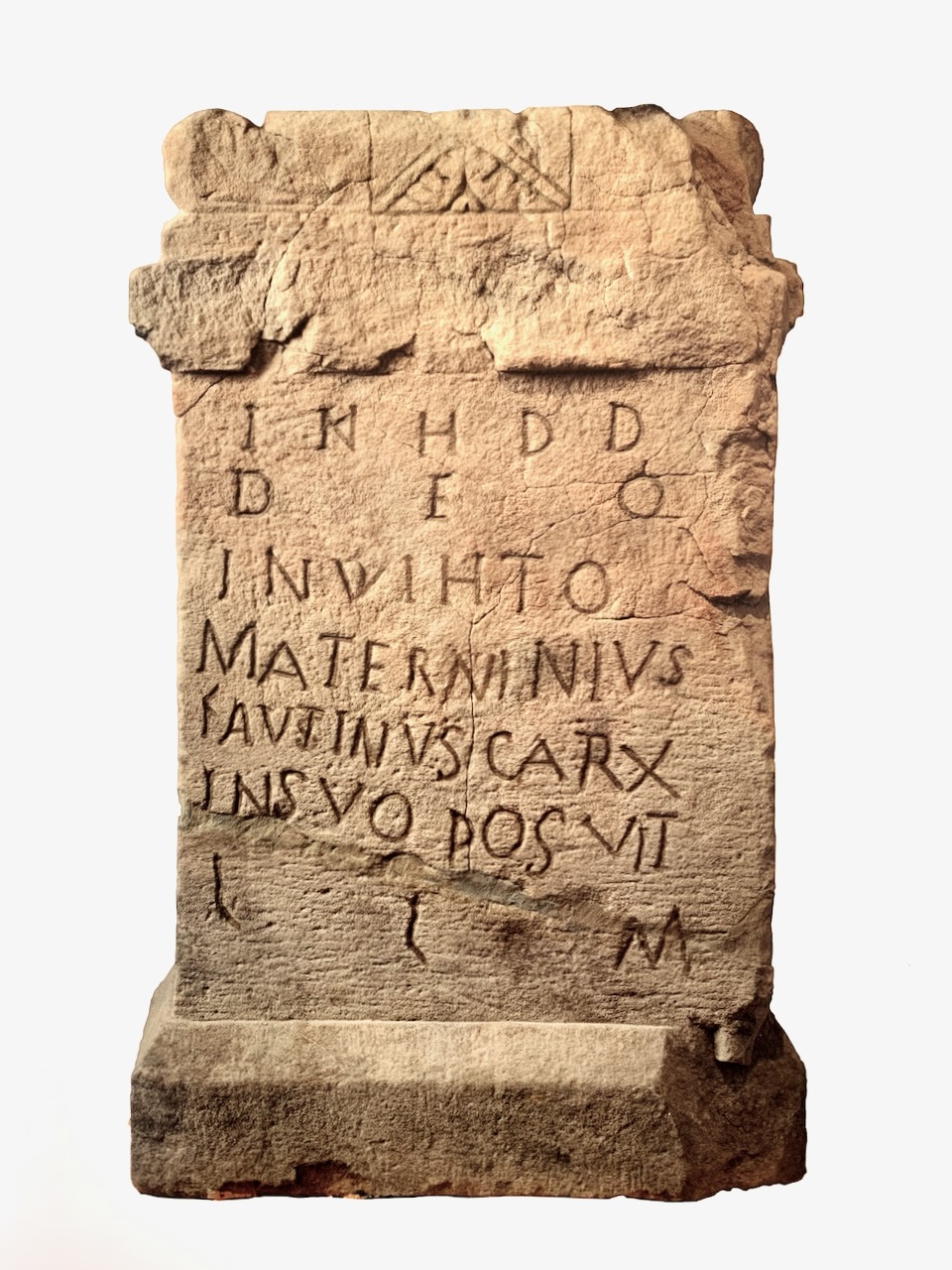
Corax Materninius Faustinus dedicated other monuments found in the same Mithraeum in Gimmeldingen.

Roman stone low-relief depicting Mithras as a bull-slayer, with the upper part of his head missing.

This marble altar was found ’in the street called di Branco’, behind the palace of the Cardinal of Bologna, in Rome.


In these two key passages, Justin Martyr interprets Mithraic rituals and myths as demonic parodies of Christ’s incarnation, the Eucharist, and biblical revelation.

Keiner der zahlreichen heidnischen Kulte und keine antike Religion hat das Christentum in einer Weise herausgefordert und geprägt, wie der römische Mysterienkult des Sonnen- und Erlösergottes Mithras.

Why did the Romans worship a Persian god? This book presents a new reading of the Mithraic iconography taking into account that the cult had a prophecy.

Followers of a revived version of Mithraism in contemporary Italy threaten to overthrow the government and destroy the Vatican. Rome is in chaos. Earthquakes shake the city. The Pope is in a coma.

