Your search Philippe Roy gave 258 results.
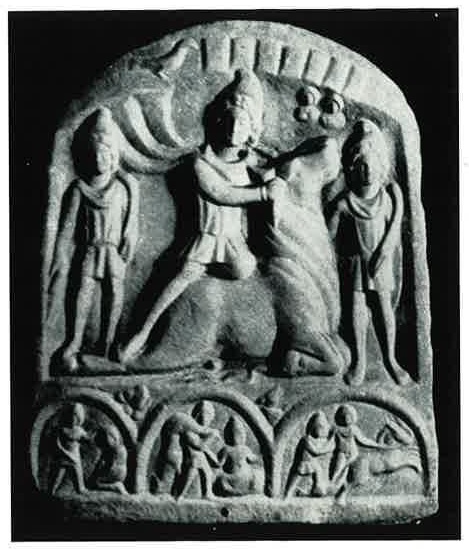
White marble tauroctony relief from the ruins of the Roman castle near Koniovo, Moesia Superior, depicting the standard bull-slaying scene.
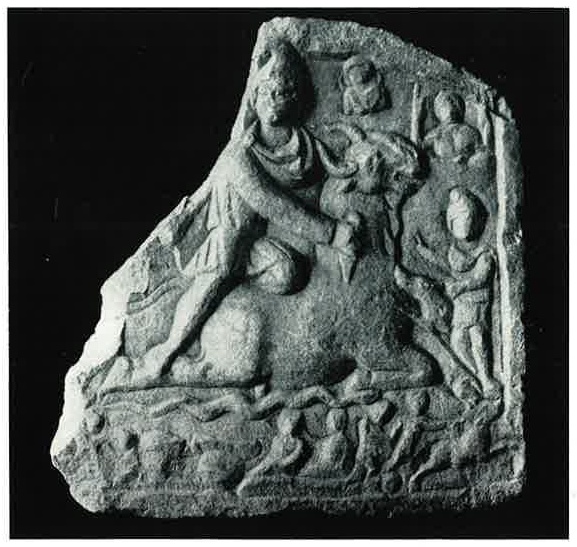
White marble tauroctony relief from Radeša near Pirot, Moesia Superior, depicting the standard bull-slaying scene.

Marble tauroctony relief from the surroundings of Küstendil, ancient Pautalia in Moesia Superior, depicting the bull-slaying with torchbearers and Sol and Luna busts in the upper corners.
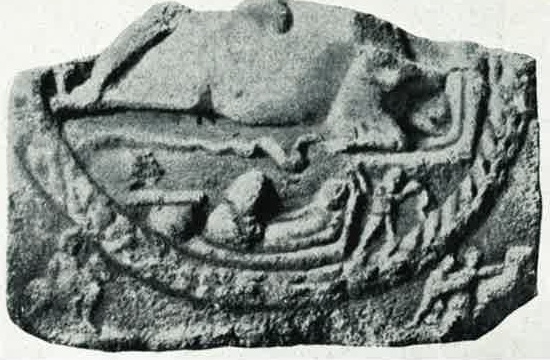
Lower part of a marble tauroctony relief from Küstendil, ancient Pautalia in Moesia Superior, preserving only the lower half of the bull-slaying scene with partially visible legs of the torchbearers.
Fragment of a marble tauroctony statuette from Artschar, ancient Ratiaria in Moesia Superior, preserving Mithras's head, cloak, right foot, the bull's head, and feet.
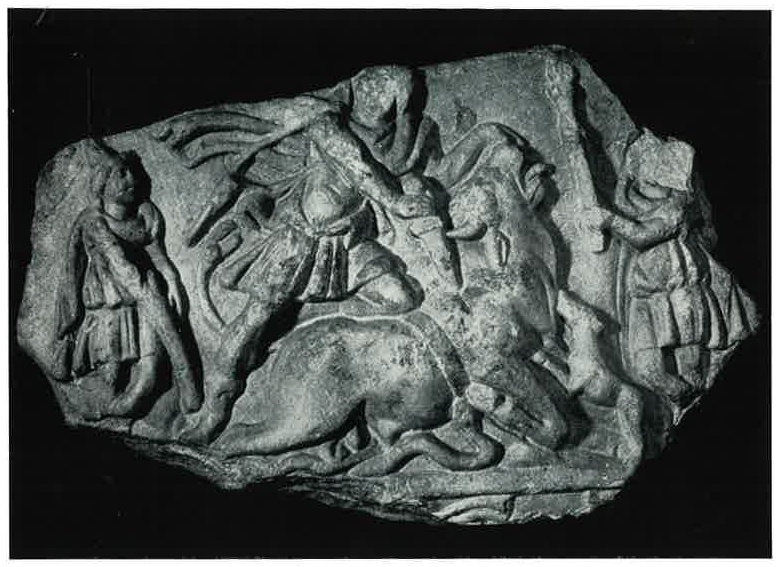
Marble tauroctony relief fragment from Tekija in east Serbia, ancient Transdierna in Moesia Superior, depicting the standard bull-slaying scene.
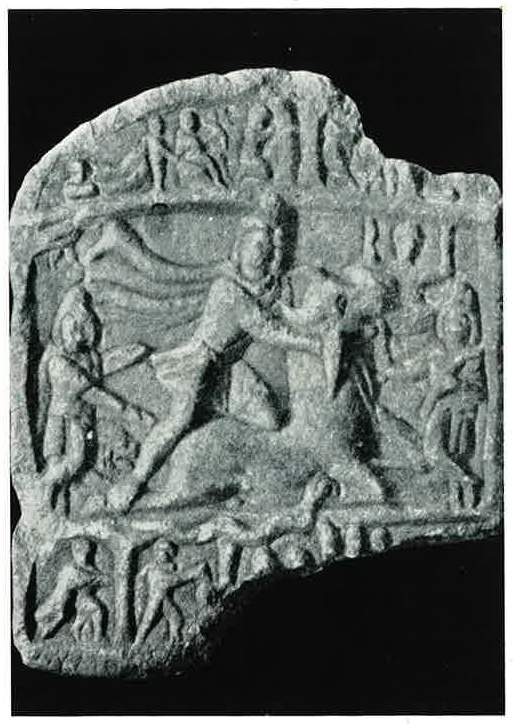
Marble tauroctony relief from Janjevo near Kosovo, Moesia Superior, whose right corners are broken off; the current whereabouts are unknown.
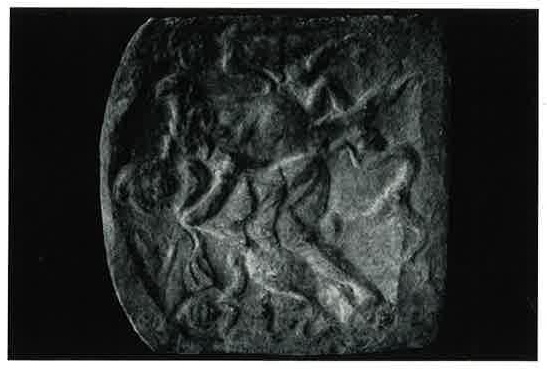
Reddish-white marble tauroctony relief from Slăveni-Romanați, Dacia, depicting the standard bull-slaying with the full iconographic programme.
White marble tauroctony relief from Slăveni-Romanați, Dacia, with the raven perched on the grotto's border; the right upper corner is broken off.
Two white marble tauroctony relief fragments from Slăveni-Romanați, Dacia, depicting the standard bull-slaying scene.
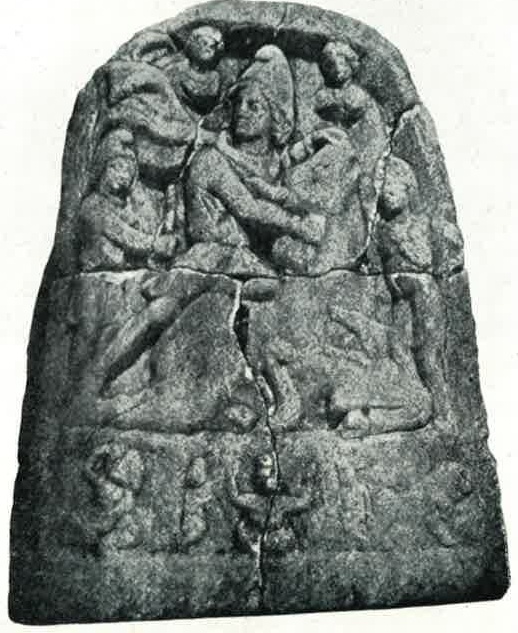
White marble tauroctony relief in five fragments from Dupljane near Călan, ancient Aquae in Dacia, found in 1900, depicting the bull-slaying with the standard iconographic programme.
Rocky pass about twenty minutes south of Prozor, Dalmatia, containing a rock niche with a carved Mithraic scene; probably a secondary cult place related to the Vitalj sanctuary.
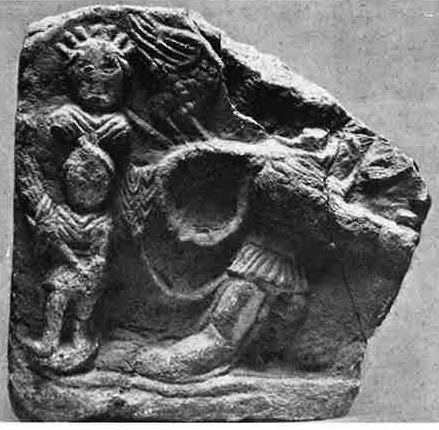
Yellow limestone tauroctony relief found in the bed of the brook Obdulje at Sinać near Otočac in the Lika, Dalmatia, depicting the standard bull-slaying scene.
Bronze plate from Budapest, ancient Aquincum or vicinity, preserving a Mithraic representation of uncertain composition; no longer in a known collection.
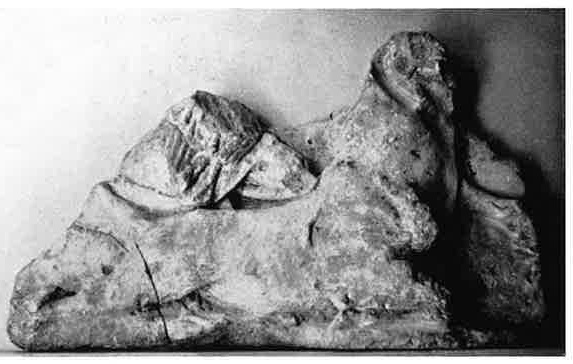
Fragment of a large sandstone tauroctony relief from Schwadorf, ancient Aequinoctium, depicting Mithras killing the bull; the upper part of the god's body, his head, the end of the tail, and the scorpion are lost.
Small Mithraic sanctuary (8 × 8 m) excavated in 1950–52 on a slope west of Schloss Moosham, Noricum, on the left bank of the river Mur; the finds include a marble epistylium, a Mithras head, and fragmentary altars.
Grey sandstone slab from the Mithraeum at Königshoffen, a companion piece to the preceding, recording the same act of repainting a cult image by Caius Celsinius Matutinus, veteran of Legio VIII Augusta Alexandriana.
Marble stele relief with bull-slaying scene and subsidiary Mithraic episodes including the sacred banquet.
Dedication to Mithras from Juslenville by Axius Verus, Quintus Vetius and Probinus.
Group of Mithraic monuments preserved in the museums of Liège.
