Your search Podersdorf am See gave 2331 results.

The Mithraeum of Mainz, was discovered outside the Roman legionary fortress. Unfortunately the site was destroyed without being recorded.
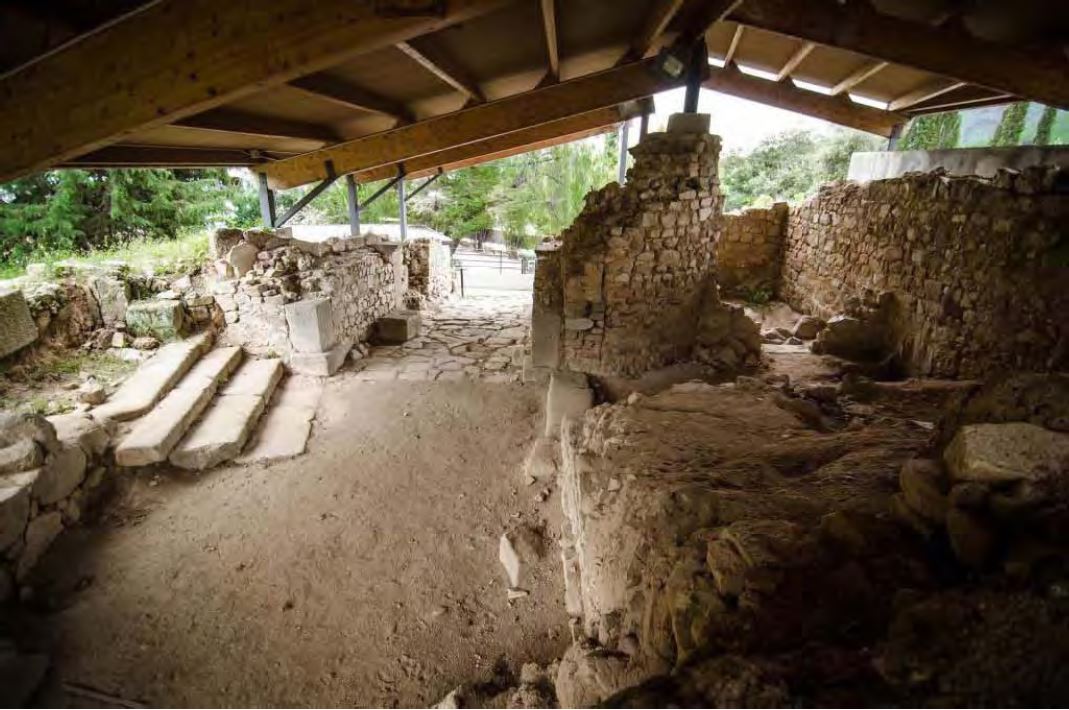
The Roman villa of Can Molodell had a sanctuary that has been related to the cult of Mithras.
This monument to the invincible god Mithras was inscribed on the façade of the church of Aiello deil Friuli, Aquileia.
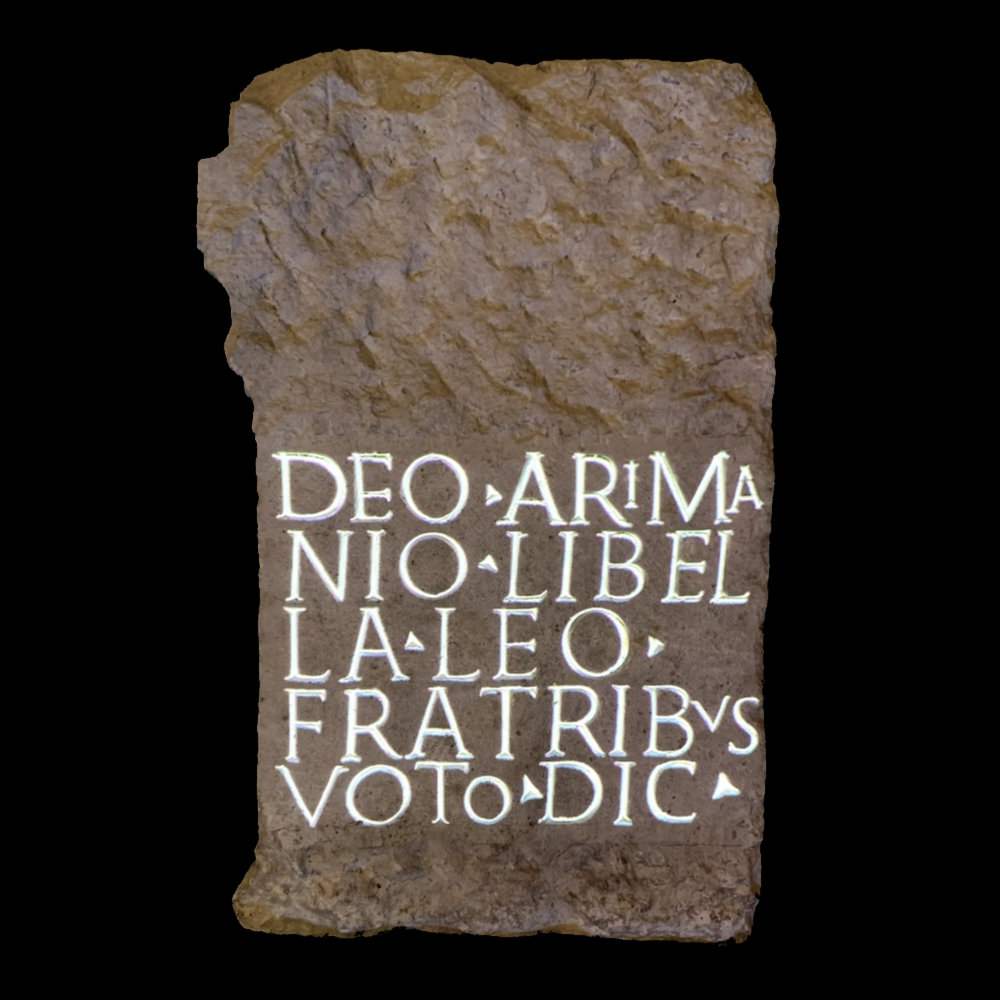
The dedicant of this altar to the god Arimanius was probably a slave who held the grade of Leo.
The Kempraten Mithraeum was unexpectedly discovered during the 2015 excavations near the vicus.

The image of the god Arimanius to which this monument refers has not yet been found.
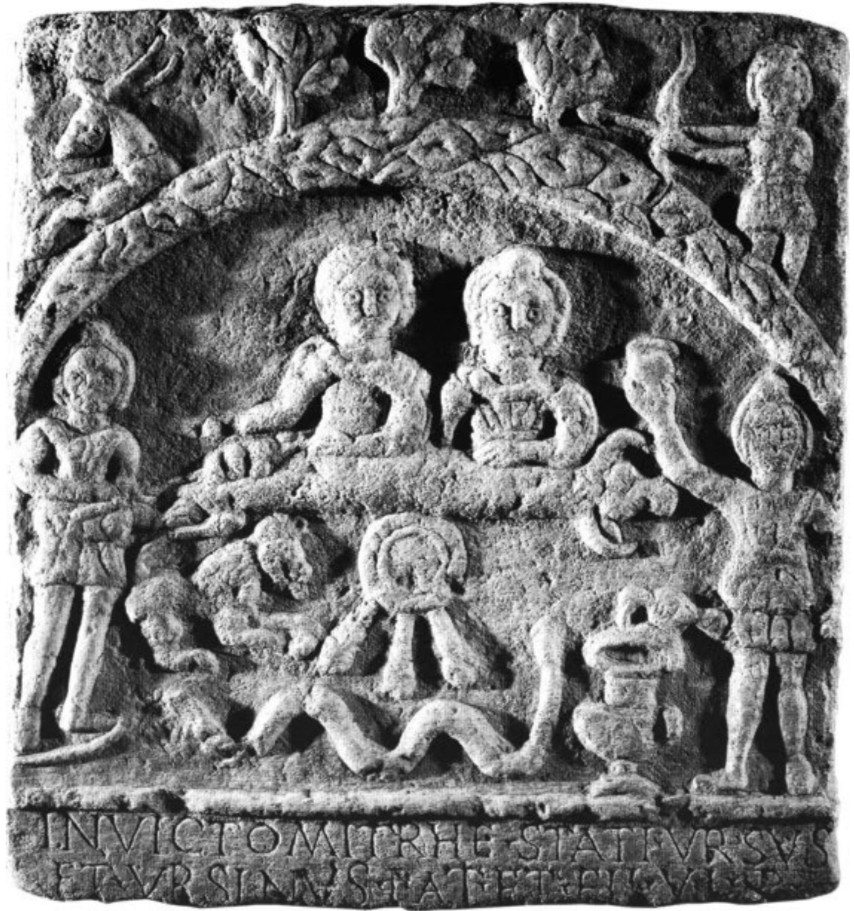
Mithras and Sol share a sacred meal accompanied by Cautes and Cautopates on a relief found in a cemetery from Croatia.
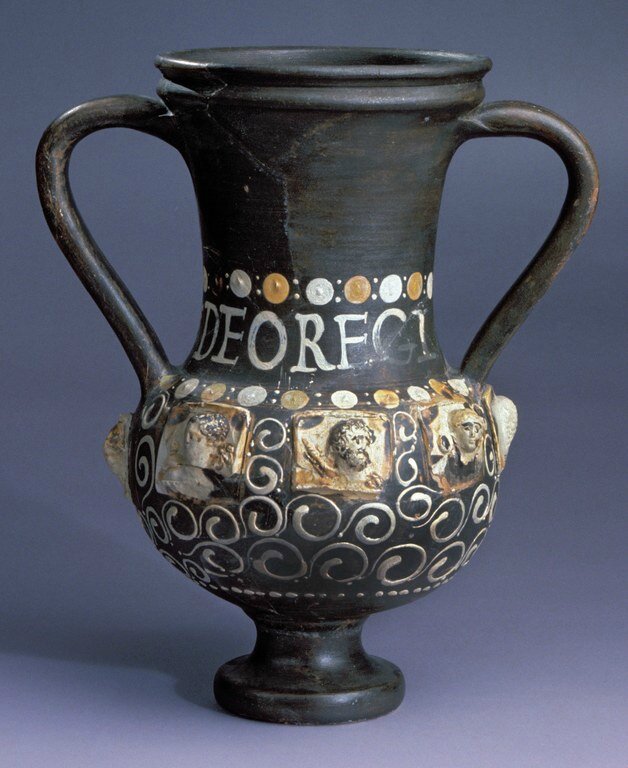
The vase bears an inscription to the god but also 'king' Mithras.
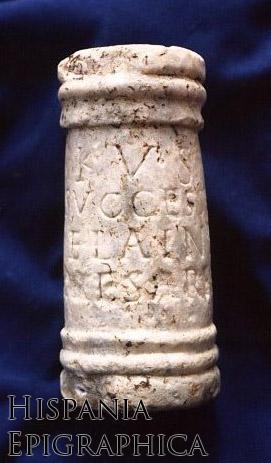
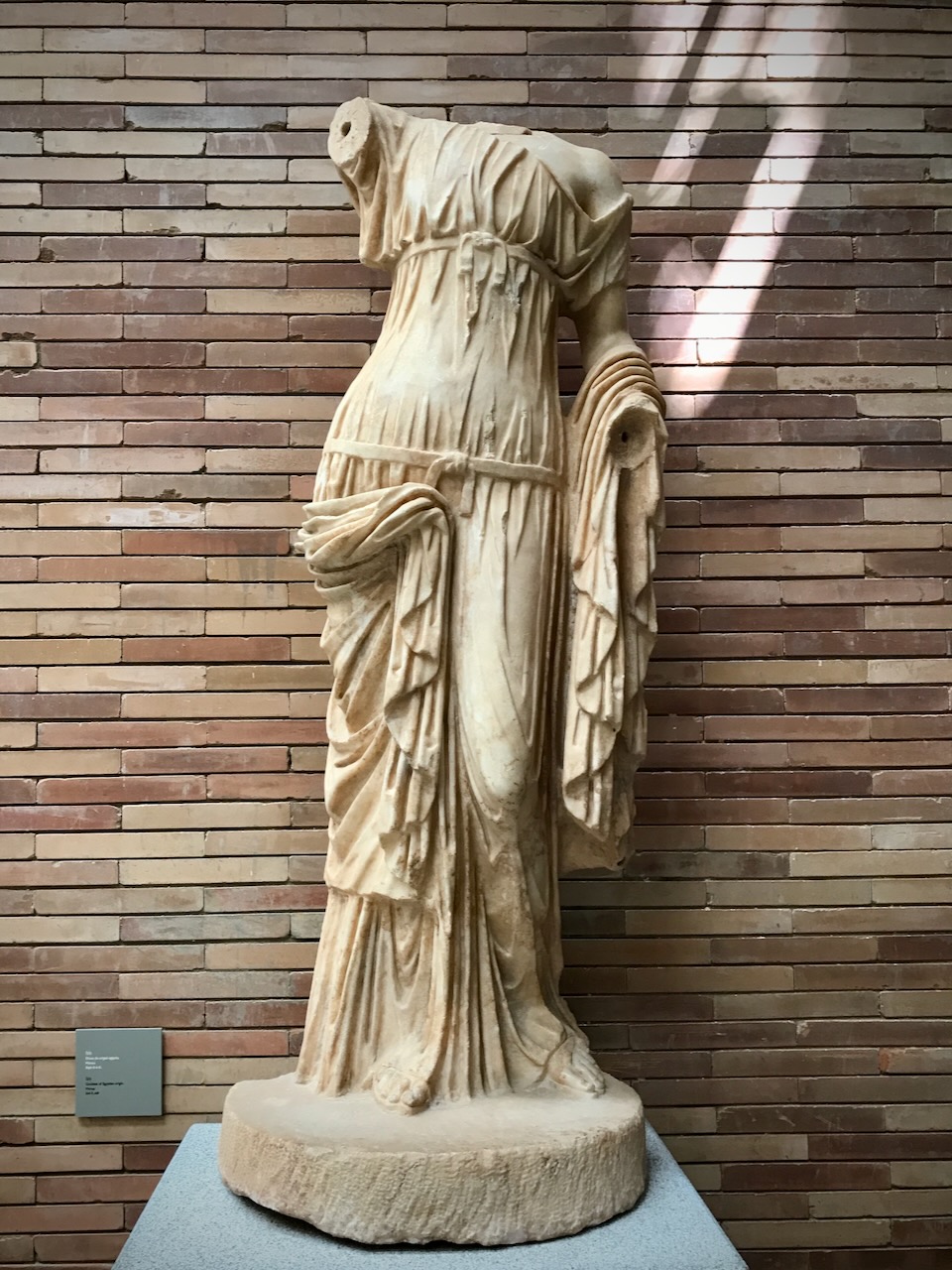
The Isis of Merida is covered by a long dress that reaches down to her feet.
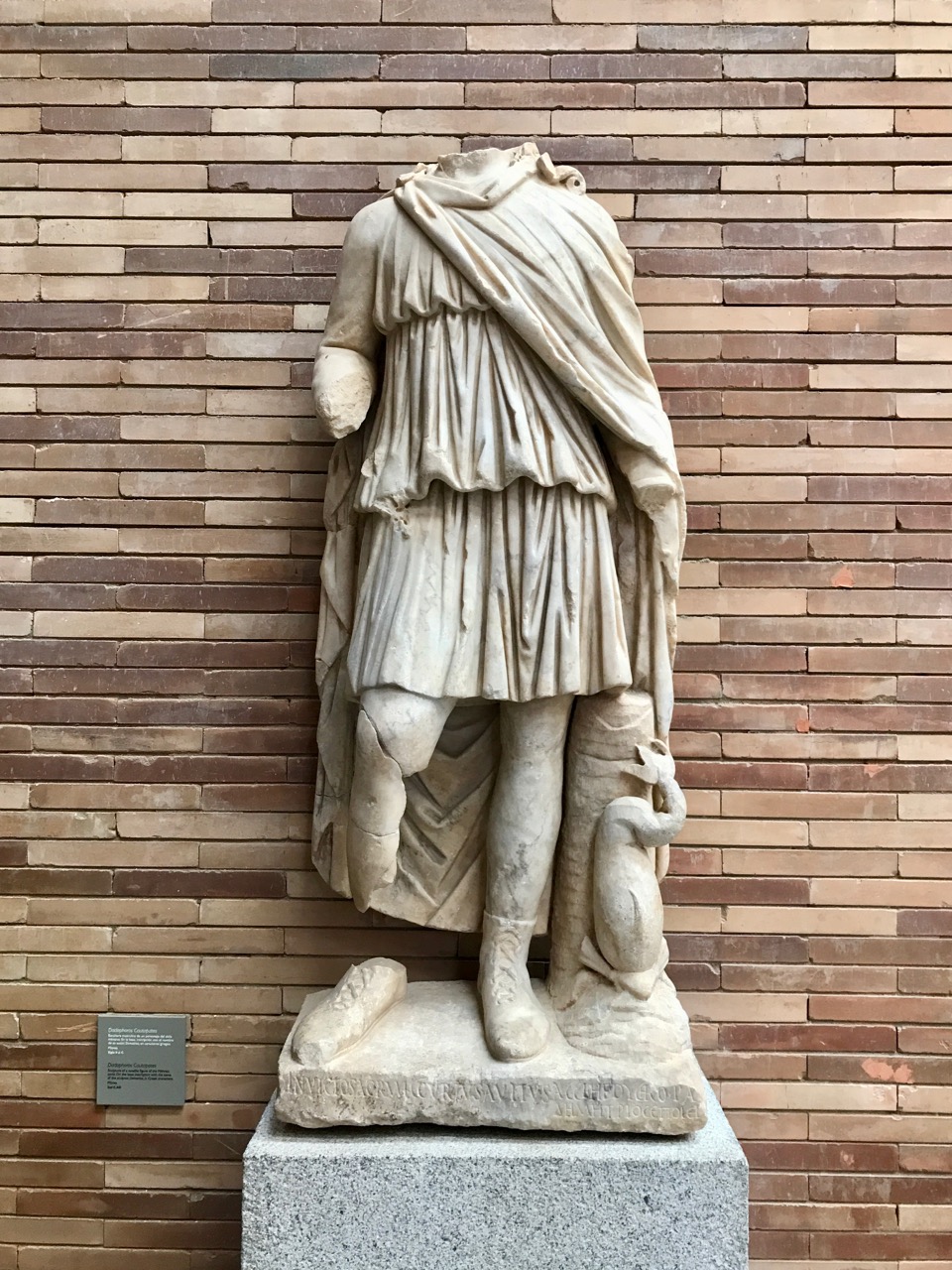
The sculpture of the solar god is signed by its author, Demetrios.
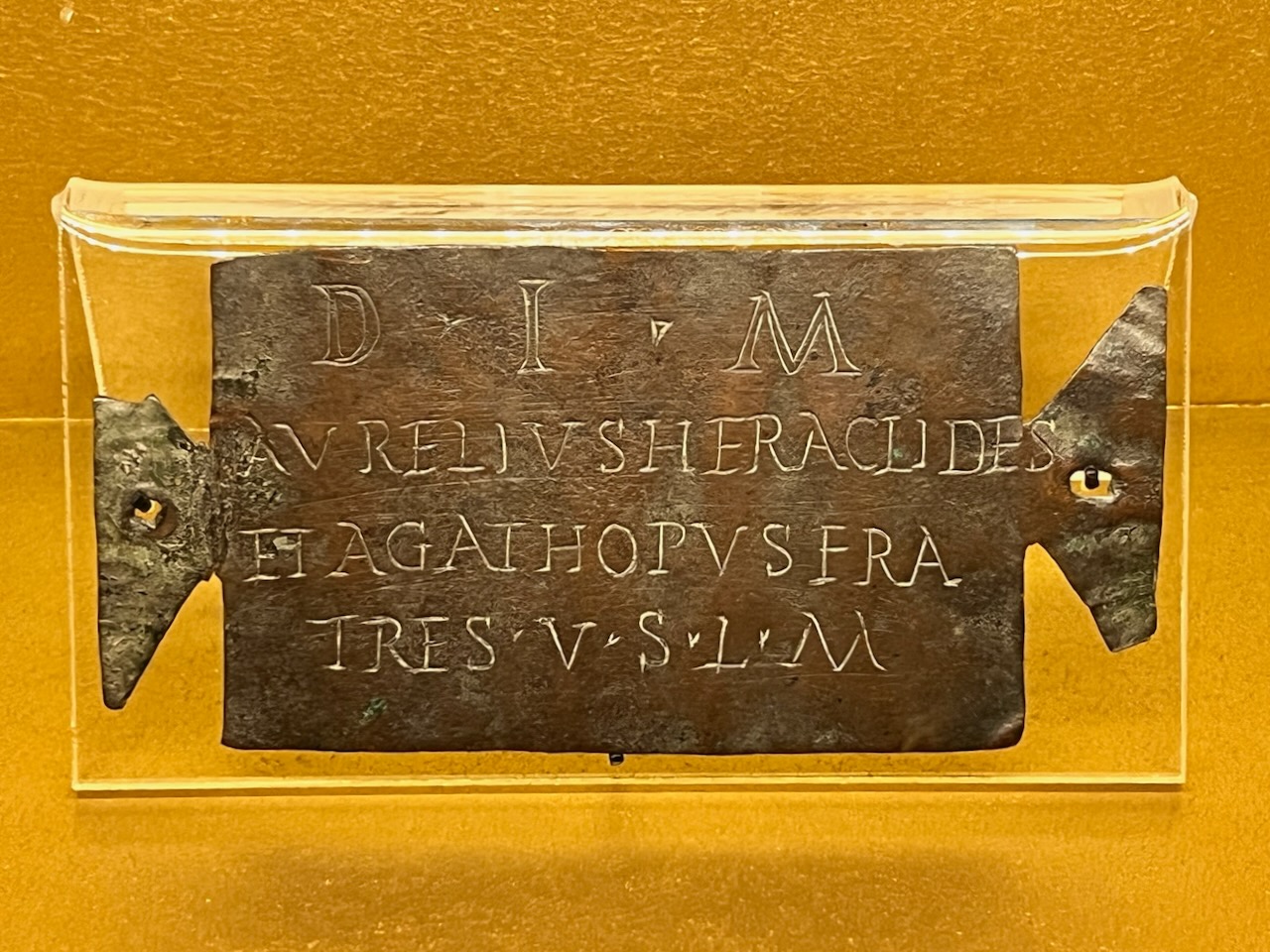
This small bronze tabula ansata was dedicated to Mithras by two brothers, probably not related by blood.
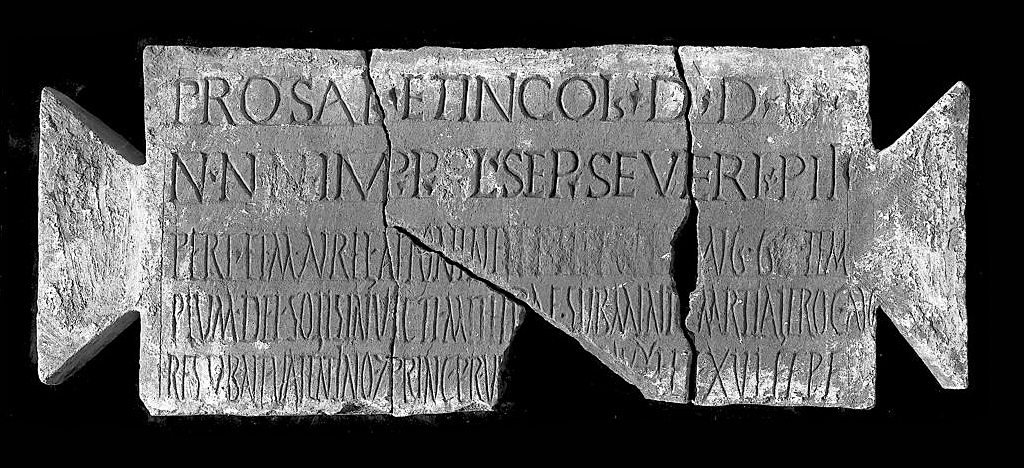
Antonius Valentinus, centurio, made this plaque for the salut des empereurs Septimus Severus and Marcus Aurelius.
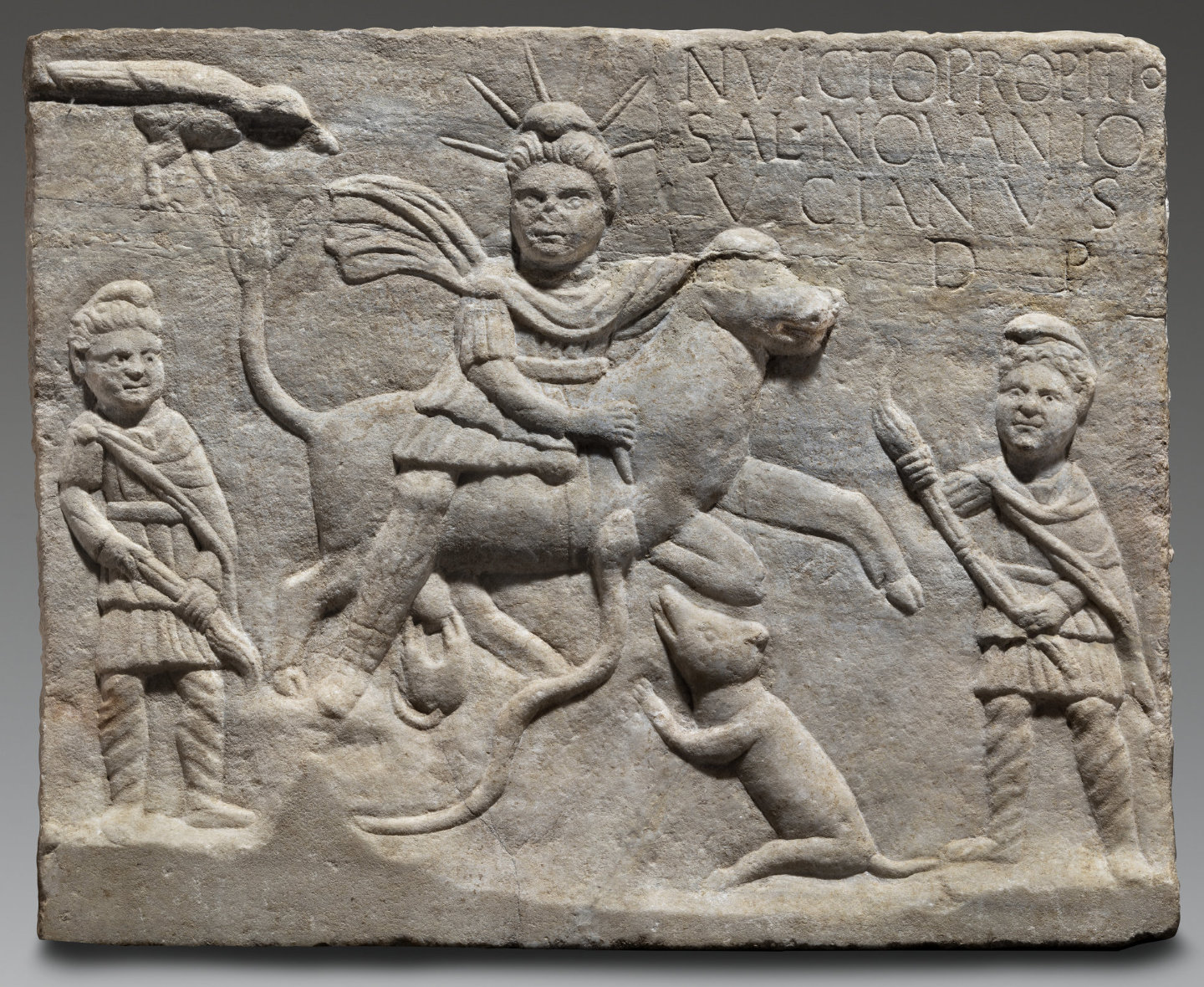
The Macerata Tauroctony shows Mithra slaying the bull with the usual Pyrigian cap and six rays around his head.
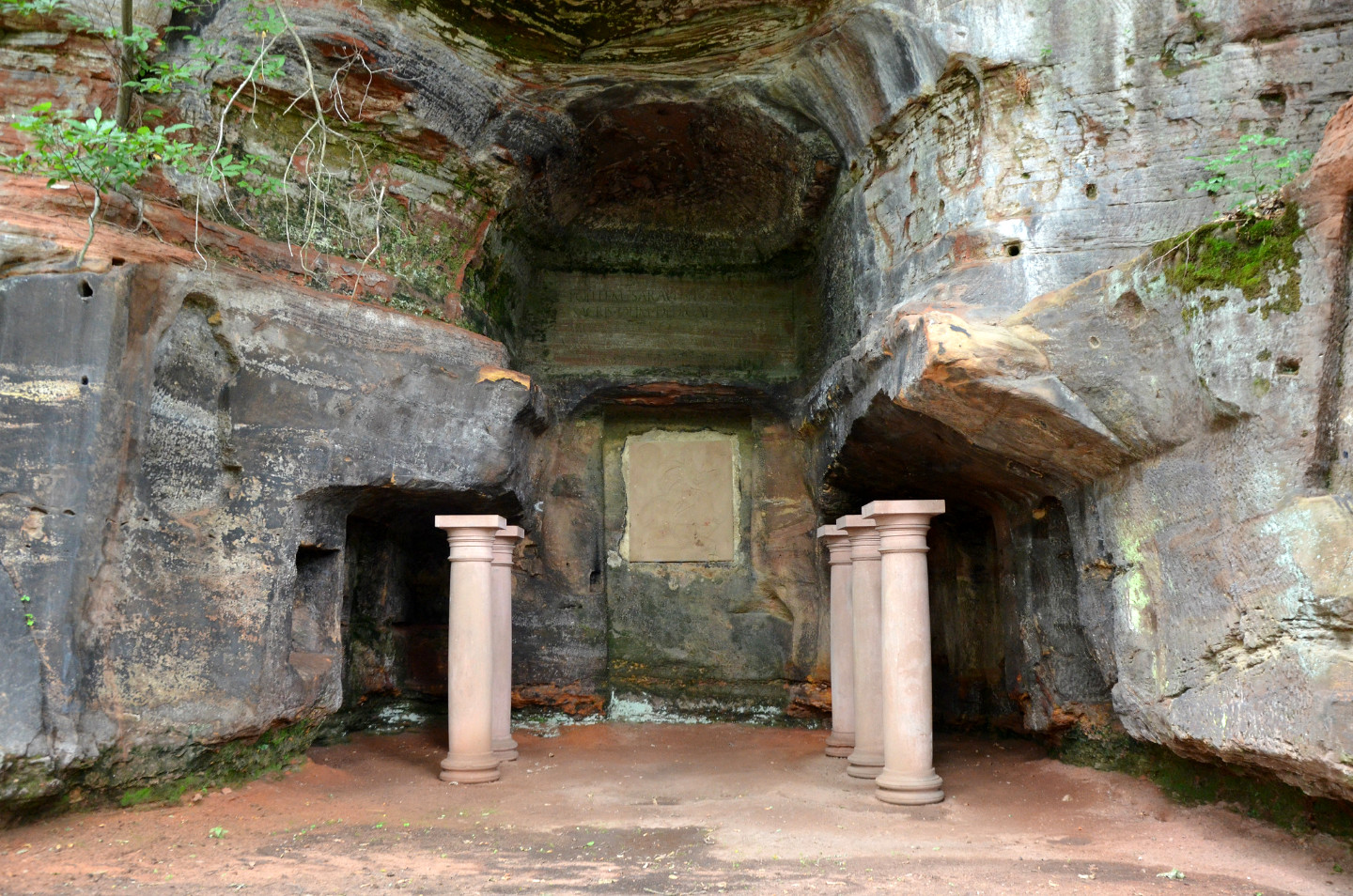
The Mithraeum in Halberg hill, near Saarbrücken, is one of the oldest historical places in the area.
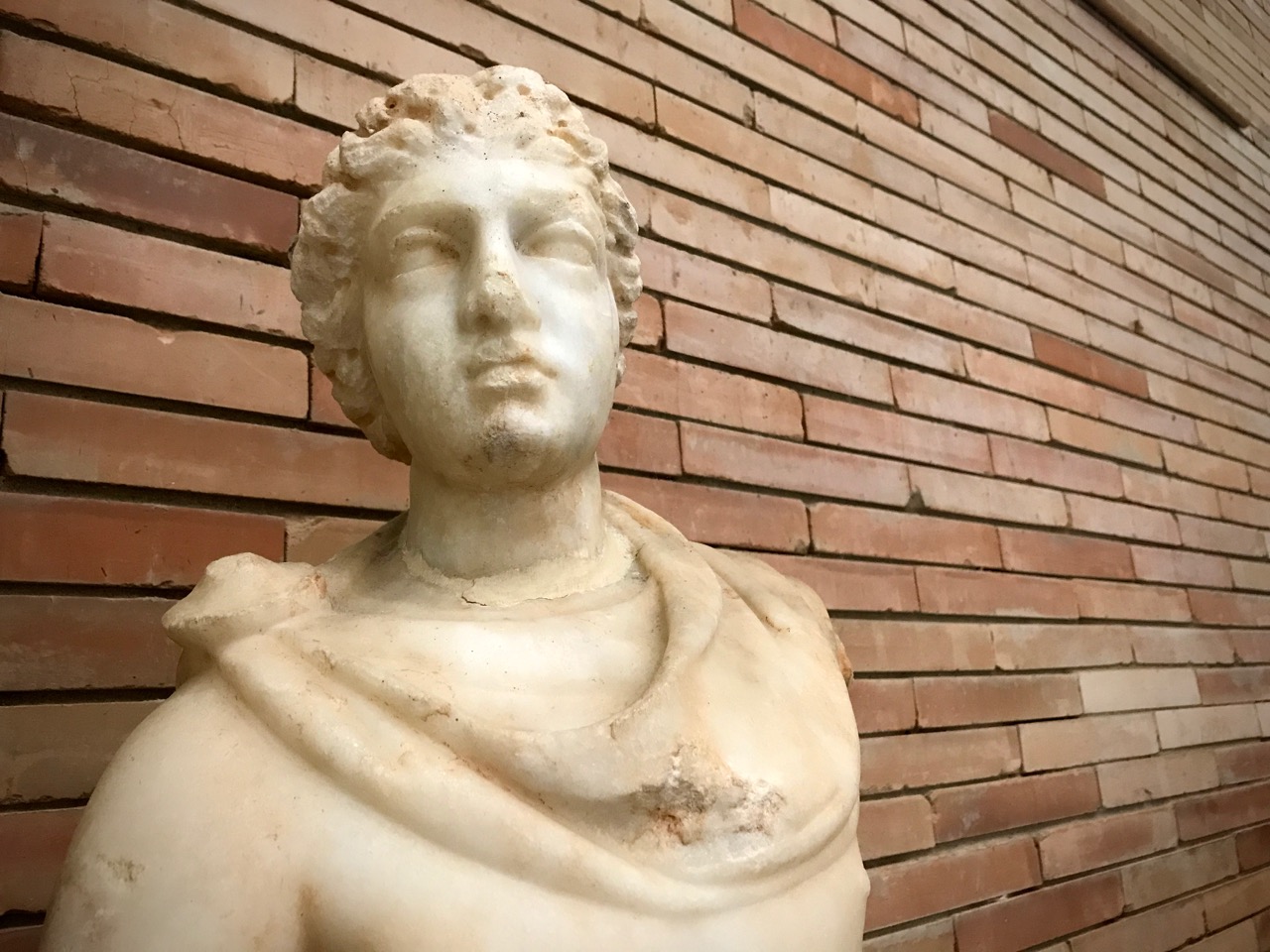
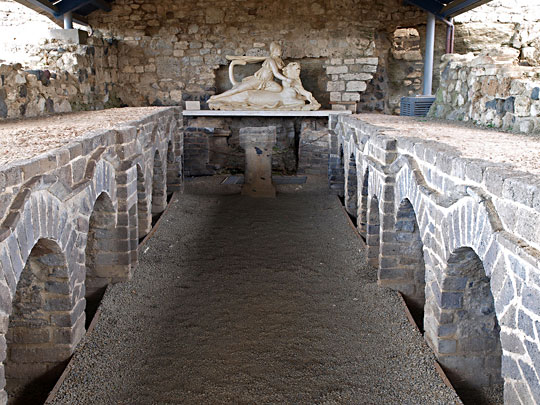
The Mithraeum of Vulci is remarkable because of his high benches and the arches below them.
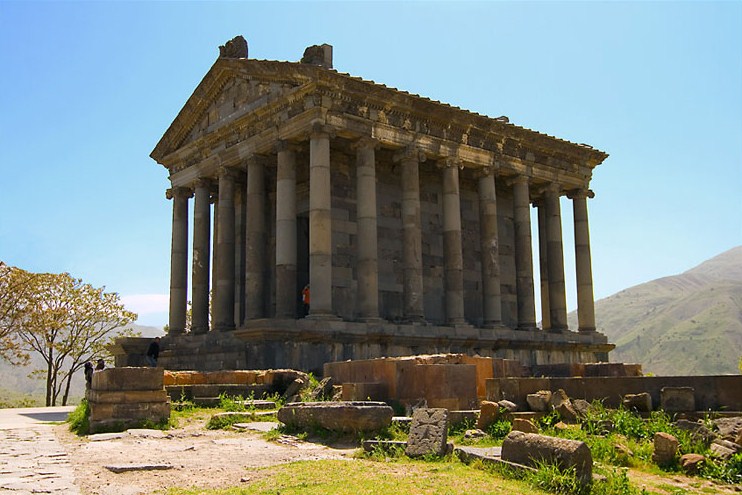
After Christianity was adopted, most pagan monuments were destroyed or abandoned. Garni, however, was preserved at the request of the sister of King Tiridates II and used as a summer residence for Armenian royalty.
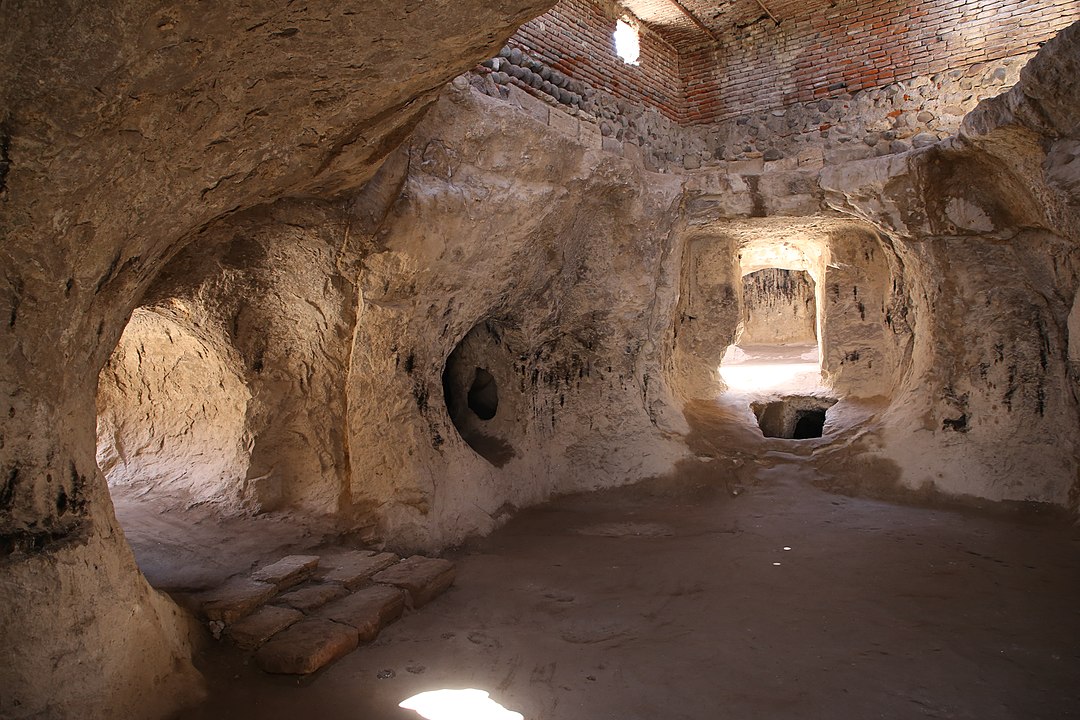
The Mithra Temple of Maragheh, also referred to as the Mithra Temple of Verjuy or simply Mehr Temple, is the oldest surviving Mithraic temple in Iran known to date.
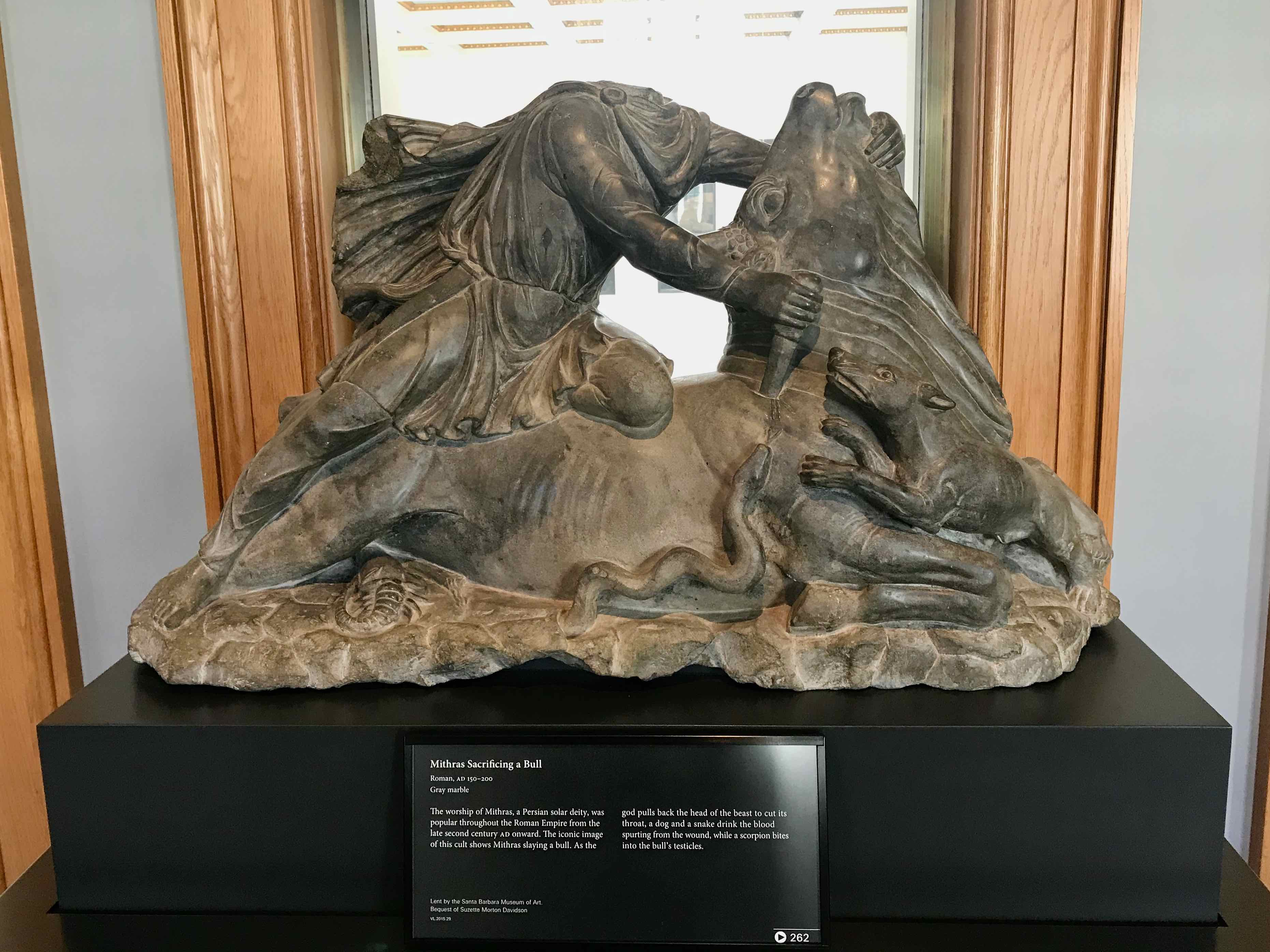
Tauroctony in black marble on display at the Santa Barbara Museum of Art, California.
