Your search Podersdorf am See gave 2324 results.
Questions on the old and new testaments, 113.11. Ambrosiaster, 5th cent.

A black marble cippus from Val Camonica with clear but inelegant lettering, dedicated to Cautopates by G. Munatius Tiro, a duovir iure dicundo, and his son G. Munatius Fronto.
An inscription from the place called La Oneda near Breno in Val Camonica, dedicated to Sol Divinus by L. Apisocius Successus for himself and his four patrons Marcus, Gaius, Lucius and Quintus, with a dagger with ribbons carved below.
Marble funerary stele dedicated to the soldier Aurelius Lucanus, a devotee of Mithras, found at Amasya (ancient Amasia), Pontus.
Lost altar from Zsámbék near Aquincum, Pannonia Inferior, bearing a dedication to Invicto deo; found together with the following piece in a vineyard.
Fragments of censers (Räucherschalen), thirteen lamps, and bronze and iron fittings from Mithraeum II at Stockstadt
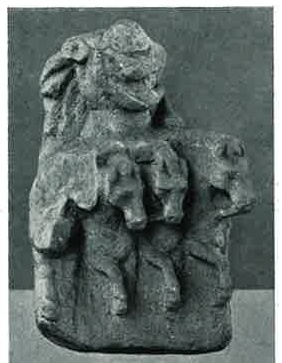
Damaged red sandstone statue from Mithraeum I at Stockstadt depicting the naked Sol standing in a four-horse chariot, head and arms lost
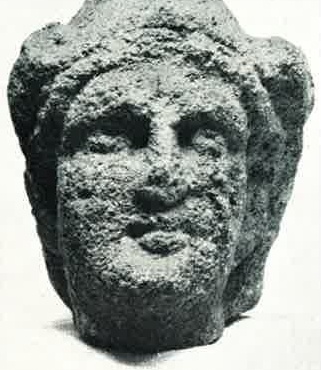
Sandstone fragment from Mithraeum I at Heddernheim, ancient Nida, probably the damaged head of a torchbearer, often misidentified as Mercury.

This plaque, located on the western staircase of the Palace of Darius, mentions the god Mithra together with Ahura Mazda as protectors of King Artaxerxes III Ochus.
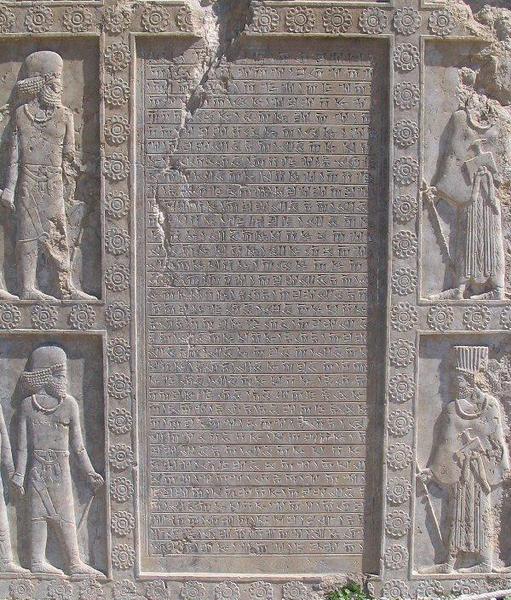
Located at the western entrance to the Palace of Darius in Persepolis, this tablet bears an inscription mentioning Ahuramazda and Mithra.
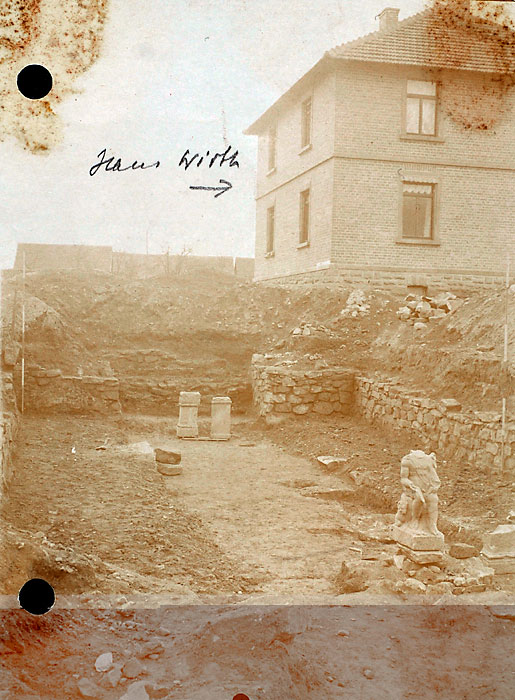
The Mithraeum I in Stockstadt contained images of Mithras but also of Mercury, Hercules, Diana and Epona, among others.

"The remaining figure on this monument, Herakles, was previously misidentified as Apollo on this remarkable black basalt tablet from Samsat, known in Roman times as Samosata.
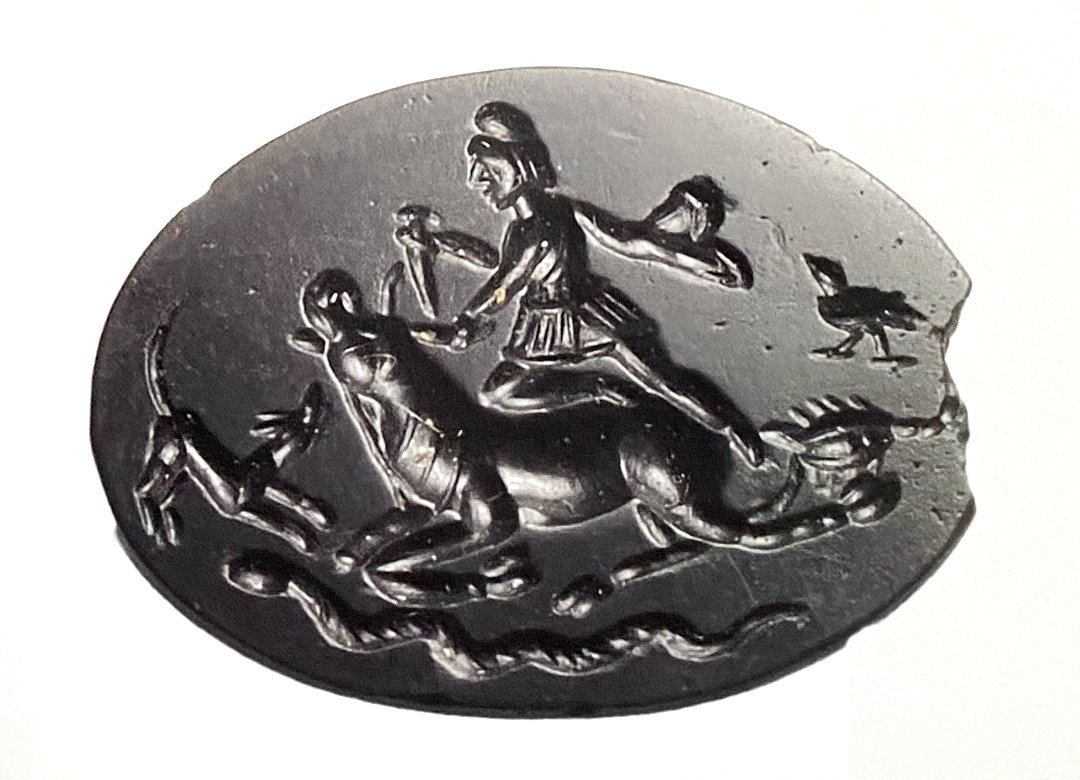
This intaglio with Mithras killing the bull on one side and Kabiros on the other was probably used as a magical amulet.
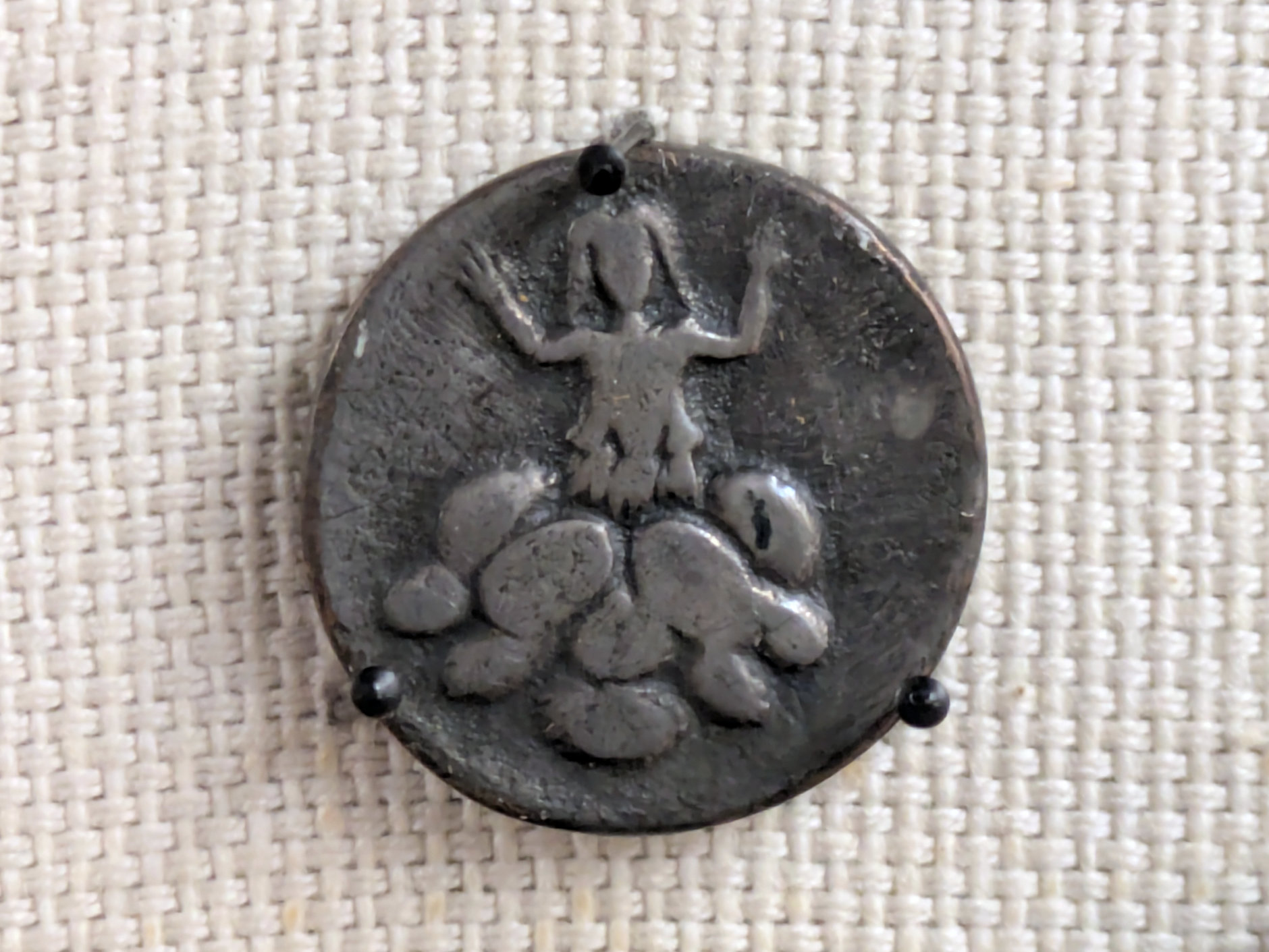
The mithraic denarius of St. Albans dates from the 2nd century.

Slab found at Tazoult-Lambèse dedicated to the Unconquered god Sol Mithras by the governor of Numidia Marcus Aurelius Decimus.
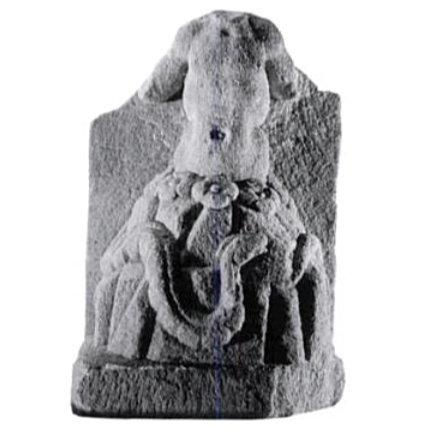
This sculpture of Mithras born from a rock was found in 1922 together with two altars in what was probably a mithraeum.
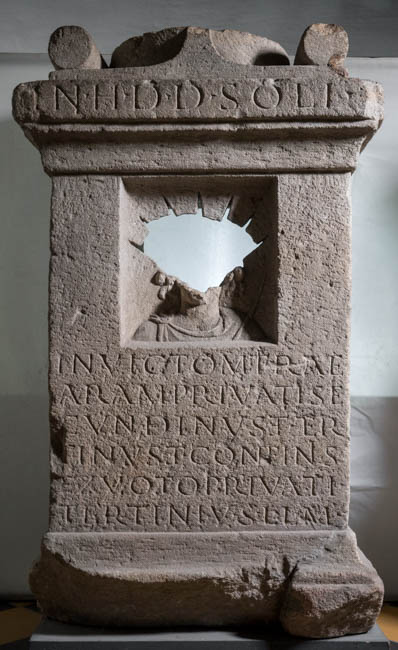
The altar of the Sun god belongs to the typology of the openwork altar to be illuminated from behind.
Ceramic finds from both excavations of the Mithraeum at Borcovicium (modern Housesteads), comprising red and thin black-glazed pottery fragments together with a silver coin of Faustina Minor, indicating the sanctuary was in use before 253 A.D. and was most likely destroyed by fire…

