Your search Publius Papinius Statius gave 36 results.
This inscription, which doesn’t mention Mithras, was found near the church of Santa Balbina on the Aventine in Rome.
This altar to Mithras found in Aquilieia mentions several persons of a same community.
This altar for the completion of a temple to Sol Invictus by Flavius Lucilianus was found in Fossa, Italy.
This inscription reveals the existence of a Mithraeum on the island of Andros, Greece, which has not yet been found.
Ernest Renan suggested that without the rise of Christianity, we might all have embraced the cult of Mithras. Nevertheless, it has had a lasting influence on secret societies, religious movements and popular culture.
This altar was erected by Hermadio, who also signed other monuments in Dacia and even in Rome.
Aelius Nigrinus dedicated this small altar in Carnuntum to the rock from which Mithras was born.
This plaque from Carsulae, in Umbria, refers to the creation of a leonteum erected by the lions at their own expense.
According to Hitzinger remnants of animal bones were found in front of the relief of the Mithraeum at Rozanec.
This marble base found in Angera in 1868 bears the inscription of two people who reached the degree of Leo.
This monument to the invincible god Mithras was inscribed on the façade of the church of Aiello deil Friuli, Aquileia.
Mithras and Sol share a sacred meal accompanied by Cautes and Cautopates on a relief found in a cemetery from Croatia.
Between the 1st and 4th centuries, Mithraism developed throughout the Roman world. Much material exists, but textual evidence is scarce. The only ancient work that fills this gap is Porphyry’s intense and complex essay.
Twelve centuries separate the decline of Roman Mithraism from the dawn of Freemasonry. Twelve centuries during which the mysteries of Mithras have remained more secret than ever.

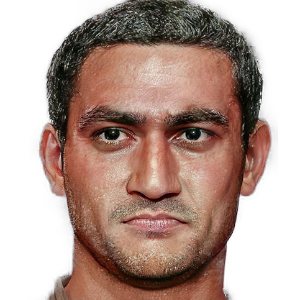
Roman emperor from 253 to 260, he was taken captive by Shapur I of Persia. He was thus the first emperor to be captured as a prisoner of war.
