Your search Roger Beck gave 51 results.
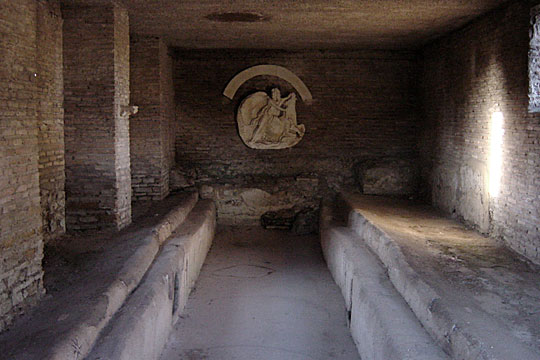
The Mithraeum of the Seven Spheres (Sette Sfere) is of great importance for the understanding of the cult, because of its black-and-white mosaics depicting the planets, the zodiac and related elements.
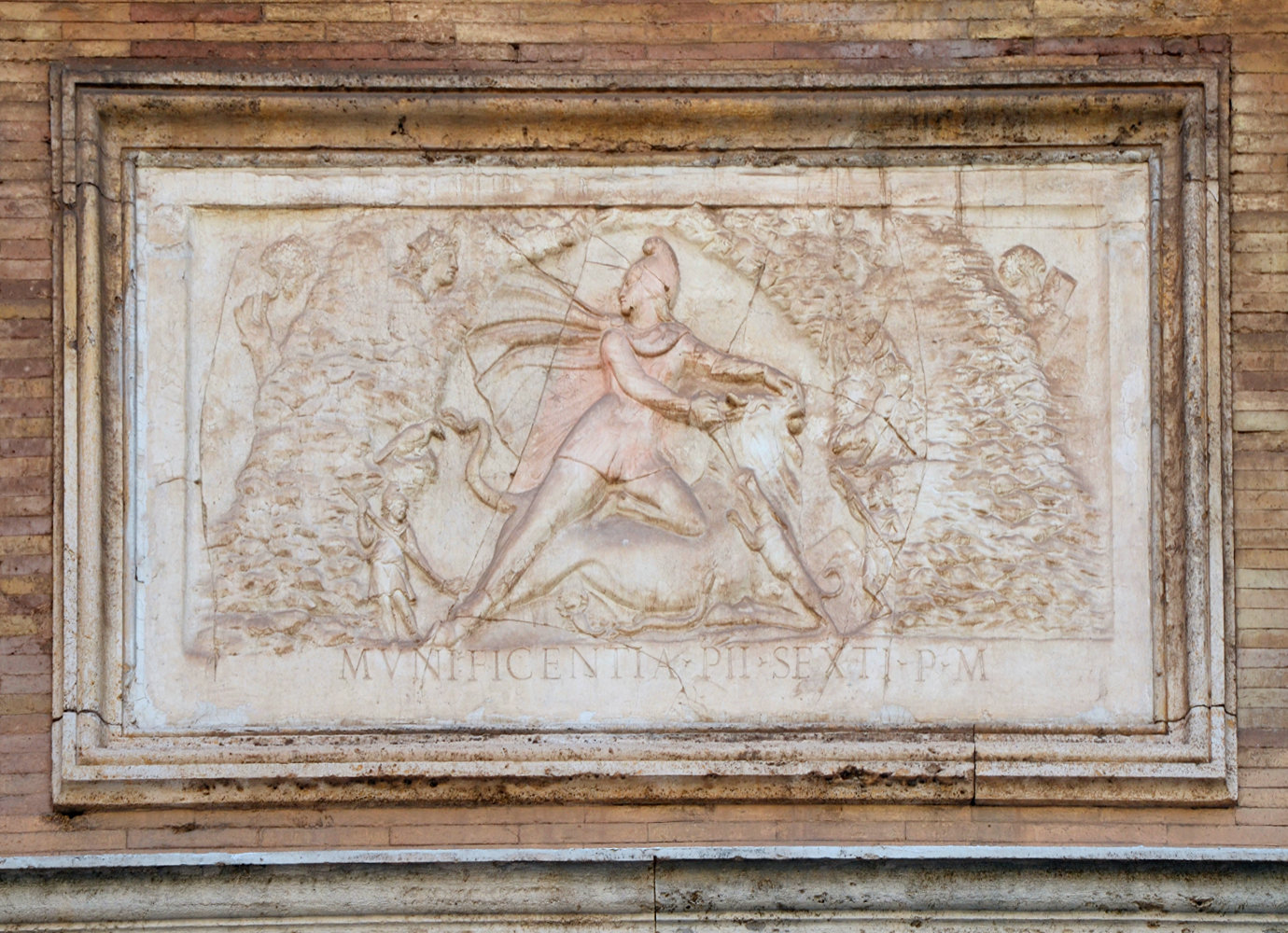
The Tauroctony relief of Mithras killing the bull walled in the Cortile of the Belvedered, Vatican City, was found by Fagan near Ostia.
Altar from Eisenstadt, Pannonia Superior, dedicated to Deo invicto Mithrae by Titus Claudius Frontinus, centurion of Legio XIIII Gemina.
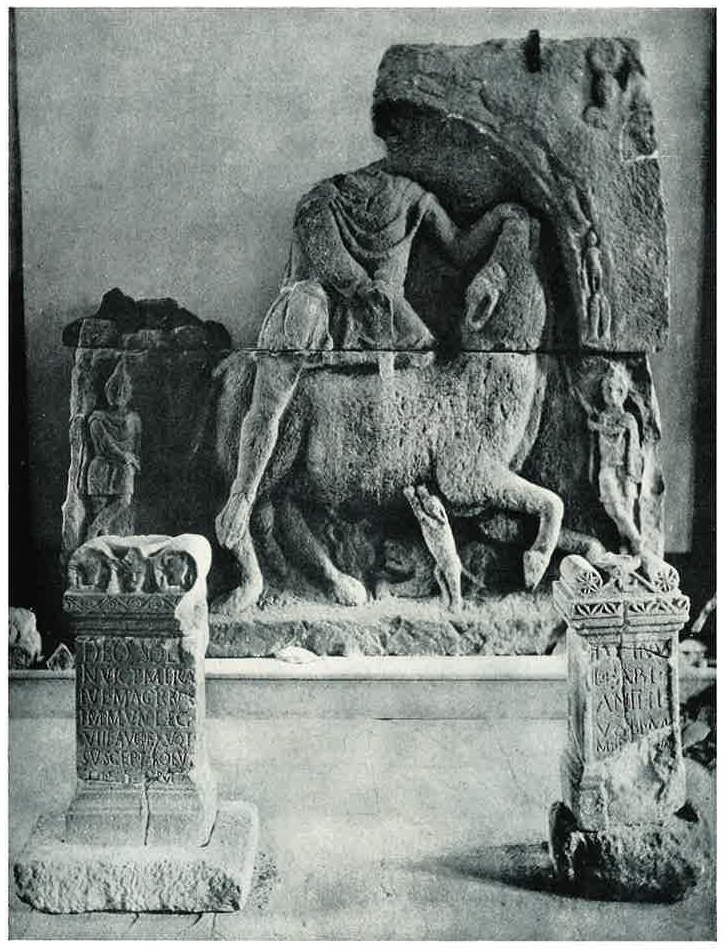
Large two-fragment sandstone tauroctony relief from the Mithraeum at Gross-Krotzenburg, one of the most significant Mithraic monuments in the region

The tauroctonic relief from Dragus includes a naked flying figure that Vermaseren has identified as Phosporus or Lucifer.

Altar from Carnuntum, Pannonia Superior, dedicated to the Transitus — the Mithraic transit ritual — by Caius, an association also attested at Brigetio and Poetovio.
Lost inscription from Carnuntum, Pannonia Superior, dedicated to Soli invicto deo by Quintus Livinius Senecio, veteran of Legio XIIII Gemina; dated to the second or third century.
Sandstone altar from Carnuntum, Pannonia Superior, found near the theatre in 1890, dedicated to Deo Soli by Aurelius Exuperatus.
Small sandstone altar from Carnuntum, Pannonia Superior, dedicated to Deo Soli invicto by a dedicant whose name reads Sacellus; found in the Burgfeld in 1878.
Altar from Carnuntum, Pannonia Superior, dedicated to Soli invicto Mithrae by Lucius Aelius Leo, miles of Legio XIIII Gemina.
Small altar from Petronell, ancient Carnuntum, Pannonia Superior, dedicated to Mithras (spelt Motre) by Caius Rip-, who made the altar as merited; the garbled spelling suggests a non-Latin speaker.
Altar from Petronell, ancient Carnuntum, Pannonia Superior, dedicated to Deo invicto Mithrae by Aurelius, whose name is only partially preserved.
Small sandstone altar from Mithraeum III at Carnuntum, Pannonia Superior, dedicated by Munatius, a centurion of an unspecified legion.
Altar from Mithraeum I at Carnuntum, Pannonia Superior, dedicated to Deo invicto by Valerius Victorinus, optio of Legio X Gemina.
Two sandstone altar fragments from Mainz, ancient Mogontiacum, with a partially preserved dedication to Deo invicto Mithrae

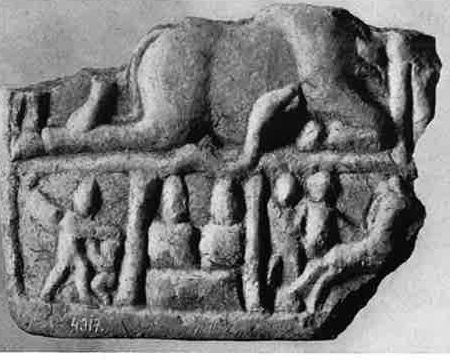
Fragment of a white sandstone tauroctony relief from Mainz, ancient Mogontiacum, found reused in the wall of a house in 1864
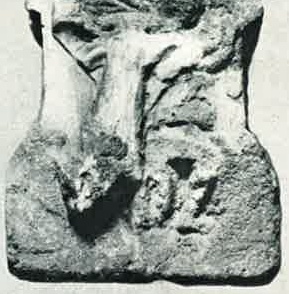
Small sandstone altar from Mithraeum I at Heddernheim, ancient Nida, bearing a snake and cult imagery consistent with Mithraic worship
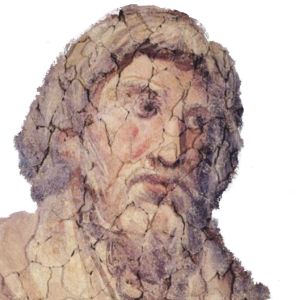
North African author, Platonic philosopher and rhetorician associated with the Mithraic milieu of Ostia.
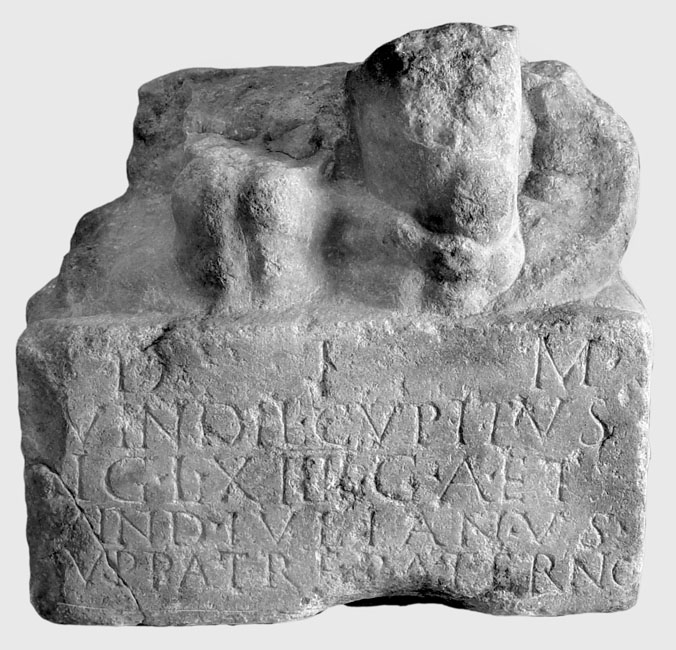
Only parts of the knees of Mithras, emerging from the rock, have been preserved from this monument of Petronell-Carnuntum, Austria.
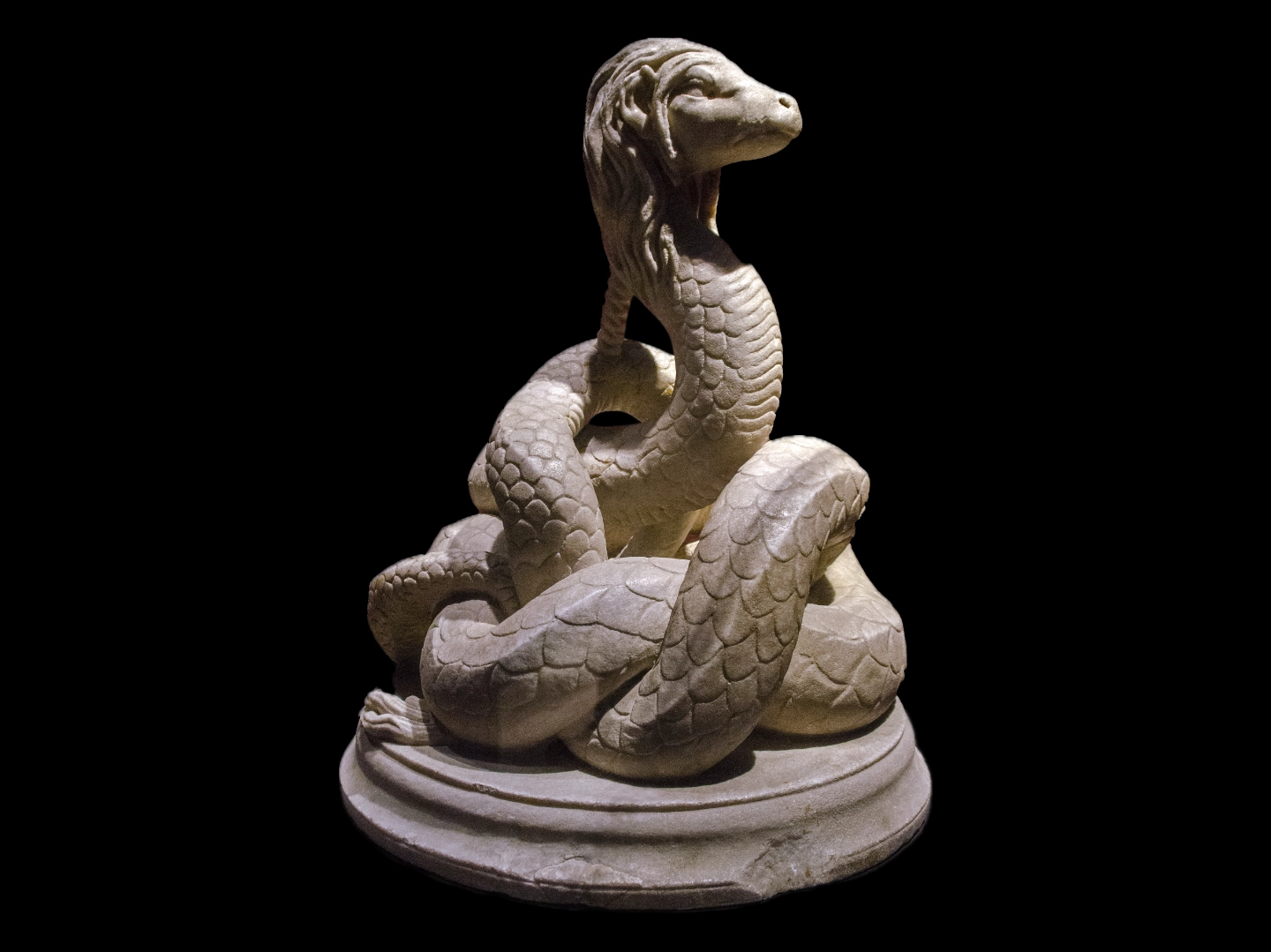
At Rome’s twilight, amid political upheaval and Christian ascendancy, Vettius Agorius Praetextatus embodied pagan intellect, virtue, and authority across senatorial, military, and mystical spheres.
