Your search Roger Jehu Bull gave 454 results.
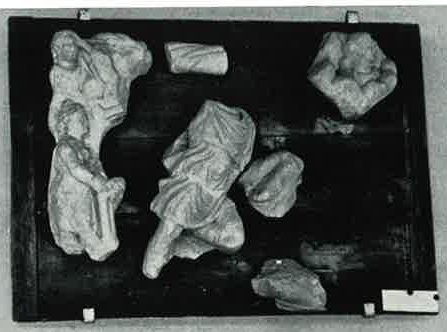
Marble tauroctony relief from Mithraeum III at Ptuj, ancient Poetovio, preserving Mithras killing the bull — head and most of the flying cloak lost — flanked by Cautopates holding the torch downward.
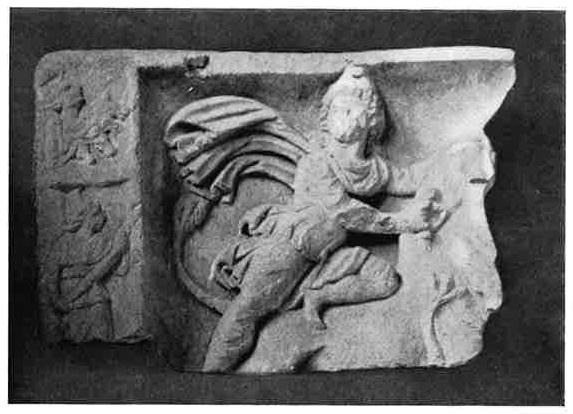
Marble tauroctony relief fragment from Mithraeum III at Ptuj, ancient Poetovio, notable for a three-headed serpent and a dog attempting to lick the blood; the bull's tail ends in three corn-ears.

Terracotta statuette from Mithraeum II at Ptuj, ancient Poetovio, depicting Mithras as bull-slayer with yellow-painted garments; the piece was not recovered during the author's visit and may be lost.
Foremost portion of a marble tauroctony relief from Mithraeum II at Ptuj, ancient Poetovio, preserving the bull's forepart, the serpent's head, the turning dog, and Cautes raising the torch with both hands.
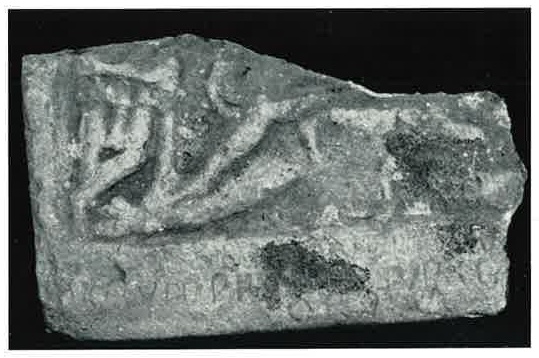
Marble relief from Mithraeum II at Ptuj, ancient Poetovio, preserving the lower part of the tauroctony with a bull in full extension, the scorpion, and a serpent with upraised head, together with Cautopates behind the bull.

Left portion of a marble tauroctony relief from Mithraeum II at Ptuj, ancient Poetovio, preserving the bust of Sol and below it standing Cautopates with a downward torch, together with the bull's hind-leg and Mithras's right leg.
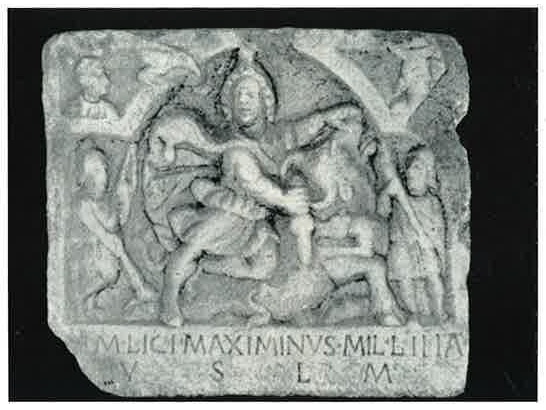
White marble tauroctony relief from Mithraeum II at Ptuj, ancient Poetovio, depicting Mithras in Oriental dress killing the bull with a girdle and the raven perched on the grotto's border.
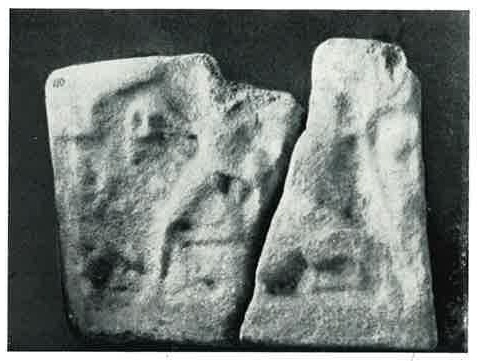
Weathered marble tauroctony relief in two fragments from Ruše, Noricum, depicting the bull-slaying with only the dog visible, flanked by two torchbearers both holding their torches upraised; no Sol or Luna.

Small marble tauroctony relief from Ruše, Noricum, badly weathered, depicting the bull-slaying in a grotto-like niche with cross-legged torchbearers on bases.
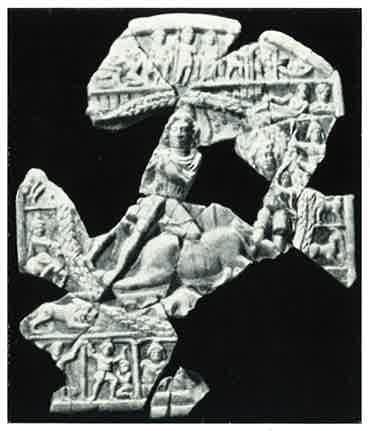
Fragments of a white marble arched tauroctony from Mithraeum III at Heddernheim, ancient Nida, showing Mithras killing the bull in a leaf wreath
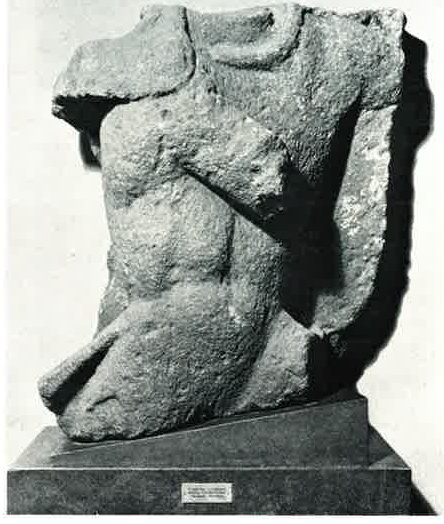
Marble relief fragment showing Mithras slaying the bull, originally belonging to a lost second Mithraeum at Friedberg.
Small marble relief of Mithras slaying the bull within a wreath decorated with zodiac signs.
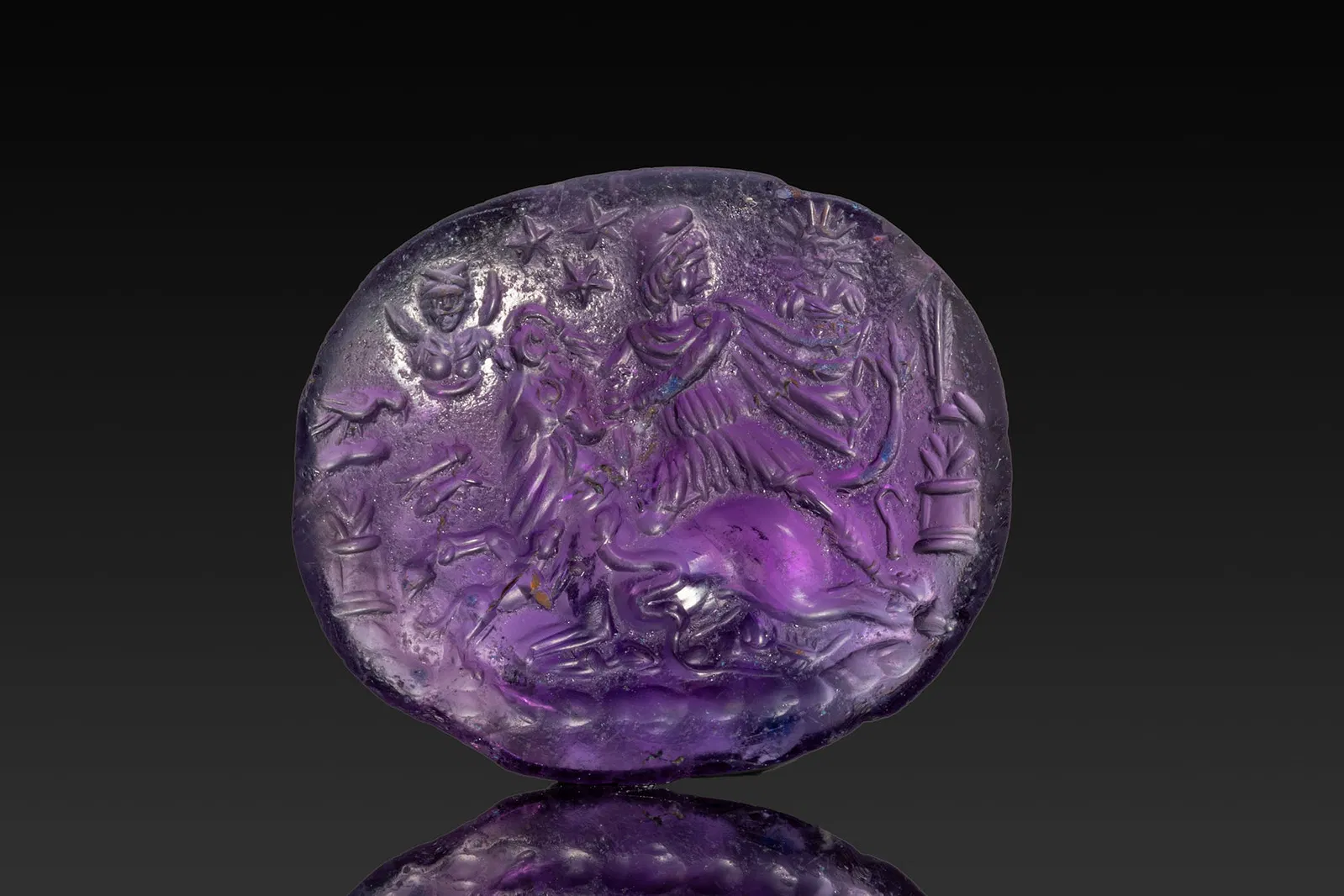
Amethyst intaglio engraved with Mithras slaying the bull, accompanied by Sol, Luna and other canonical Mithraic symbols.
Small surviving fragment depicting Mithras as bull-slayer together with the torchbearer Cautes.
Scene from a bull-slaying relief preserving the dagger of Mithras, the dog and the raised torch of Cautes.
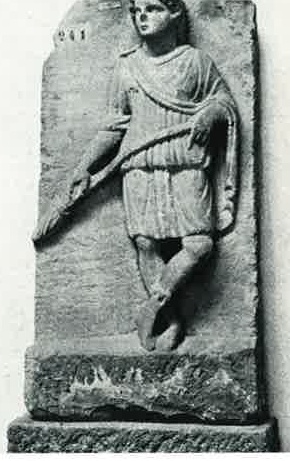
Relief in red sandstone originally standing on a base in Mithraeum I at Heddernheim, ancient Nida, featuring the bull-slaying scene.
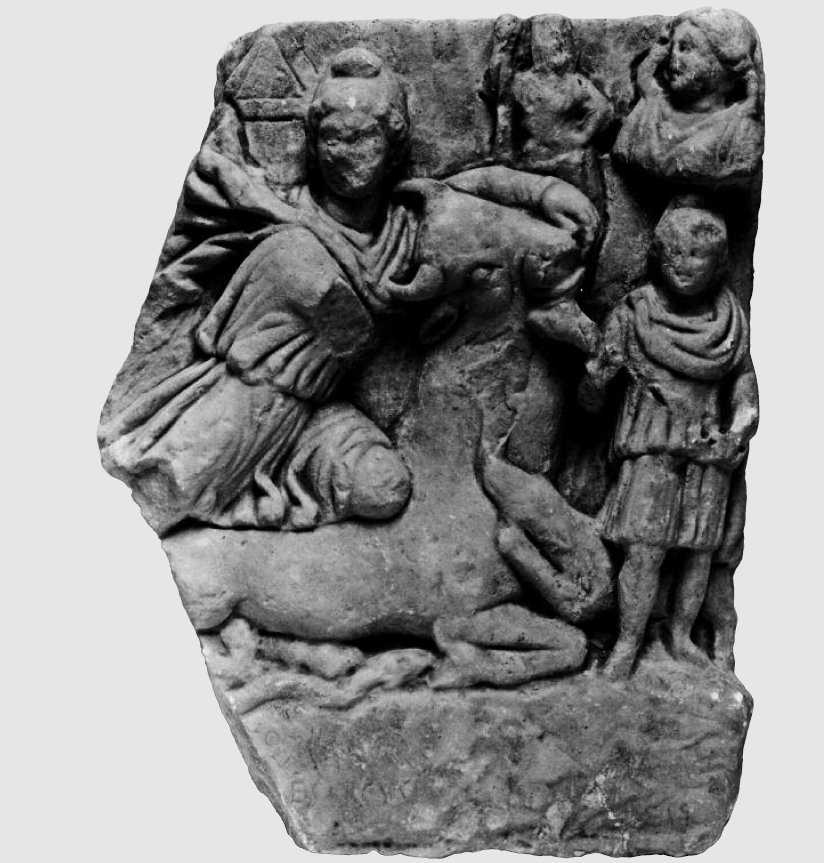
The Tauroctony of Patras was found years before the temple over which the relief of Mithras sacrificing the bull was supposed to preside.
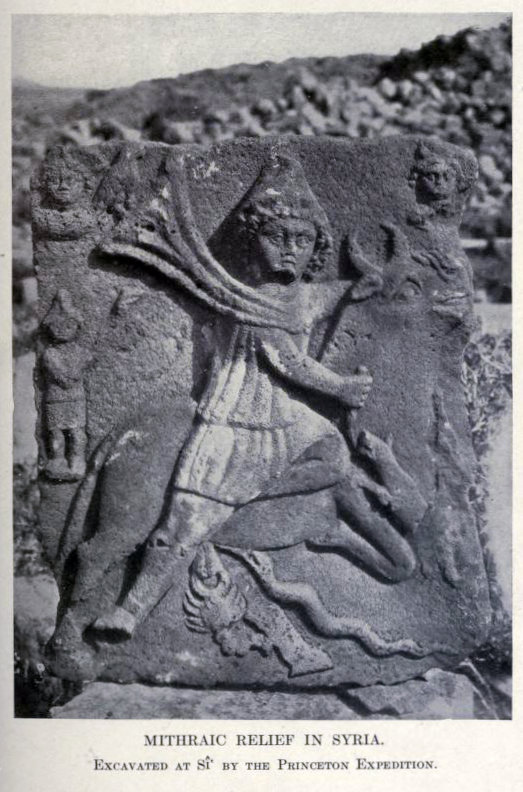
In the tauroctony of Jabal al-Druze in Syria, the snake appears to be licking the head of the bull's penis.
Painted Parthian inscription on a ceramic sherd possibly referring to Mithras as a bull-slayer.

In this relief of Mithras as bull slayer, recorded in 1562 in the collection of A. Magarozzi, Cautes and Cautopates have been replaced by trees still bearing the torches.
