Your search Roma gave 961 results.

Curator of Greek and Roman Antiquities, Royal Museum of Mariemont (Belgium). Research fields: Archaeology of the Oriental cults in the Roman Empire.
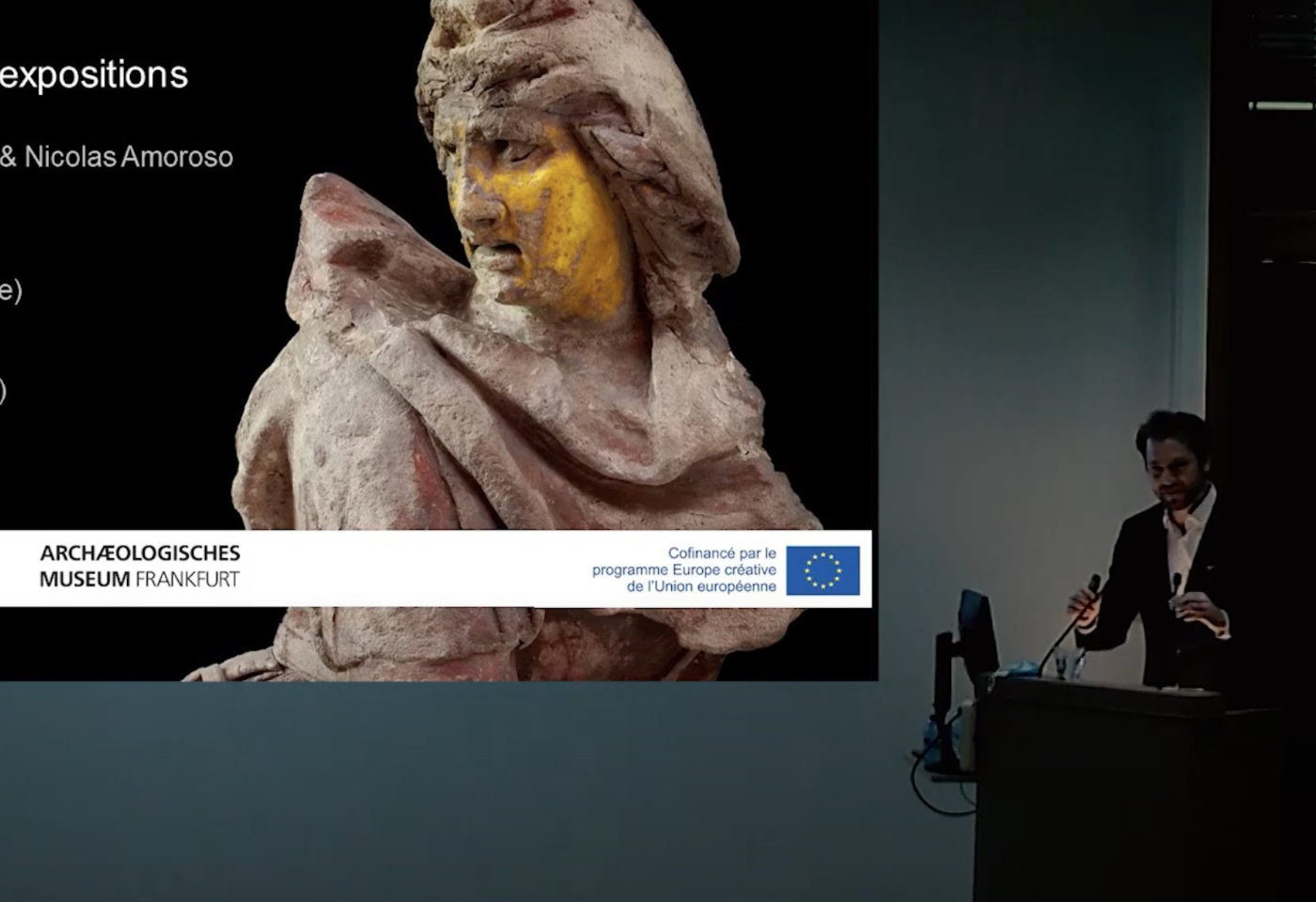
Journée scientifique du 17 décembre 2021 au Musée royal de Mariemont, dans le cadre de l’exposition 'Le Mystère Mithra. Plongée au cœur d’un culte romain'.
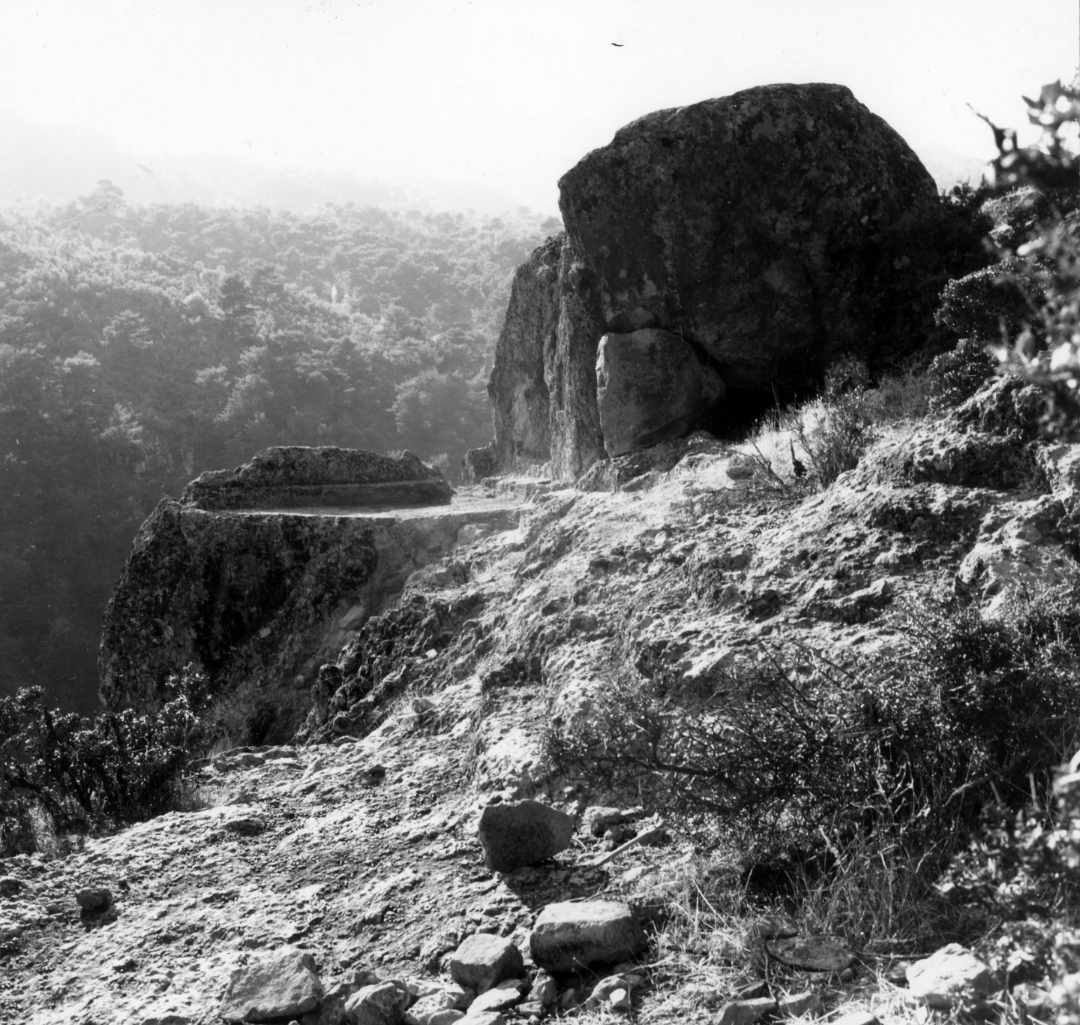
Mithras became the main deity worshipped in the sanctuary of Meter in Kapikaya, Turkey, in Roman times, at least until the fourth century.

The Mithraeum of Mainz, was discovered outside the Roman legionary fortress. Unfortunately the site was destroyed without being recorded.
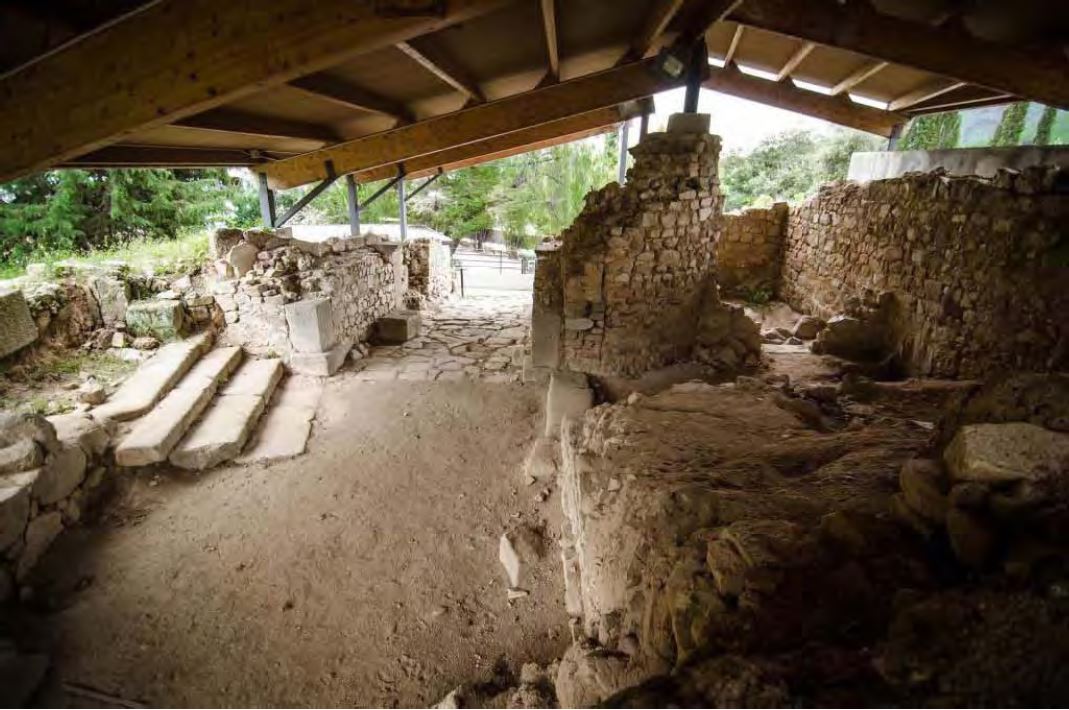
The Roman villa of Can Molodell had a sanctuary that has been related to the cult of Mithras.
The Mithraeum of Slaveni was discovered in 1837 on the right bank of the river Olt, in Romanati district.
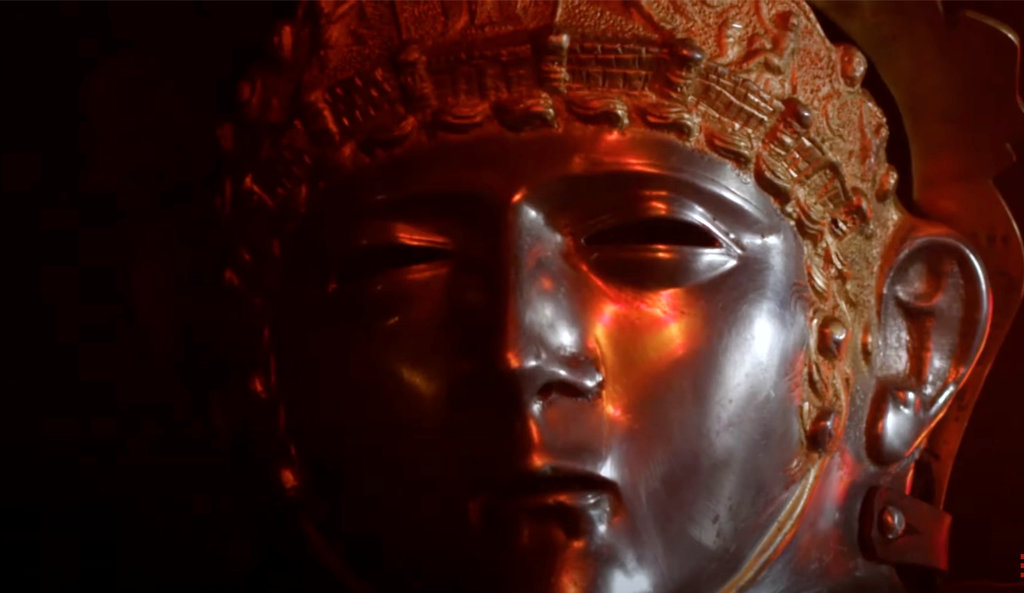
On Hadrian's Wall lies the ruin of a subterranean temple to a little-known god, at the centre of a secretive Roman cult.
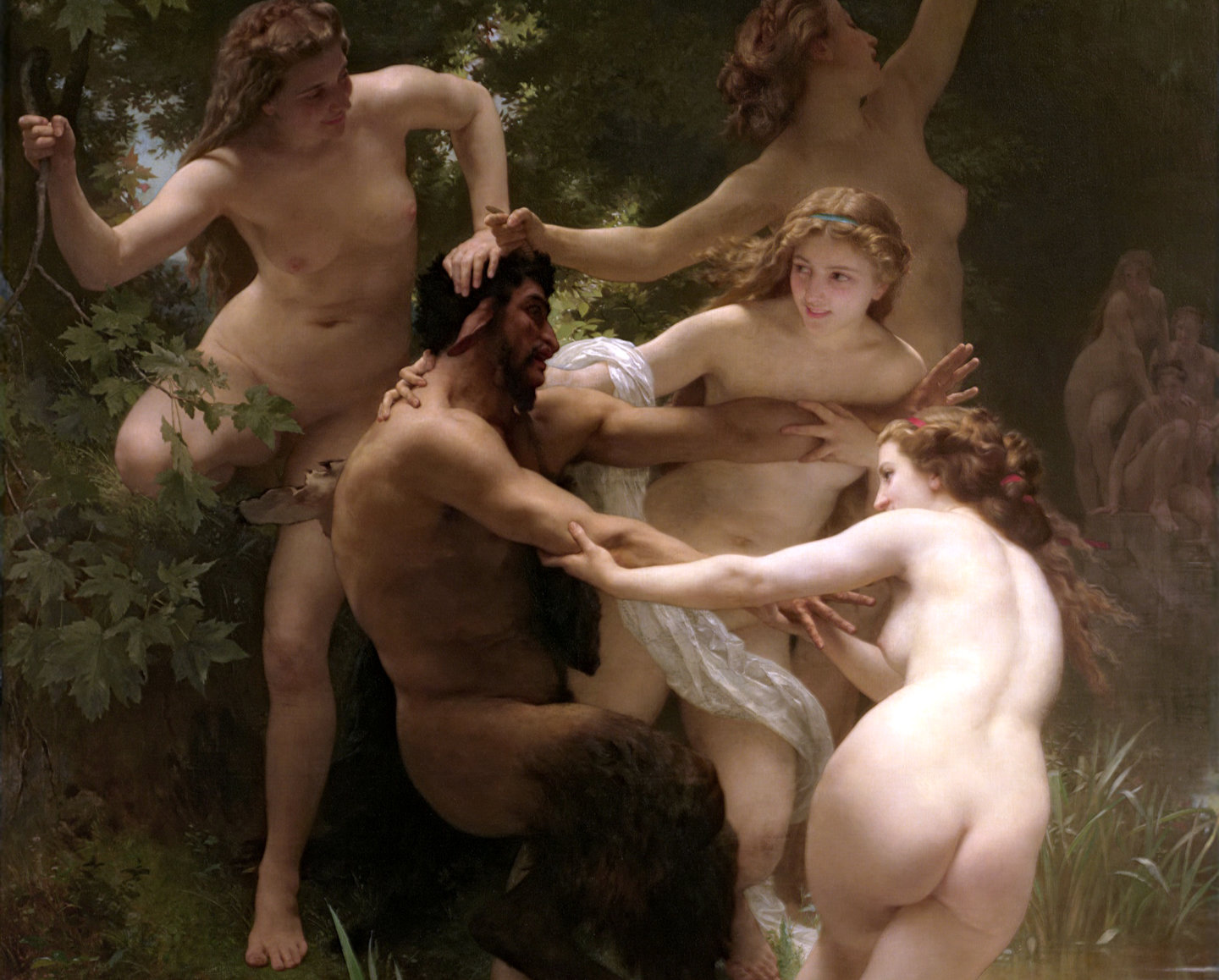
Between the 1st and 4th centuries, Mithraism developed throughout the Roman world. Much material exists, but textual evidence is scarce. The only ancient work that fills this gap is Porphyry’s intense and complex essay.
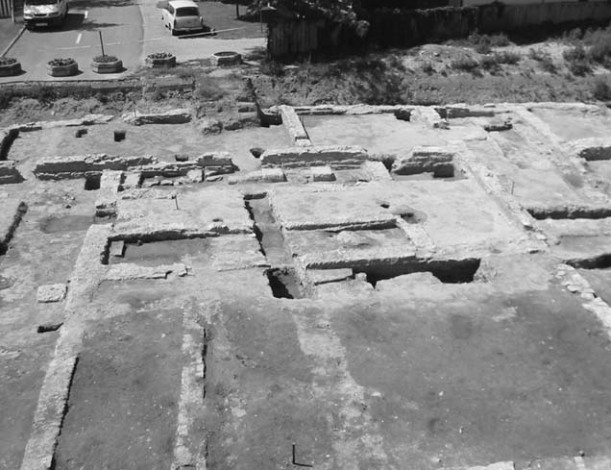
The Mithraeum has found in a Roman building at the end of Attila Road, in Hévíz, Egregy
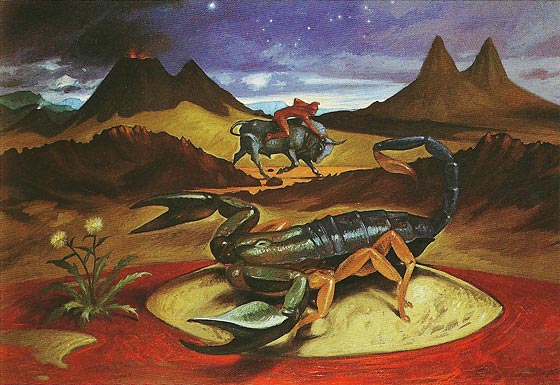
Although no written account of Mithras’ myth survives, the monuments of the Roman world preserve fragments of his sacred story.
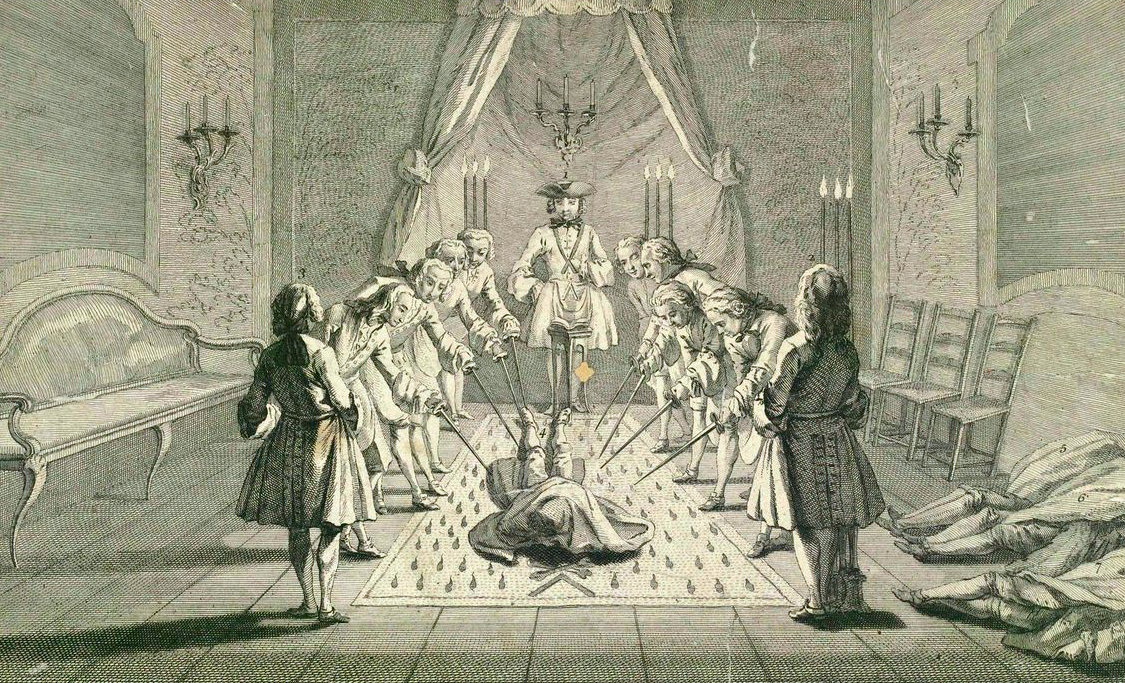
Twelve centuries separate the decline of Roman Mithraism from the dawn of Freemasonry. Twelve centuries during which the mysteries of Mithras have remained more secret than ever.
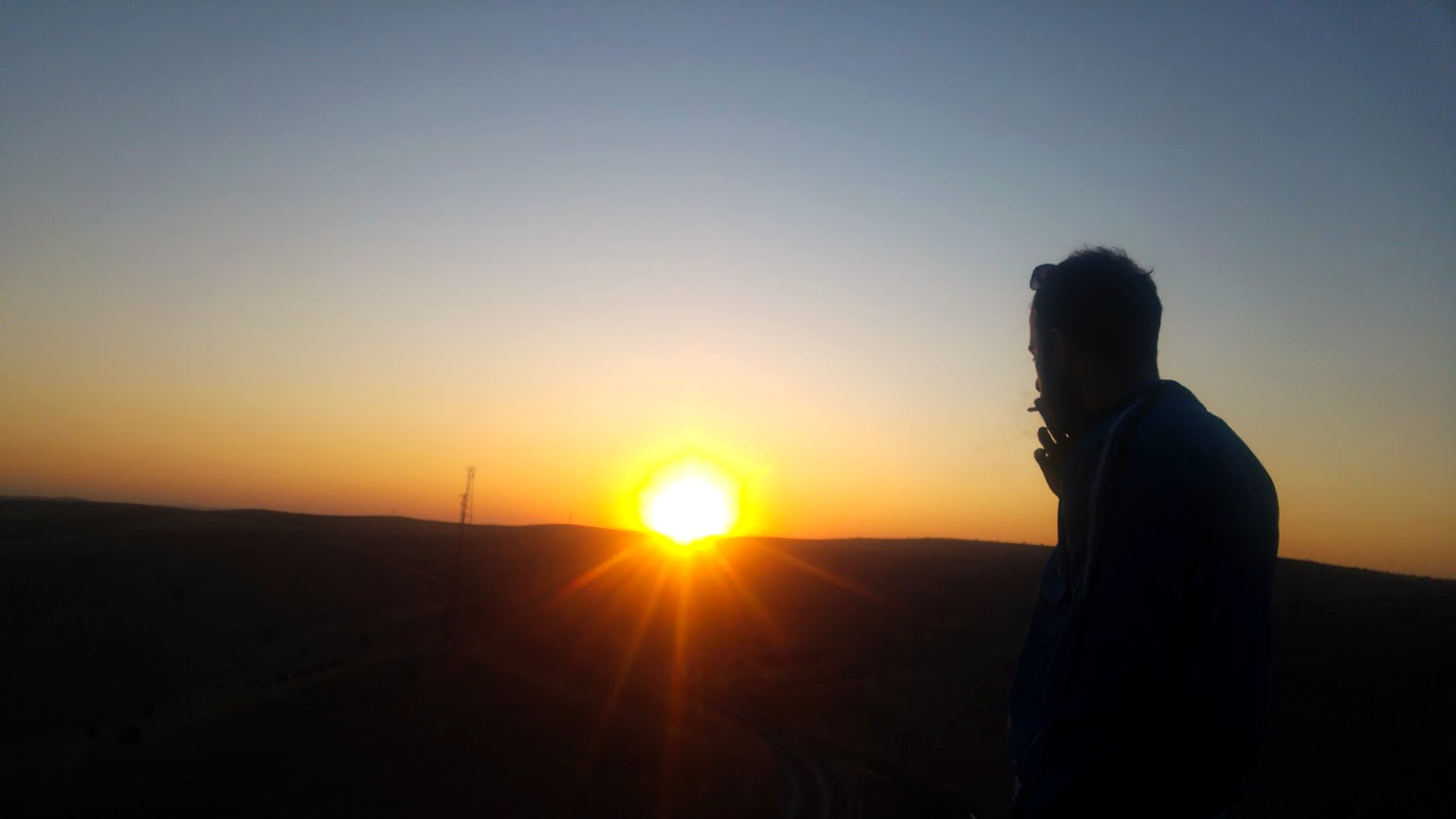
The Temple of Mithras, inside an ancient military settlement, is situated on the eastern border of the Roman Empire.
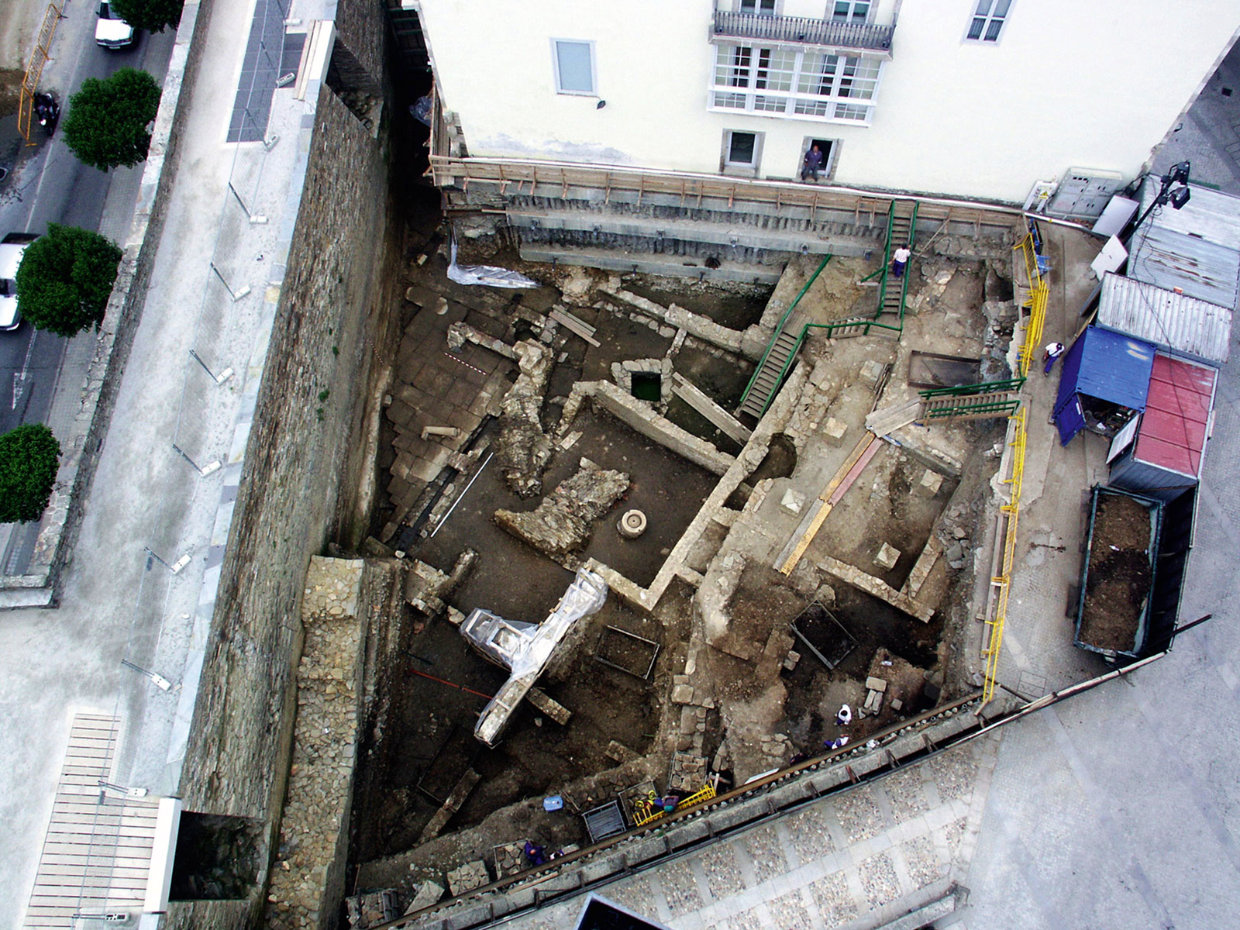
The museum that houses the temple of Mithras has become the most visited Roman space in the city since it opened.
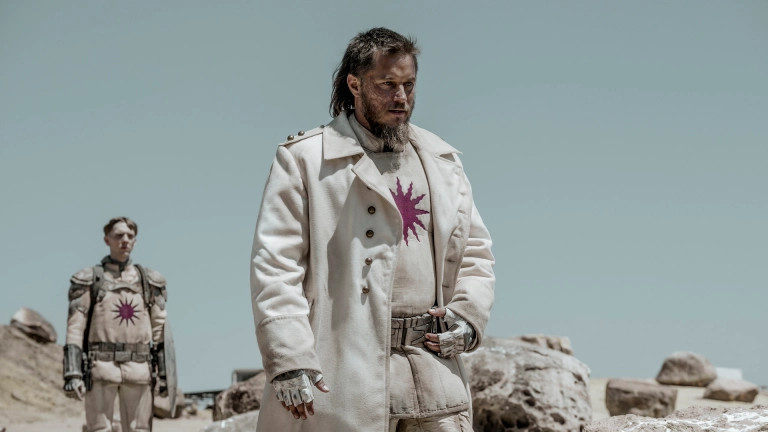
HBO Max's sci-fi series Raised By Wolves features a religious faction that references Sol and the Mithraic Mysteries. Here are the real-world Roman concepts the show borrowed from.
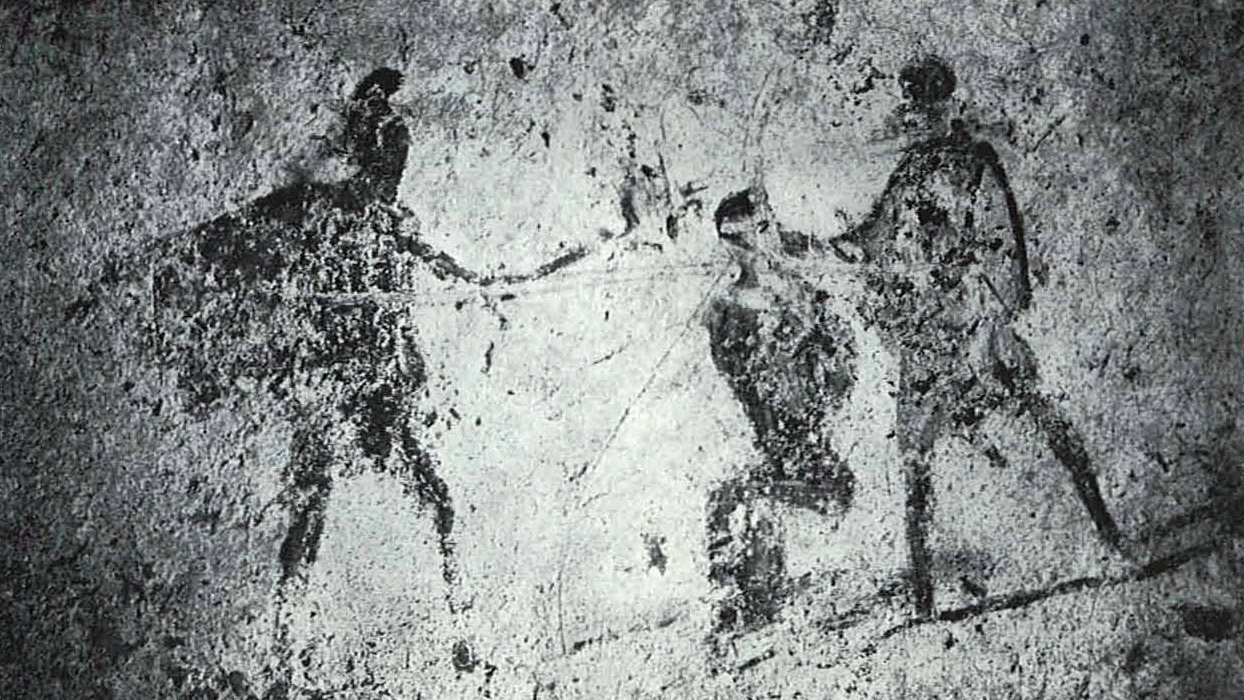
Recontextualizing the Initiation rituals of the Roman Mystery Cult of Mithras.

Over the last century or so, a great deal has been said about the god Mithras and his mysteries, which became known to the European world mainly through his Roman cultus during the Imperial Period.
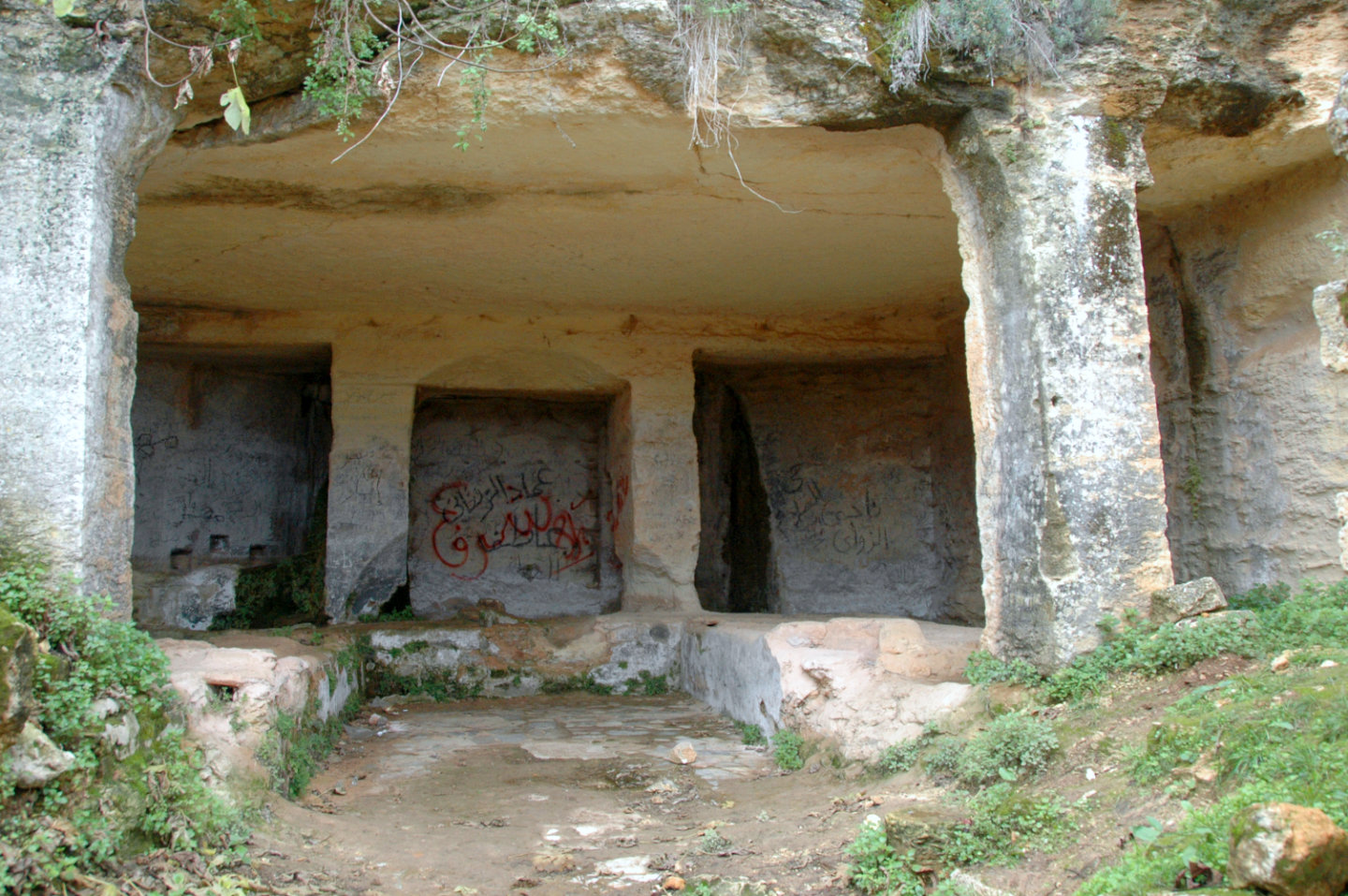
The Mithraeum of Cyrene is preserved among the remarkable ruins of the ancient capital of the Roman province of Cyrene.
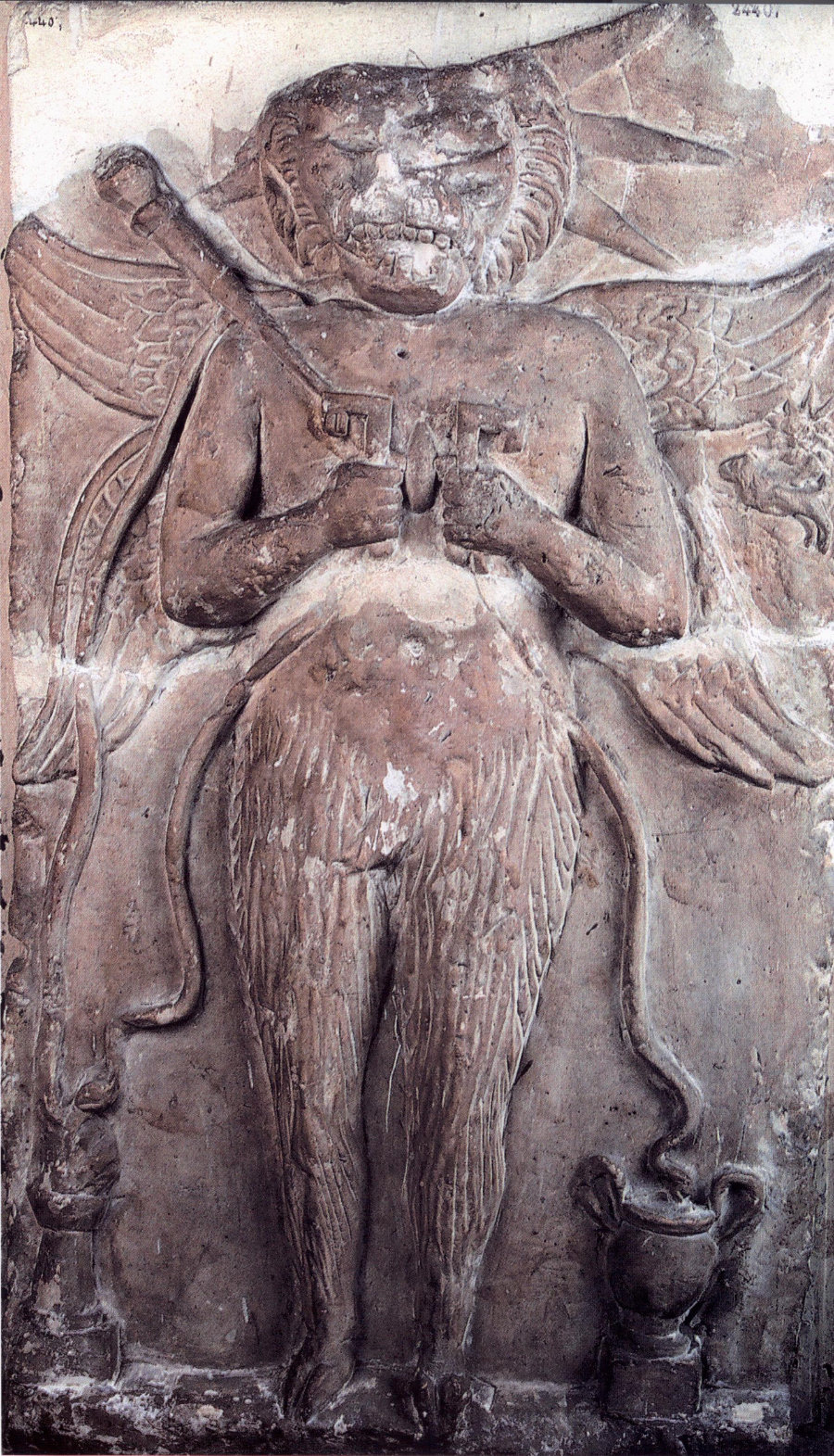
Limestone relief from ancient Oxyrhynchus depicting a four-winged lion-headed deity with keys, torch and three serpents, one of which emerges from the god’s mouth towards a burning altar.

Inscription recording the transmission of the leontica grade by Nonius Victor Olympius and Aurelius Victor Augentius at the Mithraeum of Piazza S. Silvestro in Capite, dated to 359 and 358 A.D.
Inscription CIL VI 750 recording the transmission of the Persica and Heliaca grades by Nonius Victor Olympius and Aurelius Victor Augentius at the Mithraeum of Piazza S. Silvestro in Capite, dated to 358 A.D.