Your search Roman cemetery of St. Matthias gave 2751 results.

Carsulae was a Roman municipium in the region of Umbria, now preserved as an archaeological site, about 4 km north of the small town of San Gemini. Its foundation dates back to 220 BC with the construction of the Via Flaminia.
Carnuntum was a Roman legionary fortress and headquarters of the Pannonian fleet from 50 AD. After the 1st century, it was capital of the Pannonia Superior province. It also became a large city of 50,000 inhabitants.
Capua is currently a city and comune in the province of Caserta, in the region of Campania, southern Italy, situated 25 km north of Naples, on the northeastern edge of the Campanian plain.
Caesarea was first settled by the Phoenicians in the 4th century BC. In 63 BC, the Romans annexed the region and Caesarea became the seat of the Roman procurators.
Caere is the Latin name given by the Romans to one of the larger cities of southern Etruria, modern Cerveteri, some 50-60 kilometres north-west of Rome.
Kalkar is a municipality in the district of Kleve, in North Rhine-Westphalia, Germany.
Budaörs is a town in Pest County, in the metropolitan area of Budapest, Hungary. Before the Romans, the Celtic tribe of Eraviscus occupied the area for about 100 years.
Brigetio, which became Szőny, was an independent town until 1977, when it was incorporated into Komárom. The Roman legion Legio I Adiutrix was stationed here from 86 AD until the middle of the 5th century.
The Celts are the first known to have settled in this place, which they called Binge, meaning rift. Roman troops stationed here in the first century AD rendered the local name as Bingium in Latin.
The area was populated by Iberians, but the origins of Baetulo date back to the 1st century BC, when the Romans founded the city on the Rosés hill. Baetulo was famous for its vineyards, which produced wine for export throughout the Empire.
Aquileia, now a small municipality in north-eastern Italy, was one of the largest cities in the world in the 2nd century AD, with a population of 100,000.
Apulum, now within Alba Iulia, was a Roman settlement first mentioned by the mathematician, astrologer and geographer Ptolemy. Its name comes from the Dacian Apoulon.
Within the southern sectors of Roman Dacia, Dacia Malvensis preserves evidence linked to military mobility and provincial urbanisation.
Baetica occupied a prosperous and highly urbanised corner of Roman Hispania where Mithraic cults circulated through Mediterranean exchange networks.
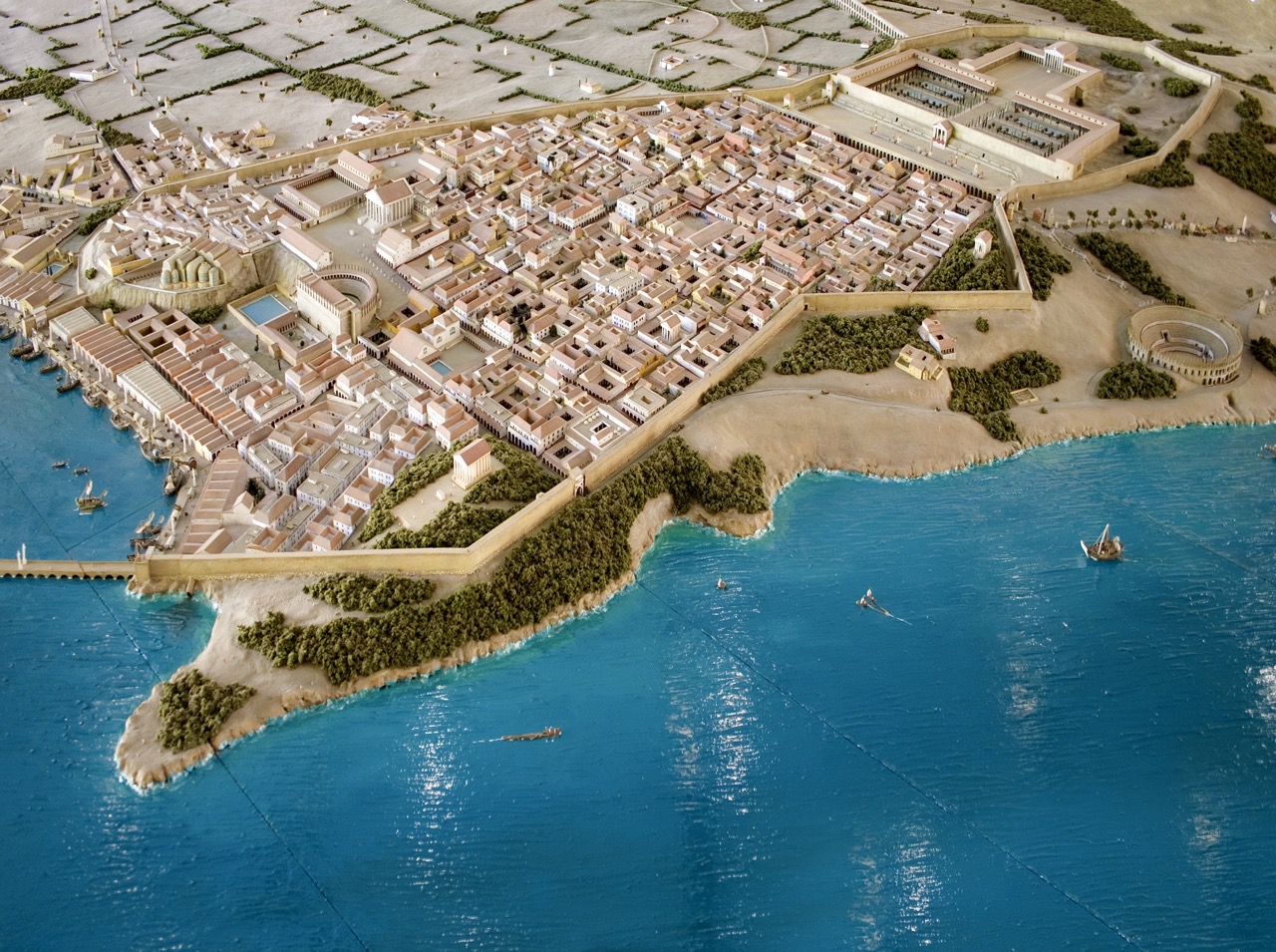
Across Tarraconensis, Mithraic evidence appears in diverse urban, military and Mediterranean environments of Roman Hispania.

Slave and vilicus in the household of Tiberius Claudius Livianus, linked to the earliest known Mithraic tauroctony.

A Mithraic initiate attested in Pannonia Superior during the late 2nd or early 3rd century CE.

Member of the Mithraic community of Les Bolards and dedicator of a statue of Cautes.

Tribune of the First Cohort of Vardulli, he erected a mithraeum at Bremenium together with his consacranei.

This small and highly questionable relief from southern France may depict a winged leontocephalic figure seated.
