Your search San Giovanni al Timavo gave 3161 results.

This temple of Mithras on the north side of the Capitoline Hill in Rome no longer exists.
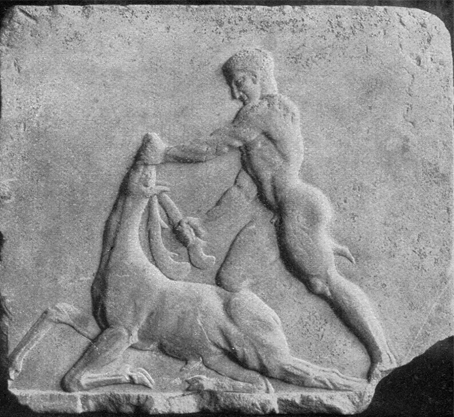
Relief of Heracles/Hercules capturing the Golden Hind of Artemis.
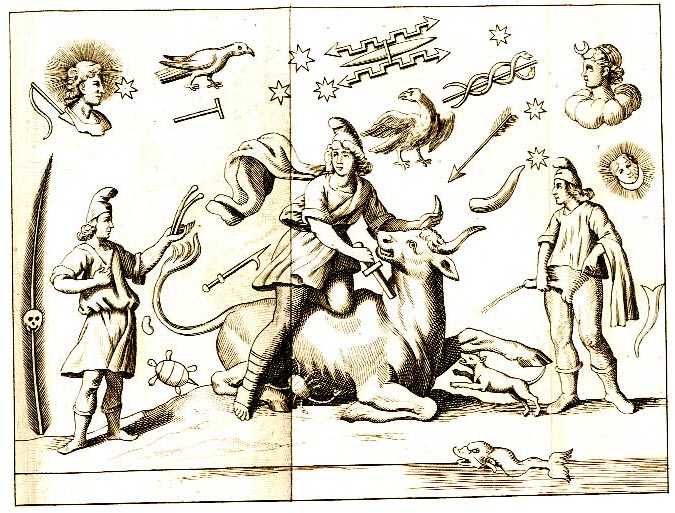
Engraving with cosmological and symbolic mithraic elements.
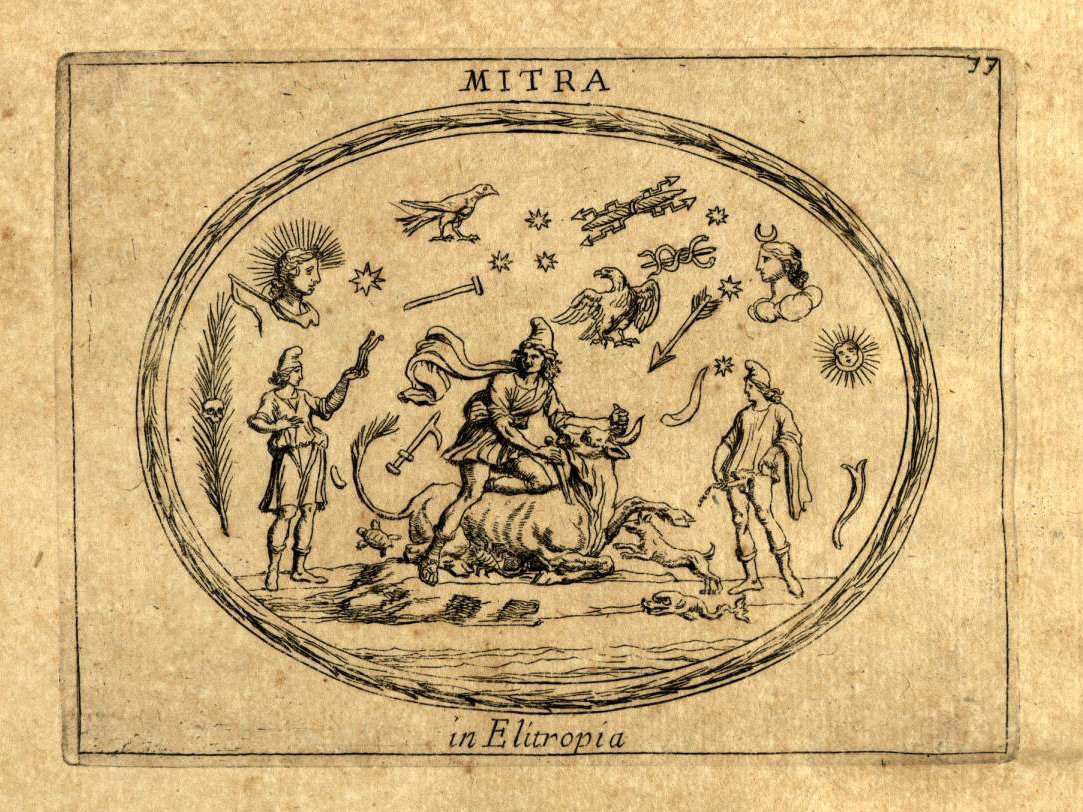
Tauroctony from a gemme, printed on Le gemme antiche figurate di Leonardo Agostini.
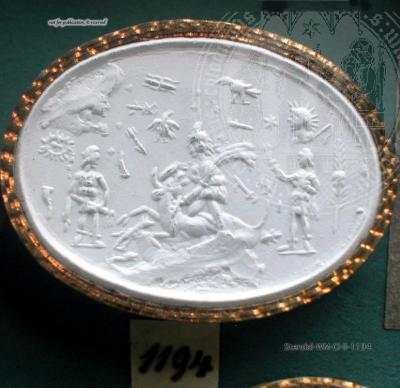
Glass paste imprint depicting the Tauroctony surrounded by symbolic figures.
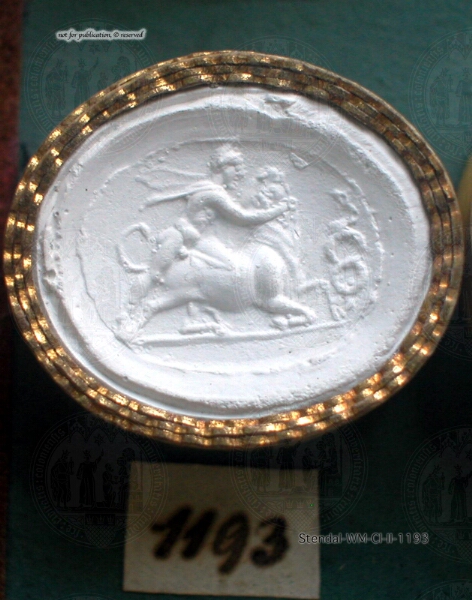
Imprint on glass of a Tauroctony exposed at Winckelmann Museum.
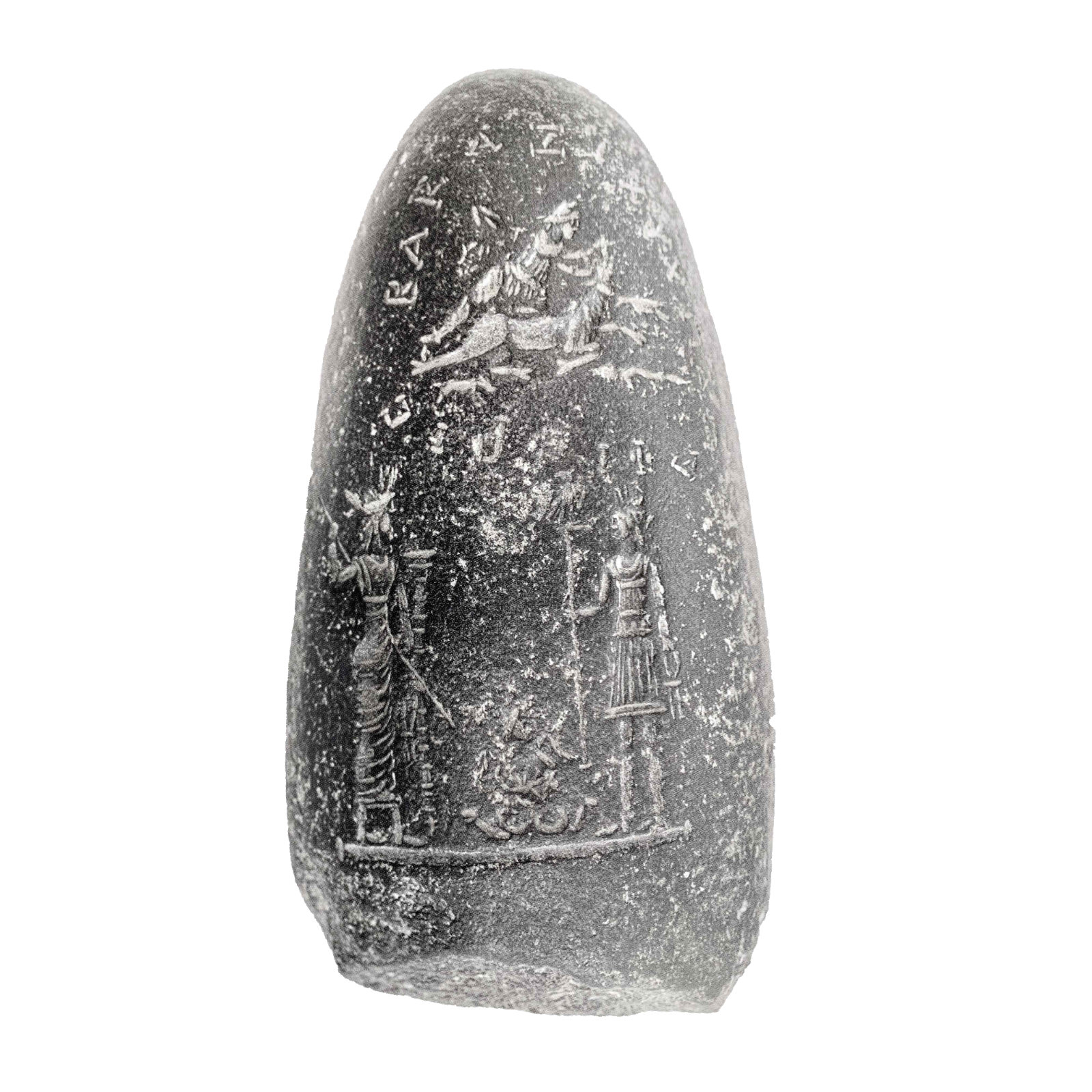
According to Christopher A. Faraone, the axe-head from Argos belong to a category of thunderstones reused as amulets.
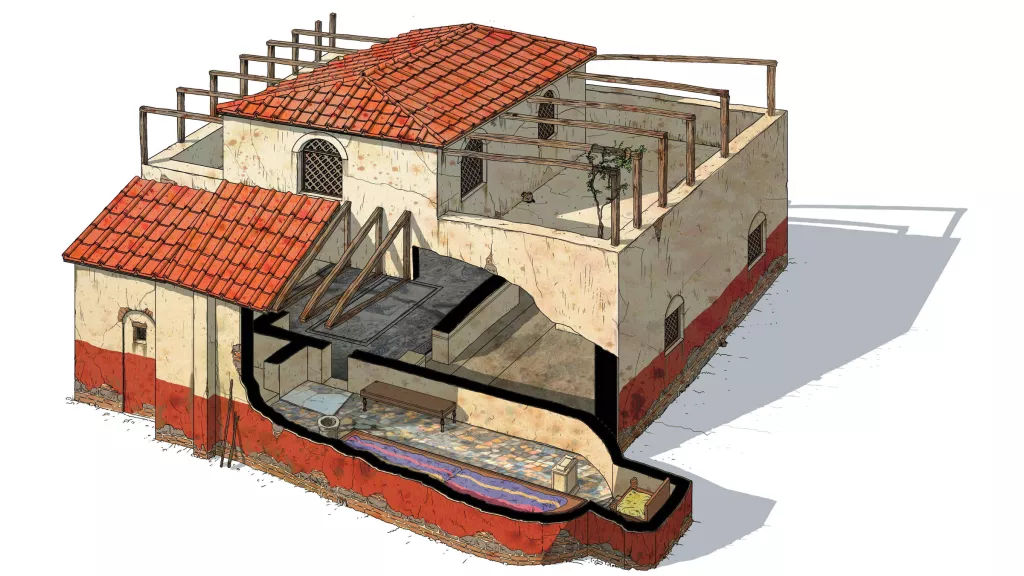
The Mitreo dei Marmi Colorati takes its name after the discovery of a black-and-white mosaic of Pan fighting with Eros.
This Mithraic temple, now disappeared, is known thanks to the numerous remains recorded since 1594 in the 'Memorie di varie antichità trovate in diversi luoghi della città di Roma'.
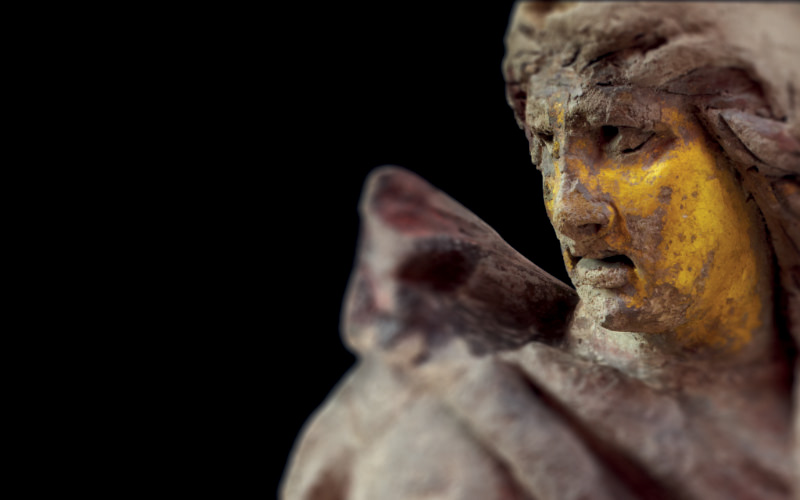
Three European museums celebrate Mithras with a continental exhibition featuring more than 200 works of art from Roman times to the present day.
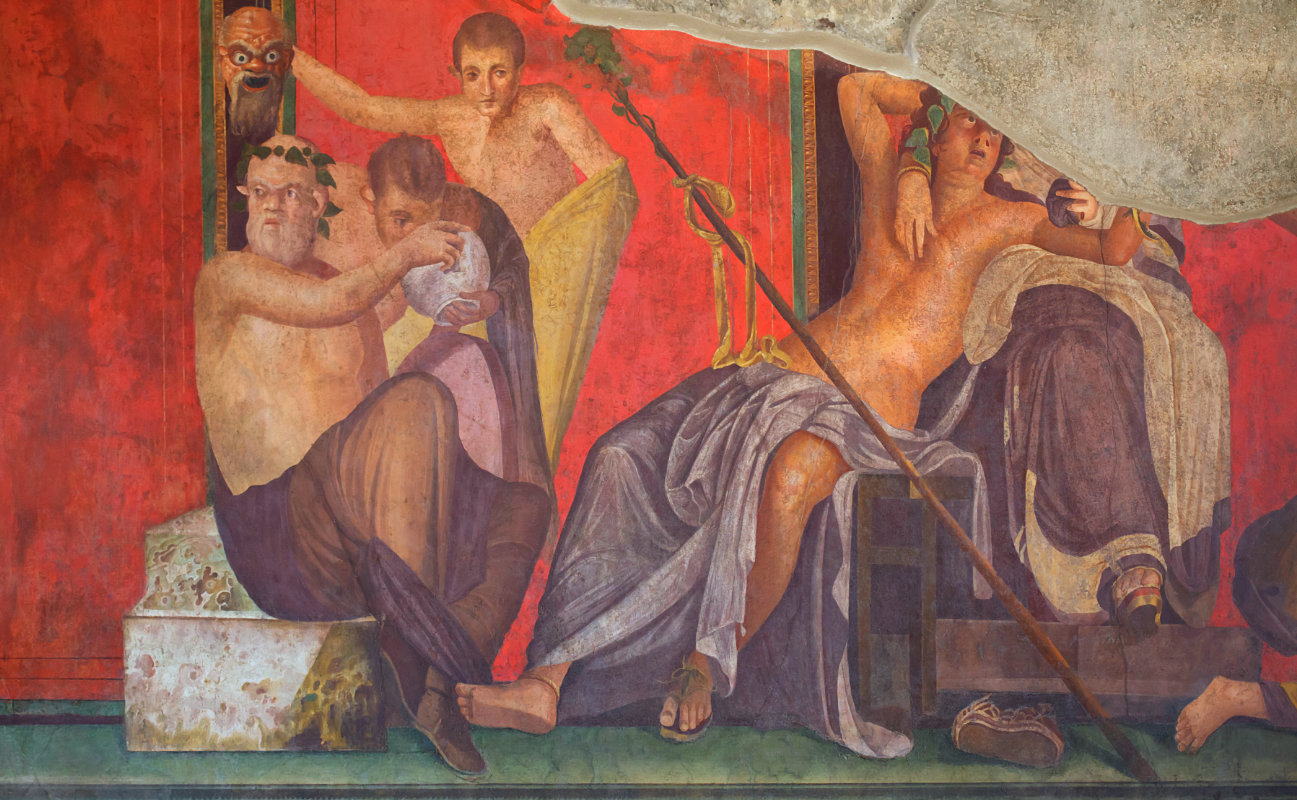
Peter Mark Adams: ‘The initiation was a frightening experience that caused some people to panic as a flood of otherworldly entities swept through the ritual space.’.
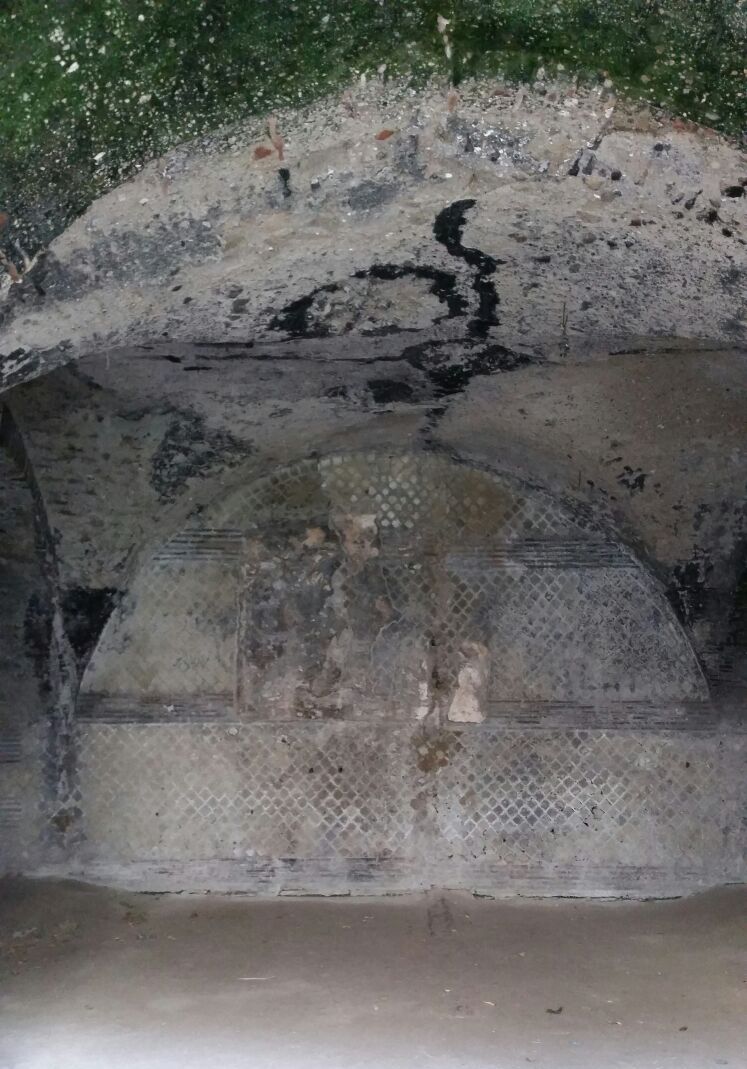
The Mithraeum of Carminiello ai Mannesi was installed in two rooms of a 1st century BC domus.
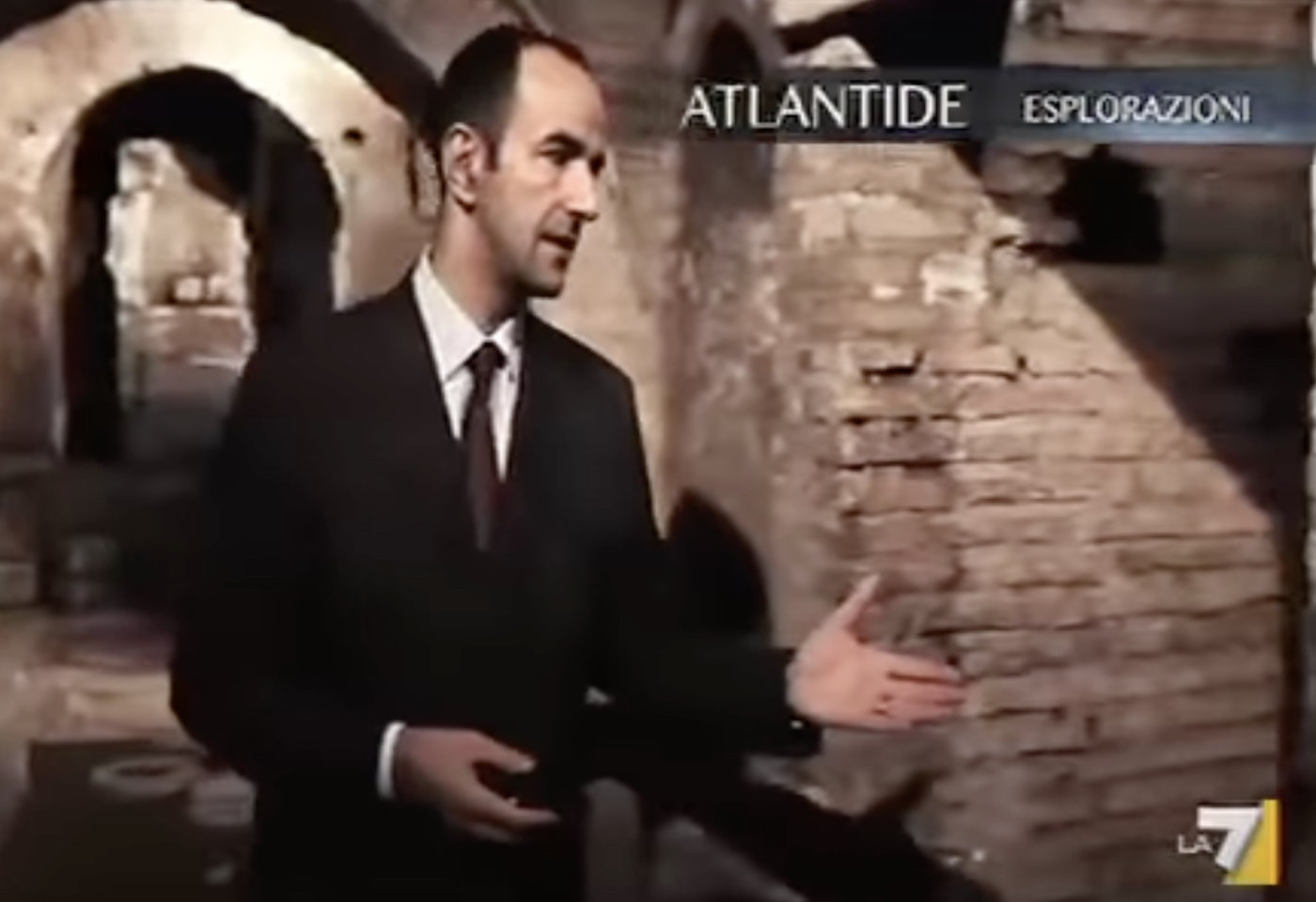
Video report of the Italian TV channel La 7 about Mithraism made in the Mithraeum of the Circo Massimo.
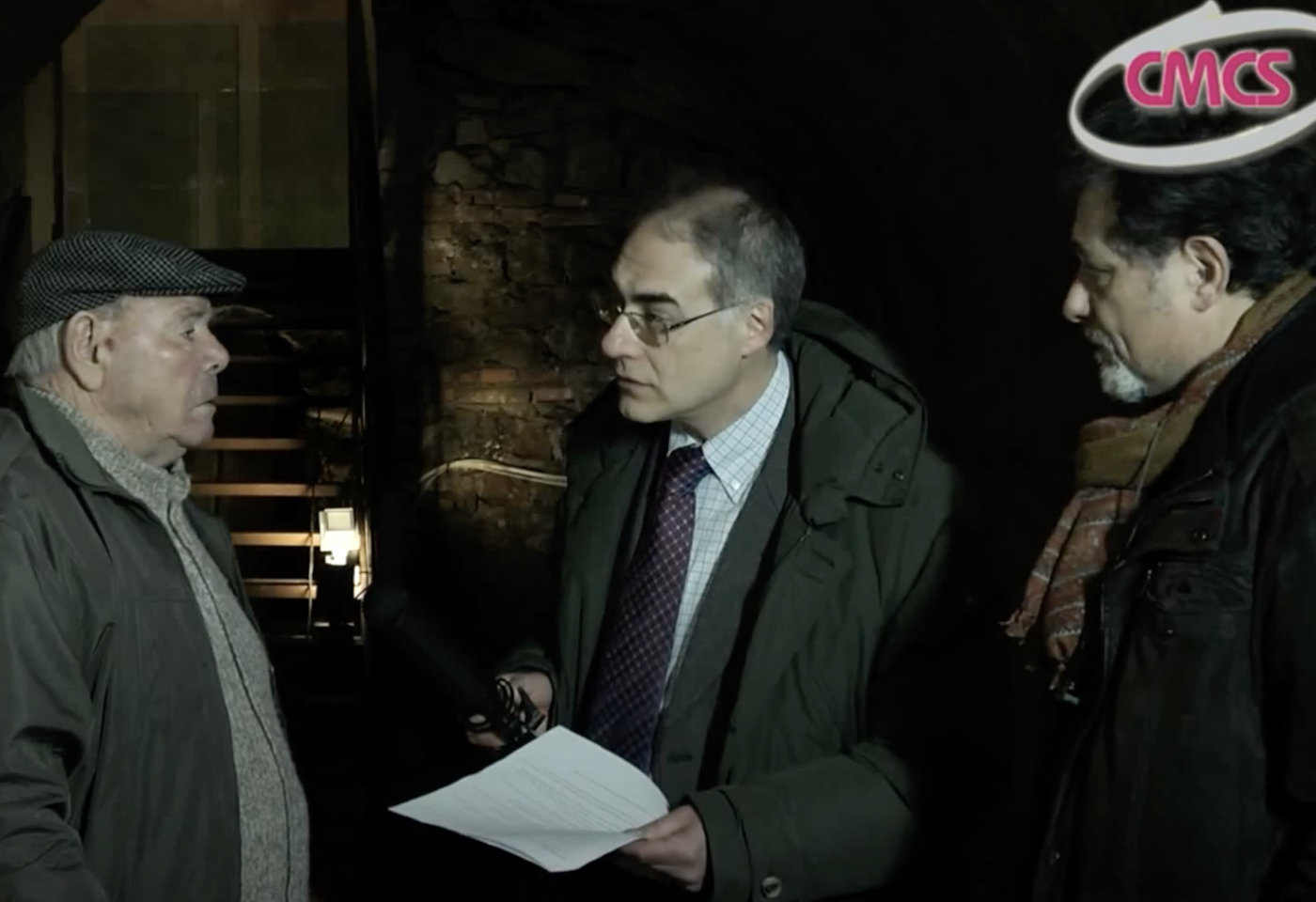
Interview to one of the workers who participated in the discovery of the temple of Mithras of Marino, Rome.

Jason Reza Jorjani, PhD, is a philosopher and author of Prometheus and Atlas, World State of Emergency, Lovers of Sophia, Novel Folklore: The Blind Owl of Sadegh Hedayat, and Iranian Leviathan: A Monumental History of Mithra's Abode.

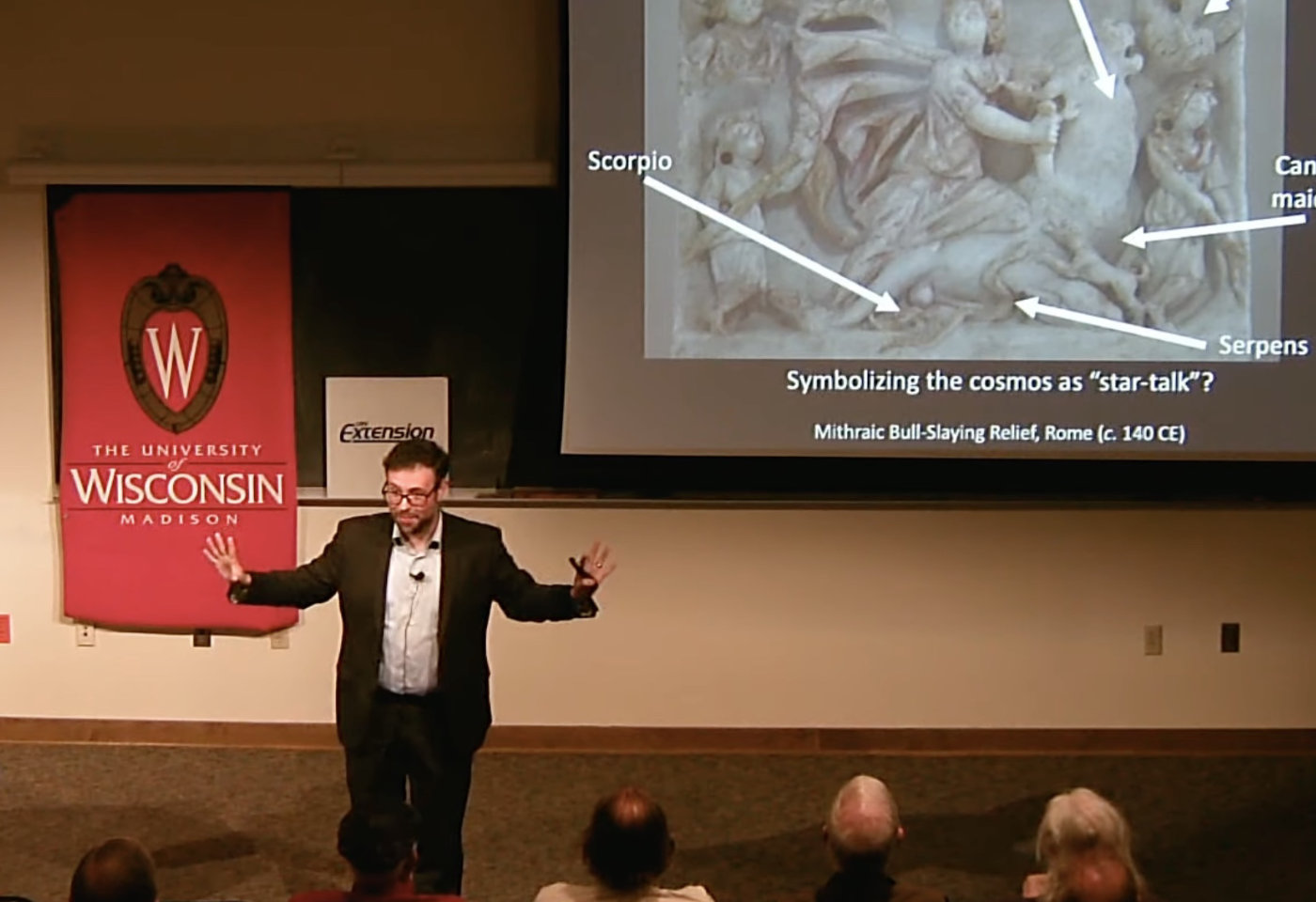
Public lecture by David Ulansey on Mithraism, based on his book The Origins of the Mithraic Mysteries: Cosmology and Salvation in the Ancient World.
Our modern understanding of Mithraism, though, depends largely on a few short (and very problematic) literary mentions, mostly written by the cult’s Christian rivals.
Between the 1st and 4th centuries, Mithraism developed throughout the Roman world. Much material exists, but textual evidence is scarce. The only ancient work that fills this gap is Porphyry’s intense and complex essay.
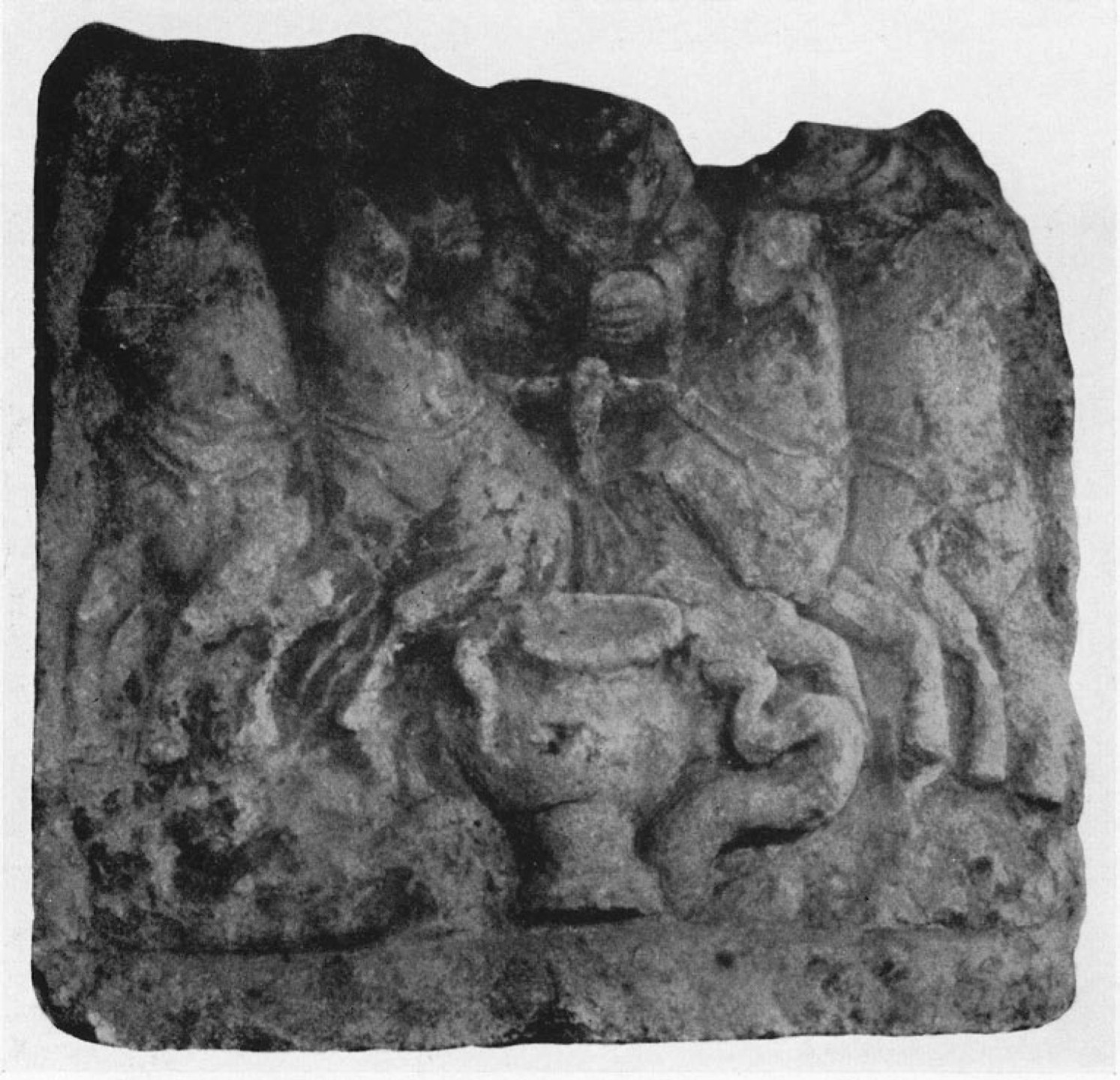
In the mithraic relief of Entrains, the god Sol is depicted riding his chariot together with Luna and a krater surrounded by a serpent.
Emperor Julian is supposed to have presided over a human sacrifice in the Mithraeum of Scarbantia, according to N. Massalsky.
