Your search San Valentino in Abruzzo Citeriore gave 587 results.
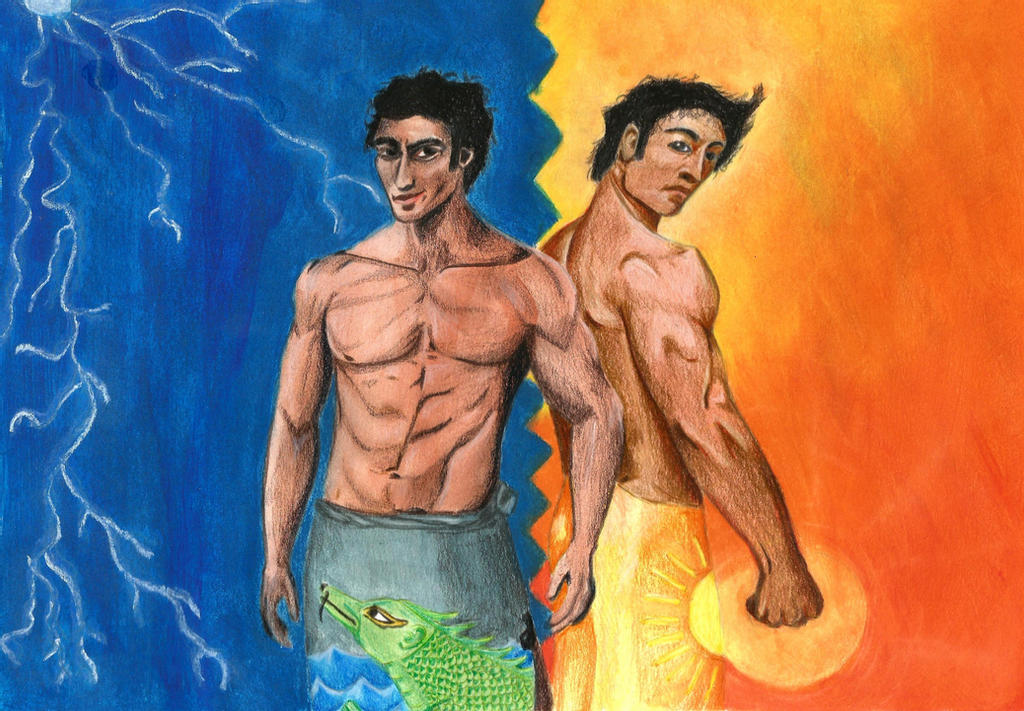
The Sanskrit and Hindi word for friend is “Mitra”. It is also the Nepali word for it. The Sinhala word is ‘mitura’. The word’s etymology has surprising, stark and vivid homosexual connotations.
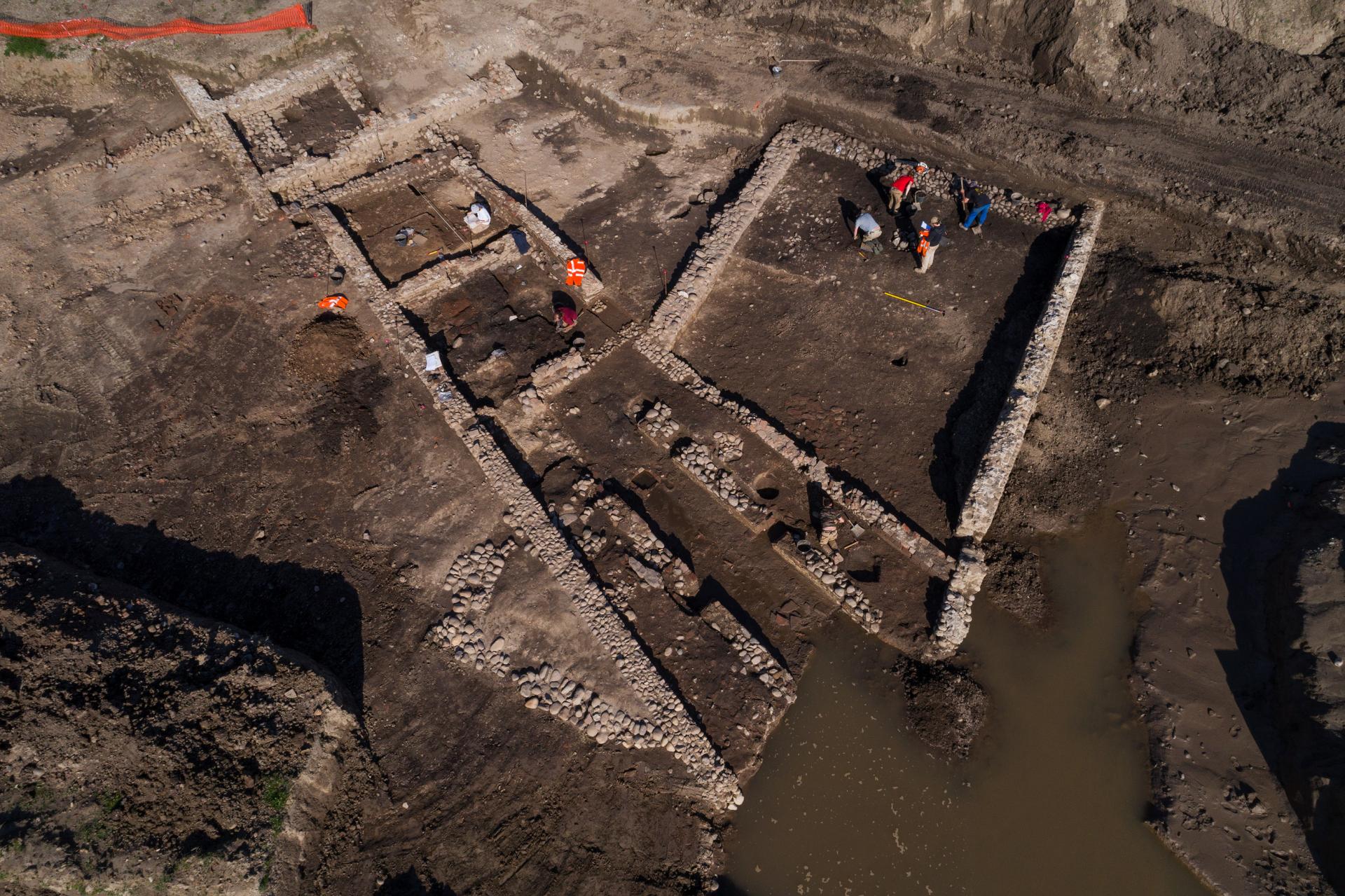
L’Inrap vient de mettre au jour un lieu de culte dédié au dieu Mithra sur le site de Mariana, à Lucciana, France.
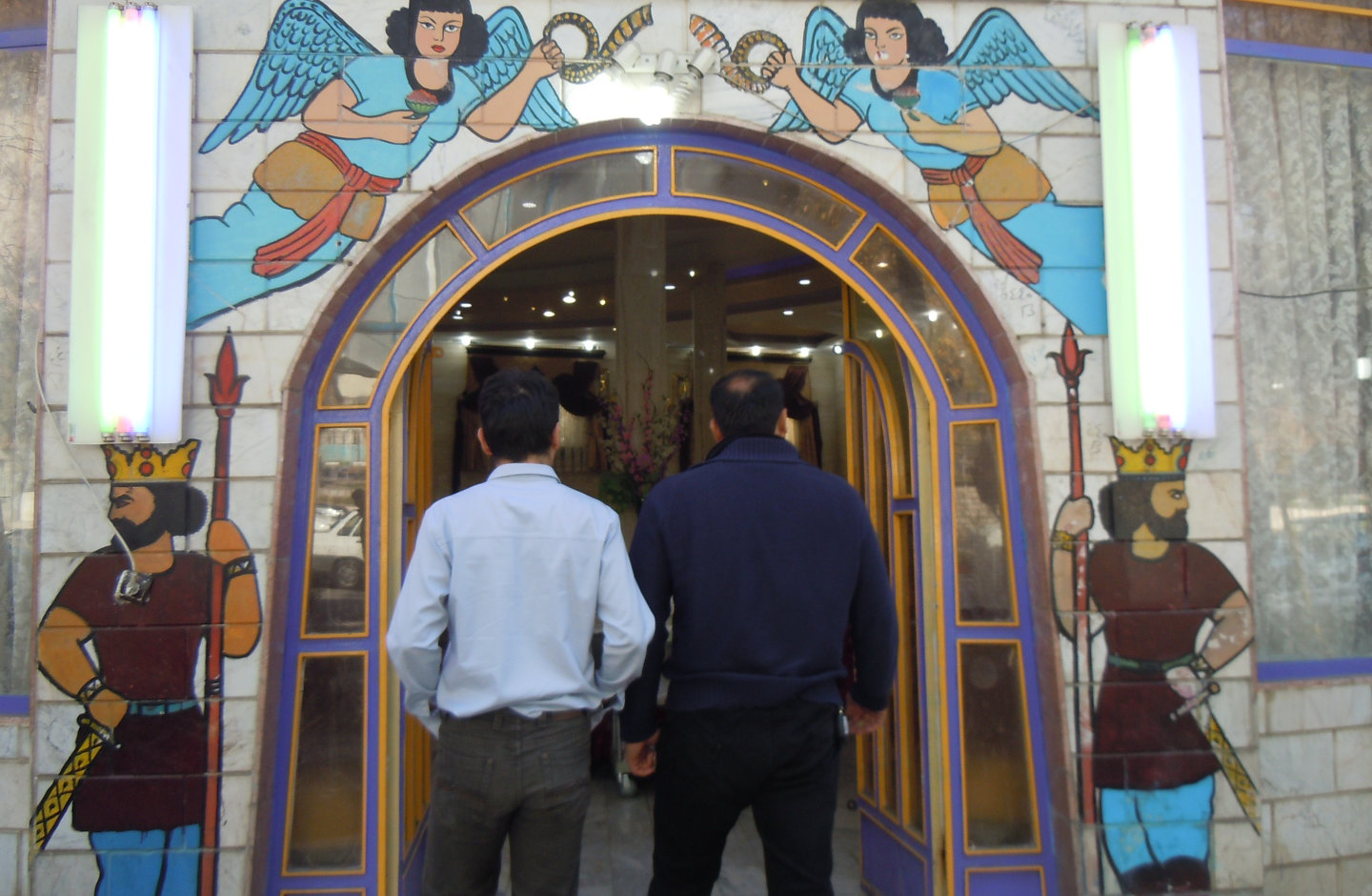
How a rock relief in western Iran, carved during the time of the Sasanian Persian Empire (AD 224-651), has been re-imagined over the centuries.

Ancient site in Moesia Superior, north-east of Kumanovo, where the remains of a Mithraic sanctuary were discovered together with several marble reliefs, altars and cult objects.

A head in a Phrygian cap, possibly belonging to a torchbearer statue, formerly kept at St. Wendel in Belgica but possibly transported to the Provinzialmuseum in Trier, where it may be identical with CIMRM 993.
Small altar preserved in the castle of Freudenberg at St. Thomas am Zeiselberg, Noricum, recording a dedication to Hermes invicto Mitrae — an unusual conflation of Hermes and the invincible Mithras.
Finds discovered near the crossing of the criptoporticus of the Mithraeum at Capua, including marble plate fragments, a tuff base, red lamps, and animal bones.
Miscellaneous finds from the middle of the Mithraeum of Capua, including a terracotta antefix with centaurs, basins, marble bases, lamps with a Sol head, and coins of M. Aurelius and Constantine.
Fresco fragment from the initiation sequence of the Mithraeum of Capua, of which only the heads and parts of the white tunica of two figures remain visible.
Two scenes from the initiation sequence of the Mithraeum of Capua, now indistinguishable.
Fresco showing a mystagogus pressing down the shoulders of a kneeling myste, attended by a third figure in Phrygian cap, from the initiation sequence of the Mithraeum of Capua.
Fresco showing two persons standing behind each other, from the initiation sequence of the Mithraeum of Capua.
Fresco showing a standing figure in a small cloak approached by two other persons, from the initiation sequence of the Mithraeum of Capua.
Badly damaged fresco fragment showing a person in red attire in a kneeling position, from the initiation sequence of the Mithraeum of Capua.
Fresco depicting Cautopates in Eastern attire between two laurels, cross-legged, pointing his torch downwards over a burning altar, from the Mithraeum of Capua.
Head in Phrygian cap with a sorrowful expression, used as a protome in the Amphitheatre of Capua and interpreted as a head of Mithras.
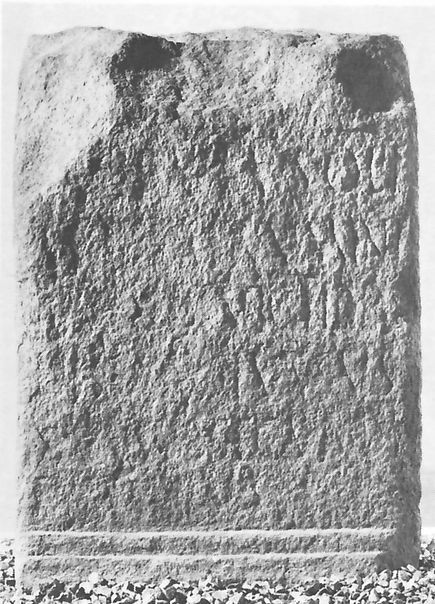
The v in this small altar found in Novaria has been interpreted by some commentators as qualifying Mithras as victorious.

This altar for the completion of a temple to Sol Invictus by Flavius Lucilianus was found in Fossa, Italy.

Continuation of the frescoes depicting an initiation into the Mithras cult, where two attendants present a repast to Mithras and Sol.

Saul cutting the oxen to pieces poses as Mithras Tauroctonos in this painting, which adorns the mantelpiece of Henry II’s bedroom at the Château d’Écouen near Paris.
