Your search Site gallo-romain de Lauchau gave 364 results.

Landowner from Augustobriga, transferred to Tarraco by Antoninus Pius and owner of the villa of Els Munts and its Mithraeum.

The site of Slăveni preserves traces of military occupation associated with the frontier system of Dacia.
Lezoux became an important centre of Gallo-Roman ceramic production renowned throughout the western provinces.
The frontier site of Gholaia formed part of the defensive and logistical system of the Limes Tripolitanus in the Libyan desert.
Drmno lies near the important Roman site of Viminacium on the Danube frontier.
Jiu valley site associated with the defensive system linking Dacia to the southern Danubian regions.
The settlement of Bingerbrück formed part of the Rhine crossing zone opposite the lower Nahe valley.
The site of Alteburg-Heftrich formed part of the frontier landscape connected with the Upper Germanic limes.
Alesia became famous as the site of Caesar’s decisive siege during the Gallic Wars.
Zaraï was a Berber, Carthaginian, and Roman town at the site of present-day Aïn Oulmene, Algeria.

An altar found in 1830 at the ancient site of Industria near Monteu da Po in Liguria, bearing a dedication to the Invincible Mithras by C. Industrius Verus.
A skeleton of a man aged approximately thirty to forty years, with arms tied behind his back and wrists bound with an iron chain, found lying on a fragment of the main relief at the back of the Mithraeum at Pons Saravi (modern Saarburg) in Belgica…
An altar found in 1822 at the Mithraeum at Borcovicium (modern Housesteads), recording a vow fulfilled to Sol Invictus Mithras Saecularis by Publius Proculinus, centurion, for himself and his son Proculus, during the consulship of Gallus and Volusianus in 252 A.D…
An inscription from the vicus Vicciomitum in Milan (ancient Mediolanum), recording a votive dedication to the Invincible Mithras by L. Atilius Pupinius on a site granted by decree of the town council.
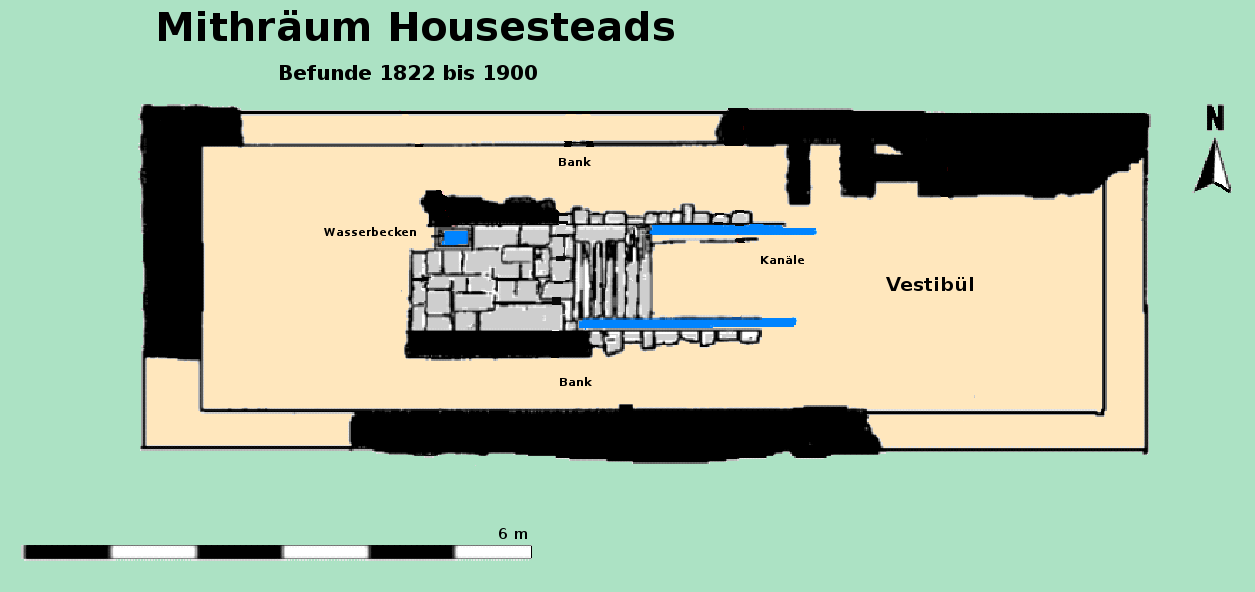
The Housesteads Mithraeum is an underground temple, now burried, discovered in 1822 in a slope of the Chapel Hill, outside of the Roman Fort at the Hadrian's Wall.

Alfius Severus was a prominent figure associated with the Mithraeum of Marino, probably acting as pater of a small Mithraic community connected with the nearby peperino stone quarries.
Roman settlement of Dacia superior located in the area of present-day Sibiu in Romania. The site became an important urban and military centre, later developed into the medieval city known as Hermannstadt in German and Nagyszeben in Hungarian.
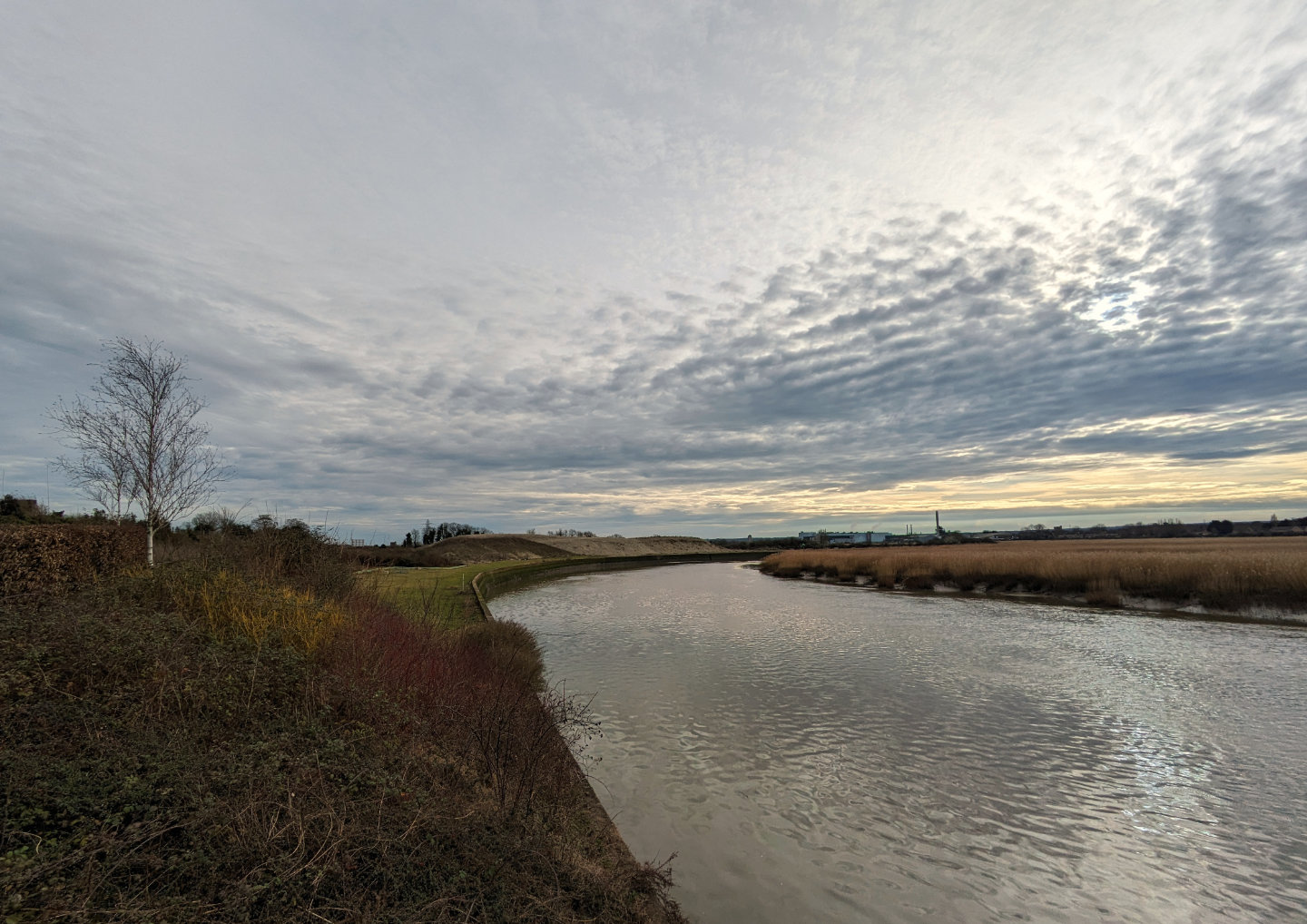
To date, there is no evidence that the so-called Mithraeum of Burham was ever used to worship the sun god.
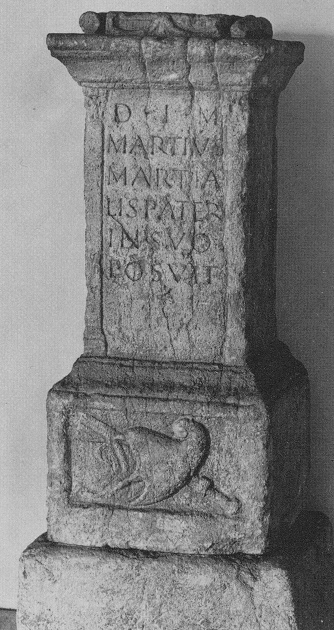
The altar with a Phrygian cap and a dagger from Trier was erected by a Pater called Martius Martialis.

This remarkable Greek marble relief of Mithras killing the bull was discovered in 1705 and remained in private collections until it was bought by the Louvre.
