Your search St Albans gave 2748 results.

Altar from Doștat, Dacia, dedicated to Invicto Soli deo genitori by Publius Aelius Artemidorus, sacerdos creatus a Palmyrenis — a priest appointed by Palmyrene worshippers.
Bronze plate from Budapest, ancient Aquincum or vicinity, preserving a Mithraic representation of uncertain composition; no longer in a known collection.
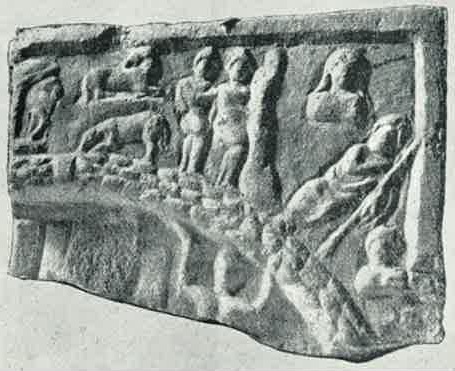
White marble statuette from Budapest, ancient Aquincum or vicinity, depicting a badly damaged Mithras killing the bull with dog and serpent; the god's head is lost.
Natural grotto called the Bichl on the south slope above the Glanegg lake near St. Urban, Noricum, adapted as a Mithraic sanctuary; part of the grotto floor was paved and remnants of water installations survive.
Small altar preserved in the castle of Freudenberg at St. Thomas am Zeiselberg, Noricum, recording a dedication to Hermes invicto Mitrae — an unusual conflation of Hermes and the invincible Mithras.
Limestone statue fragment from Nyon, ancient Colonia Iulia Equestris, depicting a lion encircled by a serpent with schematic scorpions engraved in small triangles on each flank; a composition associated with Mithraic lion symbolism.
Perforated bronze votive tablet from the Mithraeum at Königshoffen, dedicated in honour of the Domus Divina to Deo Soli invicto by Silvester.
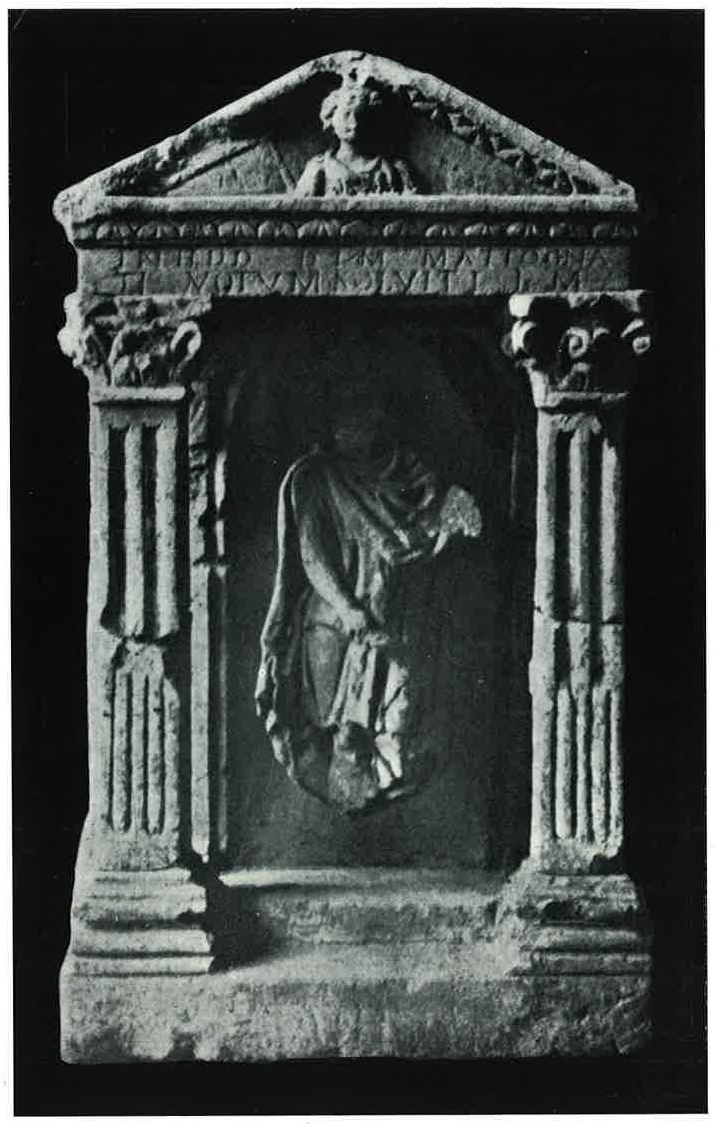
Sandstone monument in the form of a temple façade from the Mithraeum at Königshoffen, accessible by a step and framed by two Corinthian columns; the pediment is decorated with the bust of Luna, and the architrave carries an inscription.
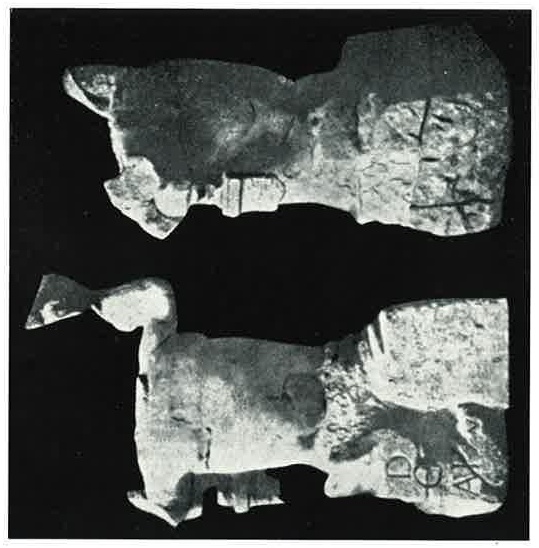
Sandstone statue from the entrance area of the Mithraeum at Königshoffen depicting the youthful naked Mithras emerging from the rock, with the sheath of a dagger still visible at his hip; head, right arm, and left hand are lost.
Stone fragment from the Mithraeum at Königshoffen preserving a human thigh against which a hand holds a bunch of grapes; probably part of a larger sculptural group.
Sandstone altar combining imagery of Apollo, Mithras and the torchbearers Cautes and Cautopates near the Roman fort of Whitley Castle.

Styberra occupied an important position within the inland communications network of Roman Macedonia near modern Prilep.
Inscription dedicated to Sol Invictus for the wellbeing of Emperor Aurelianus and his dynasty, from Thagaste, dated 275 A.D.
Stone lamp installation, vessels and bronze chain links associated with ritual activity inside the Mithraeum of Vindobala.
Sandstone ritual basin discovered in situ beside the north bench of the Vindobala Mithraeum.
Sculpted stone heads and statue fragments belonging to Mithraic torchbearers from the nave of the Vindobala Mithraeum.
Mithraic statue from Vindobala discovered in 1844 and subsequently broken up.
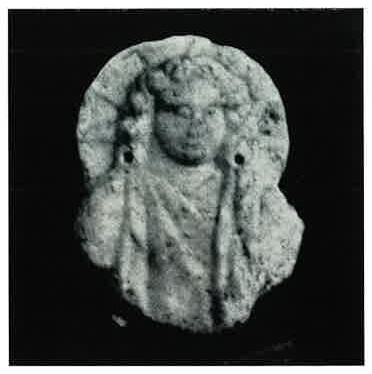
Fragment of a white marble statuette from the Mithraeum at Sarmizegetusa, Dacia, preserving the dressed bust of Sol in a nimbus and seven-rayed crown with traces of red colour; two bolt-holes at the bottom for attachment.
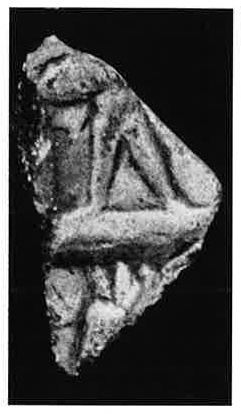
Marble fragment from the Mithraeum at Sarmizegetusa, Dacia, preserving a standing figure in shoulder-cape (possibly Sol) and below it a burning altar.
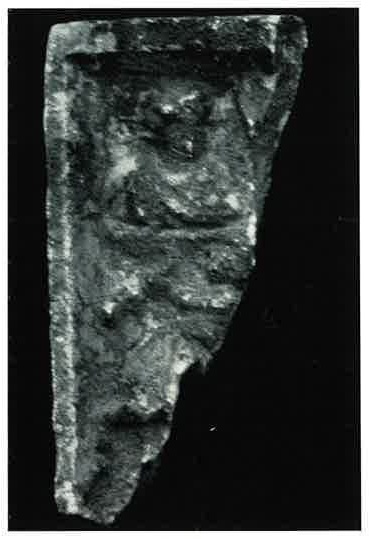
Fragment of a yellowish marble relief from the Mithraeum at Sarmizegetusa, Dacia, preserving the left upper corner with the bust of Sol and below it Mithras riding the bull.
