Your search Stein am Rhein gave 2070 results.

Stein am Rhein occupied a strategic position near the western limits of the Danubian frontier system.

Life-sized sandstone head with long curly hair and Phrygian cap, found at the foot of the Hohenklingen near Stein am Rhein, Raetia; probably belonging to a statue of Cautes or Cautopates.
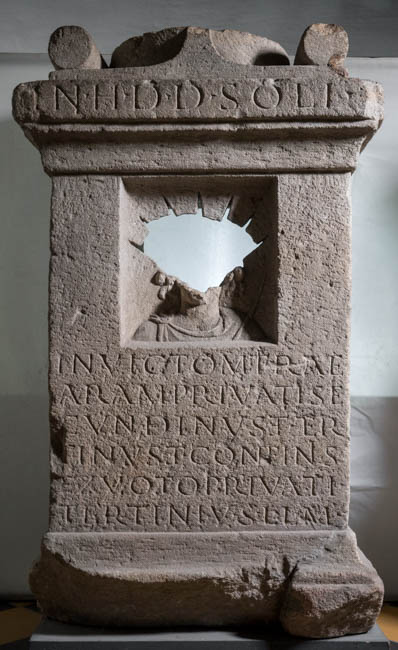
The altar of the Sun god belongs to the typology of the openwork altar to be illuminated from behind.

To date, there is no evidence that the so-called Mithraeum of Burham was ever used to worship the sun god.
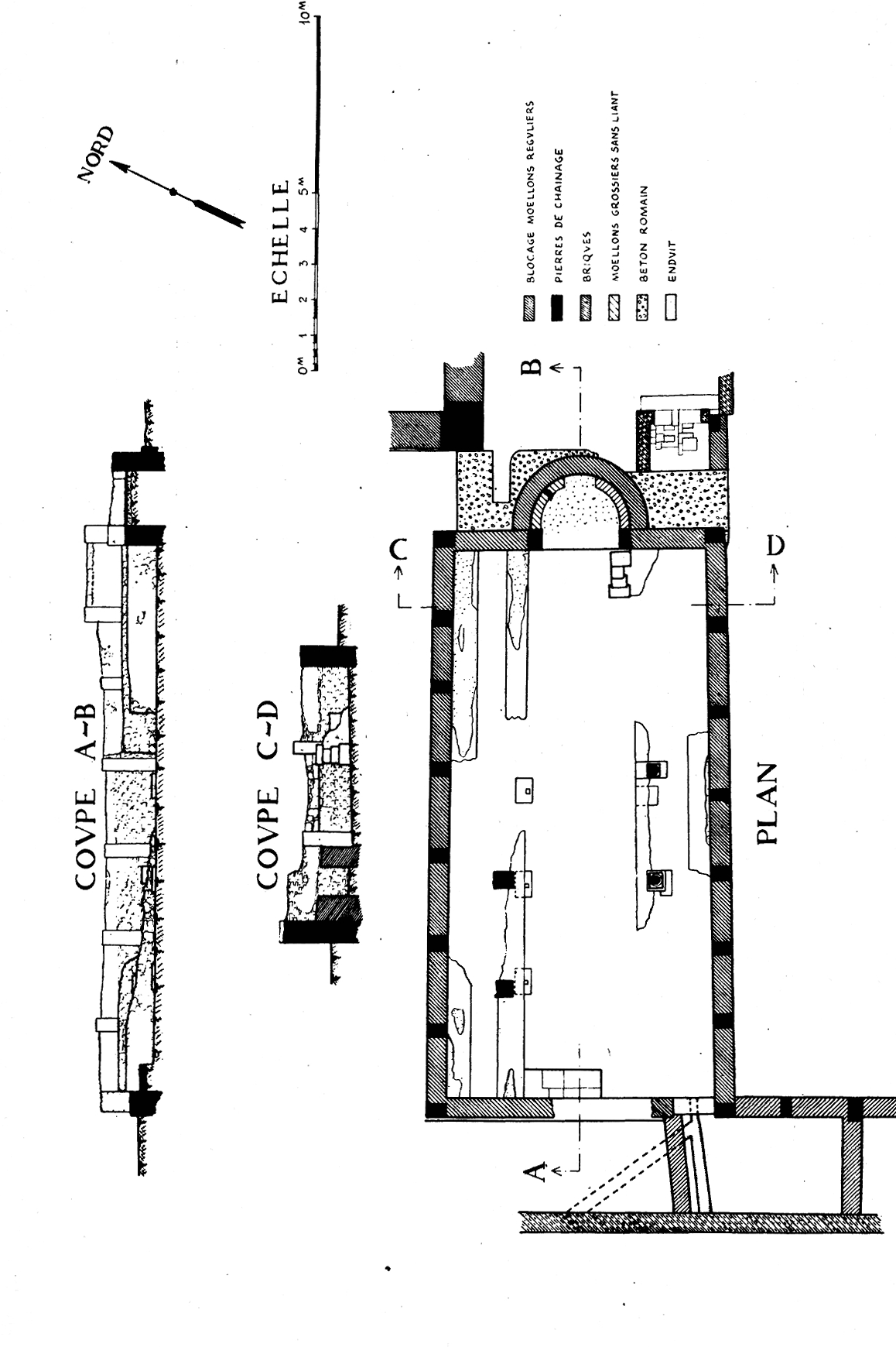
The Mithraeum of Tazoult / Lambèse is one of the best preserved Mithras’s temples in Africa.
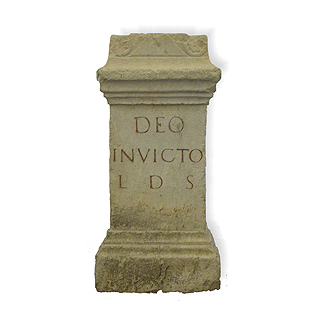
This altar to Deo Invicto was found during the excavation of the Monastero Delle Benedettine di Santa Grata in Bergamo, with a bronze calf’s head on top.
Late Roman funerary inscription from Antium commemorating the senator, governor of Numidia and Mithraic pater Alfenius Ceionius Iulianus Kamenius.
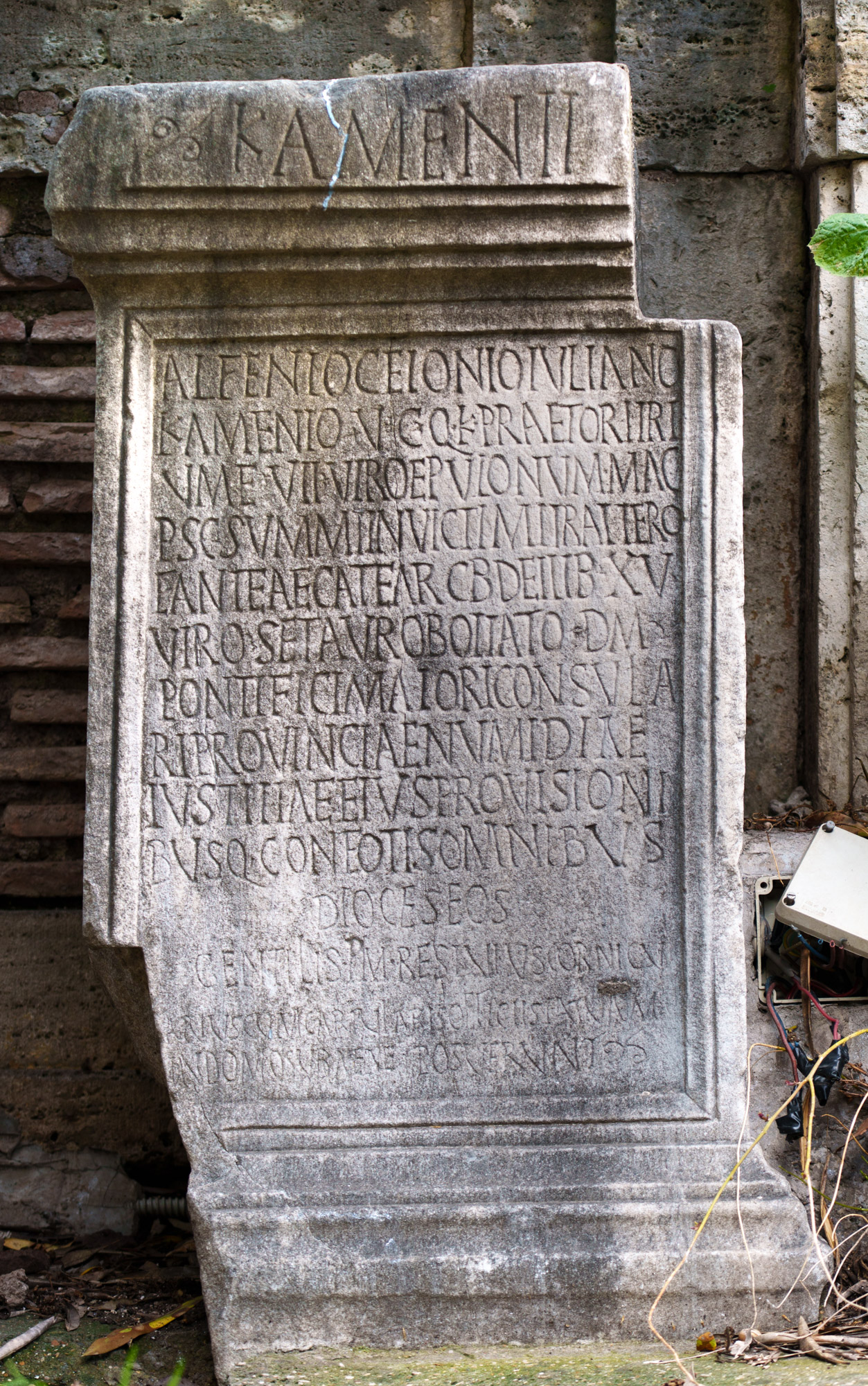
Honorific marble statue base dedicated to the senator and Mithraic pater Alfenius Ceionius Iulianus Kamenius by members of his provincial administration.
Marble altar dedicated at the Vatican Phrygianum in Rome by the Mithraic pater Alfenius Ceionius Iulianus Kamenius in 374 CE.

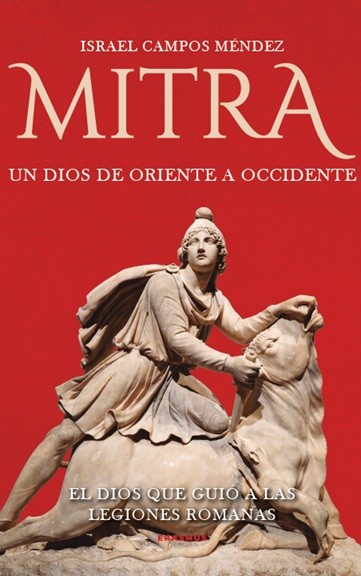
Un recorrido por los orígenes, la expansión y el legado de Mitra desde Persia hasta el corazón de Roma.
Terra-sigillata vase from Rheinzabern, ancient Tabernae, bearing a Mithraic graffito on its flat border.
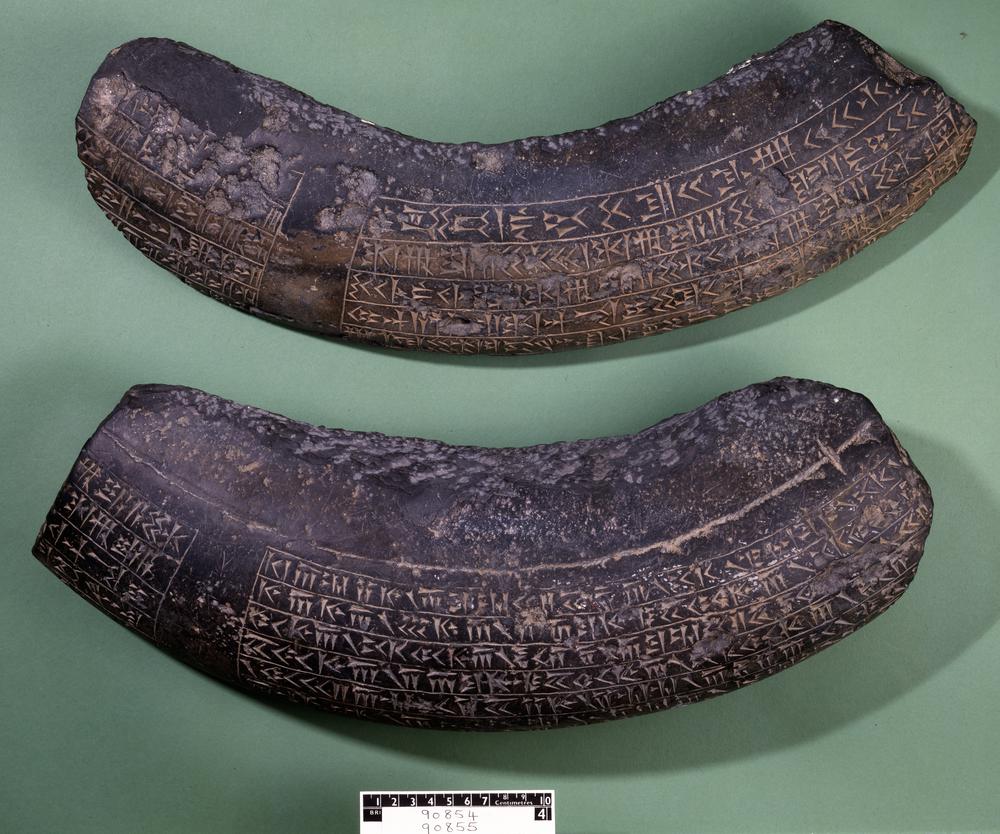
The base of the column bears an inscription that records the rebuilding of a palace at Ectabana ’by the favour of Ahuramaza, Anahita and Mithra’.

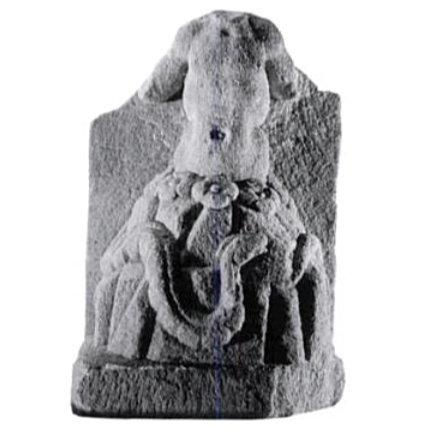
This sculpture of Mithras born from a rock was found in 1922 together with two altars in what was probably a mithraeum.
A black marble cippus from Val Camonica with clear but inelegant lettering, dedicated to Cautopates by G. Munatius Tiro, a duovir iure dicundo, and his son G. Munatius Fronto.
An inscription from the place called La Oneda near Breno in Val Camonica, dedicated to Sol Divinus by L. Apisocius Successus for himself and his four patrons Marcus, Gaius, Lucius and Quintus, with a dagger with ribbons carved below.