Your search Stein am Rhein gave 1060 results.
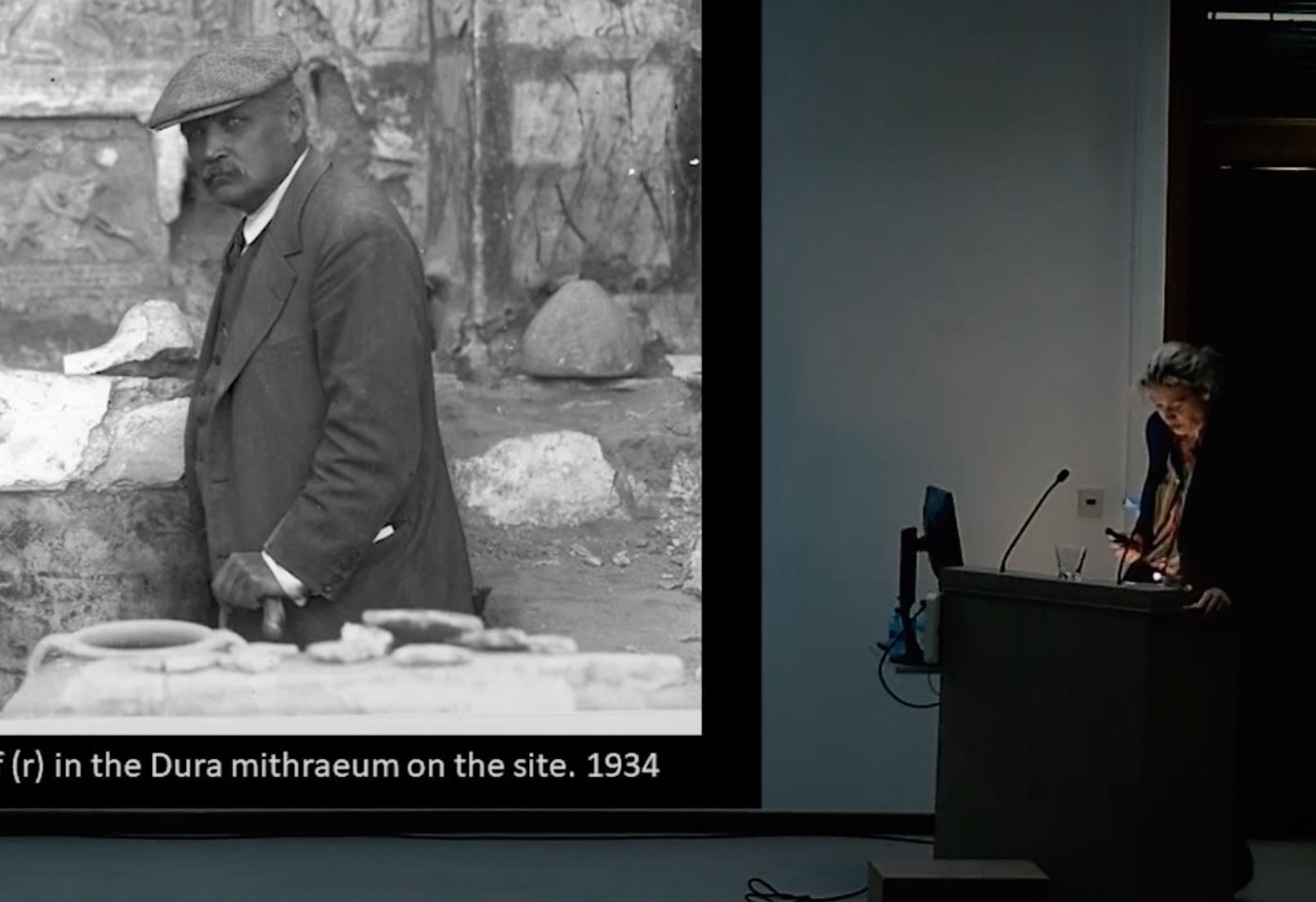
Intervention de Lucinda Dirven, Universiteit van Amsterdam.
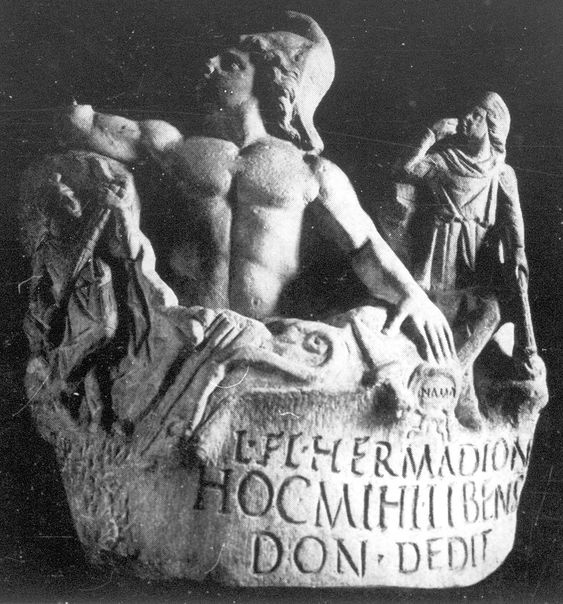
Mithras rock-born from Villa Giustiniani was holding a bunch of grapes in its raised right hand instead of a torch, probably due to a restoration.
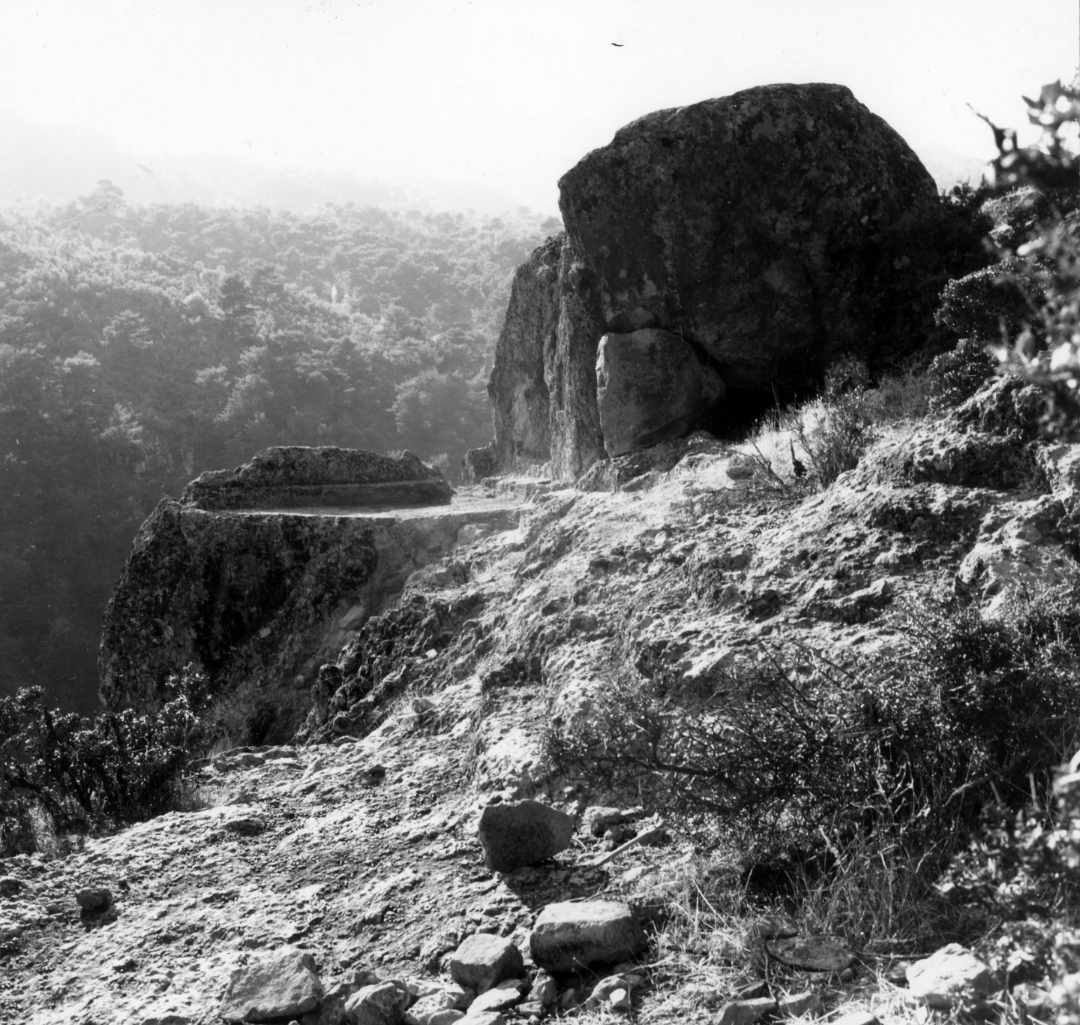
Mithras became the main deity worshipped in the sanctuary of Meter in Kapikaya, Turkey, in Roman times, at least until the fourth century.

This marble slab found near the Casa de Diana in Ostia bears two inscription with several names of brothers of a same community
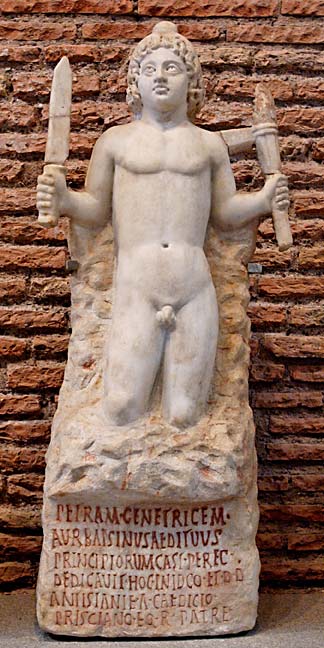
The sculpture of Mithras rock-birth from Santo Stefano Rotondo bears an inscription of Aurelius Bassinus, curator of the cult.
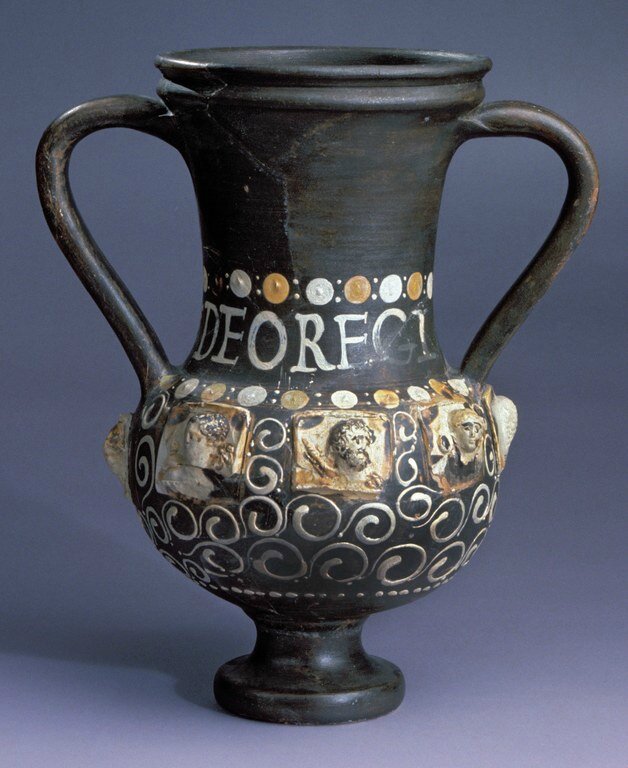
The vase bears an inscription to the god but also 'king' Mithras.
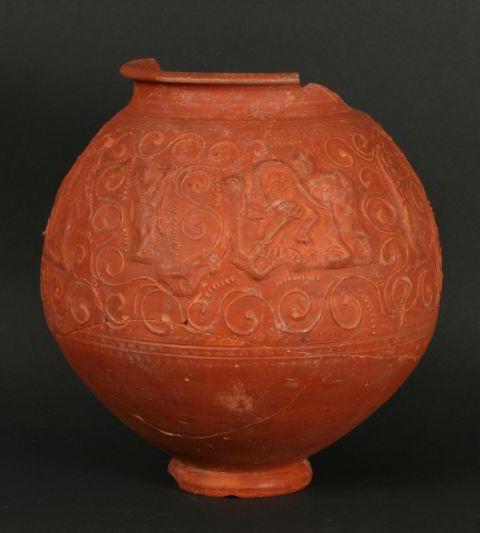
This terracotta vase features prolific decoration, including Mithras Tauroctonos, Fortuna, Cautes, a dog and Pan playing a syrinx.
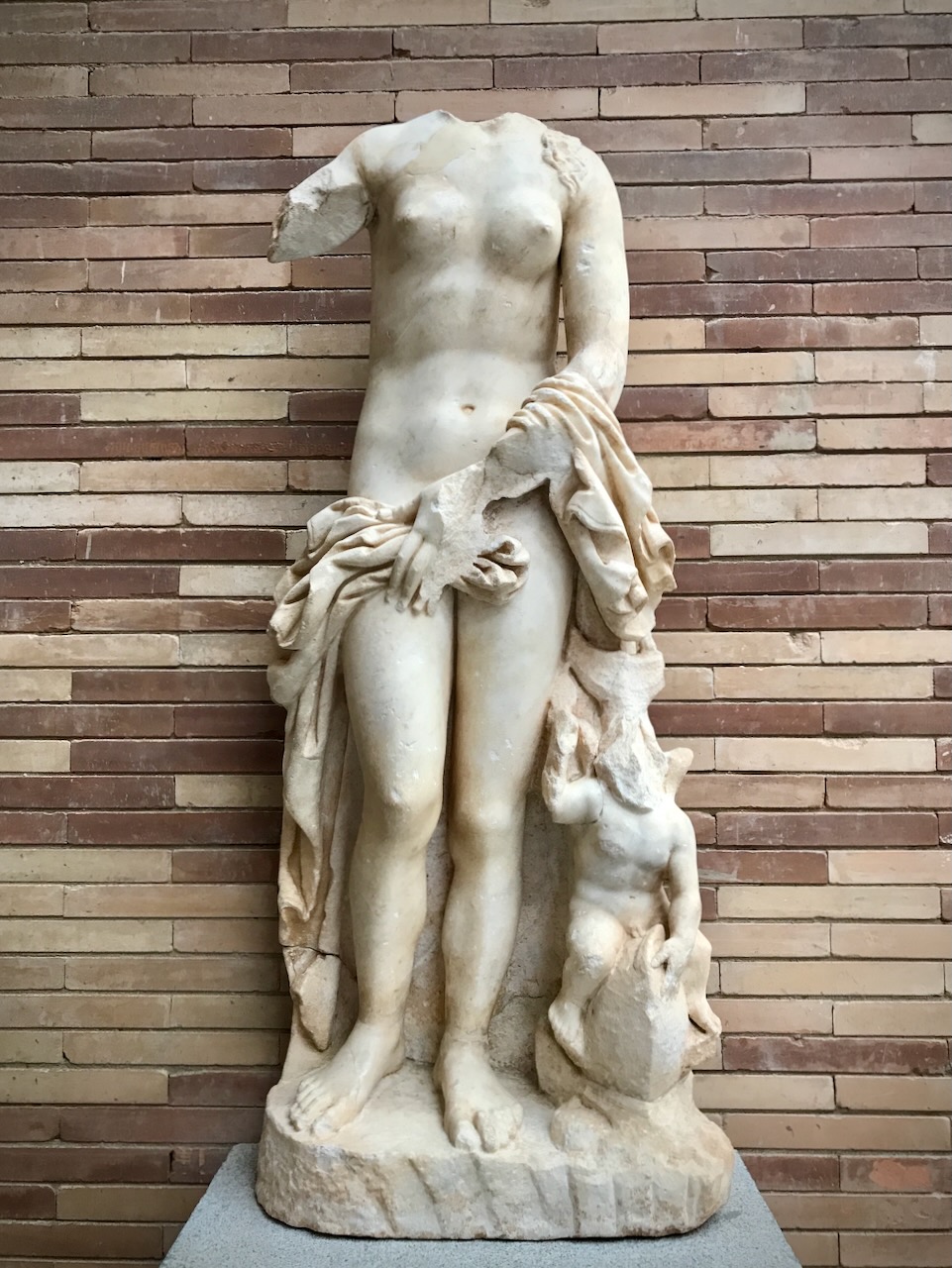
The Venus pudica of Merida stands next to the young Amor riding a dolplhin.
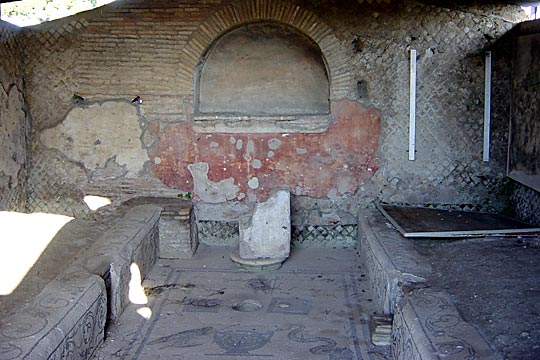
The name of the Mithraeum of the Seven Gates refers to the doors depicted in the mosaic that decorates the floor, symbolising the seven planets through which the souls of the initiates have to pass.
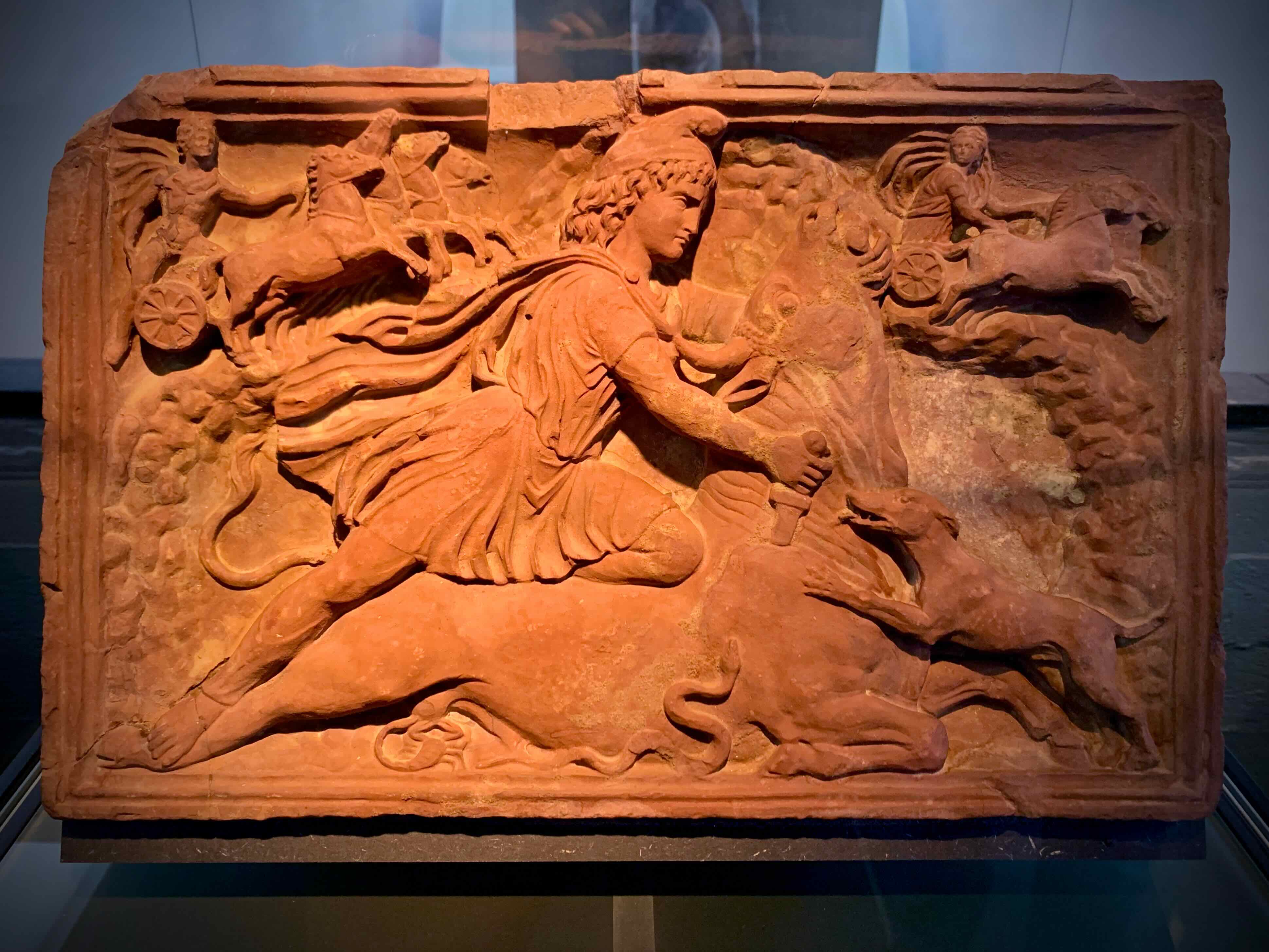
Maarten Vermaseren acquired this rosso antico marble of Mithras slaying the bull in 1961.
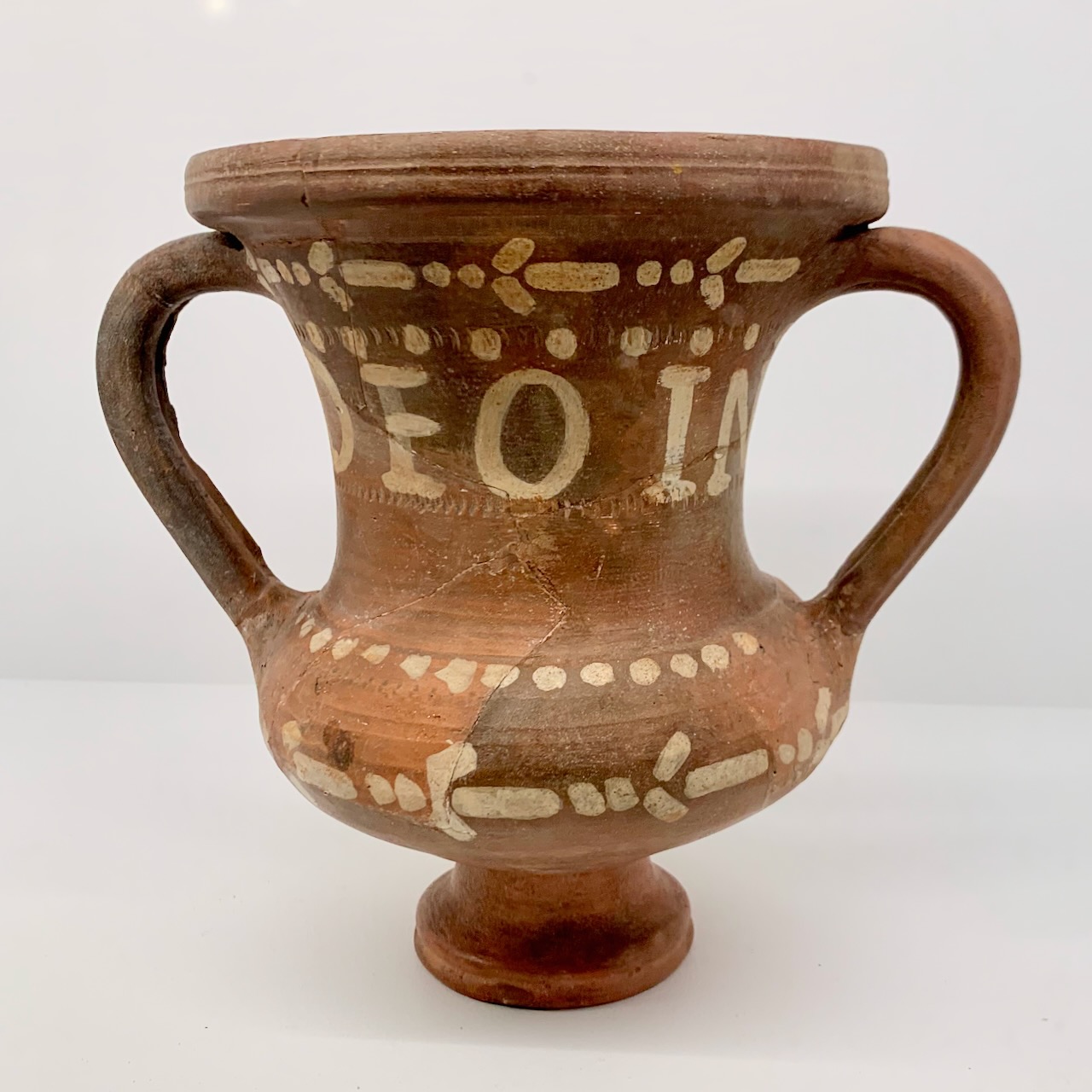
The cantharus of Trier is reminiscent of the crater that often appears in tauroctony scenes collecting the blood from the slaughtered animal.
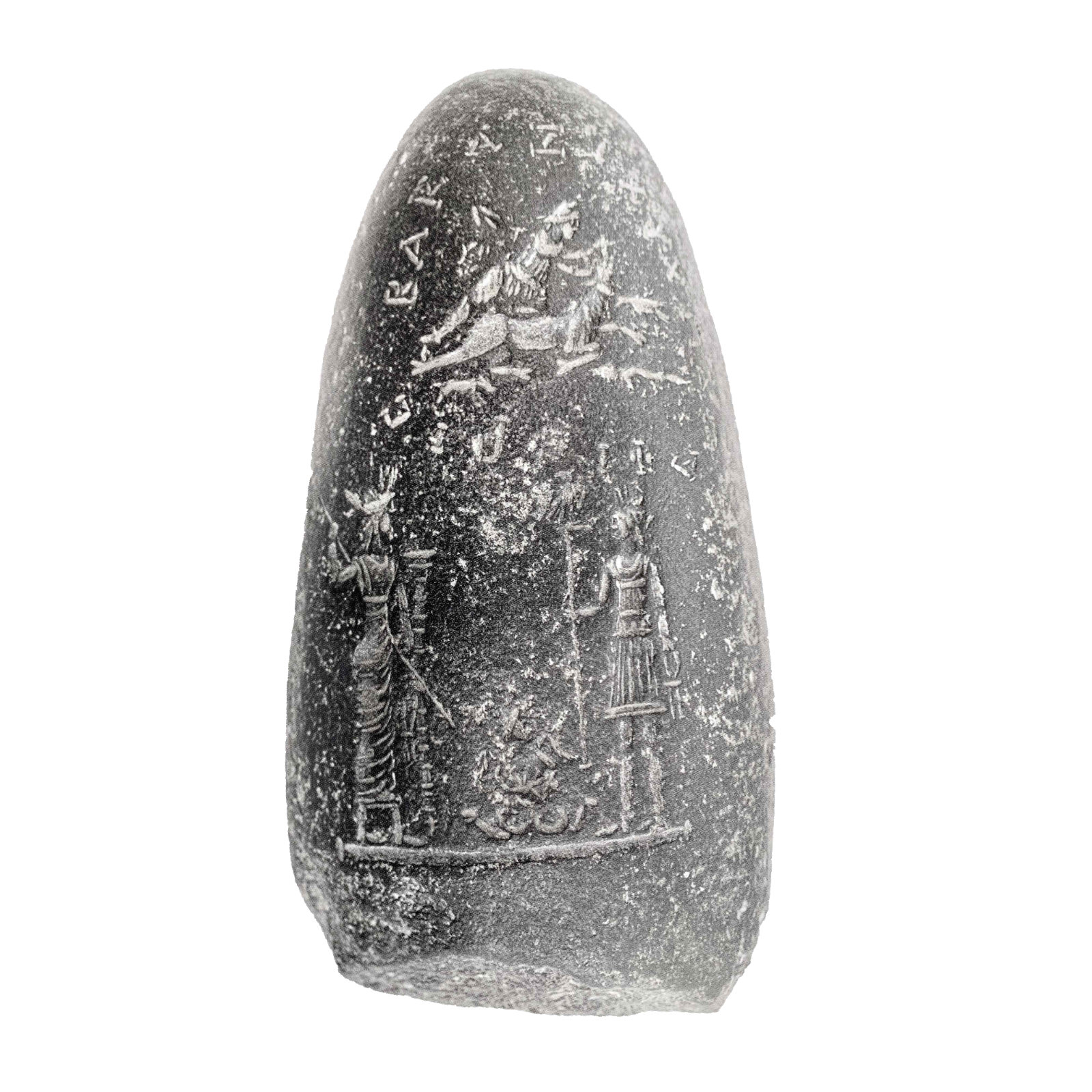
According to Christopher A. Faraone, the axe-head from Argos belong to a category of thunderstones reused as amulets.
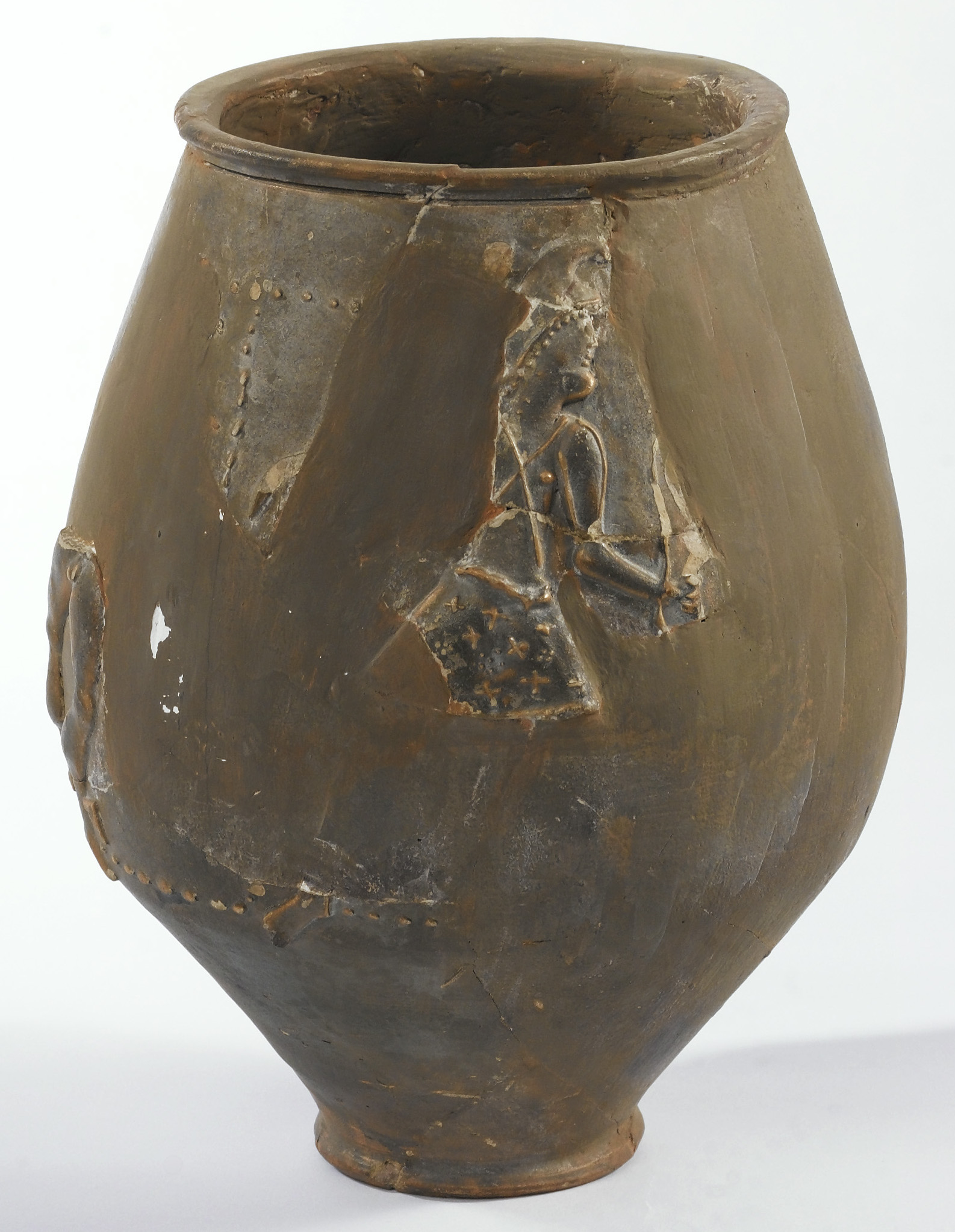
The St Albans mithraic vase depicts fragments of three figures identified by Vermaseren as Hercules, Mercury and Mithras as an archer.
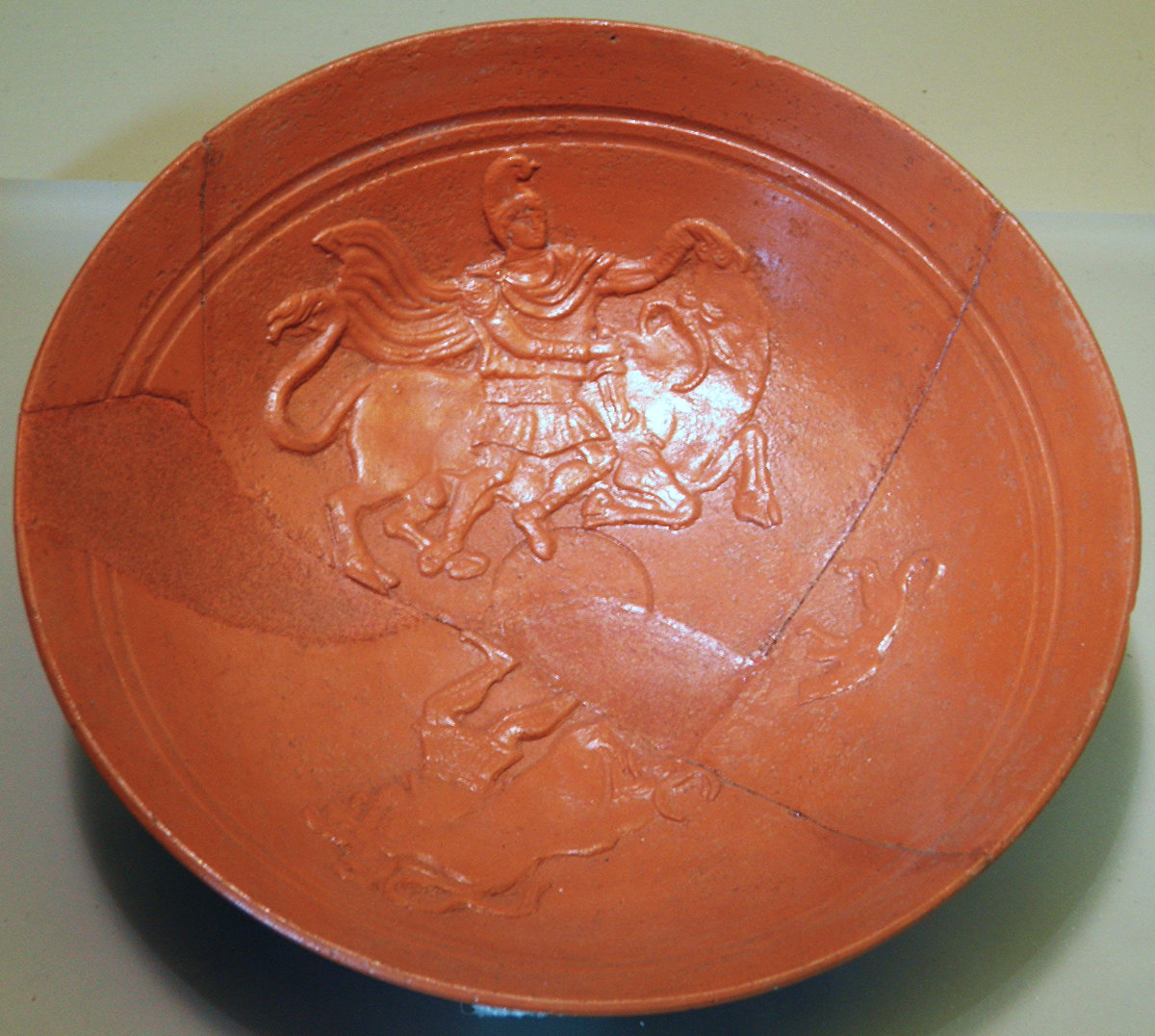
The red ceramic vessel from Lanuvium shows Mithra carrying the bull, followed by the dog, and the Tauroctony on the opposite side.
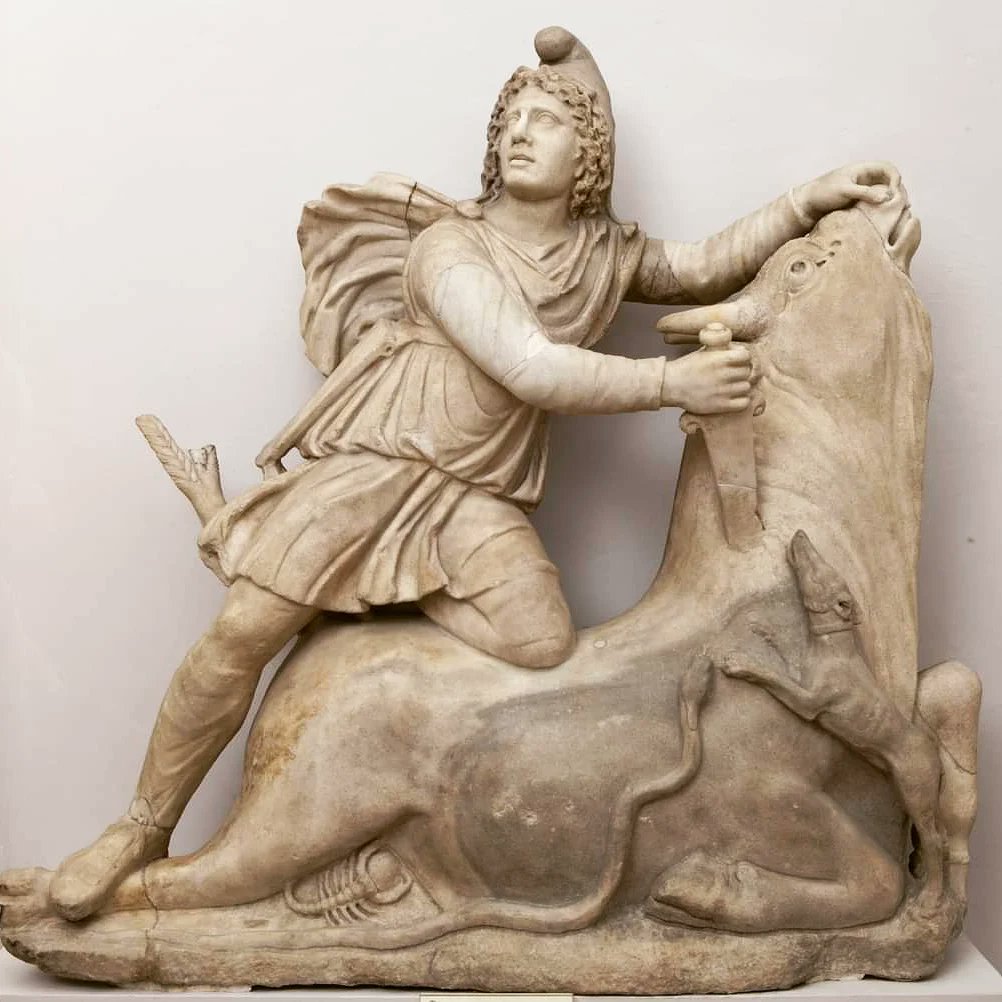
This sculpture of Mithras slaying the bull was bequeathed to the Republic of Venice in 1793 by Ambassador Girolamo Zulian.
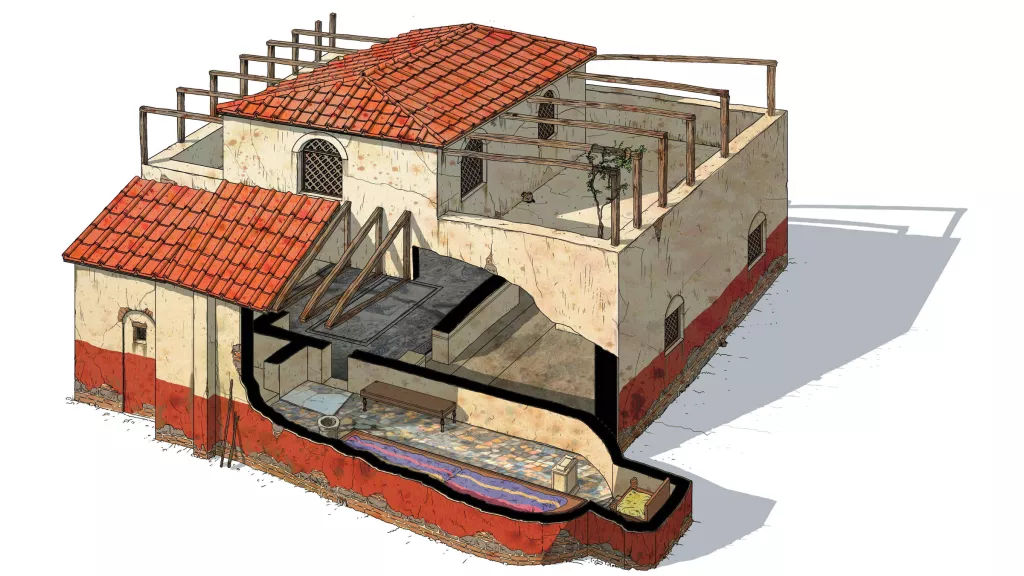
The Mitreo dei Marmi Colorati takes its name after the discovery of a black-and-white mosaic of Pan fighting with Eros.
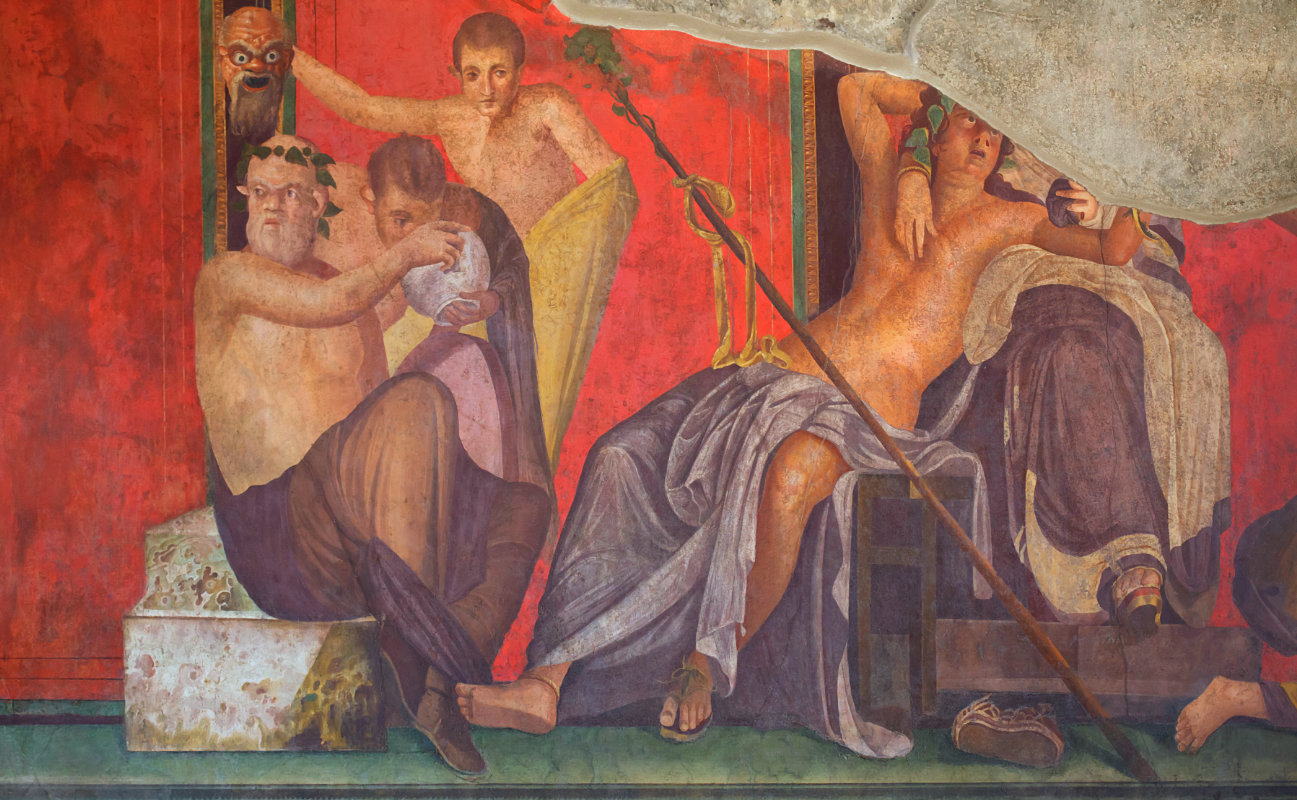
Peter Mark Adams: ‘The initiation was a frightening experience that caused some people to panic as a flood of otherworldly entities swept through the ritual space.’.

The article reveals the context in which the first public appearance of Mitra happened to answer two questions: who were the first people to give prominence to this deity, and for what purpose they did so.
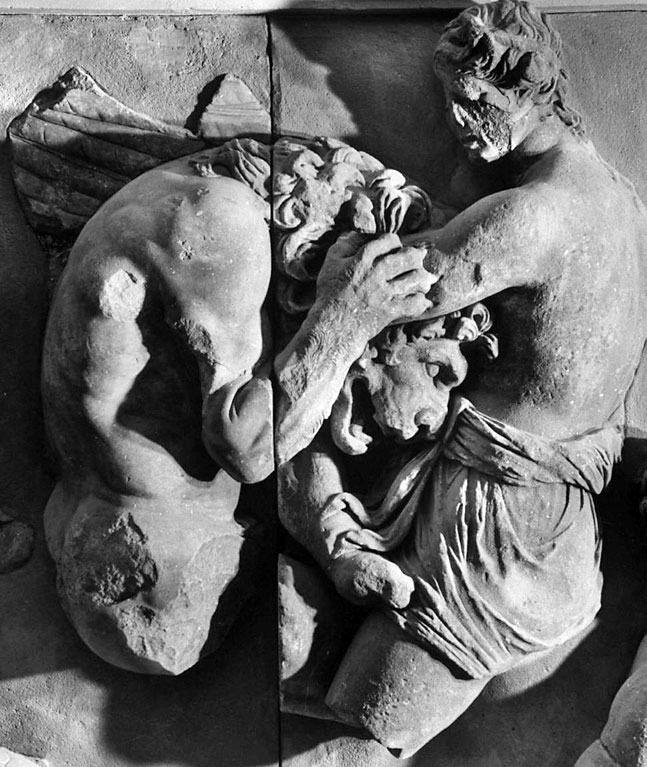
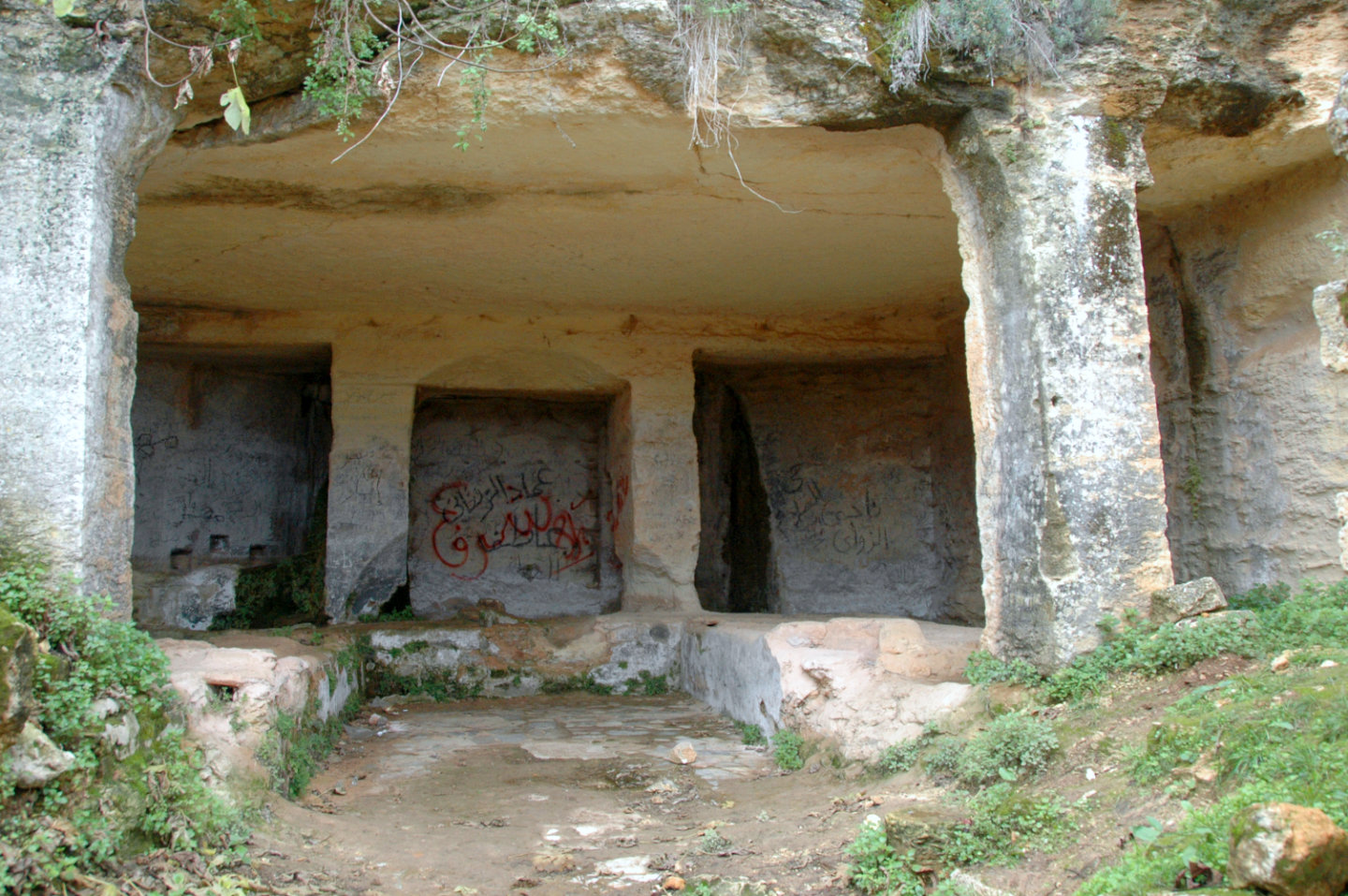
The Mithraeum of Cyrene is preserved among the remarkable ruins of the ancient capital of the Roman province of Cyrene.
