Your search Stockstadt am Main gave 1174 results.

Pair of sandstone bases with small columns on the front, carved with a staircase on the reverse, from Mithraeum I at Heddernheim, ancient Nida
Small votive altar or base from Mithraeum I at Heddernheim, ancient Nida, with fragmentary inscription preserving the initials A.C.
Votive sandstone altar from Mithraeum I at Heddernheim, ancient Nida, dedicated by Caius Lollius Crispus, centurion of Cohors XXXII Voluntariorum
Sandstone altar from Mithraeum I at Heddernheim, ancient Nida, dedicated to Invicto Mithrae by Iulius Iuvenalis ex voto
Votive altar from Heddernheim, ancient Nida, dedicated to Deo invicto Mithrae by Marcus Tertius Senecio at his own expense
Unusual hexagonal sandstone altar from Mithraeum I at Heddernheim, ancient Nida, with six decorated sides of cult significance
Basalt relief from Mithraeum I at Heddernheim, ancient Nida, featuring a depiction of the goddess Epona, found in a Mithraic context
Sandstone statue of a seated lion in attacking posture, from Mithraeum I at Heddernheim, ancient Nida, with its hindmost part lost
Votive inscription from Heddernheim, ancient Nida, dedicated to Fortuna by Tacitus, an eques of the Ala I Flavia Milliaria
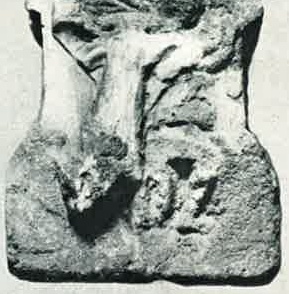
Small sandstone altar from Mithraeum I at Heddernheim, ancient Nida, bearing a snake and cult imagery consistent with Mithraic worship
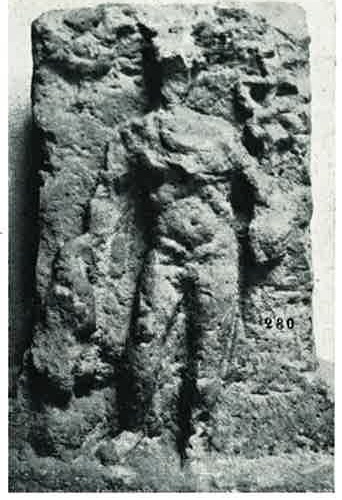
Weathered sandstone relief from Mithraeum I at Heddernheim, ancient Nida, showing a standing Mercury whose body is covered by a shoulder cape
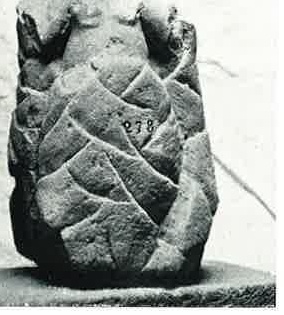
Red sandstone statue from Mithraeum I at Heddernheim, ancient Nida, depicting the young naked Mithras with curly hair being born from the rock
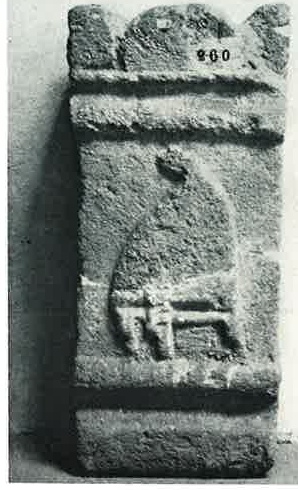
Sandstone altar from Mithraeum I at Heddernheim, ancient Nida, decorated on one side with the representation of a Phrygian cap
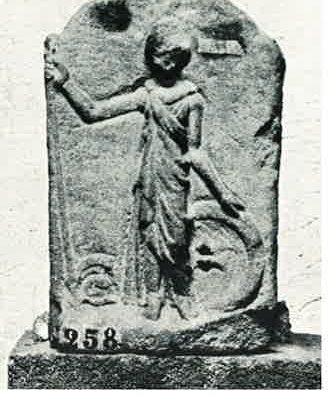
Sandstone relief from Mithraeum I at Heddernheim, ancient Nida, depicting a standing Minerva resting her left hand on a shield while holding a lance
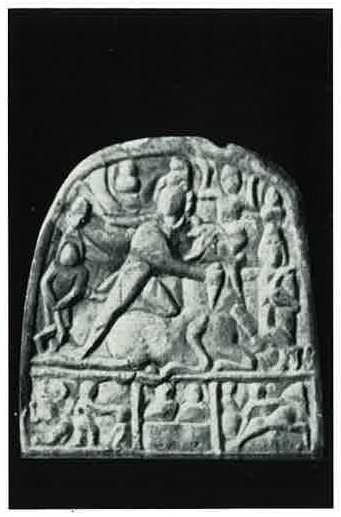
Small tauroctony relief in white marble, preserved in five fragments, from Mithraeum I at Heddernheim, ancient Nida
Sacrificial knife, lamps, pottery, animal remains and inscribed terracotta fragments discovered inside the sanctuary.
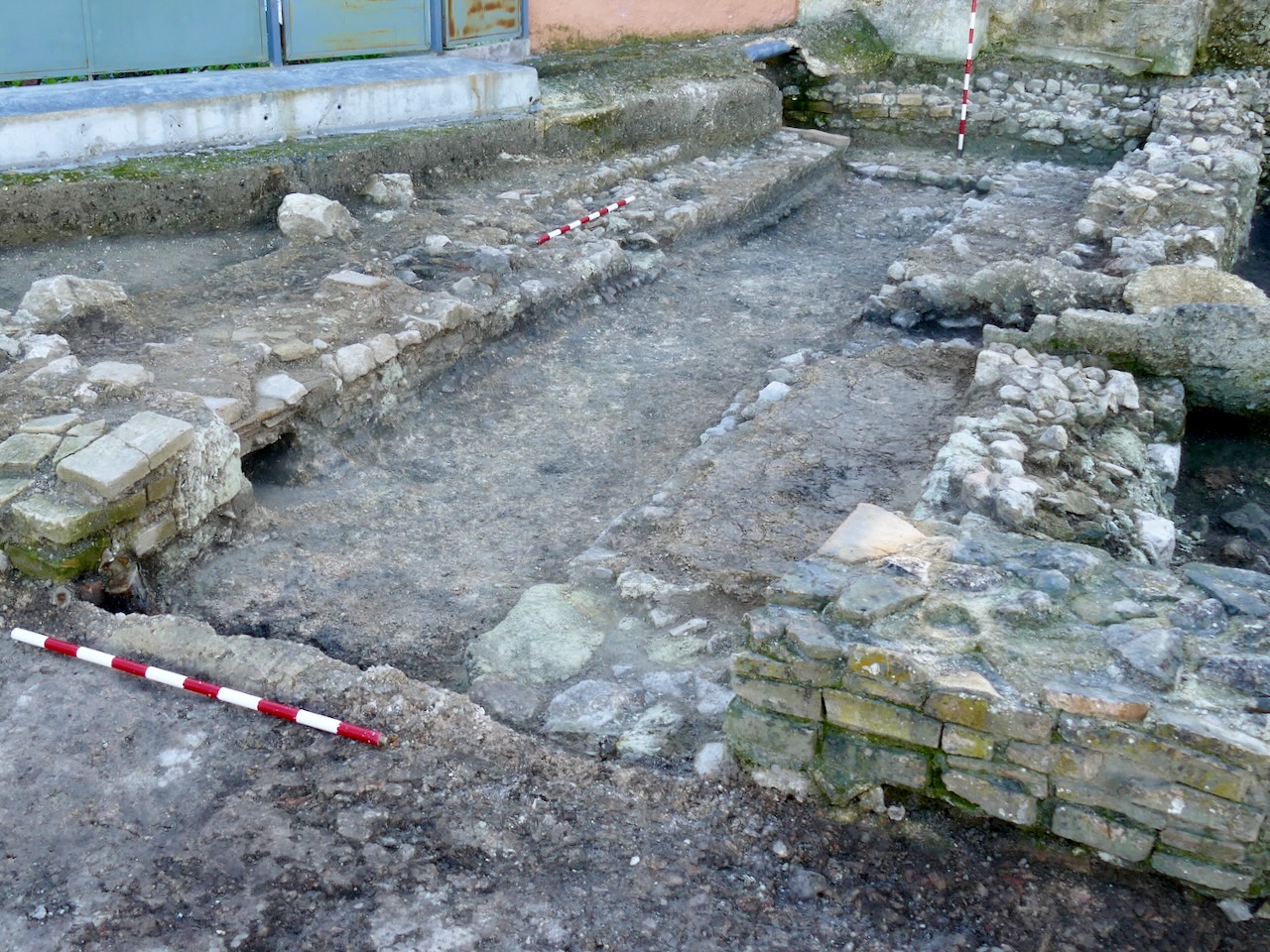
The Mithraeum of Cabra is located in the Villa del Mitra, which owes its name to the discovery in 1951 of a Mithras tauroctonus in the remains of the Roman villa.
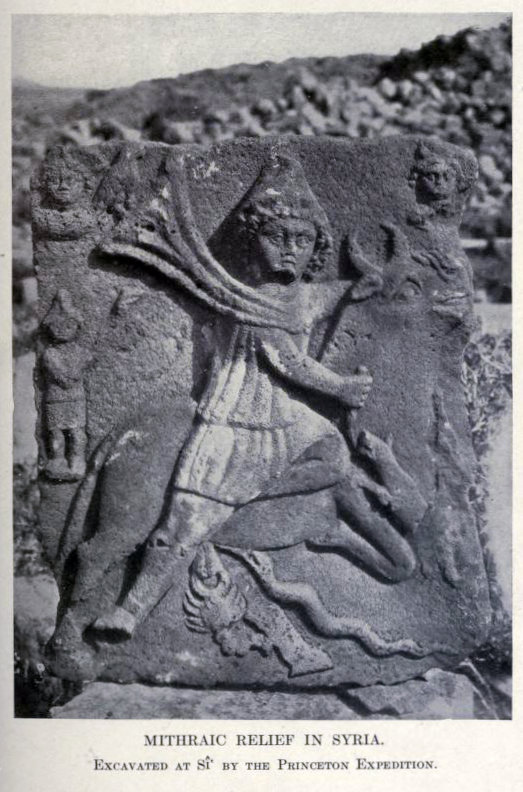
In the tauroctony of Jabal al-Druze in Syria, the snake appears to be licking the head of the bull's penis.
Sassanian-period frescoes discovered at Susa whose possible Mithraic interpretation remains uncertain.

Wiesbaden is the capital of the German state of Hesse, and the second-largest Hessian city after Frankfurt am Main.
