Your search Tal hal Hariri / Es-Sâlihiyeh / As Salhiyah gave 3730 results.
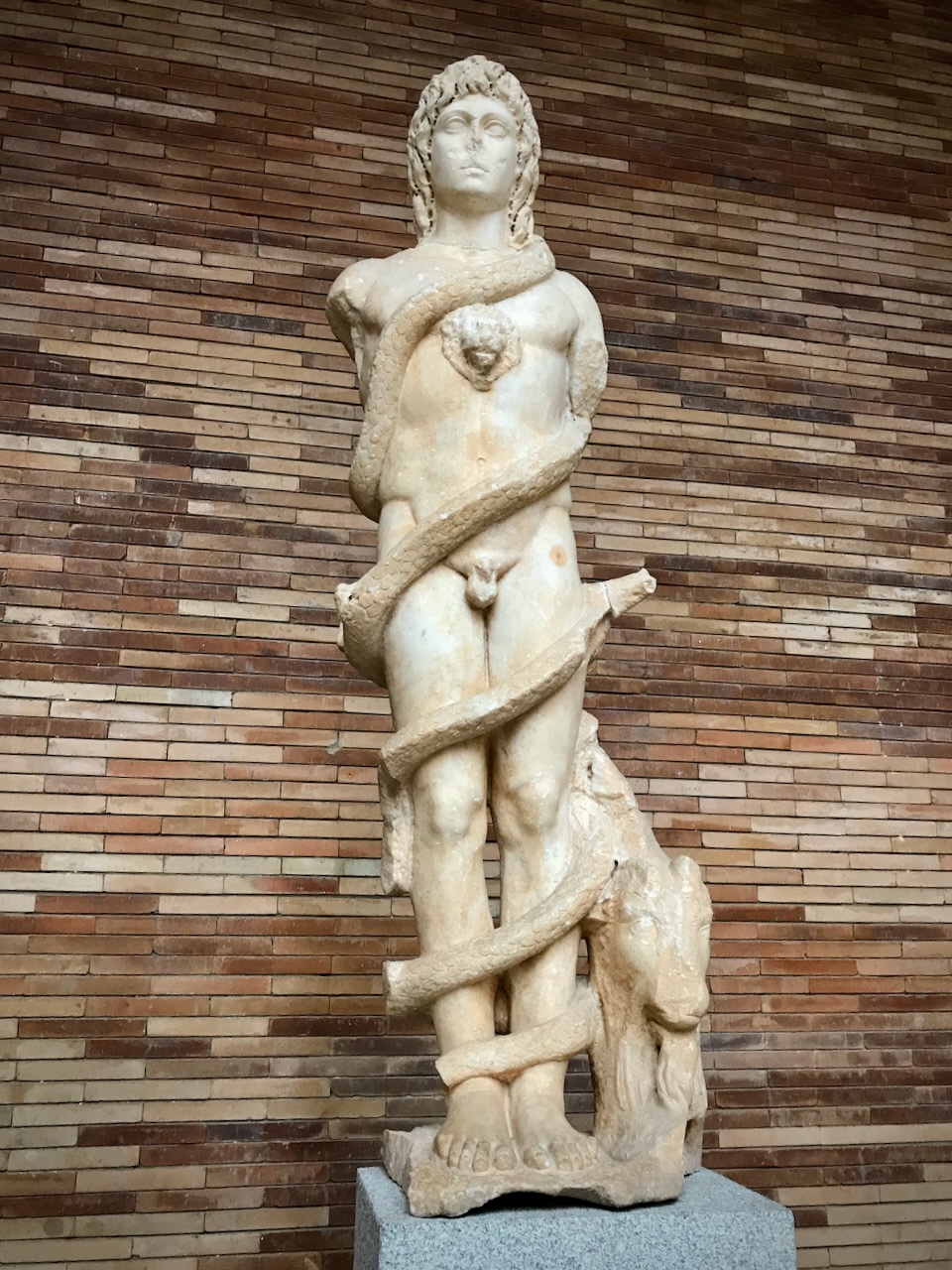
The Aion-Chronos of Mérida was found near the bullring of the current city, once capital of the Roman province Hispania Ulterior.

Roger Beck revisits the zodiac circle of the Mithraeum on the island of Ponza, a composition unique within the Mithraic corpus. His reading places the monument in relation to cosmology, ritual space, and Mithraic doctrine.
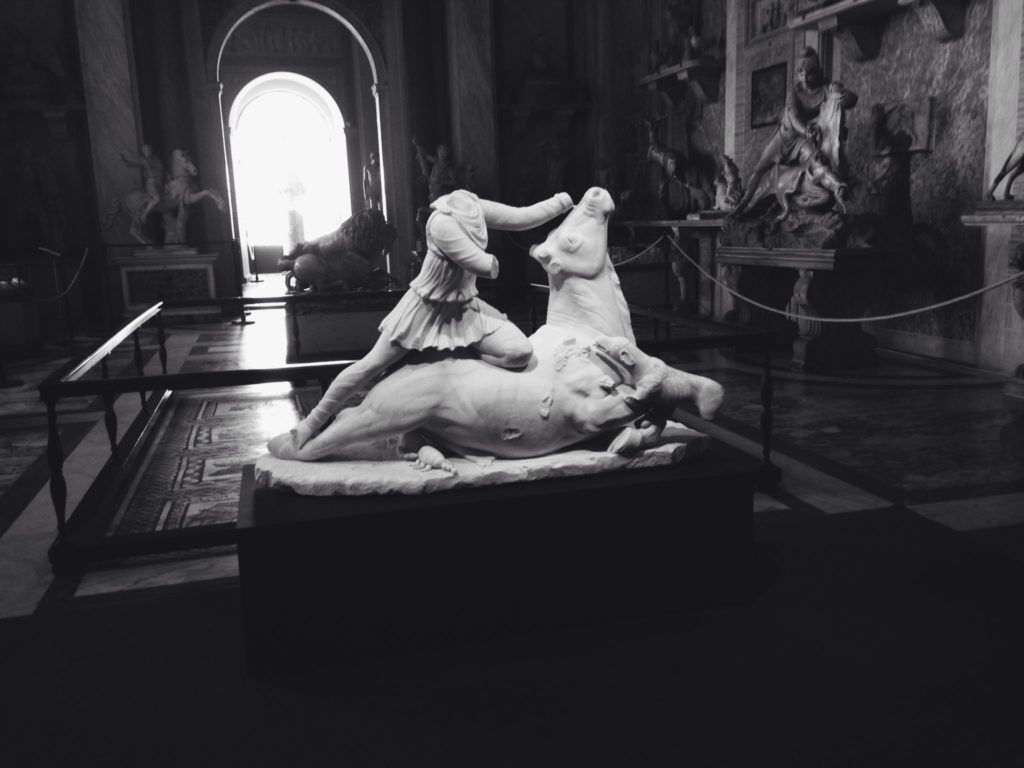
Votive sculpture of Mithras sacrificing the bull from the Mithraeum of Tarquinia.
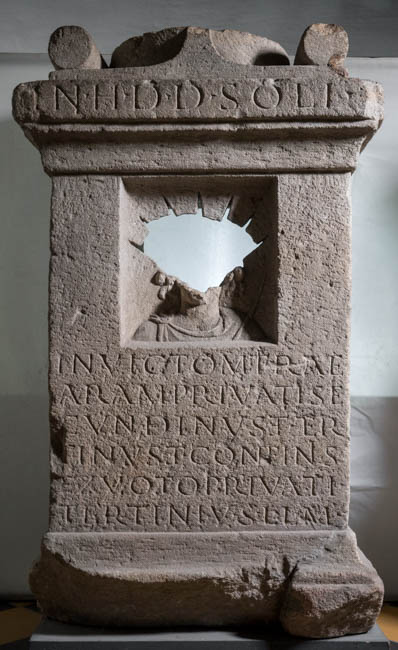
The altar of the Sun god belongs to the typology of the openwork altar to be illuminated from behind.

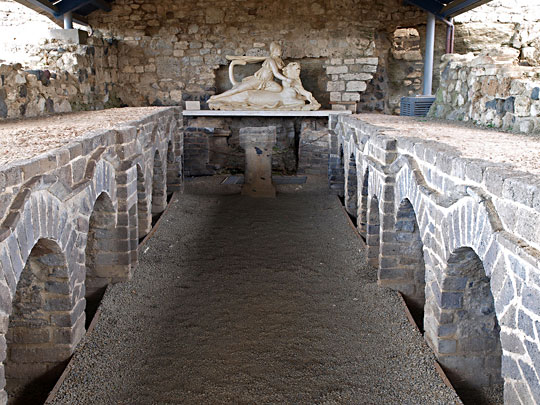
The Mithraeum of Vulci is remarkable because of his high benches and the arches below them.
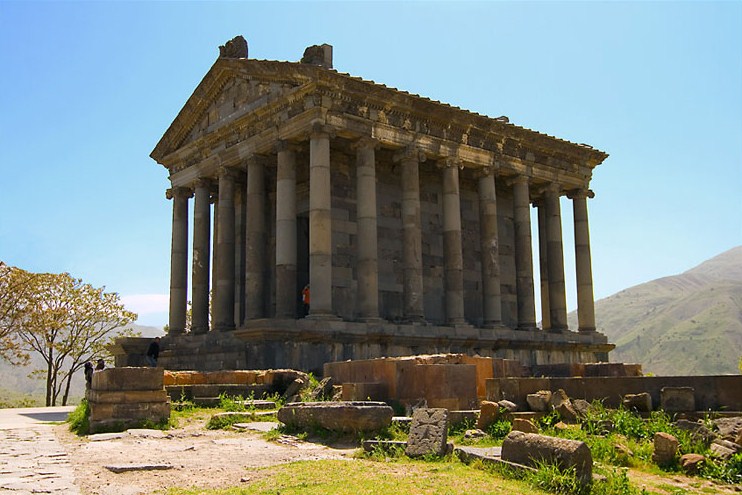
After Christianity was adopted, most pagan monuments were destroyed or abandoned. Garni, however, was preserved at the request of the sister of King Tiridates II and used as a summer residence for Armenian royalty.
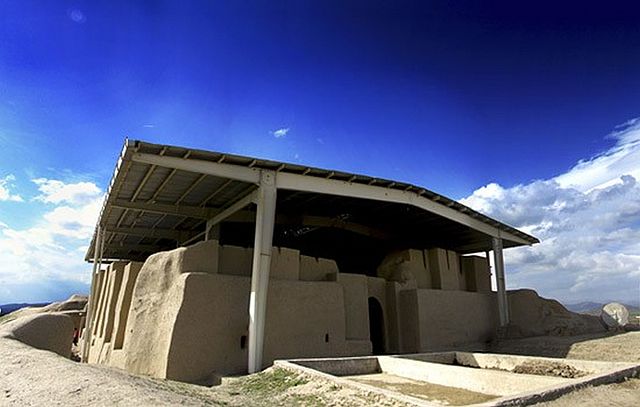
The Nushijan Mithraeum testifies to the worship of Mithra in the region since before the Zoroastrian reform.
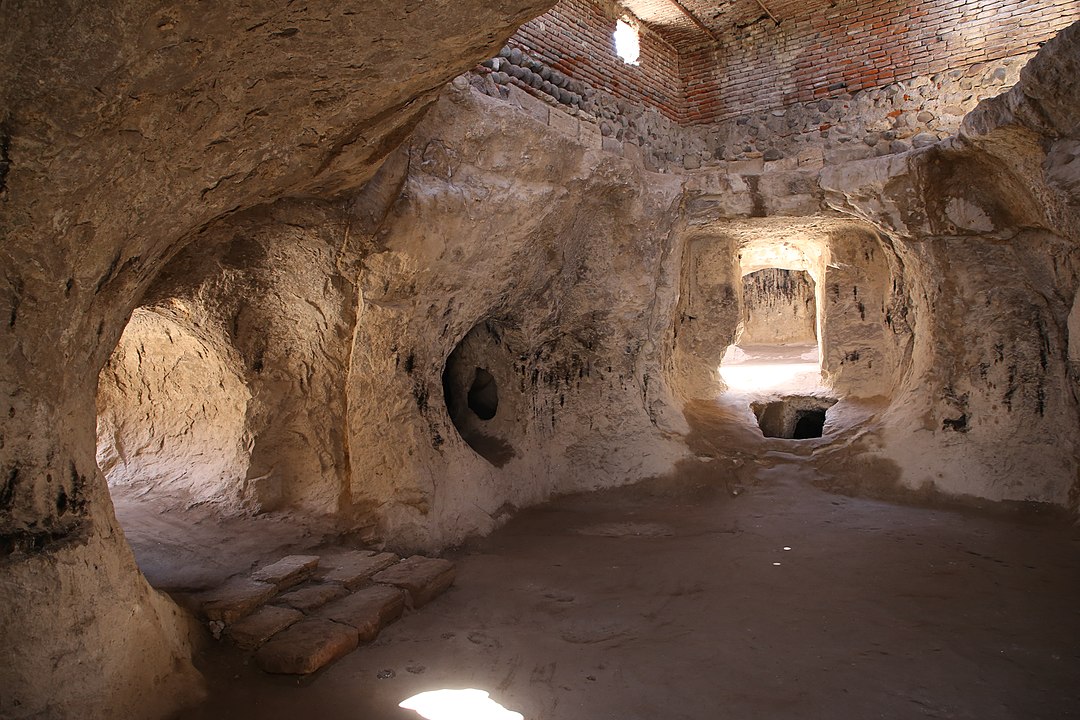
The Mithra Temple of Maragheh, also referred to as the Mithra Temple of Verjuy or simply Mehr Temple, is the oldest surviving Mithraic temple in Iran known to date.
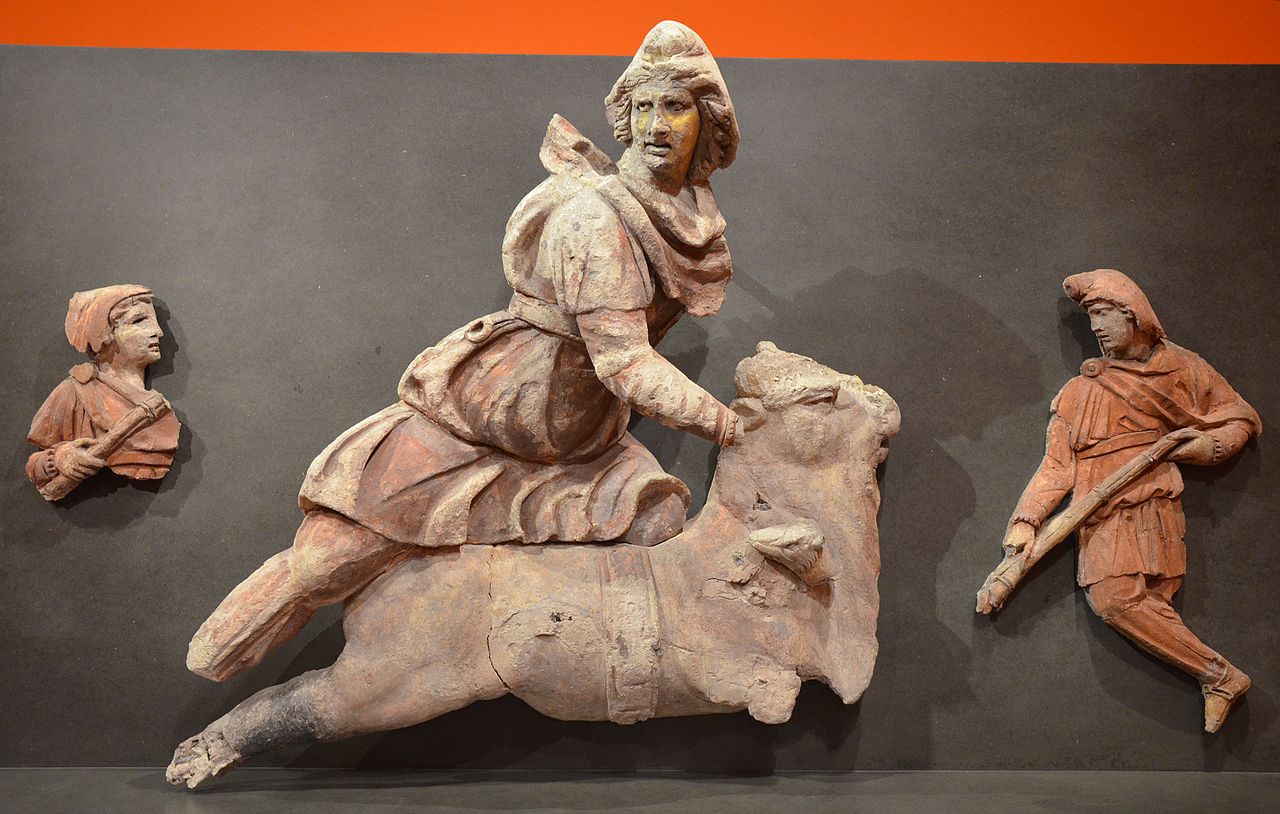
This relief was found under the Palazzo Montecitorio, in Rome, and bought by the Liebighaus at Frankfort.
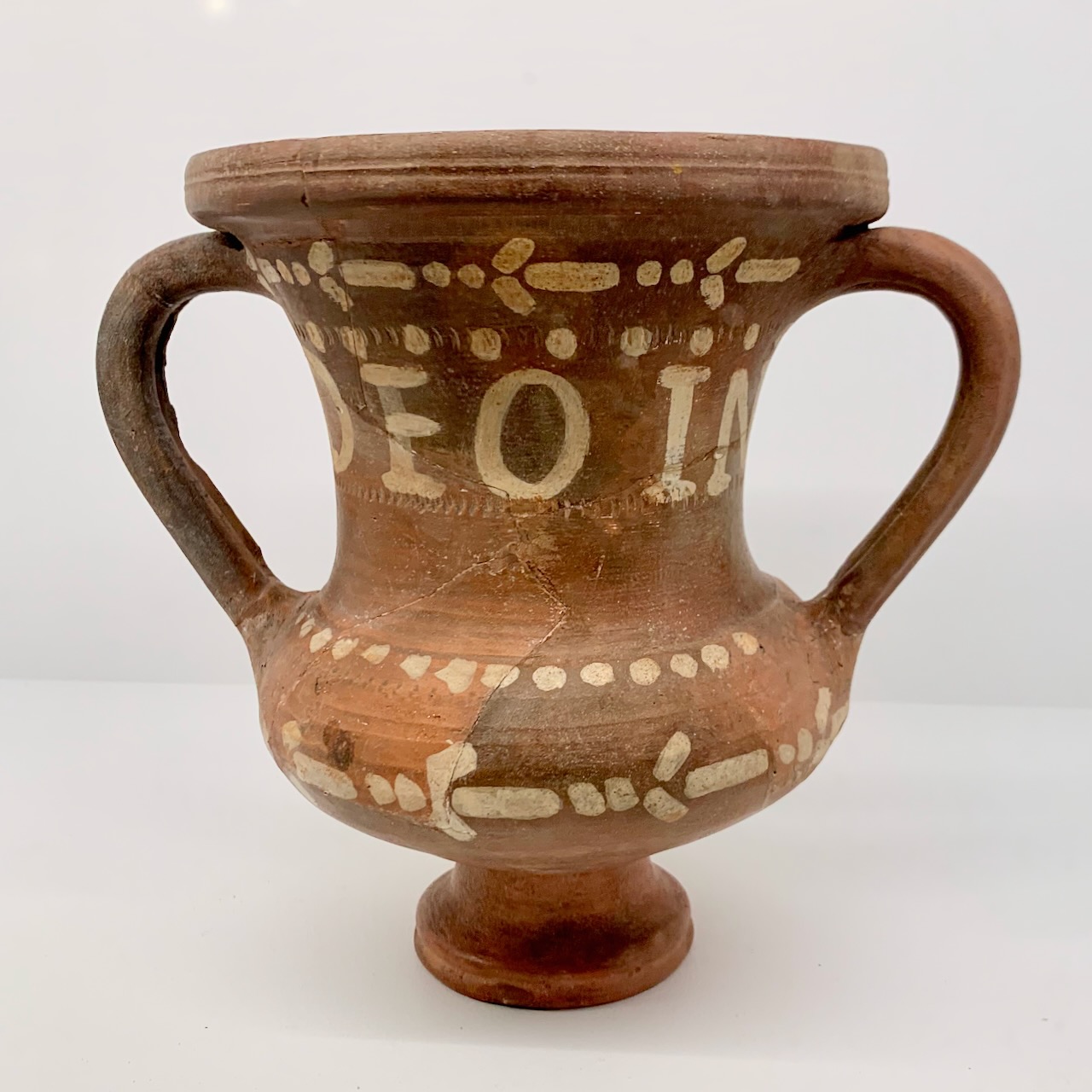
The cantharus of Trier is reminiscent of the crater that often appears in tauroctony scenes collecting the blood from the slaughtered animal.
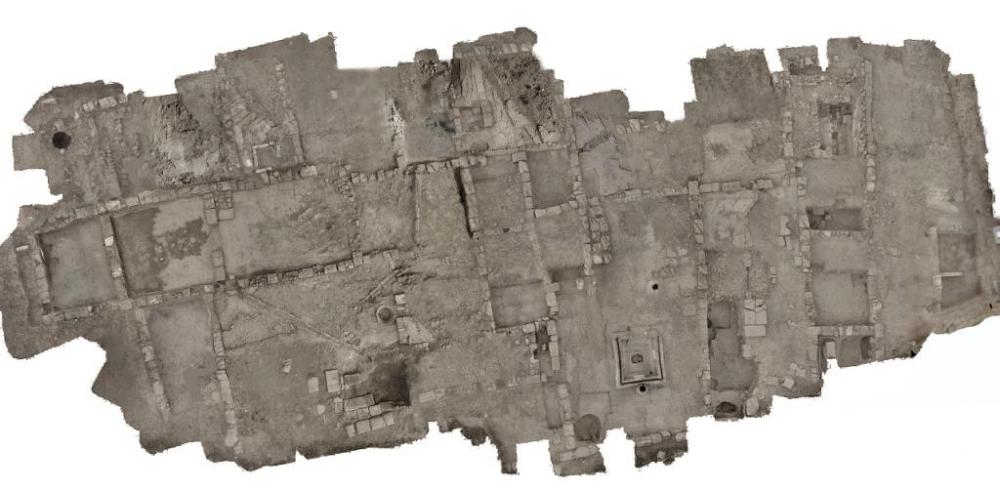
The discovery of the Mithraeum of Tarquinia is due to the Department for Protection of Cultural Heritage of the Carabinieri, who noticed some clandestine excavations near the Ara della Regina.

The Mithraeum of Szony has the form of a grotto and the entrance is on the west side.
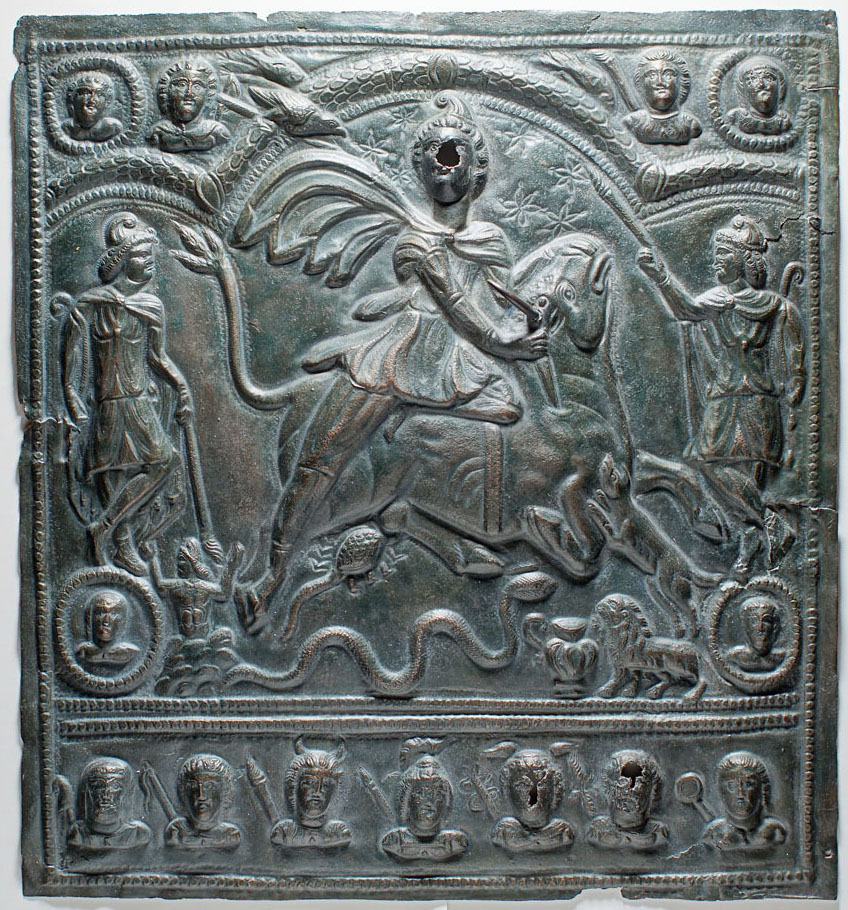
Szony's bronze plate shows Mithra slaying the bull and the seven planets with attributes at the bottom of the composition.
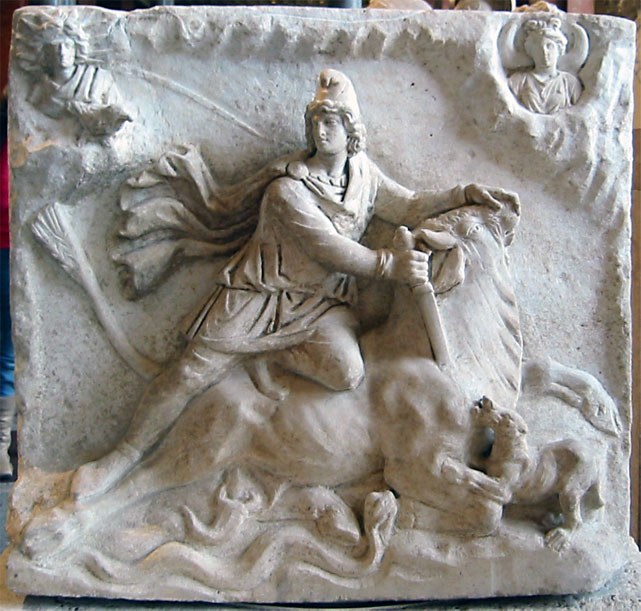
The marble shows Mithras slaying the bull, on one side, and Sol and Mithras feasting on a bull skin, on the other.
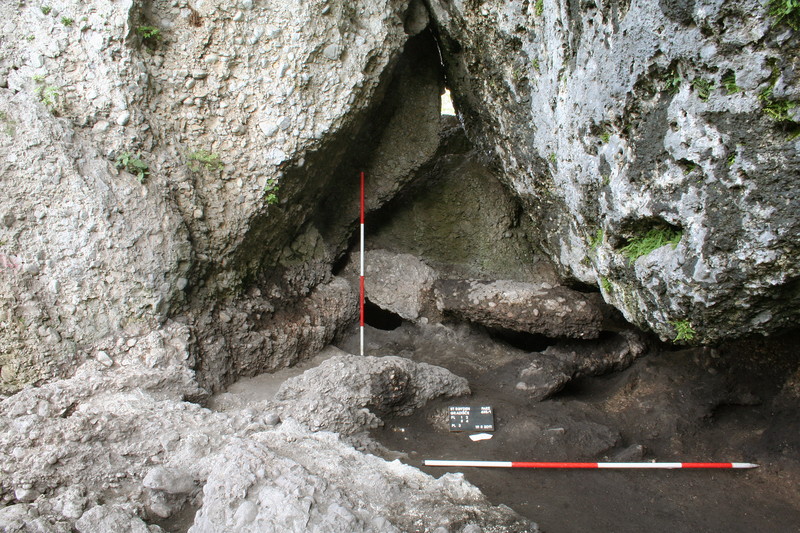
The 'Mithraic cave' in the Gradische/Gradišče massif near St. Egidio contained vessels decorated with snakes and the remains of chicken bones and other animals that were consumed during Mithraic ceremonies.
This temple of Mithras on the north side of the Capitoline Hill in Rome no longer exists.
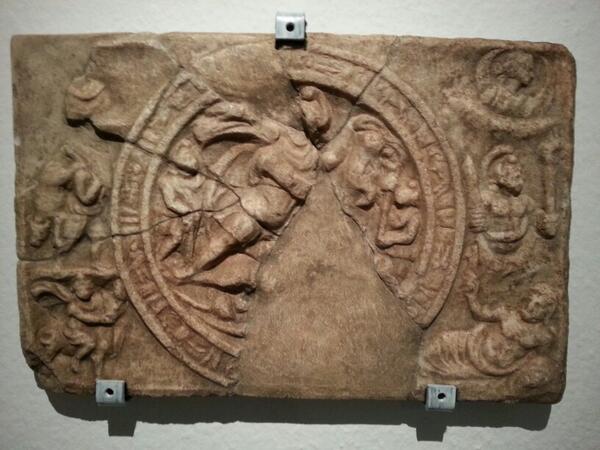
The relief of Mithras slaying the bull of Sisak includes the zodiac and multiple scenes from the myth of Mithras.
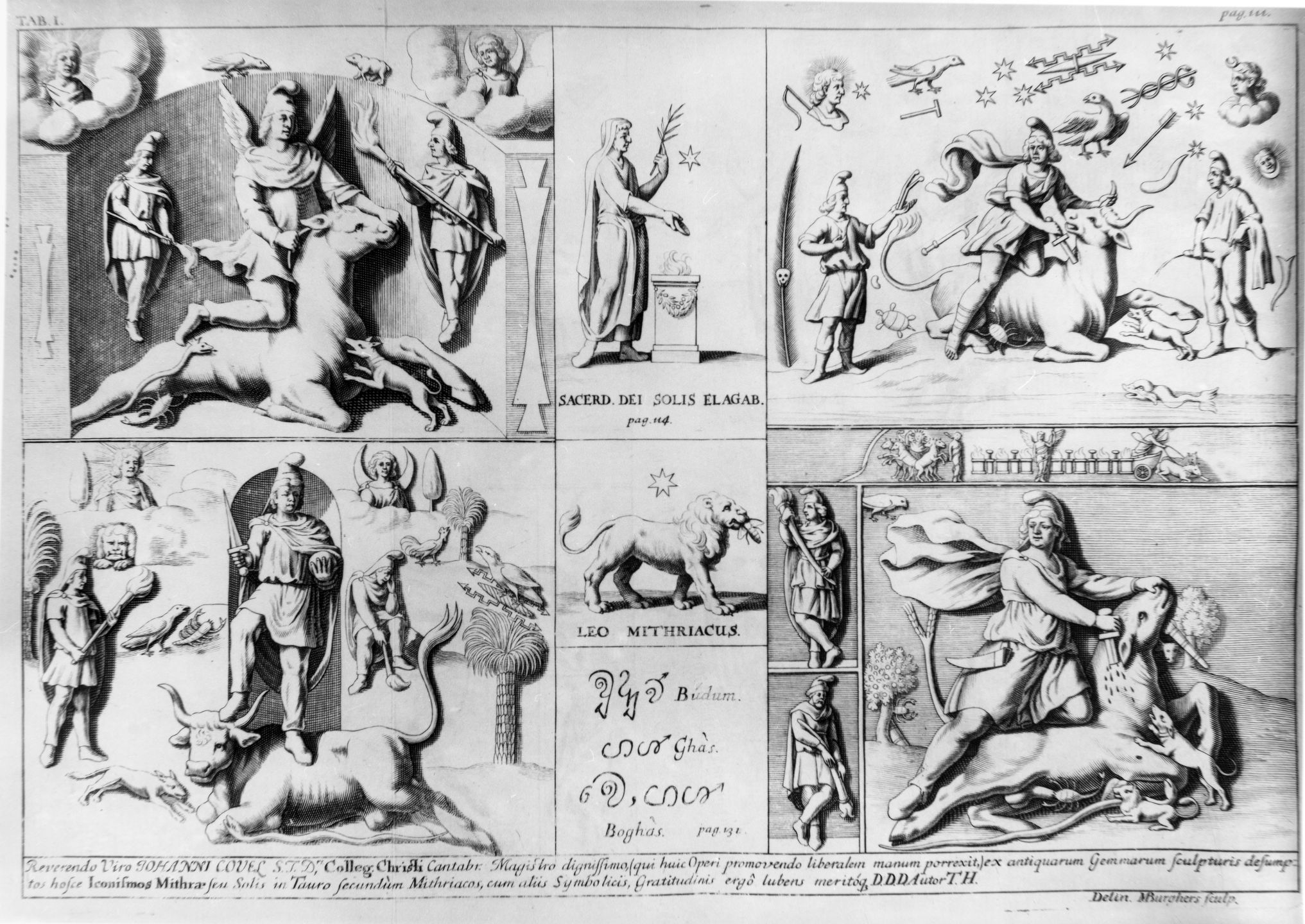
The folio depicts three tauroctonies and a Mithras Triumphantes standing on a bull with the globe in one hand and the dagger in the other.
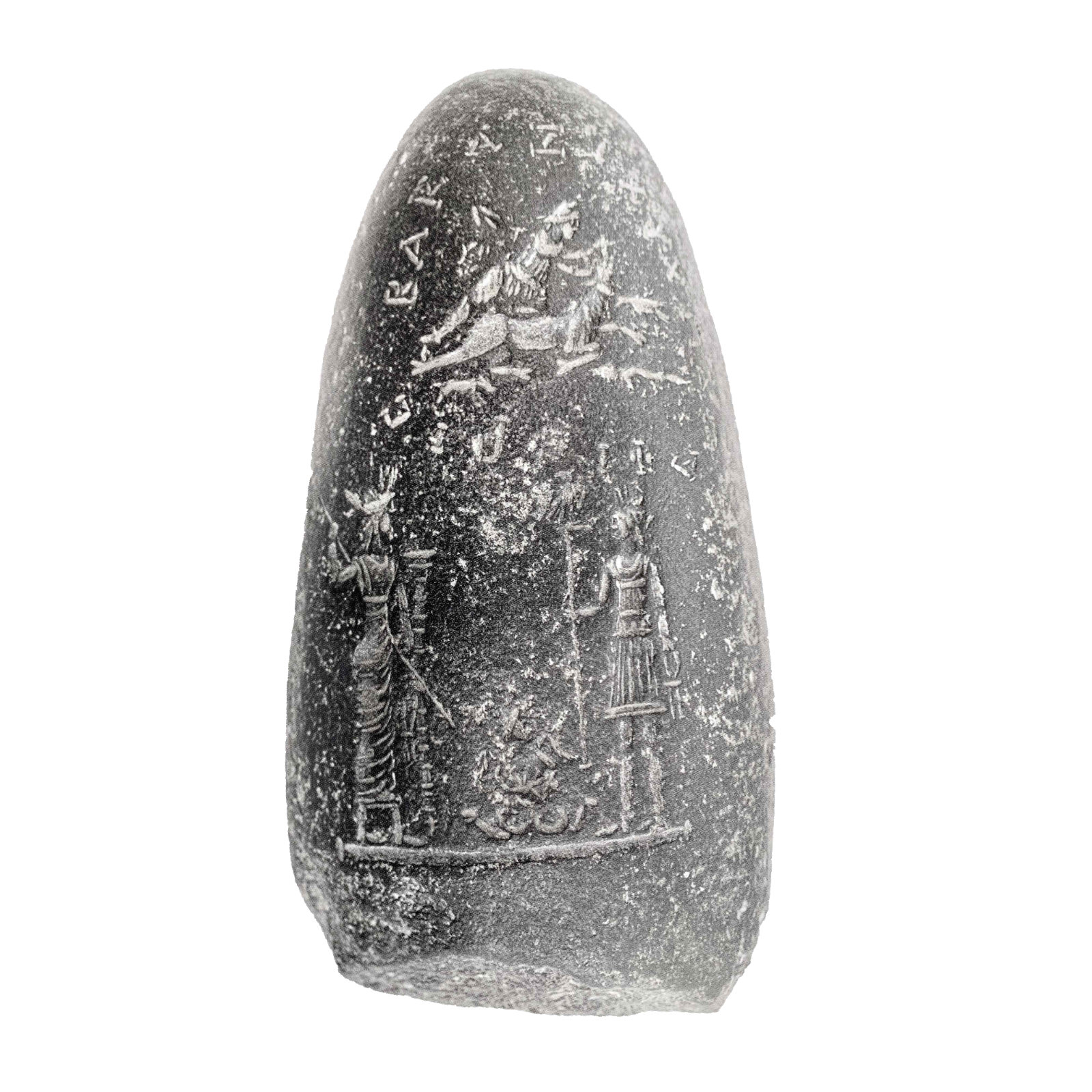
According to Christopher A. Faraone, the axe-head from Argos belong to a category of thunderstones reused as amulets.
