Your search Tal hal Hariri / Es-Sâlihiyeh / As Salhiyah gave 3725 results.

The high mountain routes of Alpes Graiae formed part of the Alpine corridors connecting Italy, Gaul and the northwestern provinces.
Alpes Poenninae controlled important Alpine routes through which military movement and religious practices circulated between Gaul and Italy.
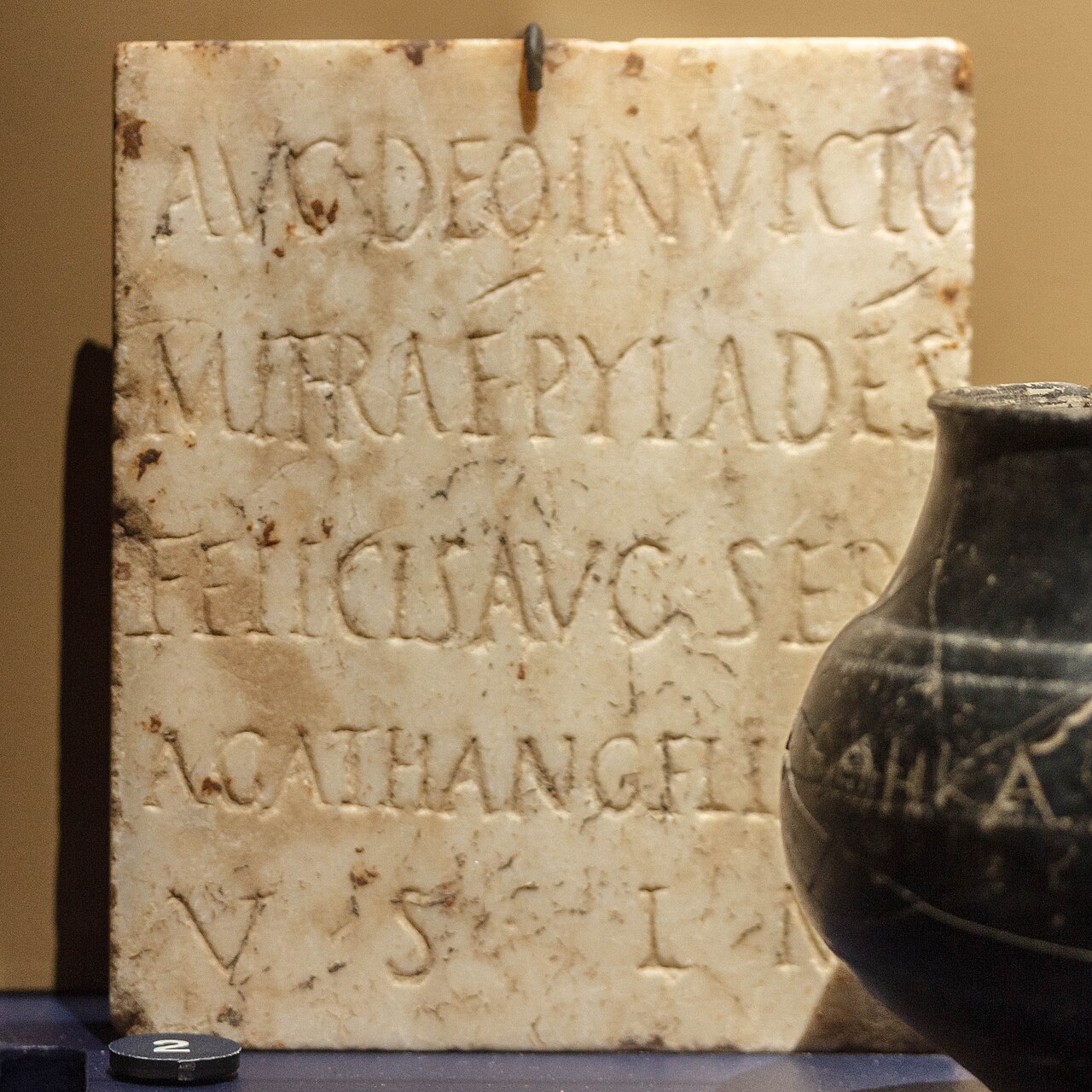
This marble plaque from Iuliomagus, Roman Angers, bears a rare dedication to Mithras by Pylades, a slave of an imperial slave connected to the Roman administration in Gaul.
Mesopotamia preserves frontier evidence from the eastern limits of Roman Mithraic expansion.
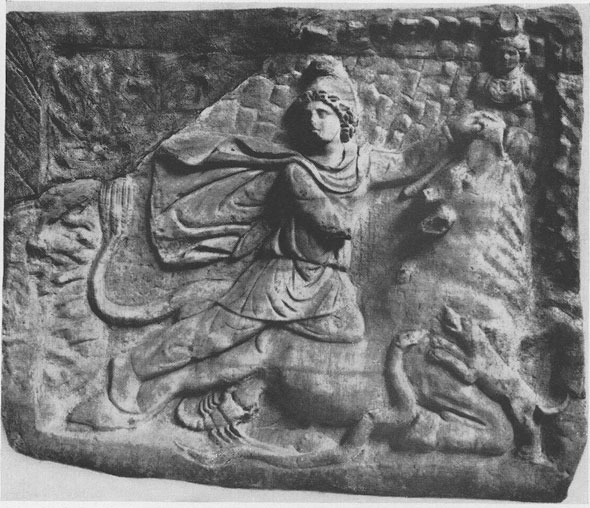
This marble tauroctony relief, probably originating from Naples, depicts Mithras slaying the bull within a cave-like setting, accompanied by the usual animals and celestial busts.
Roman Asia preserves a rich and diverse body of Mithraic evidence connected to the major cities of western Anatolia.
The Alpine regions preserve scattered Mithraic evidence associated with military circulation and strategic routes across the western empire.
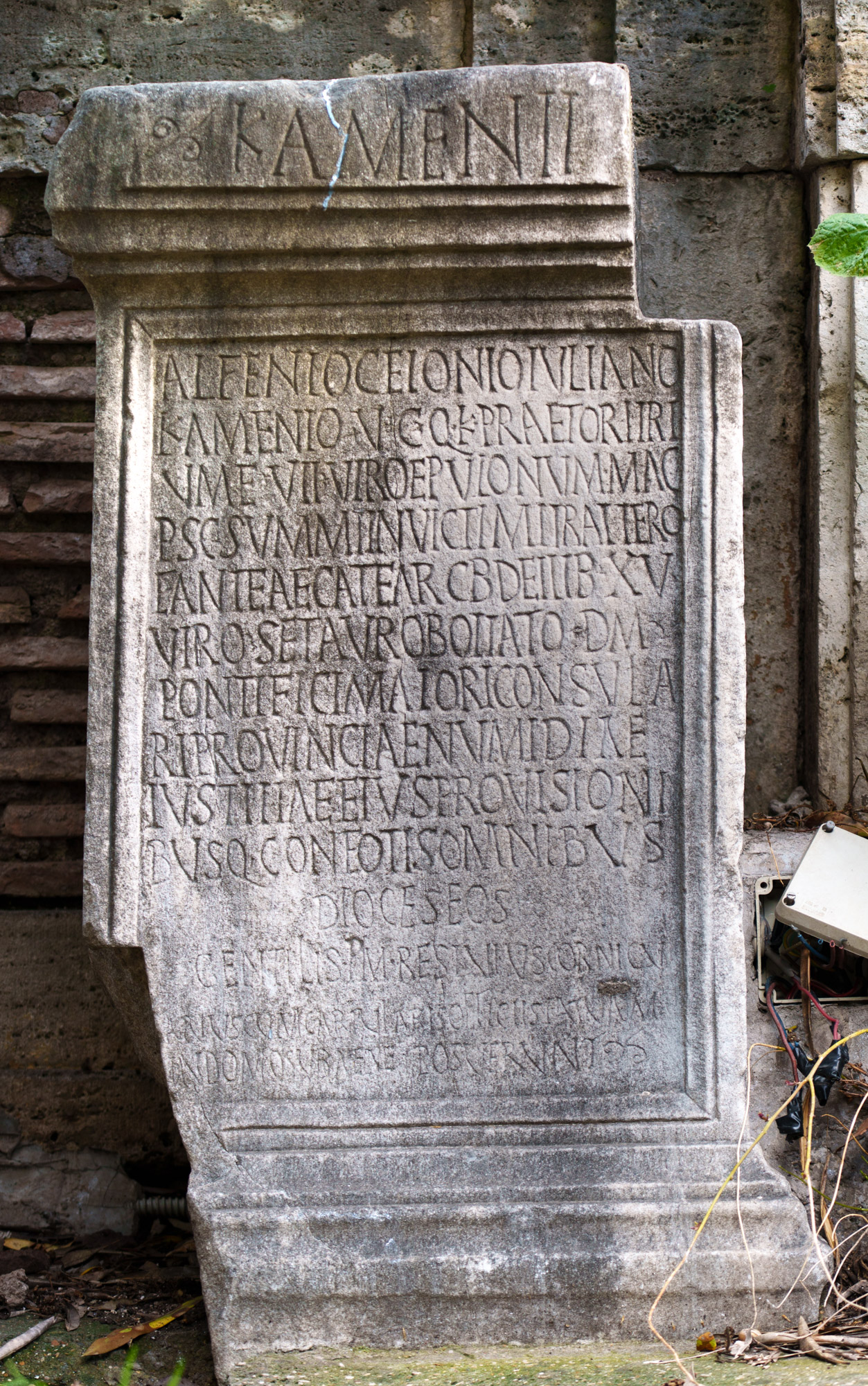
Honorific marble statue base dedicated to the senator and Mithraic pater Alfenius Ceionius Iulianus Kamenius by members of his provincial administration.
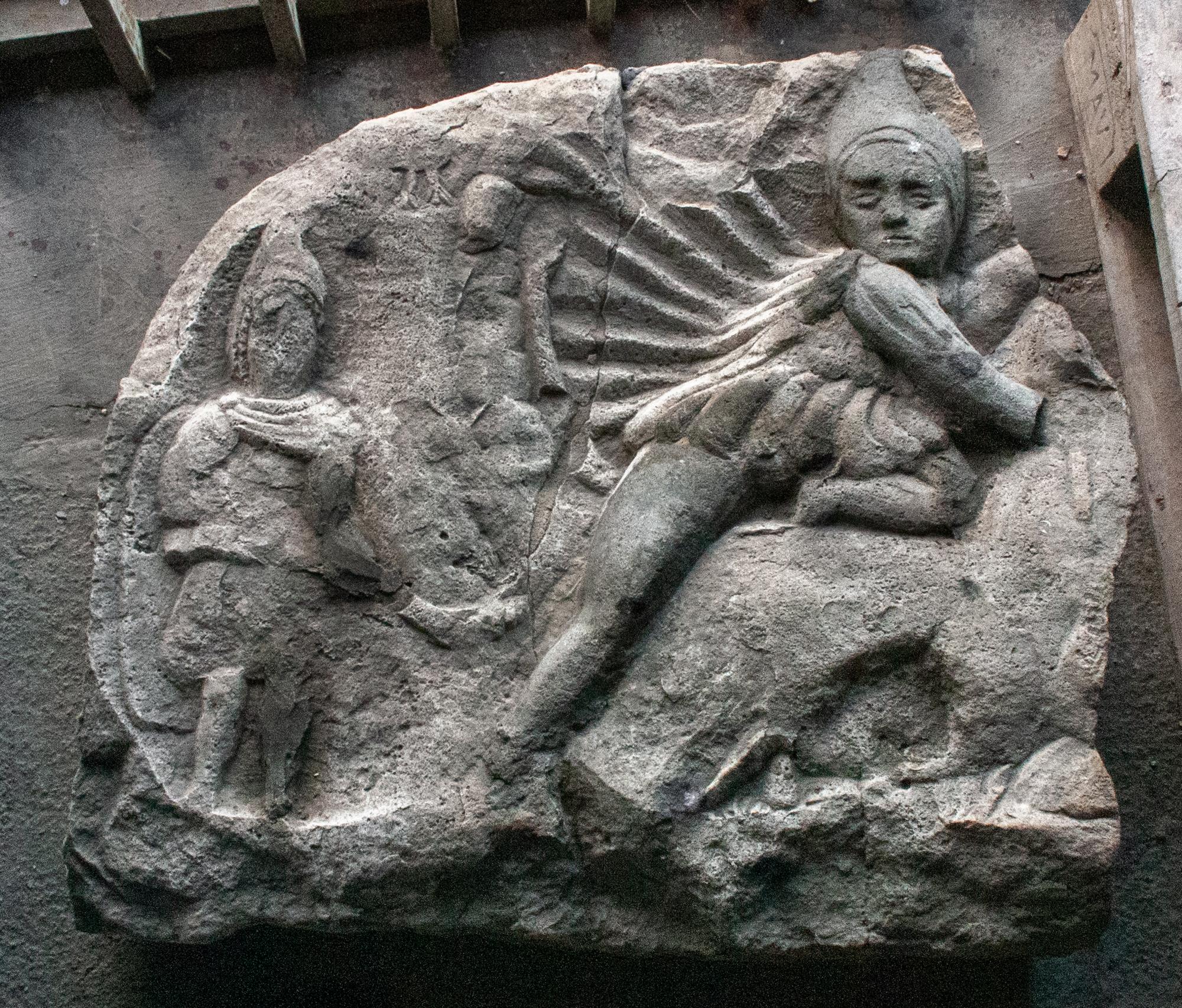
This limestone tauroctony from Aquincum preserves Mithras slaying the bull together with Cautopates, the serpent, the scorpion, and the legs of the raven.
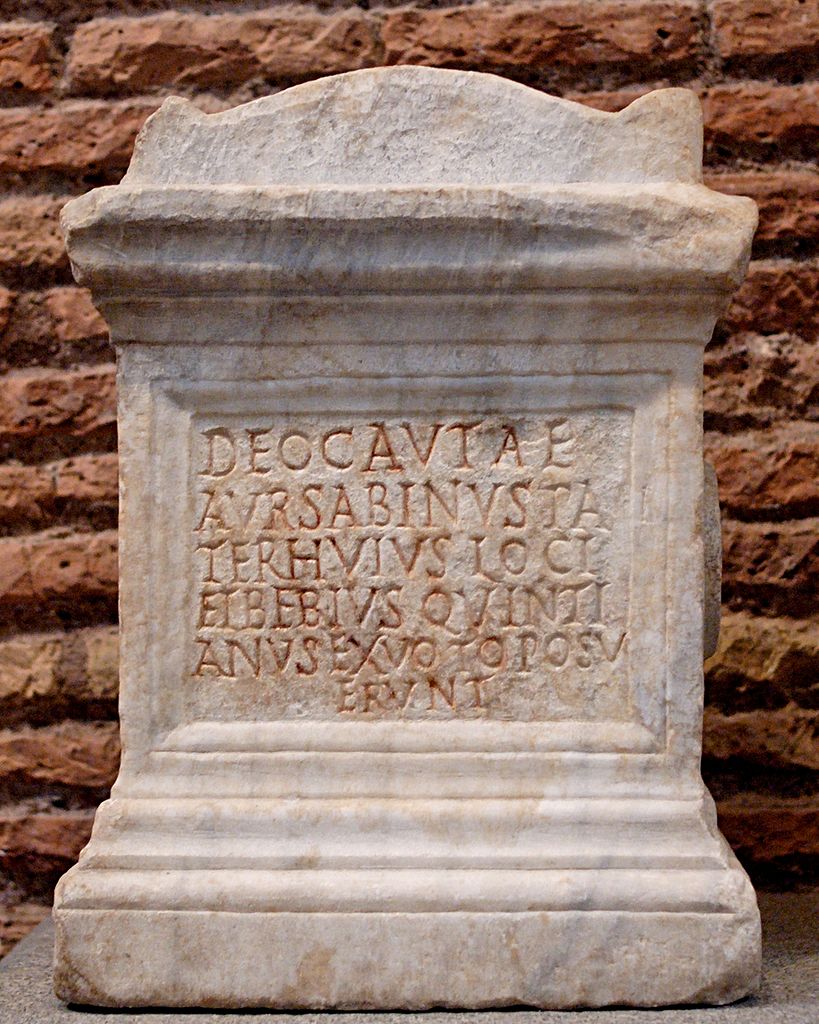
These two parallel altars to the diophores were dedicated by the Pater and a Leo from the Mithraeum of S. Stefano Rotondo.

This marble altar was found ’in the street called di Branco’, behind the palace of the Cardinal of Bologna, in Rome.
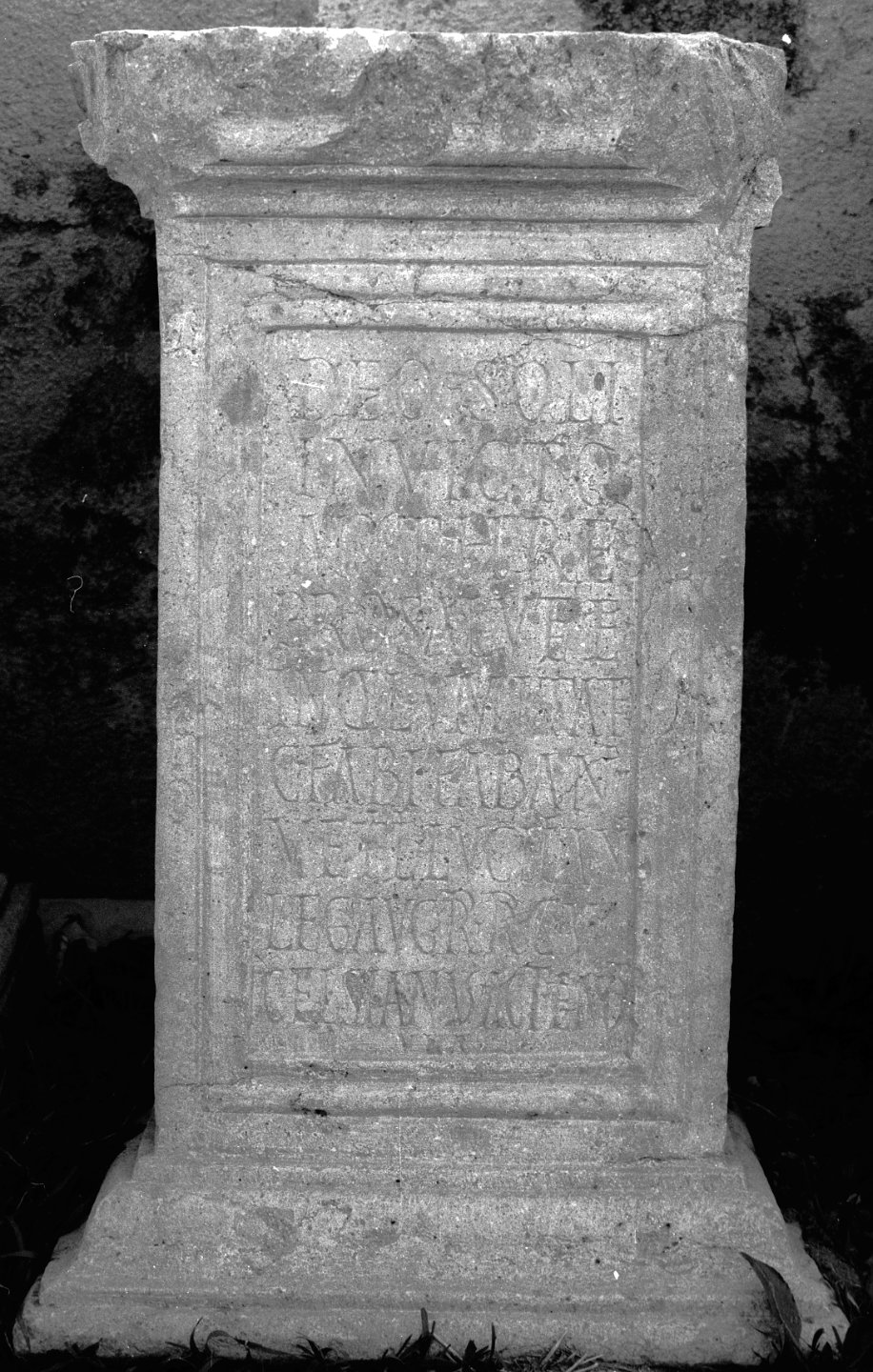
This altar found in Lambèse, now Tazoult, Algeria, bears the inscription of a certain Celsianus for the health of two men to the god Sol Unconquered Mithras.
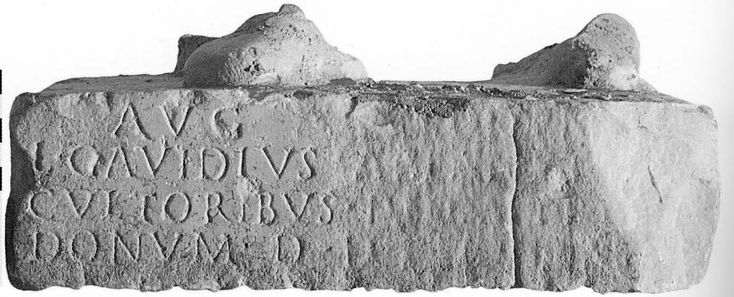
This inscription on white marble by Lucius Gavidius uses the term ther cultores to refer to his Mithraic community in Stabiae, Italy.
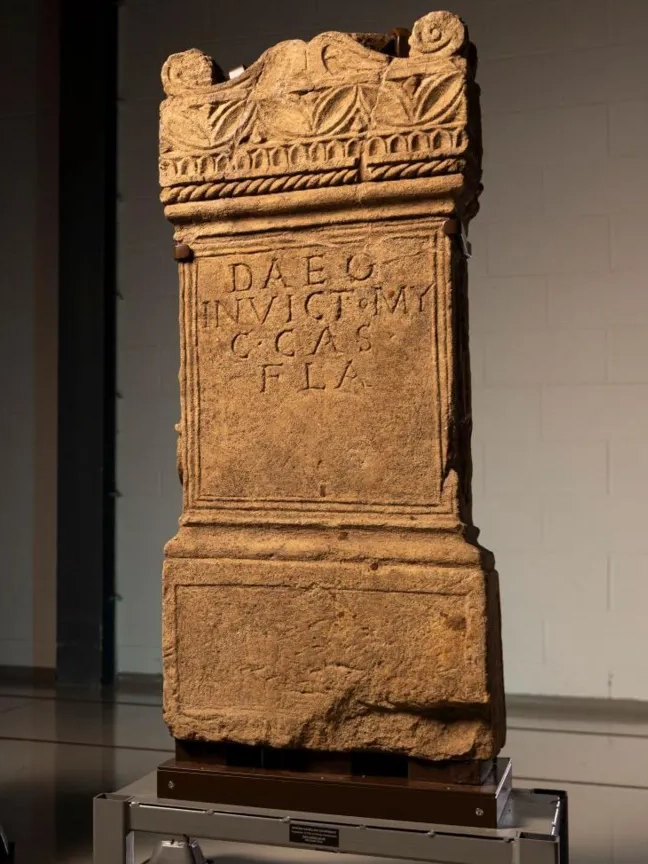
This second altar discovered to date near Inveresk includes several elements unusual in Mithraic worship.
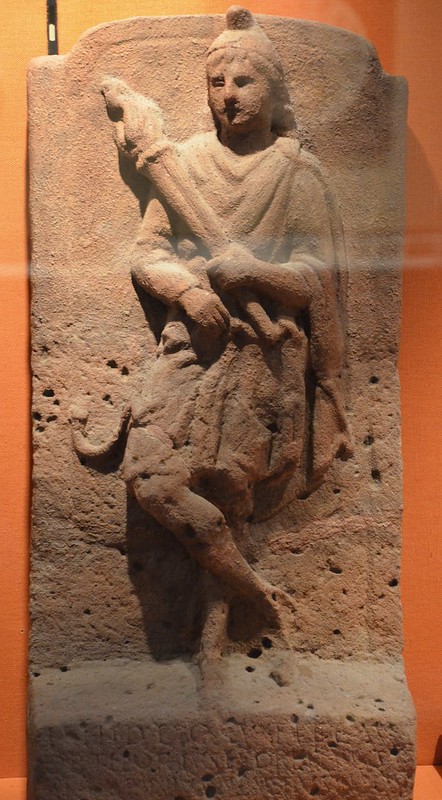
Reliefs of Cautes and Cautopates dedicated by Florius Florentius of Saalburg and Ancarinius Severus.
.jpeg)
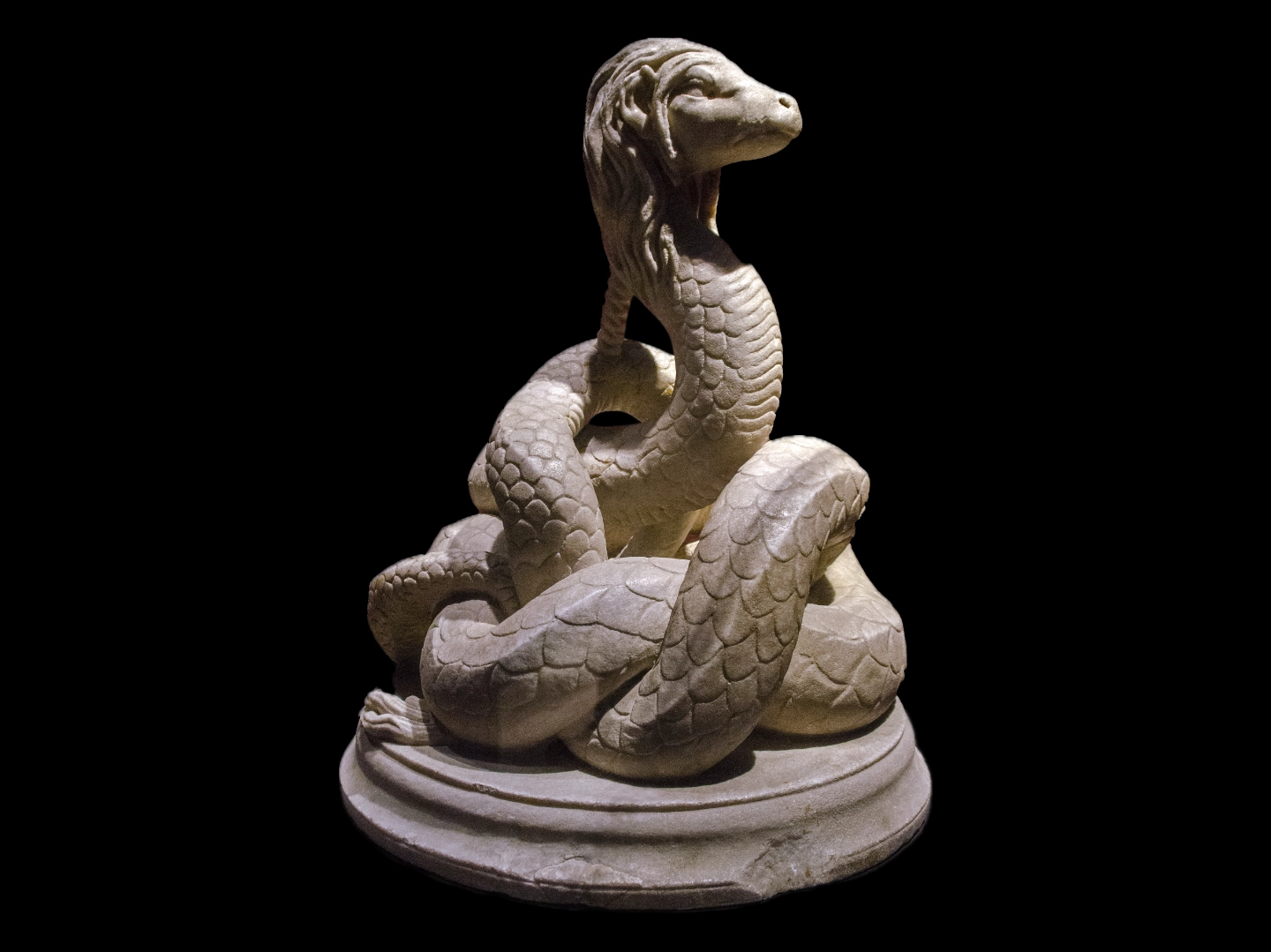
Except for the serpent, the sculpture of the taurcotony found on the Esquiline Hill lacks the usual animals that accompany Mithras in sacrifice.

Soy Dra. en Filosofía y Letras por la Universidad de Alicante.He escrito un libro sobre Mitra denominado
At Rome’s twilight, amid political upheaval and Christian ascendancy, Vettius Agorius Praetextatus embodied pagan intellect, virtue, and authority across senatorial, military, and mystical spheres.
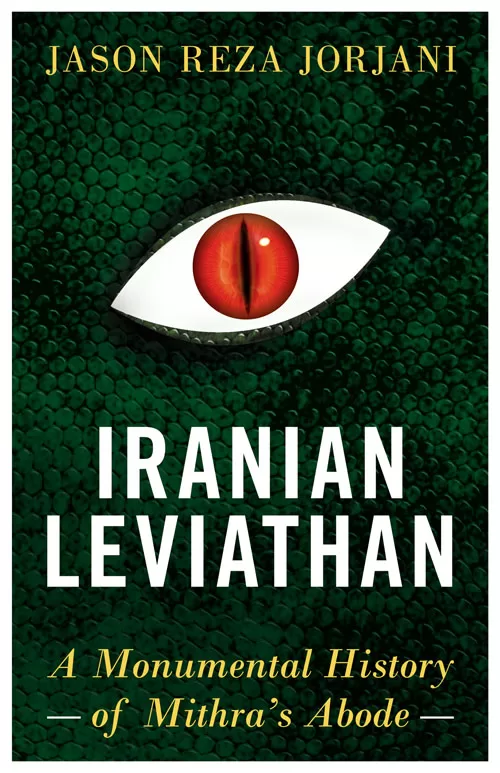
A philosophical study of Iranian civilization that explores its spiritual foundations, including the legacy of Mithraic and Zoroastrian traditions, in order to reflect on Iran’s historical continuity and civilizational meaning.

This Mithraic temple, also known as the Mithraeum of the Olympii, dates to the 3rd century and was rediscovered in 15th-century Rome, but it has not been preserved.
