Your search Tal hal Hariri / Es-Sâlihiyeh / As Salhiyah gave 3730 results.

Inscription from Hamadan where the ’great king’ Artaxerxes mentions Ahuramazda, Anahita, and Mithra as guardians.
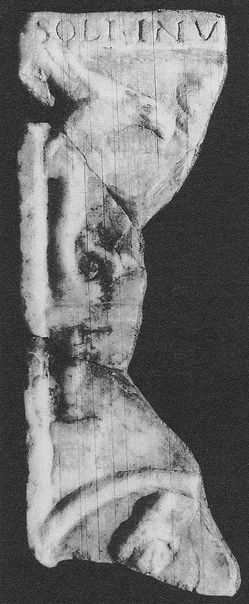
This marble fragment from Apulum preserves the head of Mithras beneath an arch together with a raven and the remains of Sol’s radiate crown.
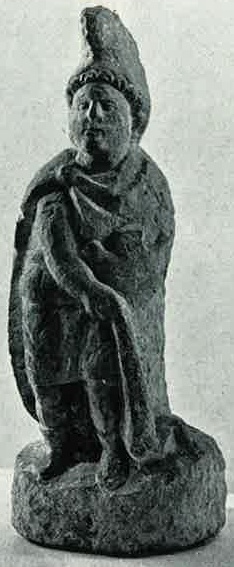
This statuette of Cautopates from Intercisa shows the torchbearer holding a burning torch and a pelta at his side.
This marble head of Mithras was found in the Luxemburgerstrasze in Cologne, Germany.
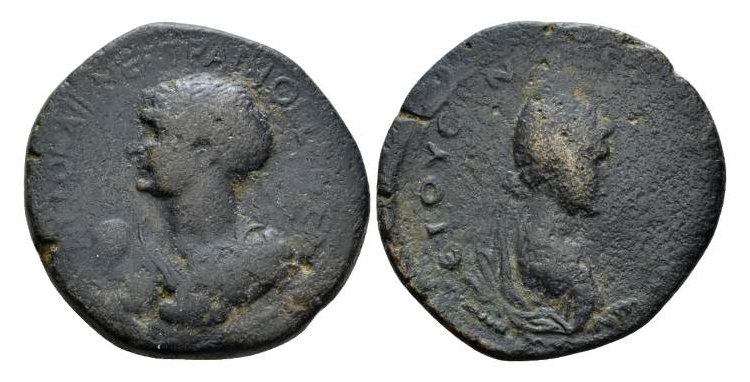
These bronze medallions associates the image of several Roman emperors with that of Mithras, usually as a rider, in the province Pontus.

This relief of Mithras slaying the bull, framed by acanthus leaves, was sold at auction in 2011 by Bonhams.
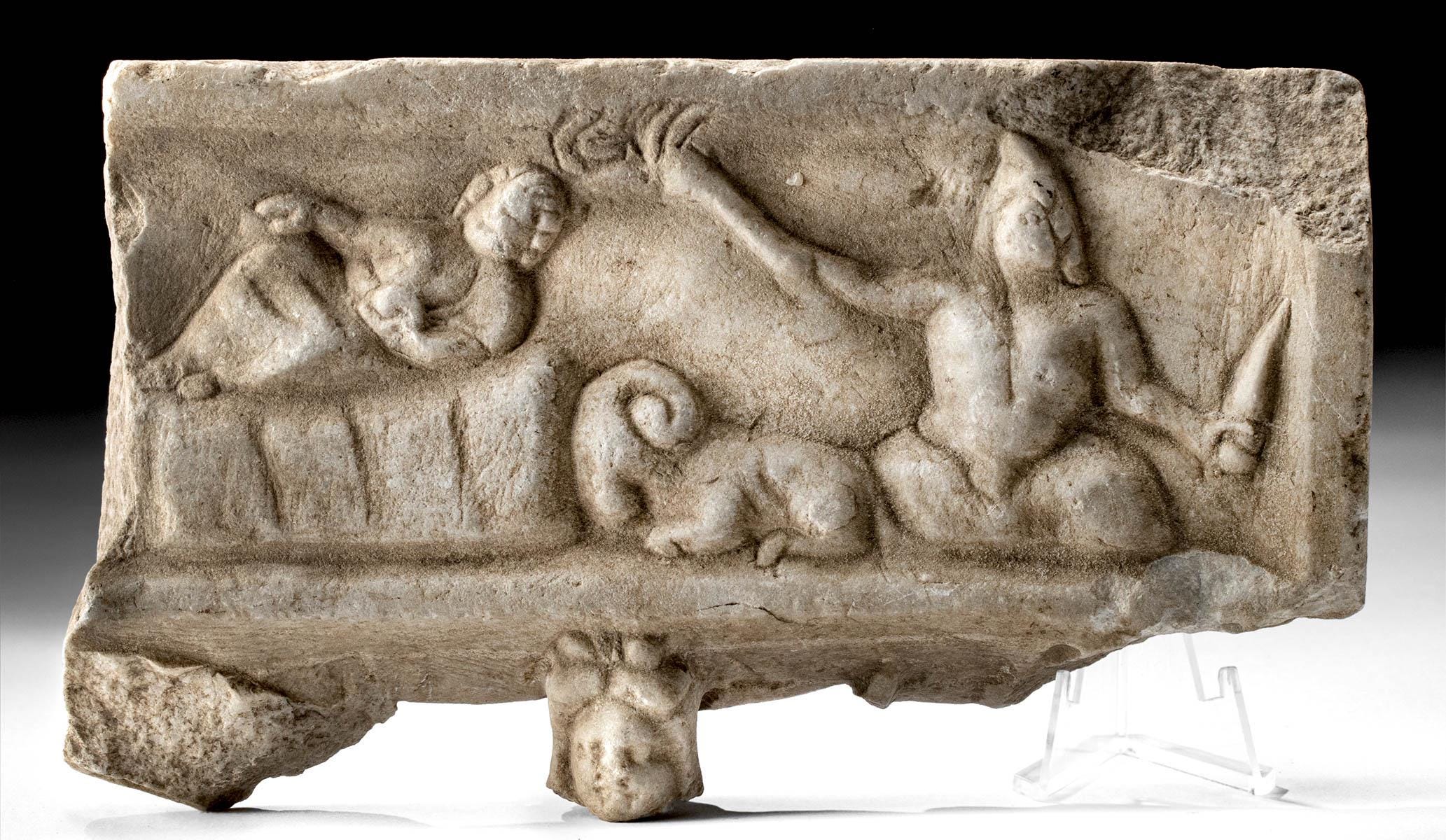
Mithras emerging from the rock with torch and dagger beside a reclining Oceanus or Saturn.
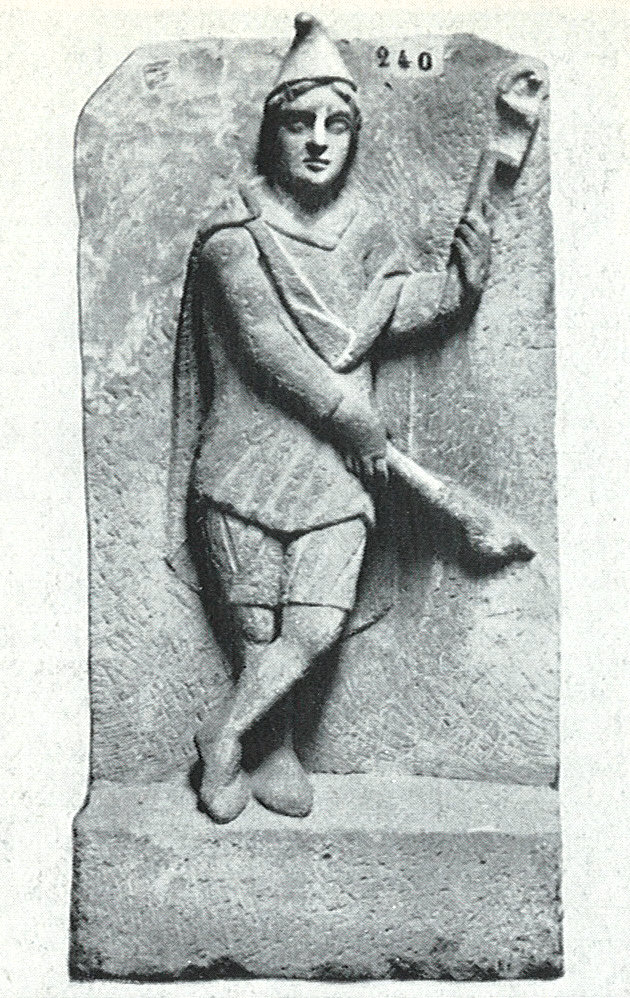
This Cautopates from Nida carries the usual downward torch in his right hand and a hooked stick in his left.
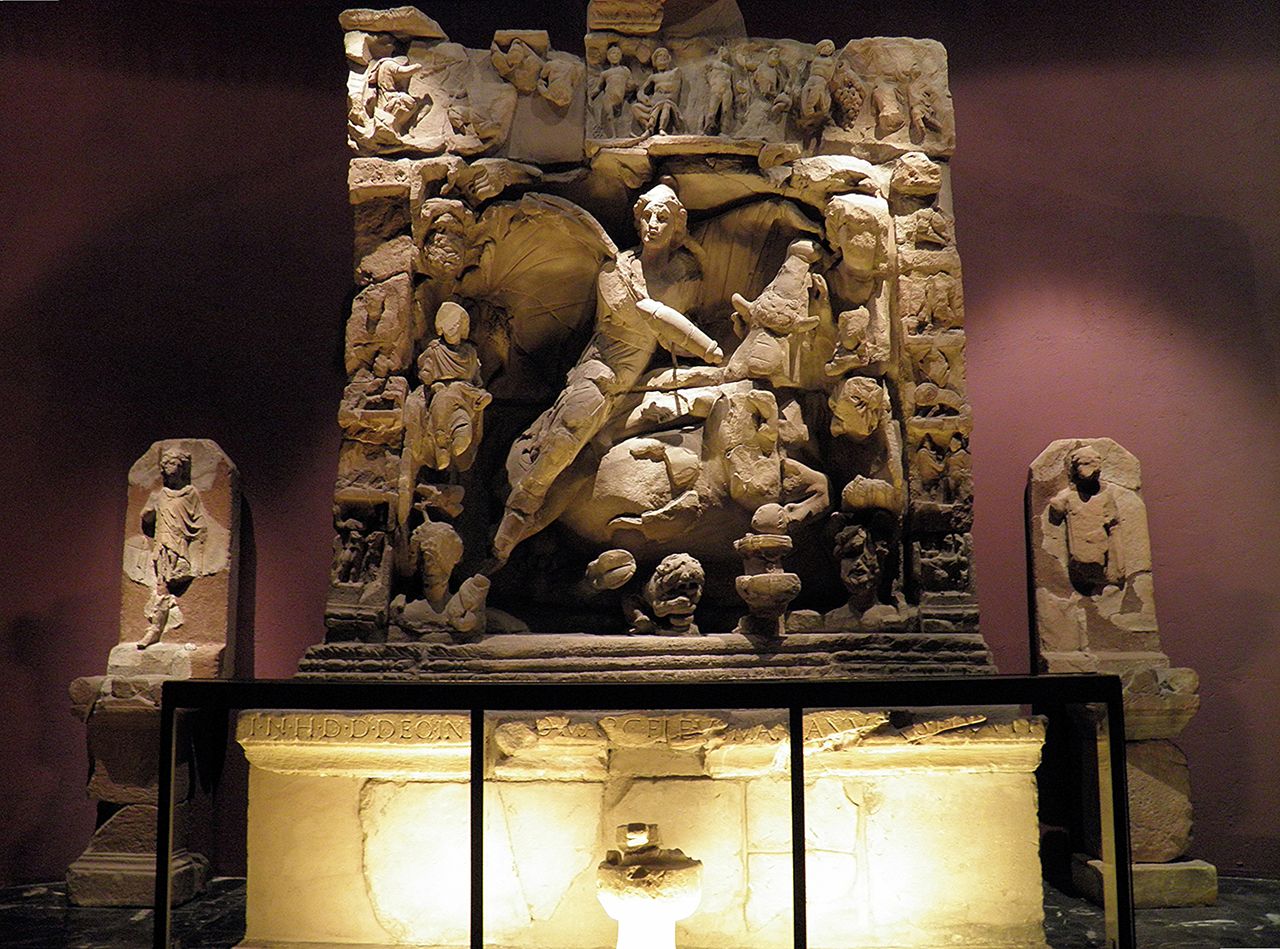
The base of these sandstone reliefs bears an inscription referring to a certain Marcellius Marianus.
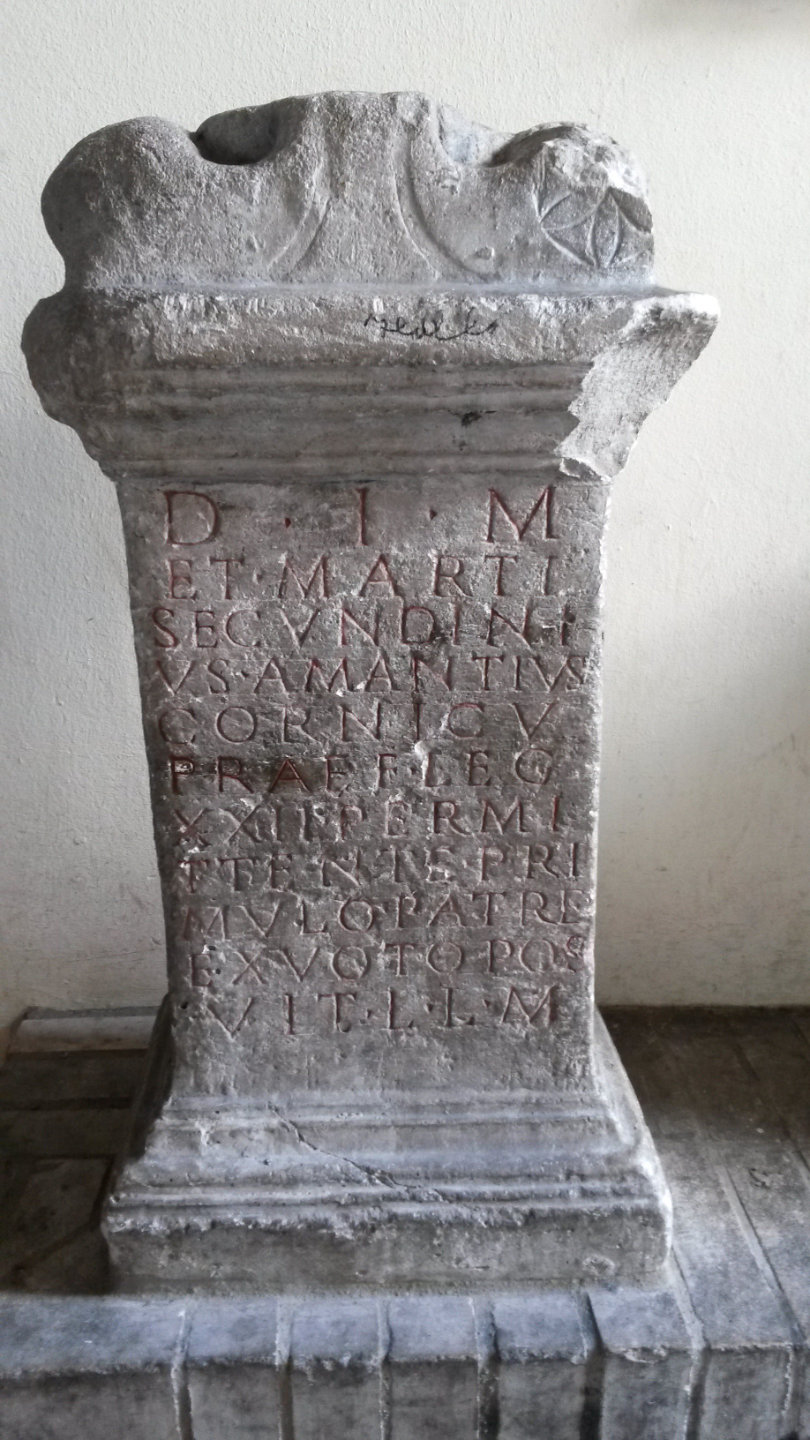
This altar has been unusually dedicated to both gods Mithras and Mars at Mogontiacum, present-day Mainz.
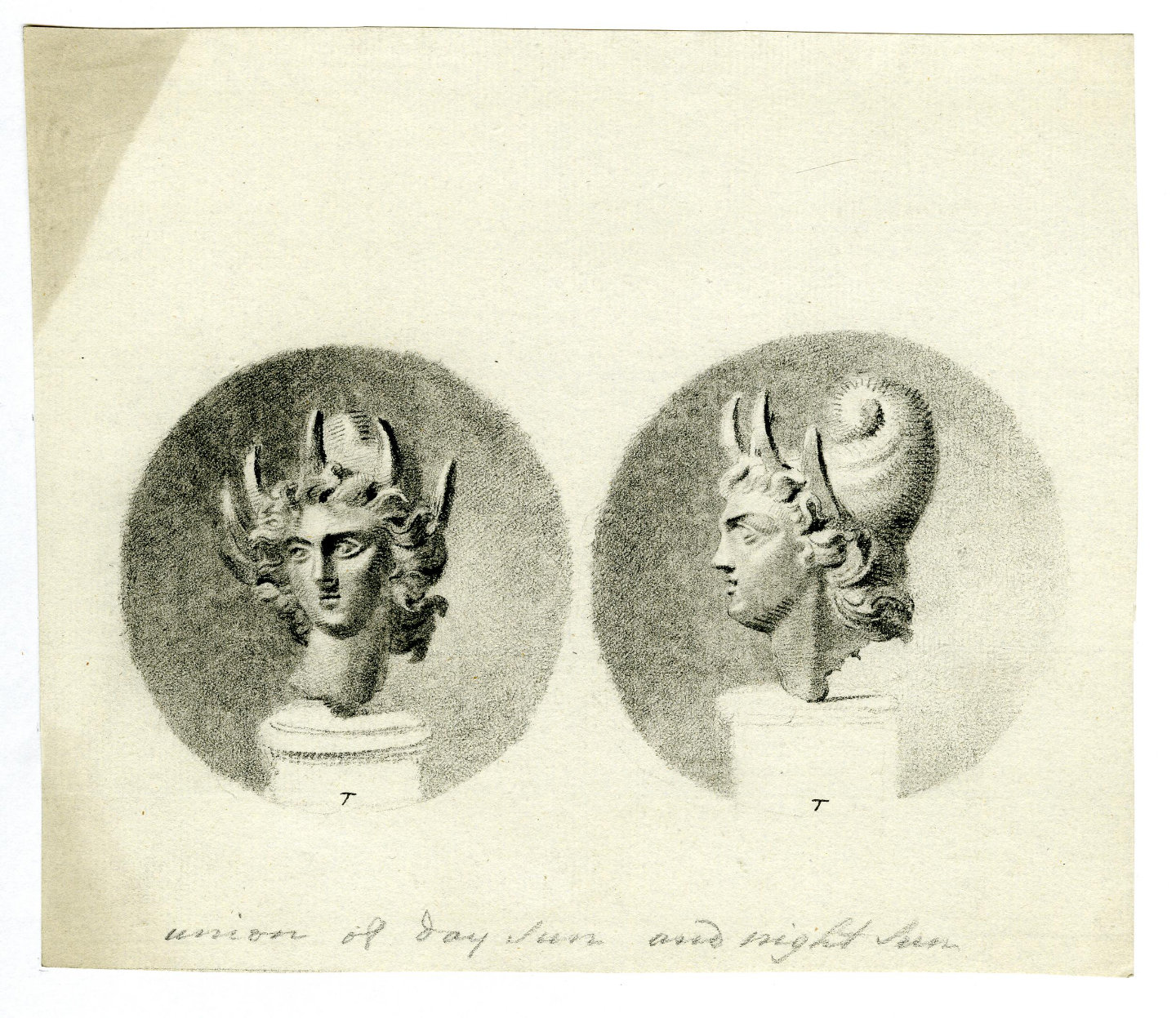
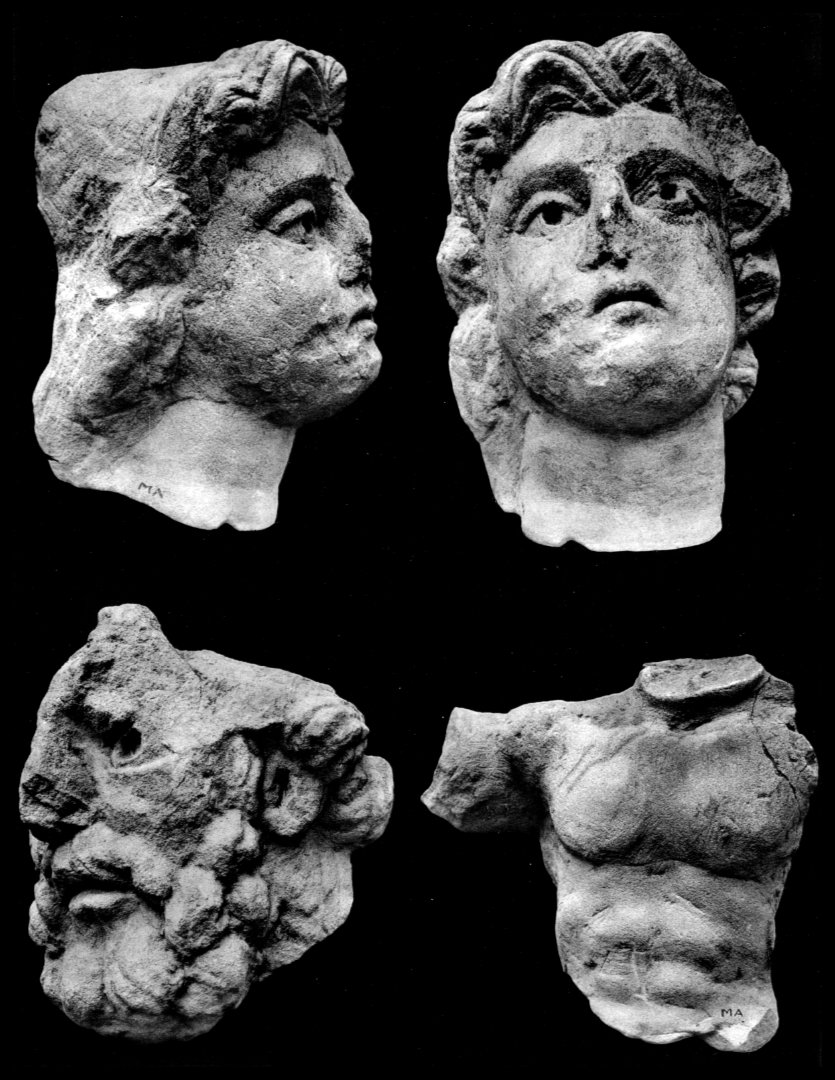
This fragment of the head of a young Mithras is one of the finds made during the excavations carried out by Jean-Jacques Hatt at Mackwiller, France, in 1955.
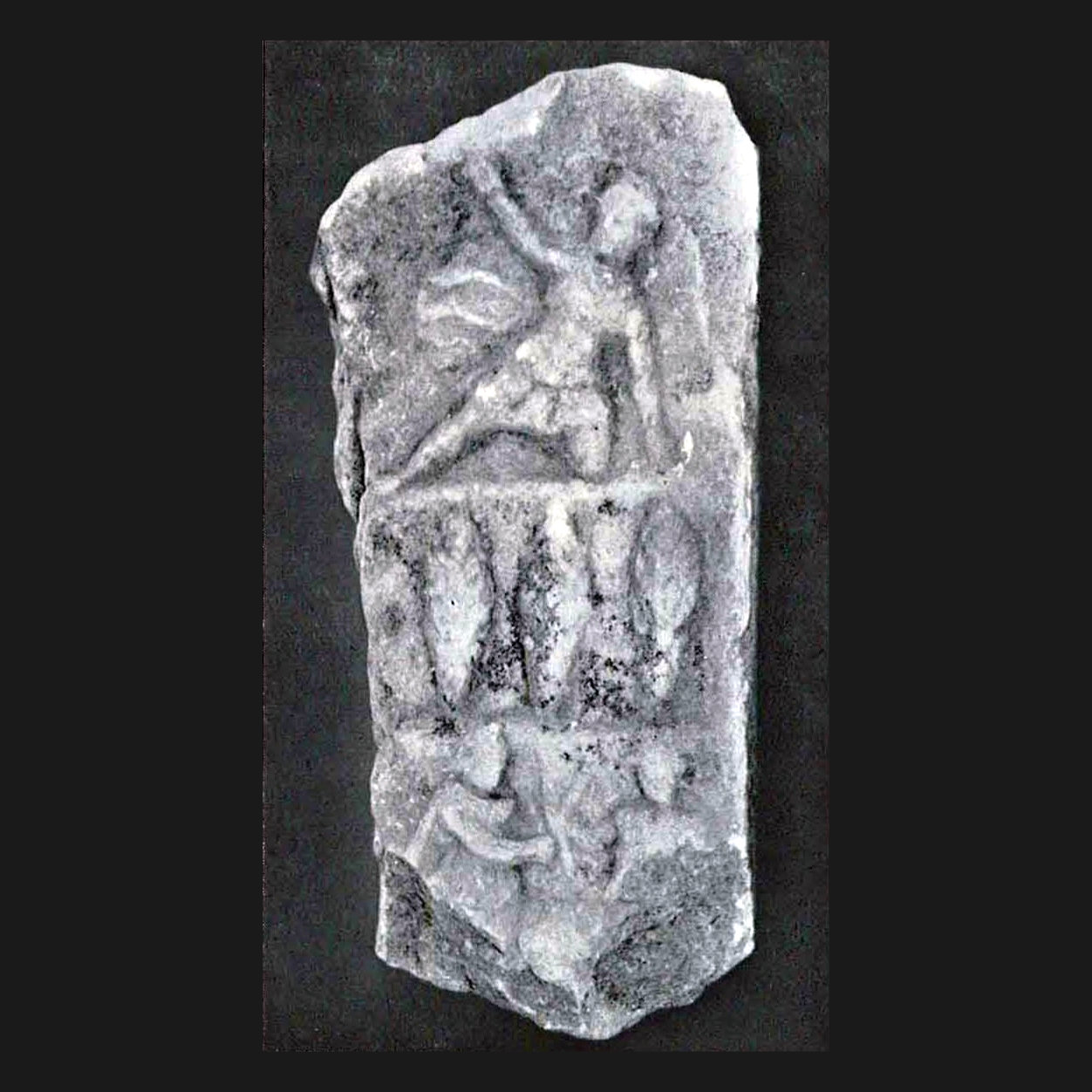
These fragments of a cult relief of Mithras were found at the Mithraeum II of Ptuj, Slovenia.
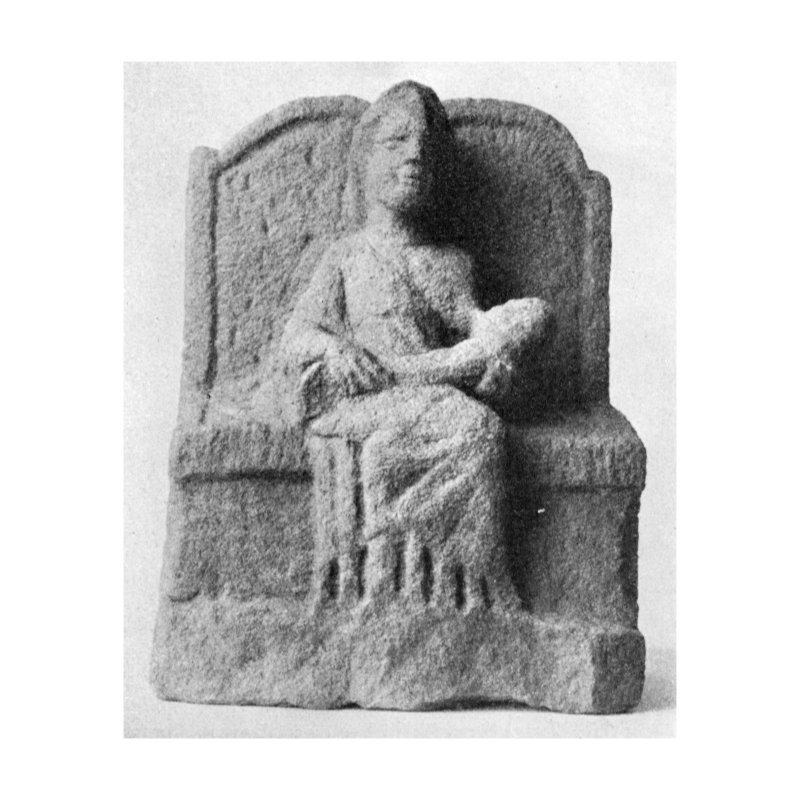
This unusual statue in Mithraic iconography of a mother nursing a child was found in the vestibule of the Mithraeum of Dieburg.
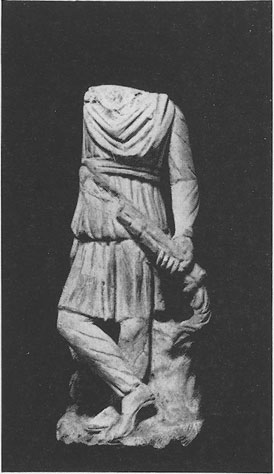
White marble statue of Cautopates with crossed legs, accompanied by an owl beside a tree trunk.

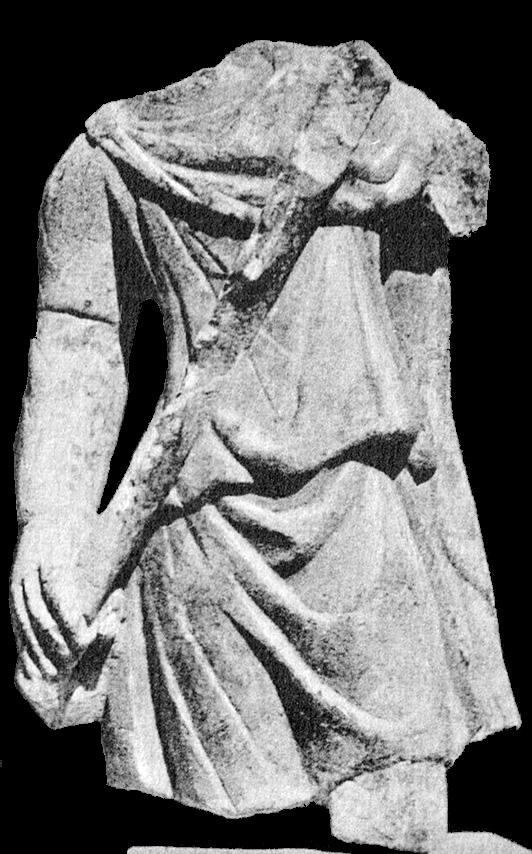
Marble statue of Cautes, found at Ostia. The head, one arm and the legs are missing. The figure wears a short tunic and raises the torch in the canonical upward gesture.
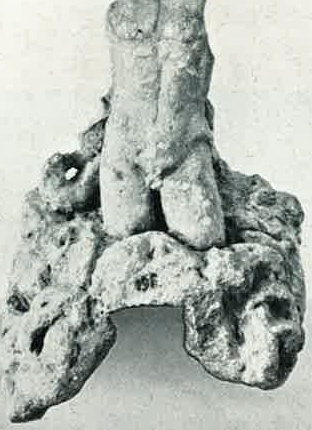
Sandstone petrogenesis from Petronell-Carnuntum (Lower Austria), depicting Mithras emerging from the rock, preserved from the knees upwards.
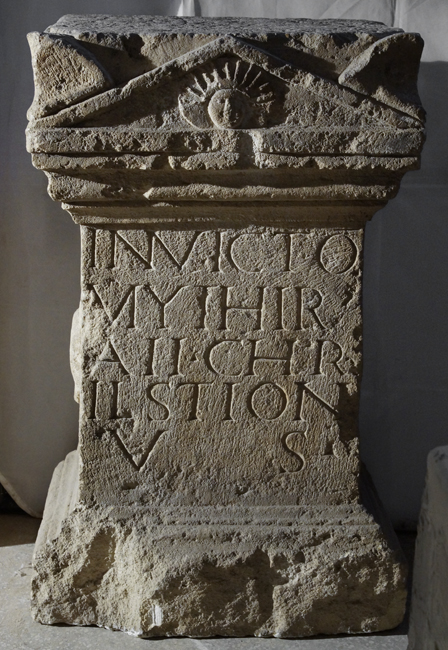
In 1852, Károly Pap, a naval captain, unearthed several Mithraic monuments in his garden at Marospartos, including this altar.

This second relief depicting a phallus from Tiddis, Algeria, has been positioned alongside its counterpart atop pillars that greet visitors to the Mithras shrine.
