Your search Tal hal Hariri / Es-Sâlihiyeh / As Salhiyah gave 3725 results.

This graffito seems to be an account of offerings made by Mithras worshippers in the Cassegiato di Diana.
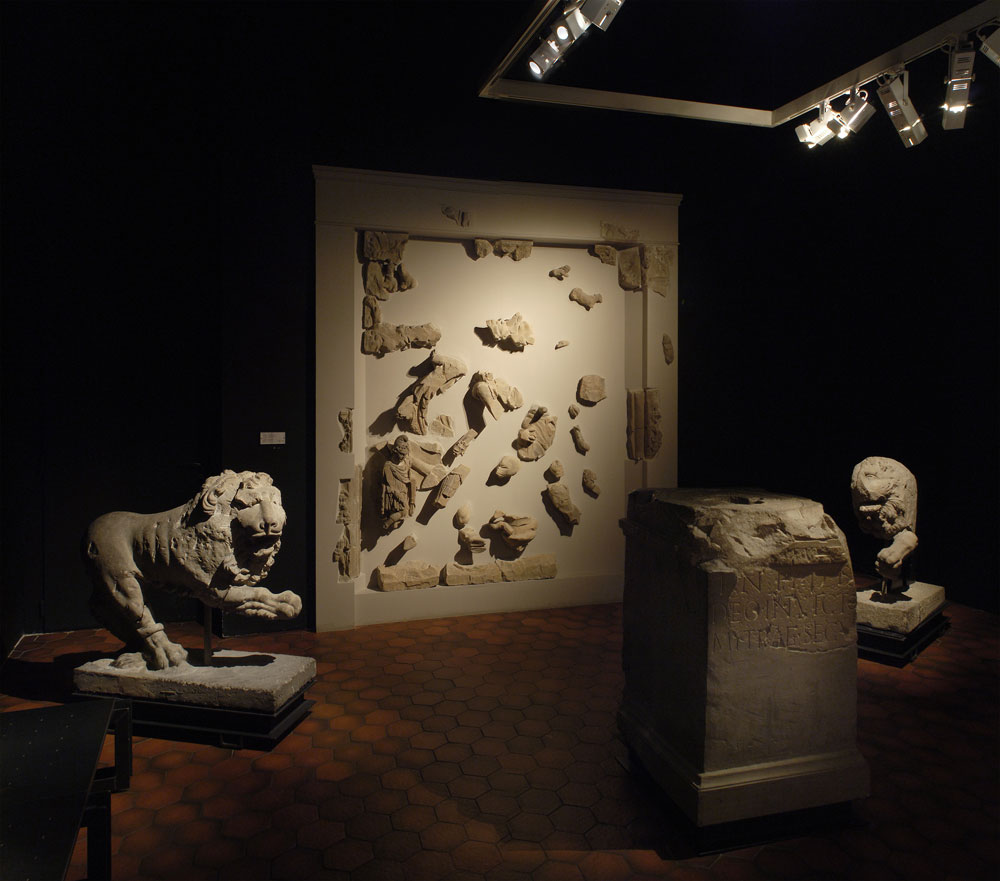
These fragments of a monumental relief of Mithras killing the bull from Koenigshoffen were reassembled and are now on display at the Musée Archéologique de Strasbourg.
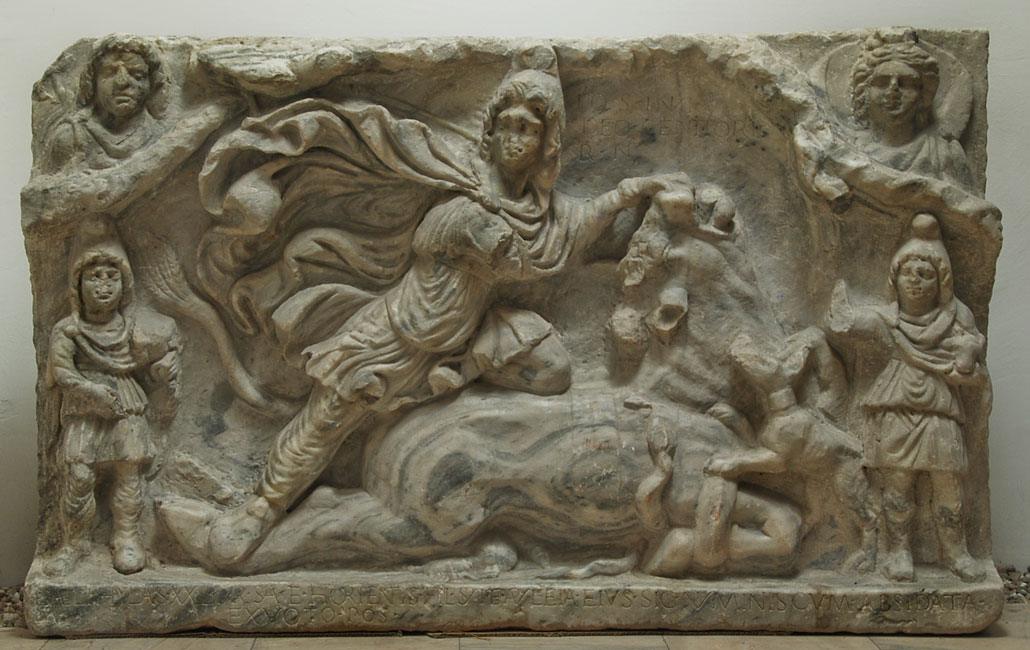
This monument bears an inscription by a certain Lucius Aelius Hylas, in which he associates Sol Invictus with Jupiter.
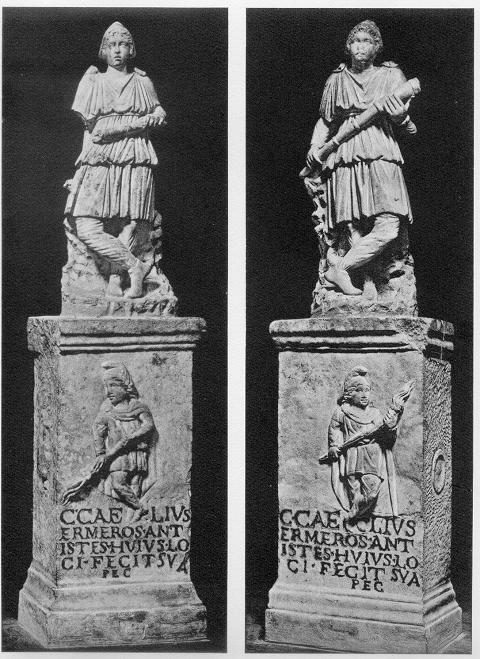
The sculptures of Cautes and Cautopates from the Mitreo del Palazzo Imperiale may have been reused from an older mithraeum in Ostia.
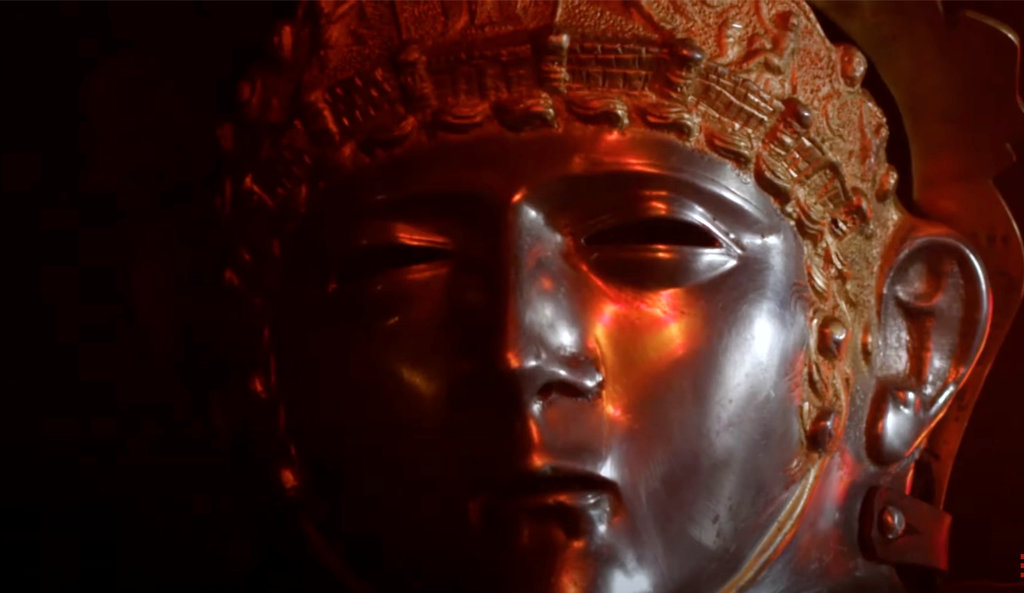
On Hadrian's Wall lies the ruin of a subterranean temple to a little-known god, at the centre of a secretive Roman cult.
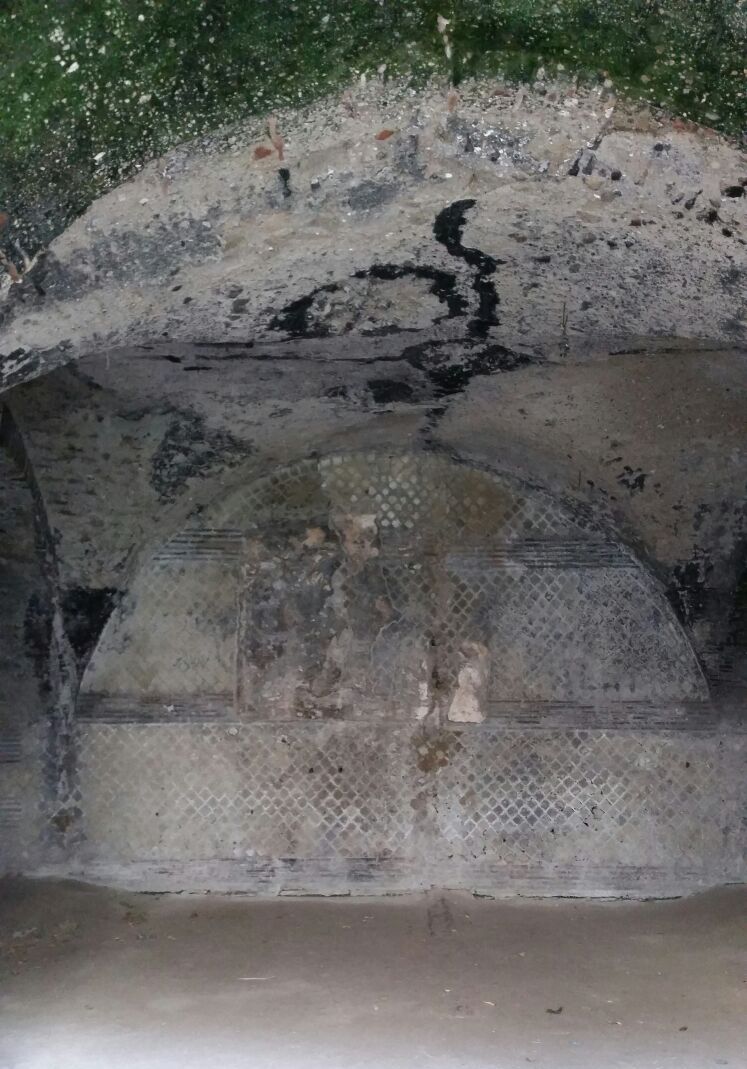
The Mithraeum of Carminiello ai Mannesi was installed in two rooms of a 1st century BC domus.
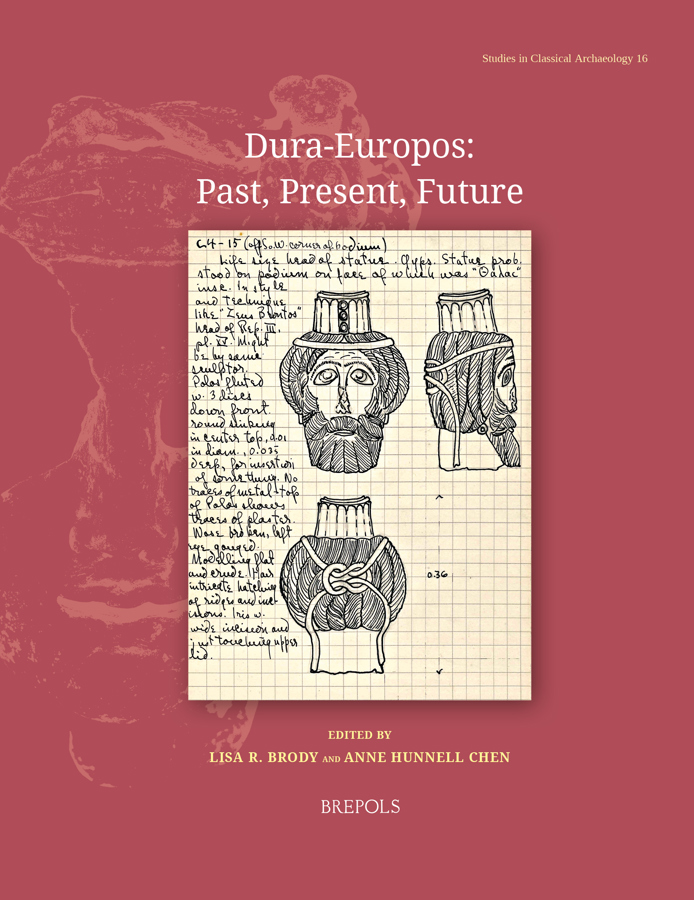
Proceedings from an international conference on the ancient city of Dura-Europos (Syria) held at Yale University in 2022, with papers that explore its cultural heritage through multidisciplinary research approaches.
The inscription on the decorated altar No. 839 from the Mithraeum at Vindobala (modern Rudchester), recording a gift to the Deity by L. Sentius Castus, a soldier of the Sixth Legion.

Székesfehérvár lies within the central territory historically associated with Roman Pannonia.
Rohr im Kremstal belongs to the Alpine hinterland associated with Roman Noricum.
The locality of Jassen belongs to the inland communications landscape of the Balkan provinces.
Halle lies within the broader northern frontier zone of the Roman imperial world.
The locality of Botoșești-Paia has yielded material connected with the Danubian provincial landscape.
Sankt Thomas belongs to the rural Alpine territory associated with Roman Noricum.
Palestrina is a modern Italian city and comune with a population of about 22,000, in Lazio, about 35 kilometres east of Rome.
A small altar from Longovicium (modern Lancaster), bearing a brief inscription dedicated to Deus Mithras, Cautopates and Sol Invictus.


