Your search Terme di Caracalla gave 2863 results.

Altar inscription dedicated to Sol Augustus by the decurion Valerius Carpus, from Timgad (ancient Thamugadi).
Lower portion of a sandstone relief from the Mithraeum at Gimmeldingen, preserving a cross-legged torchbearer in a long cloak, probably Cautes.
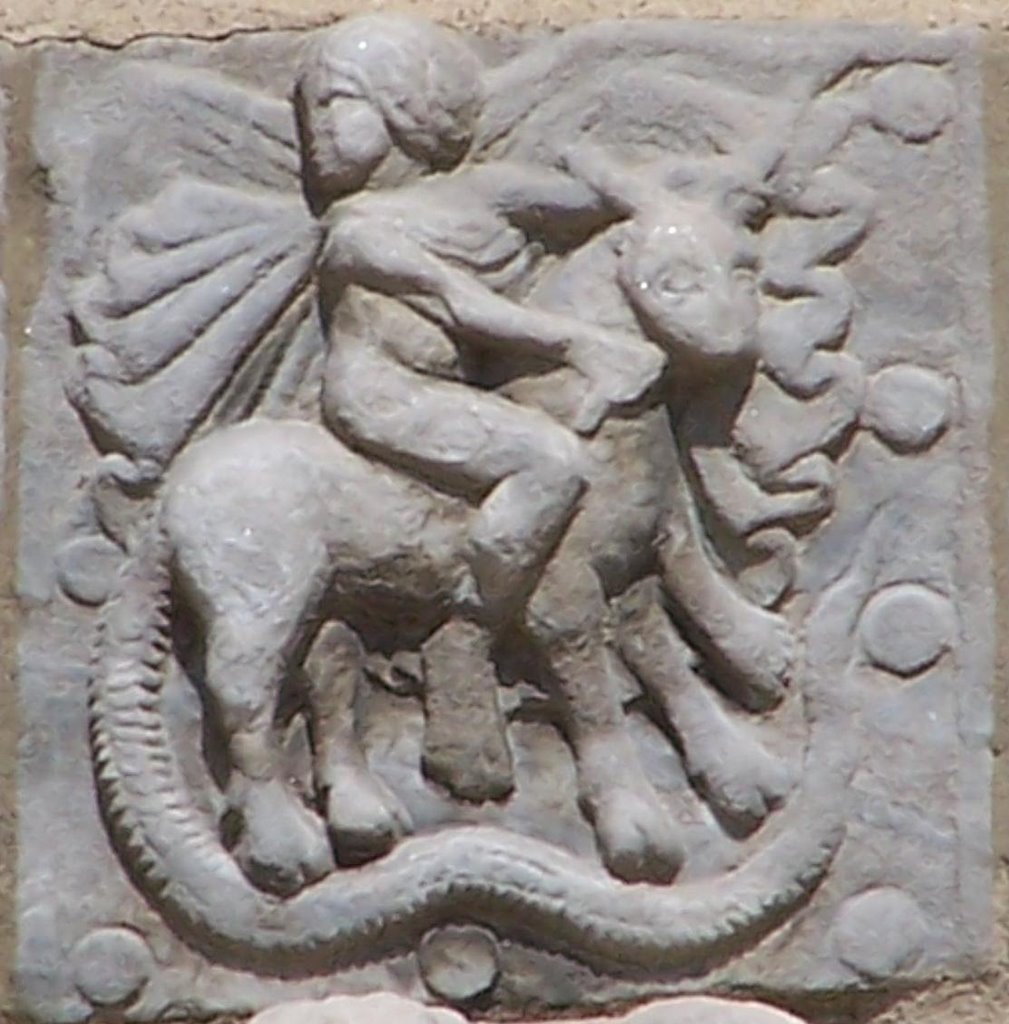
Mithras slaying the bull appears as the sign of Capricorn in a zodiacal sequence on the Pórtico del Cordero of the Abbey de Santo Domingo de Silos, Burgos, Spain.
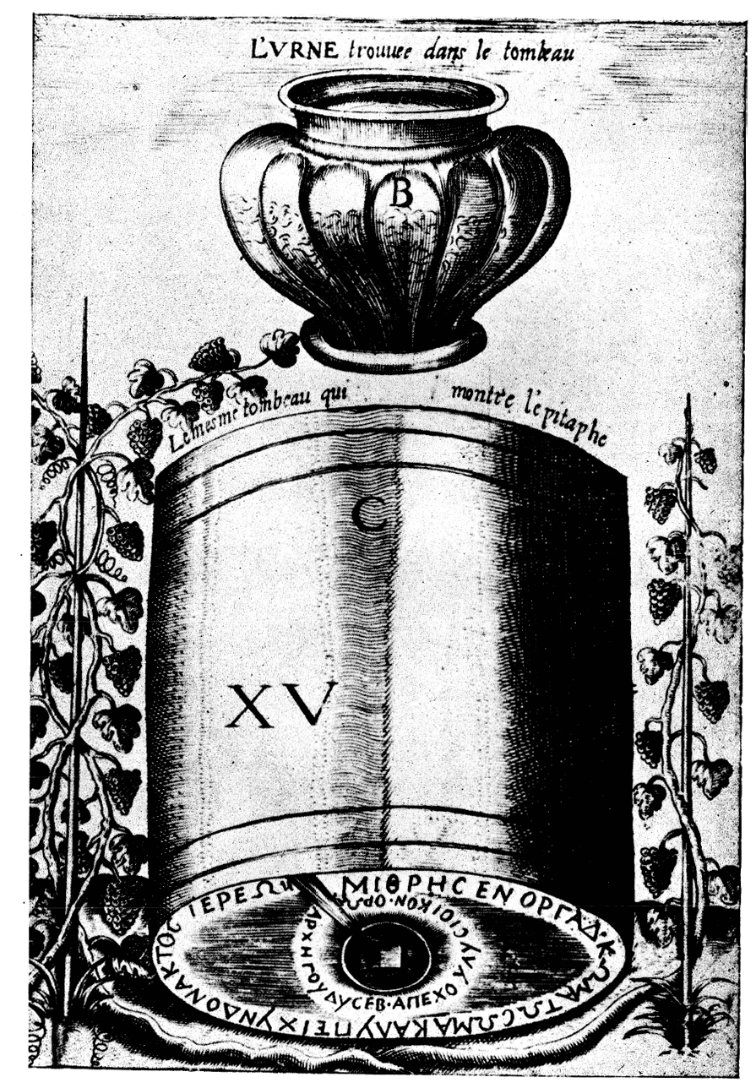
This funerary inscription, engraved on a stone urn discovered near Roman Dijon, mentions a certain Chyndonax, described as a priestly leader of Mithras.

White marble statue of Mithras killing the sacred bull preserved in the Museo Nacional Romano.
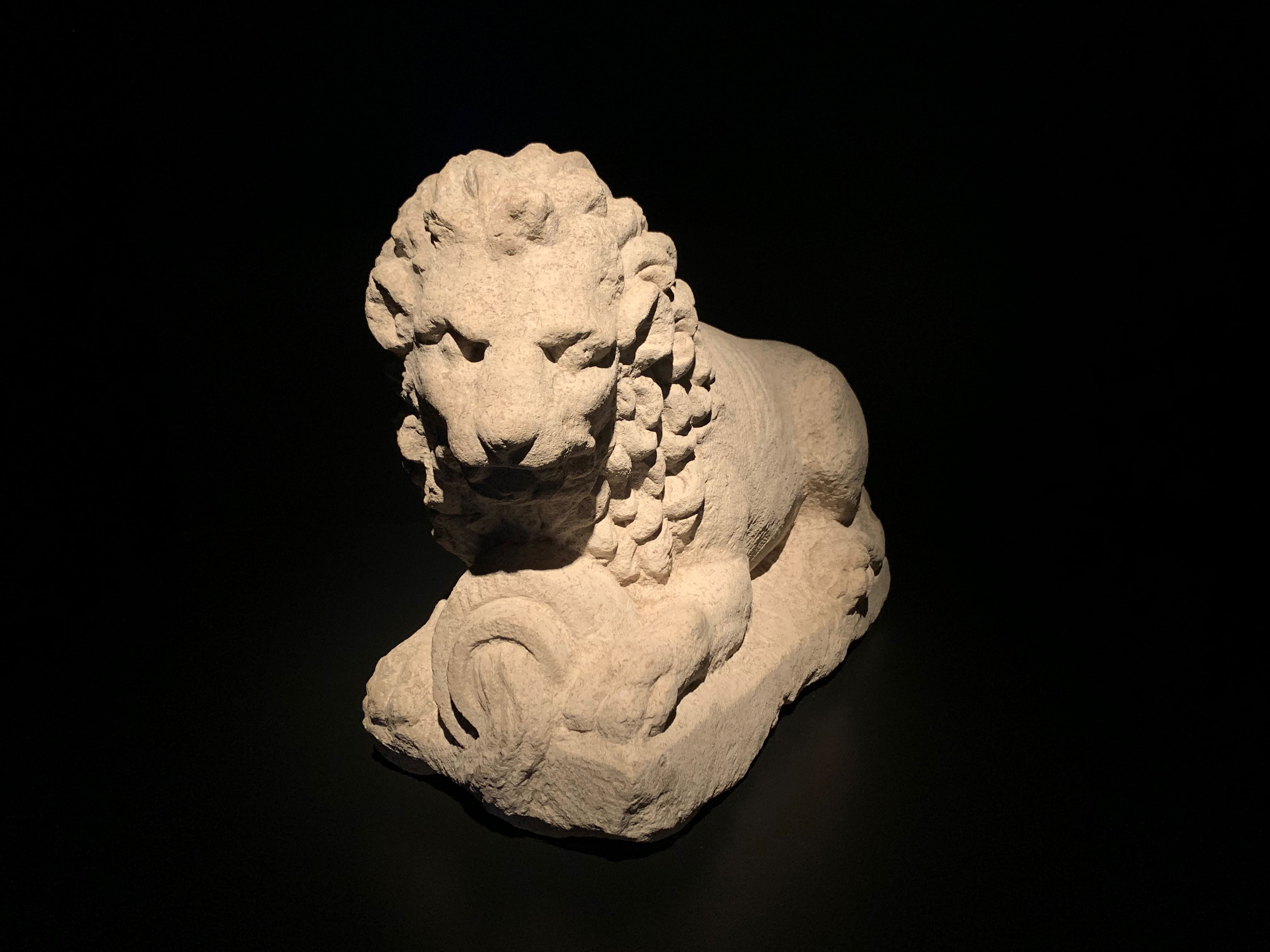
A limestone lion holding a flowing urn, discovered at the entrance of the Mithraeum of Les Bolards, reflects the ritual significance of water within the cult of Mithras.

Name: Dr. Hadi Valipour Date of Birth: August 26, 1983 Place of Birth: Iran Current Position: Assistant Professor of Eastern Religions, specializing in An
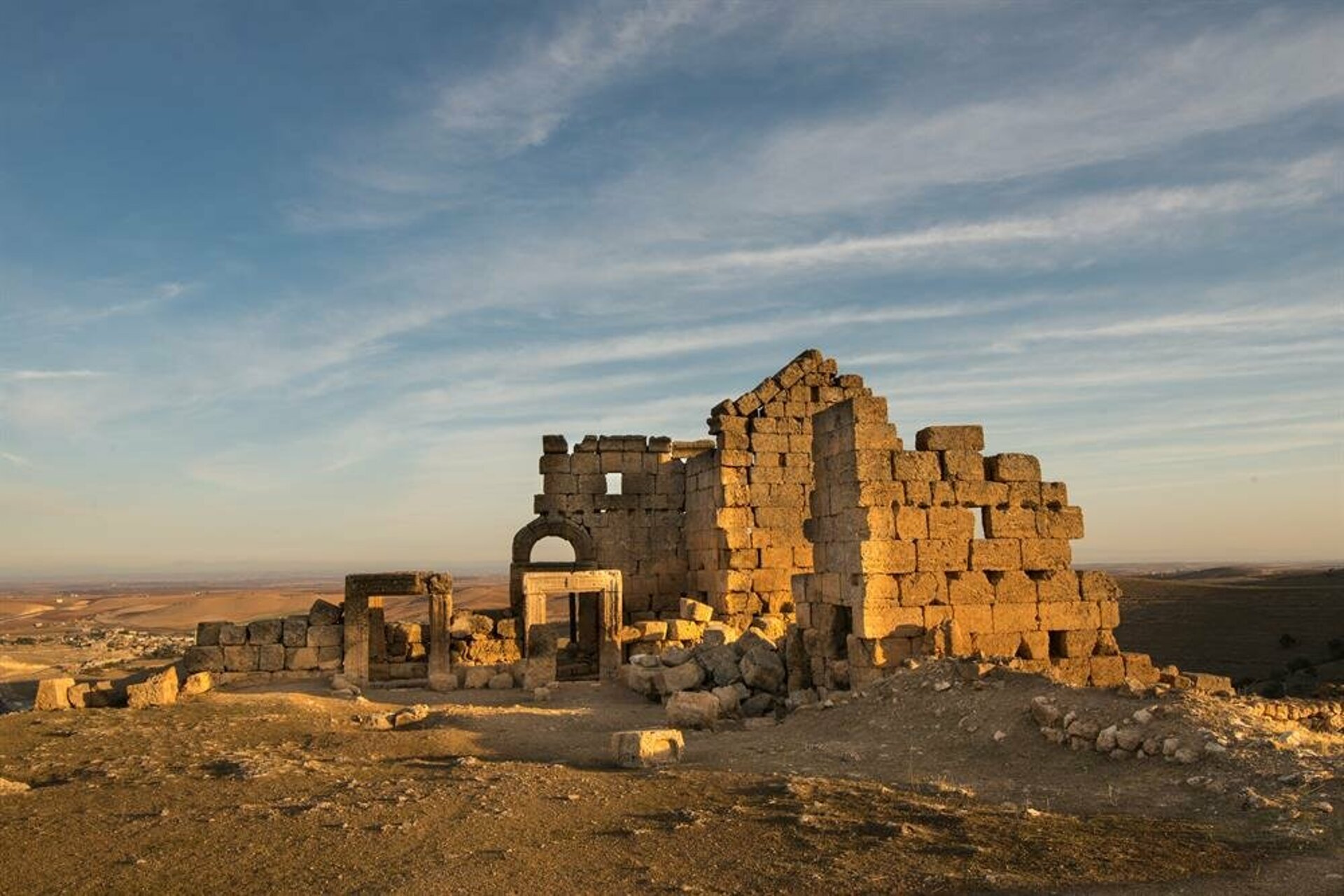
A Mithraeum was discovered in 2007, during the excavations at the Zerzevan Castle.

Member of a Mithraic community at Stockstadt who dedicated altars to Cautes and Cautopates.
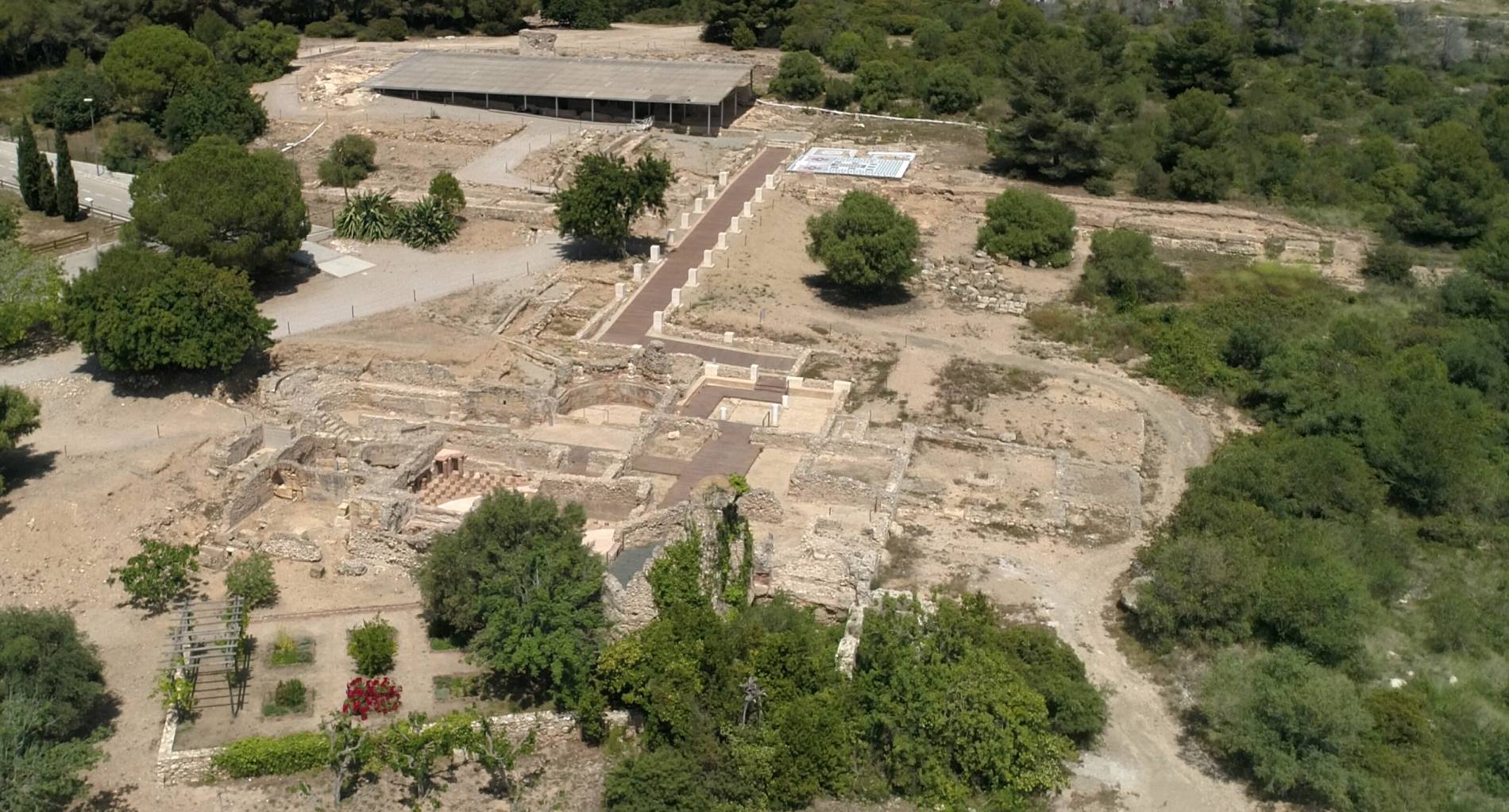
The Mithraeum of Els Munts, near Tarragona, is one of the largest known to date.

A dedication to the unconquered and propitious Sol Invictus Mithras, made by a priest named M. Pompeius on behalf of the divine house, the most sacred council, and the devout inhabitants of the colony of Elusatium (modern Eauze) in Aquitania.
A marble relief found in 1851 built into the adjoining hall of White Friars at Chester (ancient Deva), now in the Grosvenor Museum, depicting a standing dressed figure with a sheep-hook in his left hand and possibly a downward-pointing torch in his right…
A small stone statue found at Chester (ancient Deva) in 1853 built into a cellar wall in White Friars, still seen by Stukeley in 1725 but now lost, depicting a standing torchbearer in Eastern attire and cross-legged, holding a torch downwards with both hands…
A large inscription from Olisipo (modern Lisbon), recording a dedication to the Eternal Sol and Luna for the perpetuity of the empire and the welfare of Septimius Severus, Caracalla and Geta, executed under the supervision of Drusus Valerius Coelianus and others, dated to the Severan period…
A great cippus from Olisipo (modern Lisbon), recording a dedication to Sol and Luna by Cestius Acidius Perennis, legate of the Emperor and propraetor of the province of Lusitania.
A large relief in Italian marble kept in the gallery of the Castle at Cataio in the Veneto, depicting a standing torchbearer who holds his torch with both hands.
An inscription from Trento (ancient Tridentum) recording a gift dedicated to the Invincible Mithras by L. Claudius Iustio together with his sons Iustus and Iustinus.
An inscription recording the completion and dedication of the Temple of Sol at Como by T. Flavius Postumius Titianus, corrector of Italy, by order of the emperors Diocletian and Maximian, with Axilius the Younger as curator of the city of the Comenses.
A limestone low-relief tauroctony fragment found in 1869 near the entrance of the valley of San Zeno di Romedio in the Trentino, now in the Museum at Trento, showing a primitive Mithras bullkiller with Cautes upraised, the bust of Luna and an inscription on the lower border…
