Your search Terme di Caracalla gave 2080 results.
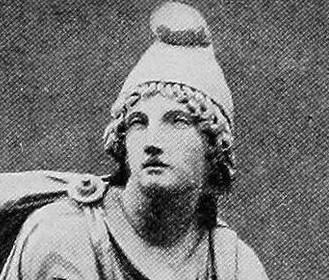
Historian, Platonist, and practicing Mithraist writing on tradition, transcendence, and the soul’s ascent through history, myth, and metaphysics.

This altar dedicated to Sol Invictus Mithras by a certain Septimius Zosimus was found in the Basilica of San Martino ai Monti in Rome.

An Algerian chemistry student interested in roman culture I hope to be able to explore Mithras culture in my country because of the vast and important rule of this religion in my city tiddis

I am a graduate trying to complete a MA in archaeology. My Master`s Dissertation is about Mistery Cults in the Roman Empire

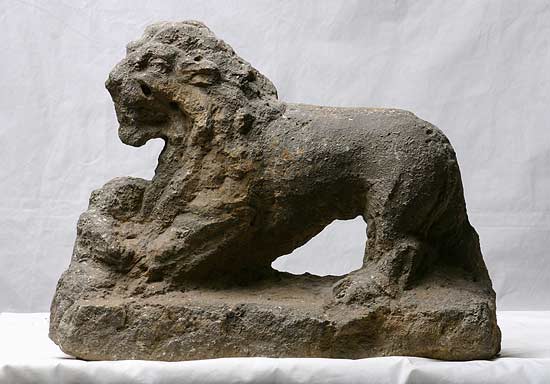
Marble statue from Intercisa representing a lion holding an indistinct animal beneath its forepaws. Found in a vineyard, the piece is now in the Hungarian National Museum.
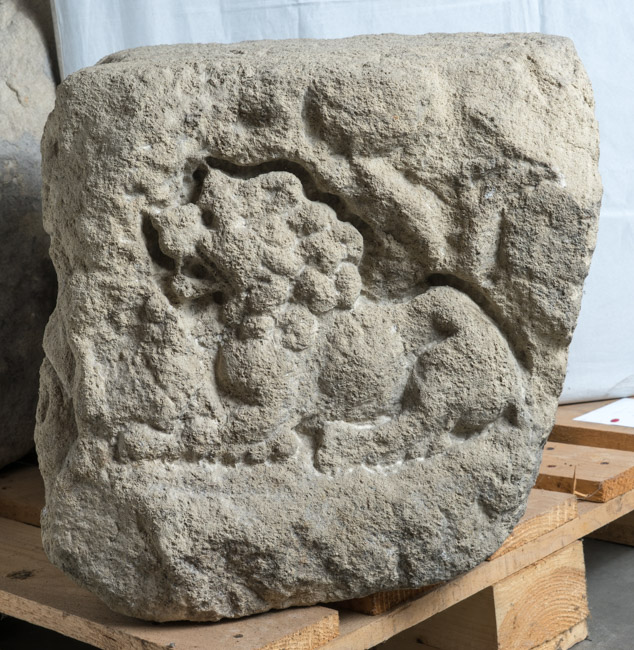
Sandstone base carved on two sides, with a head of Medusa framed by acanthus leaves and a reclining lion holding a head between its forelegs.
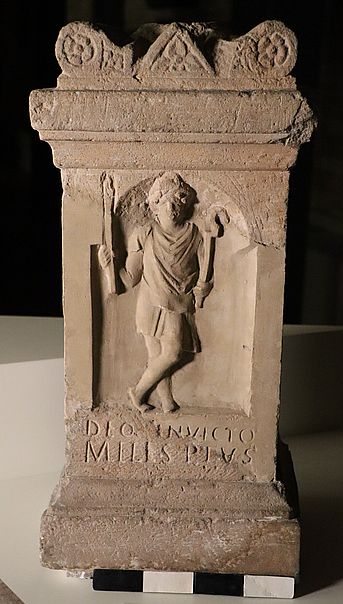
Small votive altar in white limestone from Aquae Mattiacae, dedicated to Deo Invicto by a miles pius. The top preserves the head of Cautes with his raised torch.
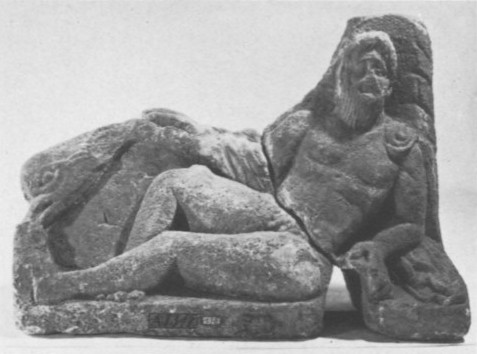
A small limestone altar from Bandorf near Oberwinter dedicated to Deo Invicto Regi. Found in an isolated structure not resembling a mithraeum, its function remains uncertain.

Thinking of forming a weekly group for those in the Anglosphere(USA, Canada, UK, Australia and NZ) to have a webcam call, discuss all things related to Mithras and form friends sharing a niche interest:)
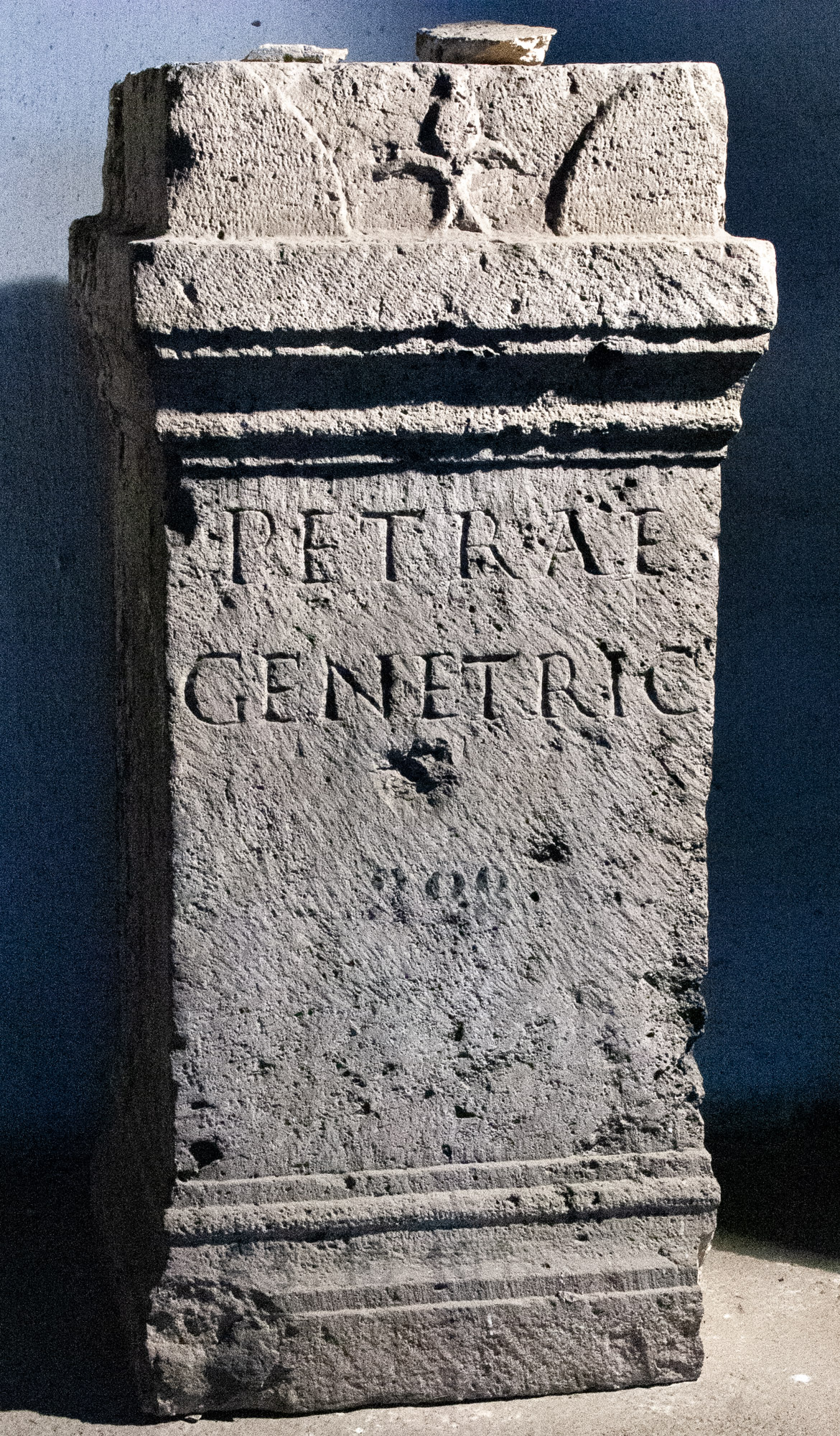
Small limestone altar from Aquincum, Budapest, dedicated to Petra Genetrix.
Dominique Persoons proposes a reconstruction of Mithraic ritual based on archaeological remains, frescoes, and zodiacal symbolism. He interprets the mithraeum as a liturgical microcosm governing the descent, purification, and ascent of souls.
The Mithraeum of Stix-Neusiedl was discovered in the summer of 1816. Although the structure of the sanctuary is unknown, several associated monuments are preserved today in Vienna.

From the late first century CE, Mithras spread across the Roman Empire, leaving more than 130 sanctuaries and nearly 1,000 inscriptions. This volume offers a rigorous synthesis that renews our understanding of this enigmatic cult.
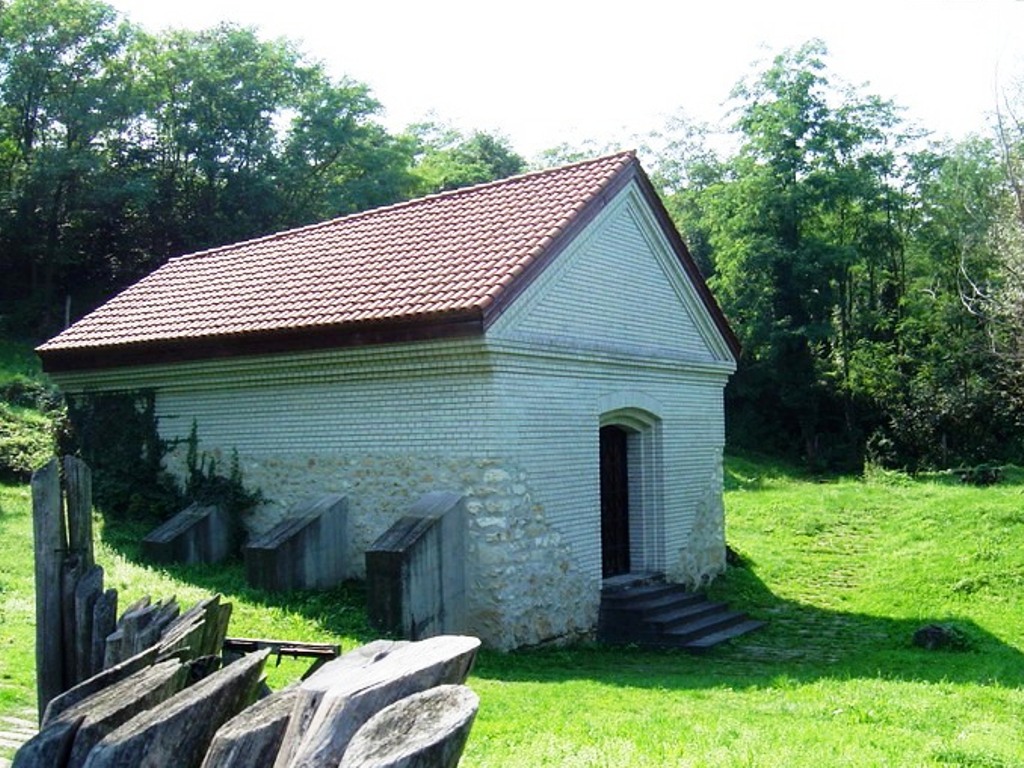
The temple of Mithras in Fertorakos was constructed by soldiers from the Carnuntum legion at the beginning of the 3rd century AD.
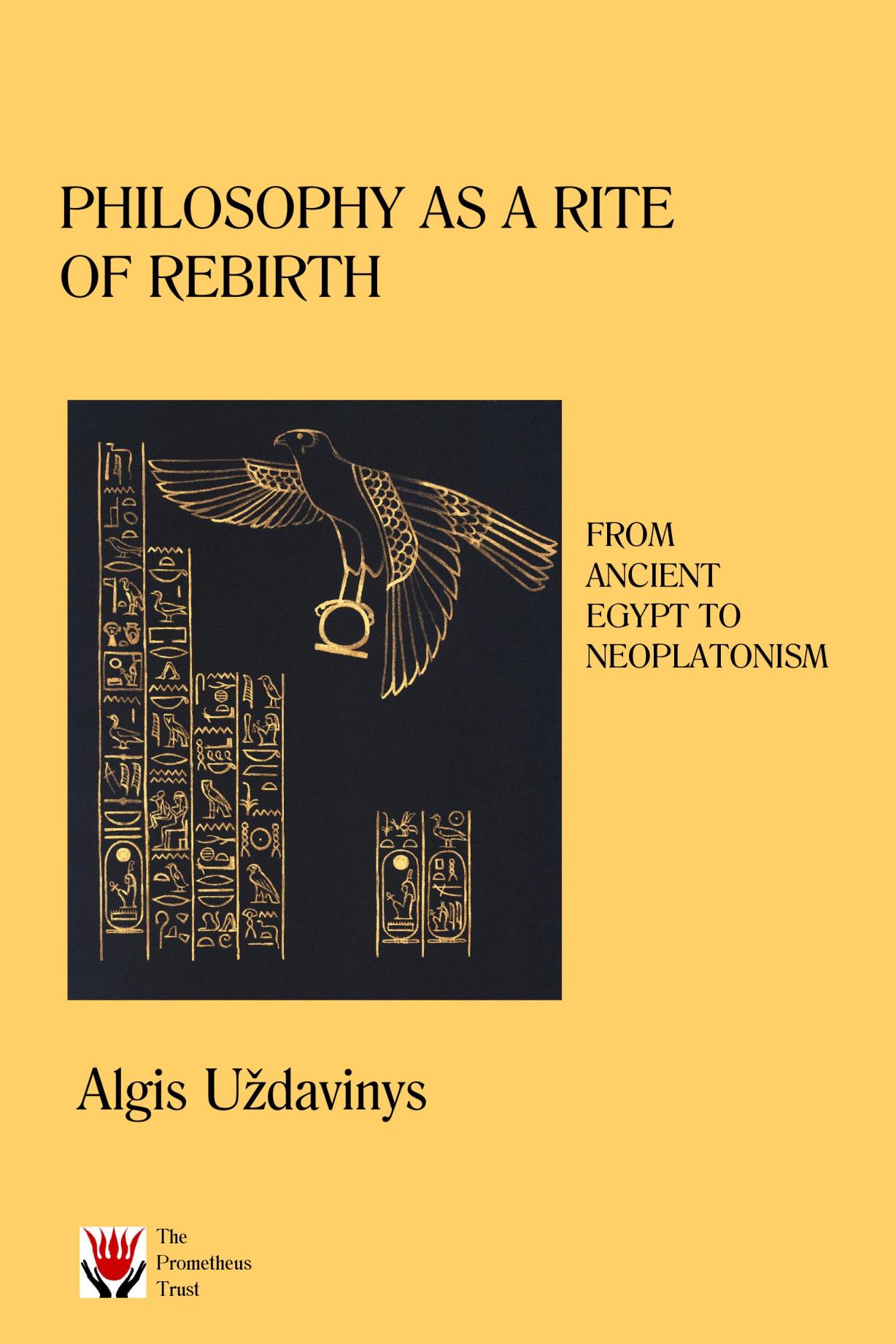
Algis Uždavinys presents philosophy as a sacred practice of inner rebirth, rooted in ancient Egyptian and traditional wisdom rather than a purely rational discipline.
This inscription mentions a Pater for the first known time.

A historical novel framed as the memoir of a Brittano-Roman soldier witnessing the end of Roman Britain. It explores identity, loyalty, and survival at the twilight of empire.
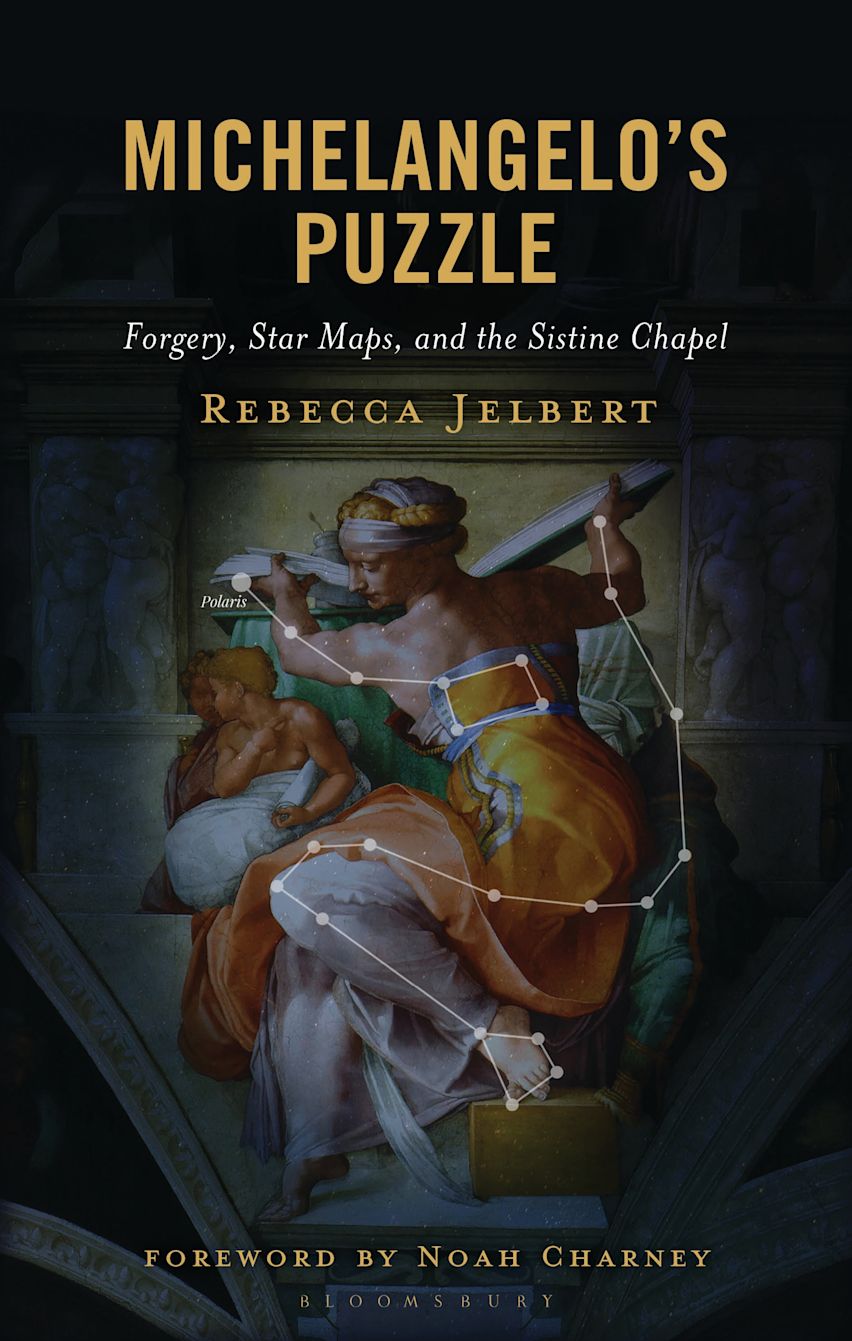
Rebecca Jelbert explores Michelangelo’s major works through the lens of hidden structures, symbolic systems, and esoteric traditions. It considers how themes associated with Mithras and other mystery cults may illuminate new interpretative possibilities within Renaissance art…
