Your search for Turin gave 16 results.

Augusta Taurinorum was the Roman city corresponding to modern Turin.

A brief inscription reading "Soli deo", found on an old stone architrave in Turin (ancient Augusta Taurinorum) in Liguria.
Two small heads wearing Phrygian caps, probably representing the Mithraic torchbearers Cautes and Cautopates, from Turin (ancient Augusta Taurinorum) and held in the Museum at Turin.
Aosta is the principal city of the Aosta Valley, a bilingual region in the Italian Alps, 110 km north-northwest of Turin.
Lenni is the author of The Rites of Hekate and has written and been published extensively on Hekatean practice exploring the goddess’s many faces. She also writes and works with what she calls “dark botanicals”, cultivating two distinct moon gardens
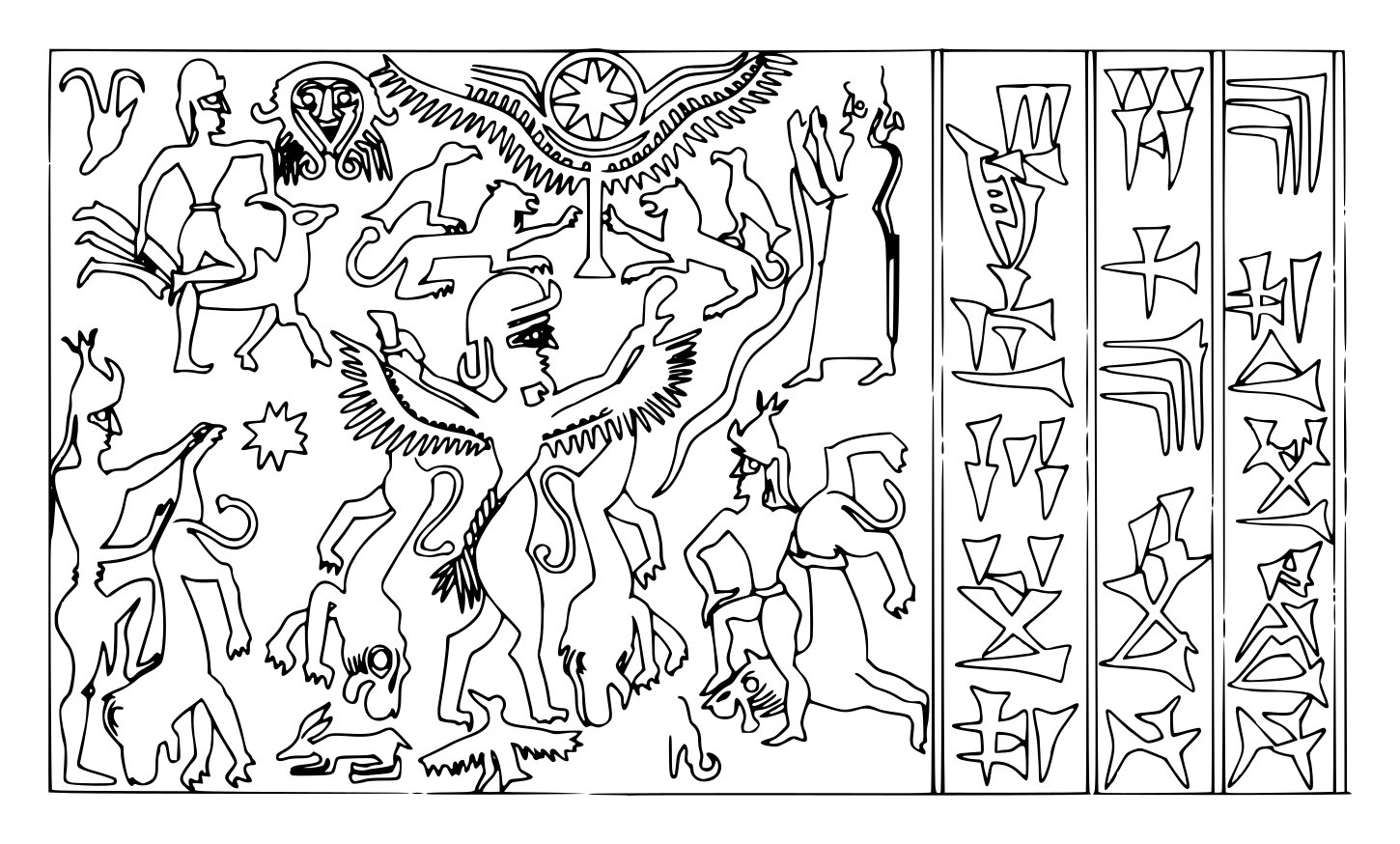
Royal Mitannian seal featuring a winged solar emblem and heroic combat scenes from the cultural milieu in which the earliest attestation of Mitra is found.
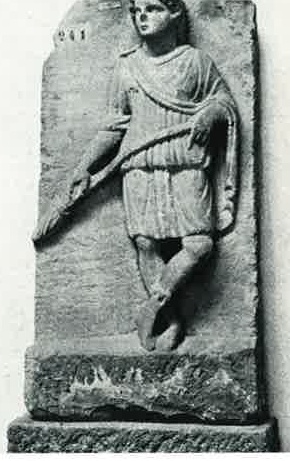
Relief featuring an enigmatic agricultural implement interpreted either as a scythe or an early type of plough.
Basalt relief from Mithraeum I at Heddernheim, ancient Nida, featuring a depiction of the goddess Epona, found in a Mithraic context
Sandstone relief from Ober-Florstadt featuring two arched niches each containing a naked Dioscurus wearing a shoulder cape and pilum
Relief in red sandstone originally standing on a base in Mithraeum I at Heddernheim, ancient Nida, featuring the bull-slaying scene.
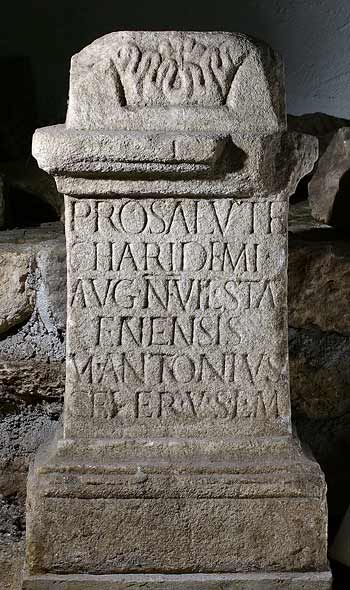
Marble votive altar with inscription to Mithras, featuring coiled, fan-like motifs above the text and associated with the statio Enensis.

This rock-cut Mithraeum occupies the north-eastern slope of the Grand-Rebberg at Saarburg, featuring a stepped entrance, a sloping central aisle, lateral benches, and a spring-fed water conduit.
Red sandstone altar from Stockstadt, featuring a square cavity in the front that contained a fragment of crystal and a small lamp.

This remarkable marble statue of Mithras killing the bull from Apulum includes a unique dedication by its donor, featuring the rare term signum, seldom found in Mithraic contexts.
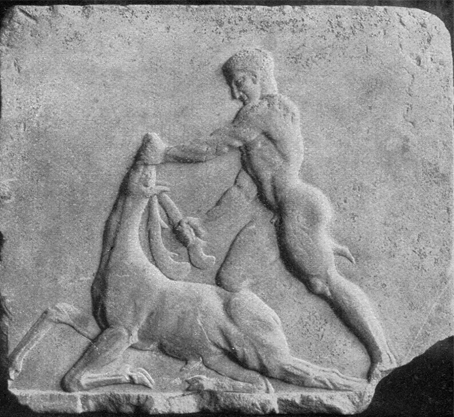
Relief of Heracles/Hercules capturing the Golden Hind of Artemis.
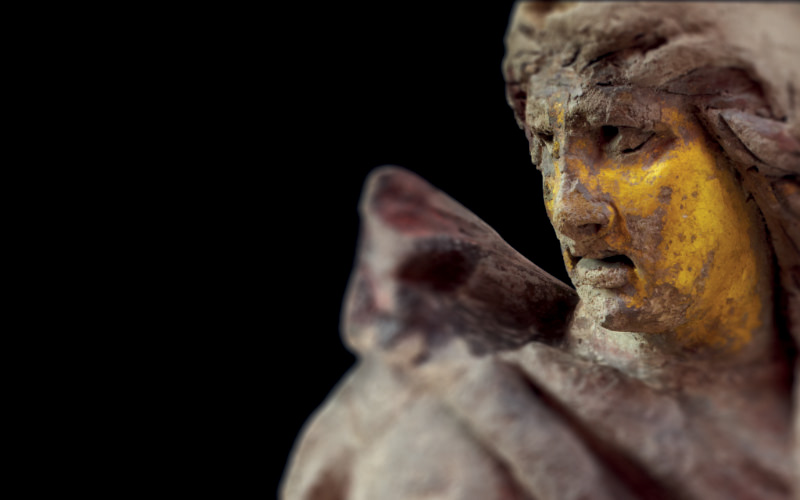
Three European museums celebrate Mithras with a continental exhibition featuring more than 200 works of art from Roman times to the present day.
