Your search Val di Non gave 2351 results.

Architectural and numismatic finds from the Mithraeum at Serdica, Thracia, comprising a door cornice, a capital fragment, two pilaster pieces, a stone water-basin, and two coins of Arcadius deposited when the sanctuary was reused as a cellar.
Marble plate from the Mithraeum at Serdica, Thracia, bearing a cryptic inscription whose letter sequence has not been satisfactorily explained.
Greek inscription from Serdica, Thracia, dedicated to the invincible god by Caius Iulius Maximus for himself and his children.

White marble tauroctony relief from Sofia, ancient Serdica in Thracia, found near the Church of St. Kral, depicting the standard bull-slaying with the full iconographic programme.
Inscription from Viminacium, Moesia Superior, recording that Caius Iulius Valerius, veteran of Legio VI Claudia, restored a Mithraic sanctuary destroyed by lightning at his own expense.
Inscription from Smederevo, Moesia Superior, dedicated to Deo invicto Mithrae by Publius Aelius Valerianus, vestiarius — a clothing-dealer or military garment officer.
Inscription from the Mithraeum at Sarmizegetusa, Dacia, recording a dedication ex voto by Aurelius Valentinus.
Top of a limestone altar from Apulum, Dacia, with a rosette in the pediment and palmettes on the sides, recording a dedication to the Numen invicti by a dedicant whose name may be Vallerius.
Limestone altar found in Partoș, Dacia, dedicated to Deo Soli by Lucius Valerius Felix.
Oval relief fragment from the outskirts of Split near ancient Salona, Dalmatia, preserving two zodiacal signs — probably from a border decoration of a Mithraic monument.
Lost altar from the Zollfeld at Virunum, Noricum, dedicated to Deo invicto Mithrae by Ulpius Valerius, speculator of Legio I Noricorum, who fulfilled a vow undertaken by his father.
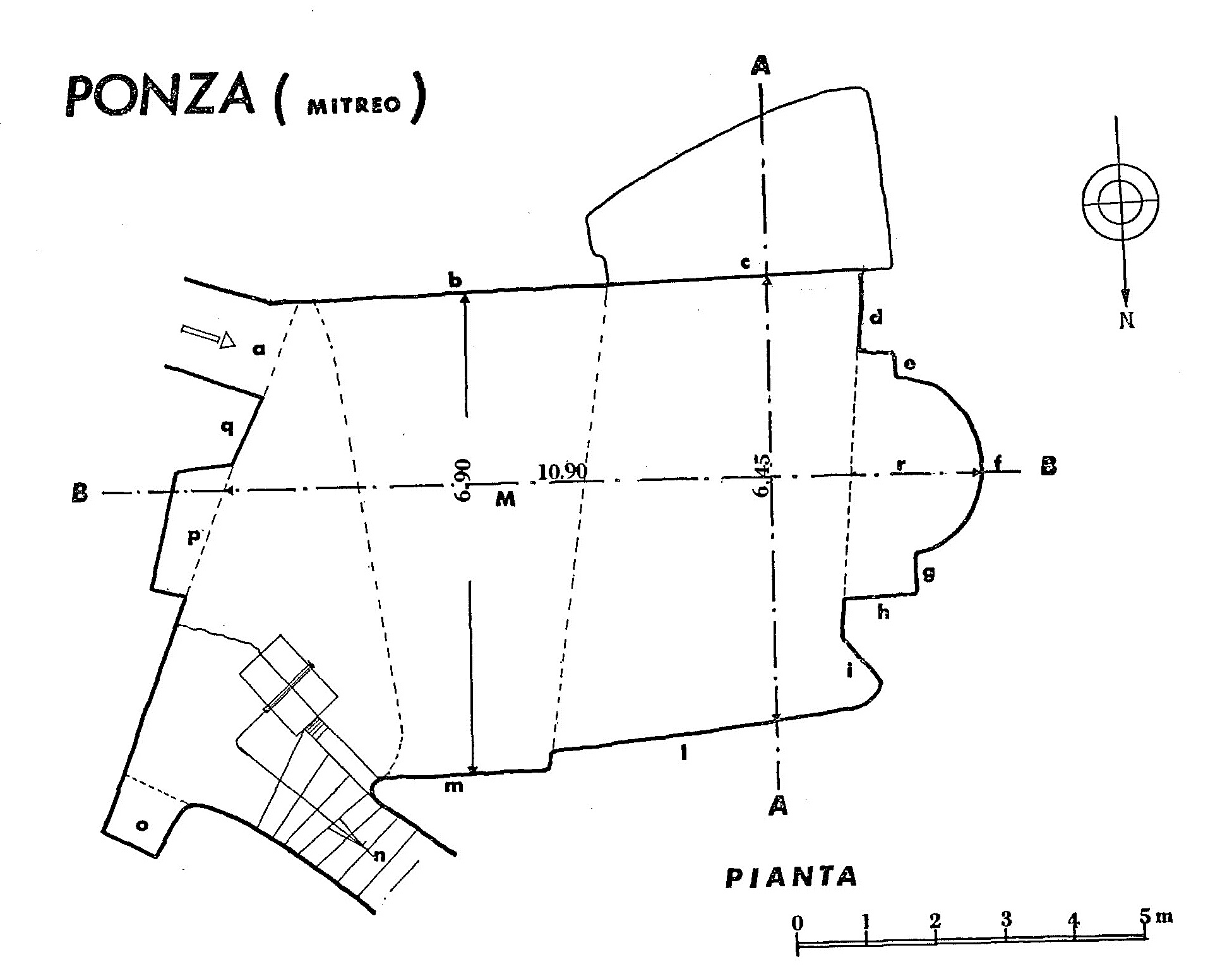
This Mithraic shrine on the island of Ponza is renowned for its exceptional stucco zodiac and astral symbolism linked to Roman Mithaism.

Tiddis was a Roman city that depended on Cirta and a bishopric as Tiddi, which remains a Latin Catholic titular see. It was located on the territory of the current commune of Bni Hamden in the Constantine Province of eastern Algeria.
Numidia occupied a frontier and military landscape where Mithraic cults circulated through urban settlements and imperial infrastructure.
Along the lower sectors of the middle Danube, Pannonia inferior became a major centre of Mithraic activity in the frontier provinces.
Pannonia superior preserves one of the richest frontier corpora of Mithraic evidence along the middle Danube.
Pannonia preserves one of the most important frontier corpora of Mithraic evidence in the Roman world.
Corsica and Sardinia preserve a small island corpus within the western Mediterranean diffusion of Mithraism.
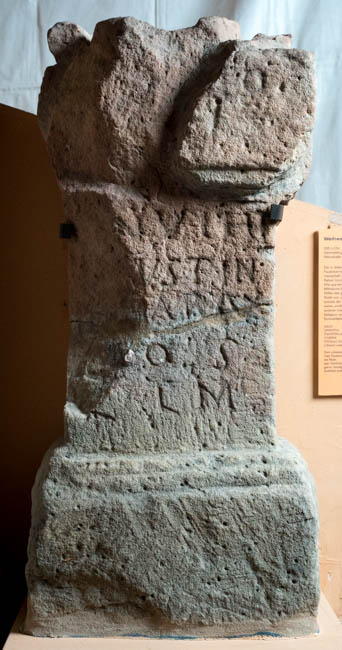
This sandstone altar was dedicated to the god Invictus by a certain Faustinus from Gimmeldingen.
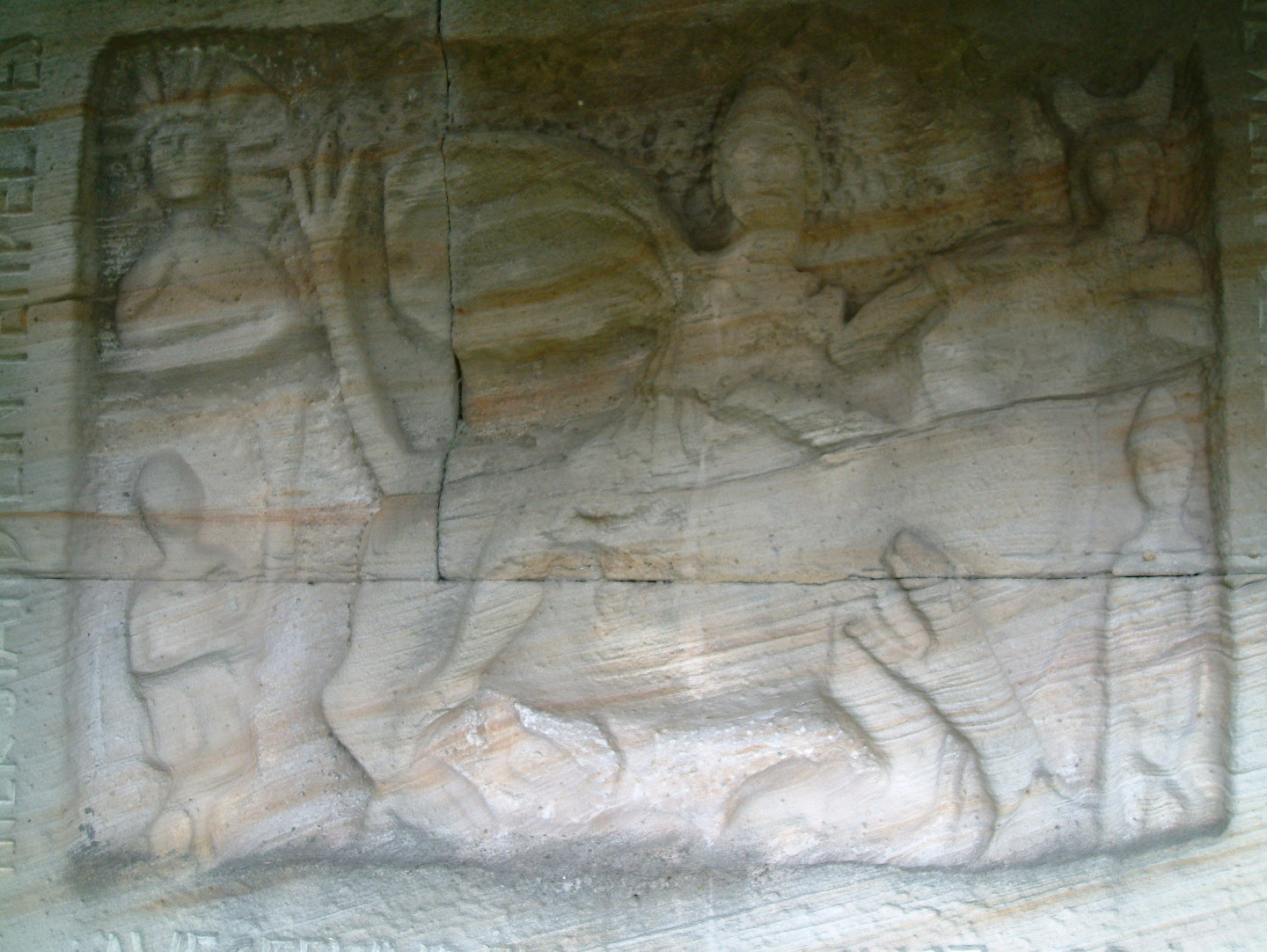
This relief of Mithras killing the bull found in Gimmeldingen, Germany, lacks the usual raven.
