Your search Val di Non gave 2351 results.
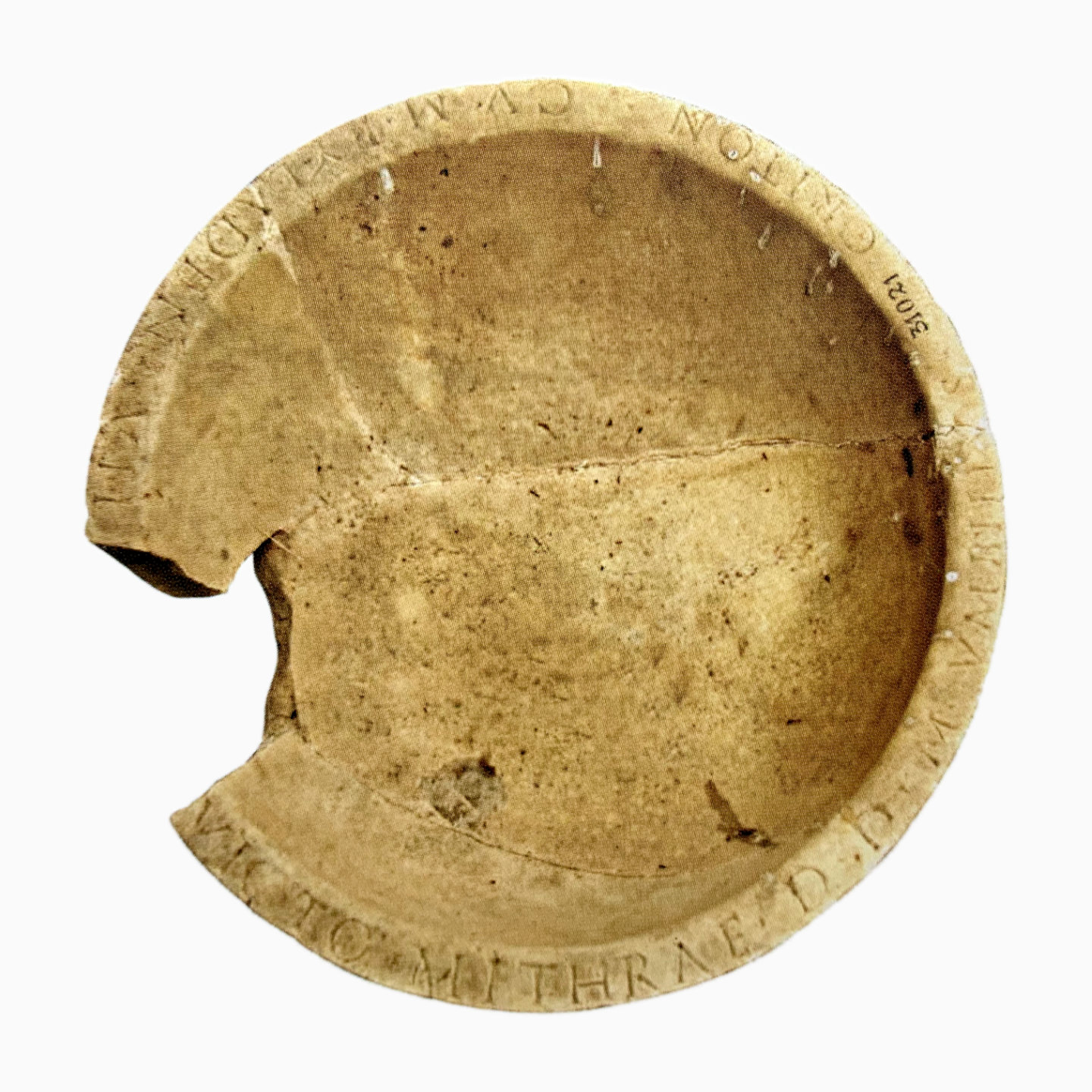
This marble basin found in the Mithraeum of the Footprint bears an inscription of a certain Umbilius Criton, associated with a monumental tauroctonic sculpture also found in Ostia.

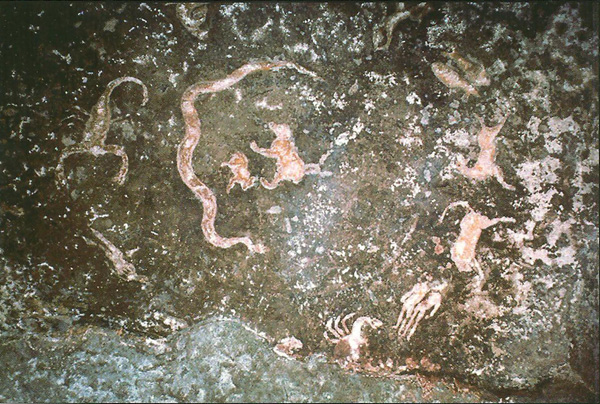
Solis invicti Mithrae studiosus astrologiae who was at the same time ’caelo devotus et astris’.
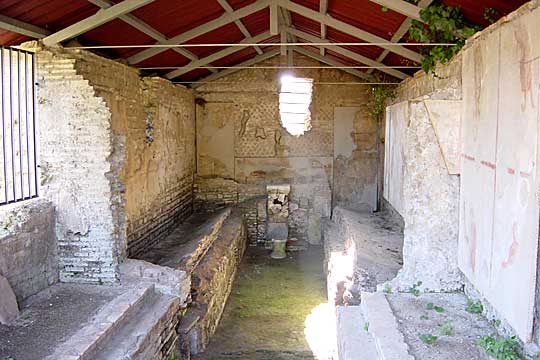
The House of the Mithraeum of the Painted Walls was built in the second half of the 2nd century BC (opus incertum) and modified during the Augustan period.

A study that re-examines Roman Mithraism through epigraphic evidence and comparative analysis, exploring its links with Orphism, Platonism, and Iranian traditions, and presenting the cult of Mithras as a solar path of individual spiritual awakening between East and West…
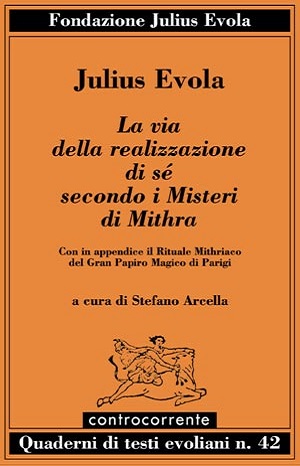
Interprets Mithraism as an initiatory path of inner transformation, reading its myths and rites as symbolic maps of consciousness rather than as historical narratives, and includes an appendix with the Ritual of Mithra from the Great Magical Papyrus of Paris…

Peter Mark Adams’ The Game of Saturn: Decoding the Sola-Busca Tarocchi is the first full length, scholarly study of the enigmatic Renaissance masterwork known as the Sola-Busca tarot.

Ce livre présente les religions de la Méditerranée ancienne – grecque, romaine, phénicienne et punique, hébraïque et juive, mésopotamienne, égyptienne – en mouvement. Au fur et à mesure de ces histoires de dieux en voyage…

This volume collects the first results of the extensive and articulated research project dedicated to the Mithraeum of the Circus Maximus.

This monograph presents the findings from Robert J. Bull's 1973 excavation of the Mithraeum in Caesarea Maritima, Israel, including stratigraphic analyses, studies of frescoes and and insights into the site's historical significance.

The Dionysian themed frescos of Pompeii’s Villa of the Mysteries constitute the single most important theurgical narrative to have survived in the Western esoteric tradition.

Wasson has aroused considerable attention by advancing and documenting the thesis that Soma was a hallucinogenic mushroom – none other than the Amanita muscaria, the fly-agaric that until recent times was the center of shamanic rites among the Siberian and Uralic tribesmen…

Le groupe caractéristique « lion, serpent, cratère » marque le rapport avec le culte mithriaque, car comme nous croyons l’avoir montré, ce groupe ne symbolise pas la lutte des éléments, terre, eau et feu, mais la participation des animaux-attributs au sacrifice, par Mithra…
