Your search Val di Non gave 2329 results.
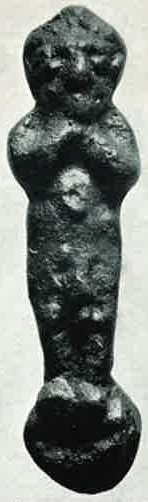
Bronze fibula from Petronell-Carnuntum, depicting a standing lion-headed Aion.
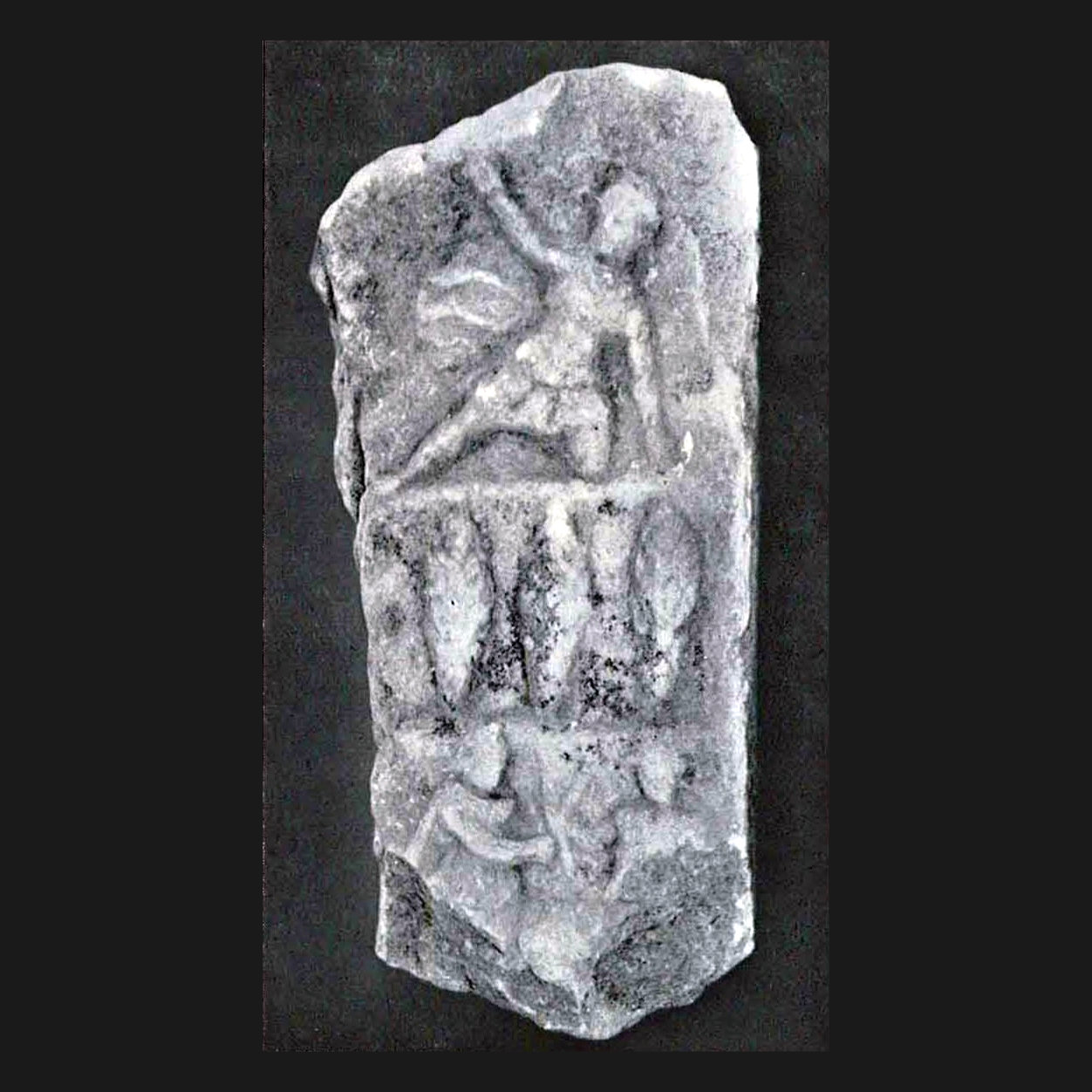
These fragments of a cult relief of Mithras were found at the Mithraeum II of Ptuj, Slovenia.
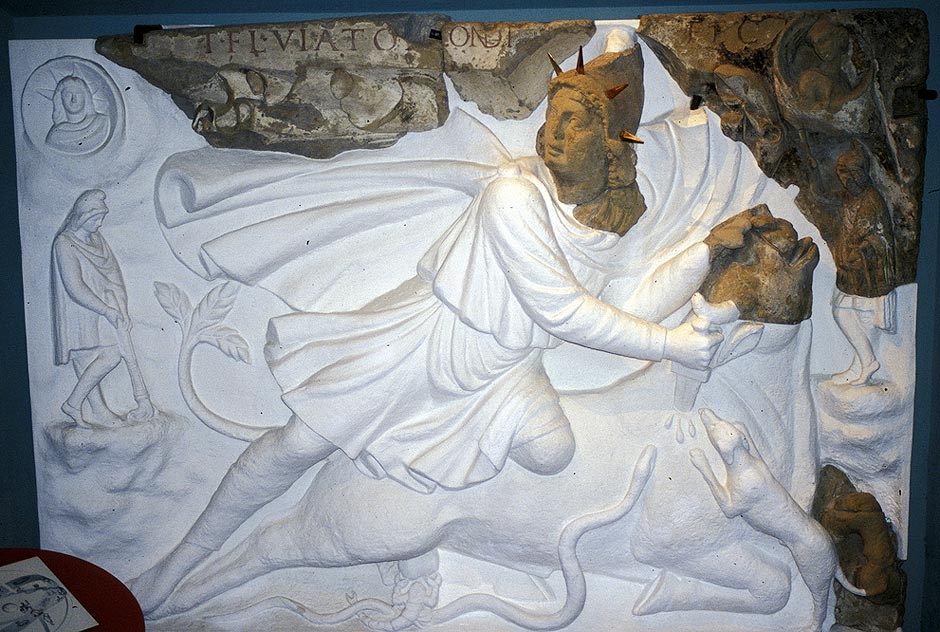
Of this great relief of Mithras slaying the bull only a few segments remain.
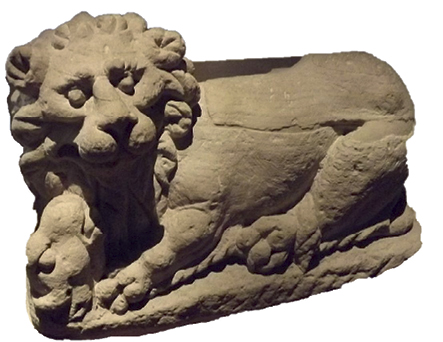
Exceptional sculpture of a lion devouring a bull’s head founded in 1894 in Carnuntum, Pannonia.
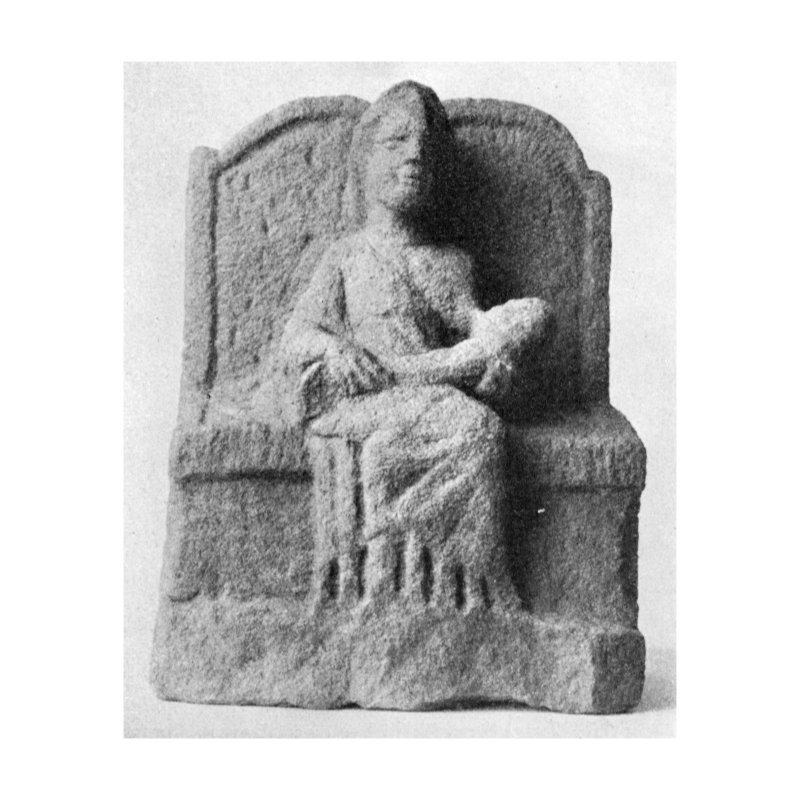
This unusual statue in Mithraic iconography of a mother nursing a child was found in the vestibule of the Mithraeum of Dieburg.
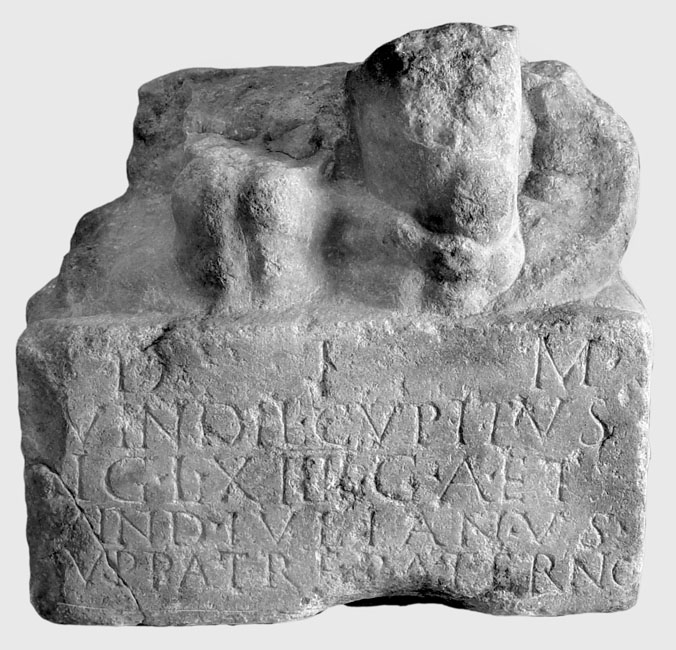
Only parts of the knees of Mithras, emerging from the rock, have been preserved from this monument of Petronell-Carnuntum, Austria.

Relief of Mithras killing the bull with an inscription from a certain Aurelius Macer who dedicates it to Sol Invictus Mithras.

Slab found at Tazoult-Lambèse dedicated to the Unconquered god Sol Mithras by the governor of Numidia Marcus Aurelius Decimus.
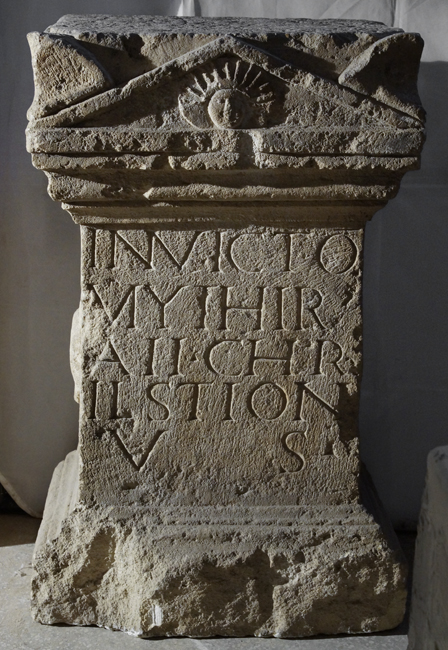
In 1852, Károly Pap, a naval captain, unearthed several Mithraic monuments in his garden at Marospartos, including this altar.

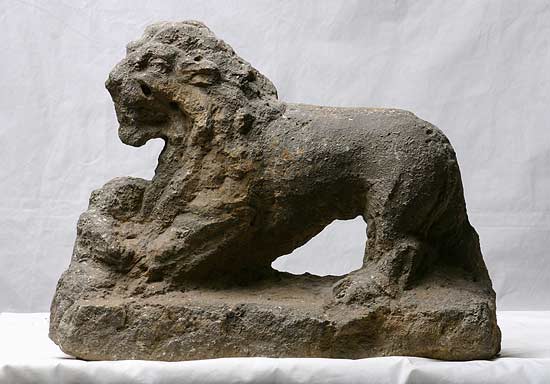
Marble statue from Intercisa representing a lion holding an indistinct animal beneath its forepaws. Found in a vineyard, the piece is now in the Hungarian National Museum.
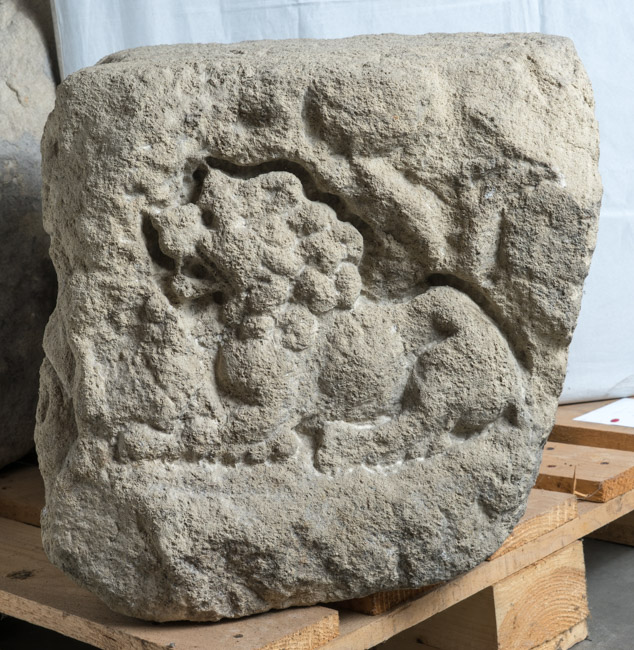
Sandstone base carved on two sides, with a head of Medusa framed by acanthus leaves and a reclining lion holding a head between its forelegs.
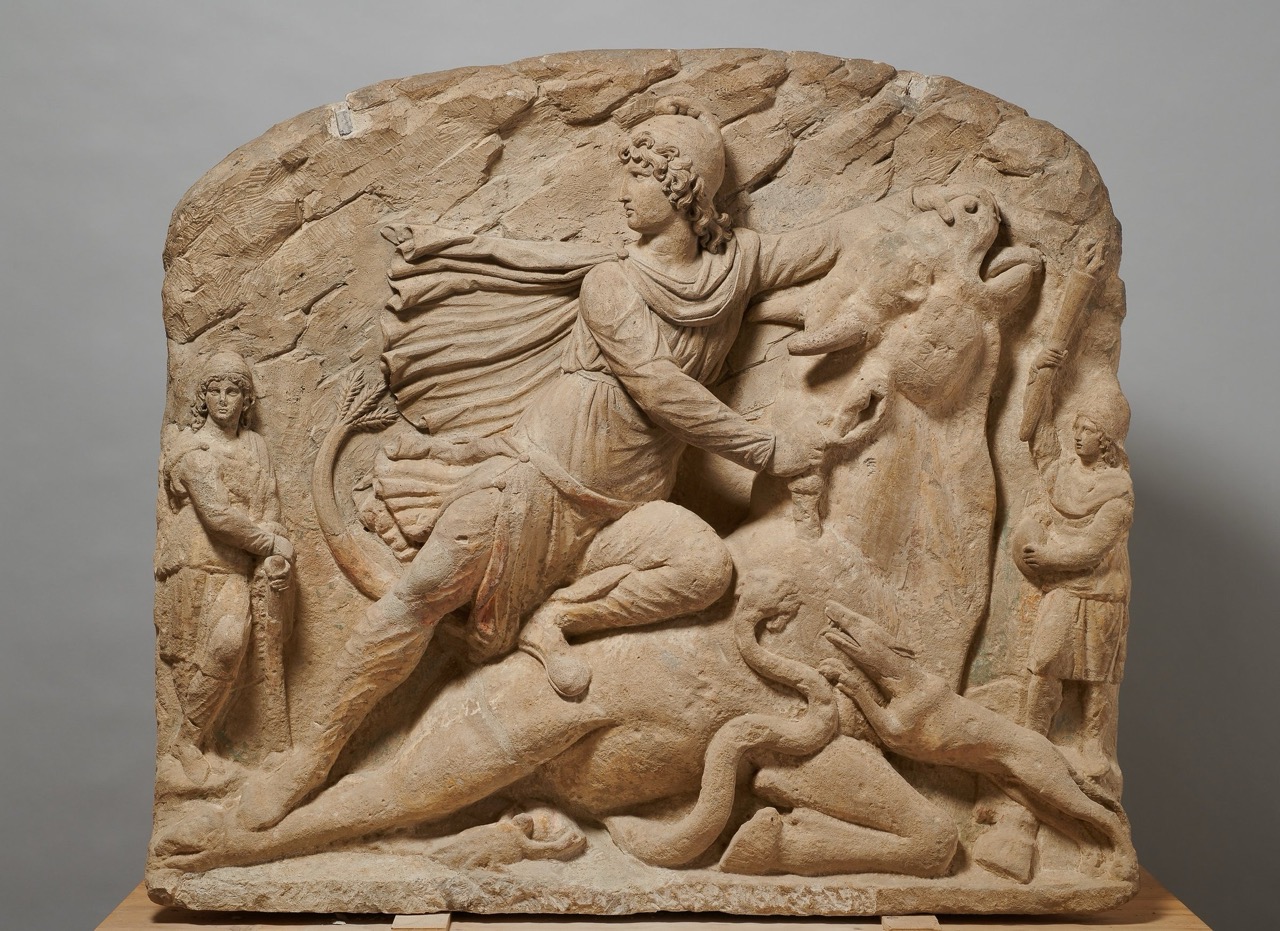
Limestone tauroctony relief from Carnuntum with traces of polychromy and a graffito on the bull’s neck. The inscribed base was carved separately.
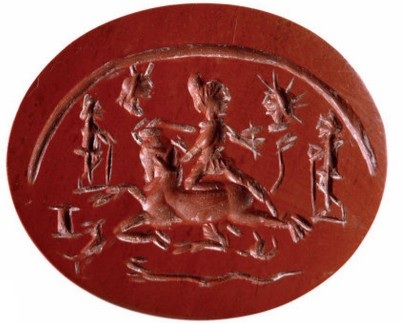
An oval carnelian gem from Carnuntum showing Mithras tauroktonos in a grotto. Sol and Luna appear above, with both torchbearers and a small altar before the bull.
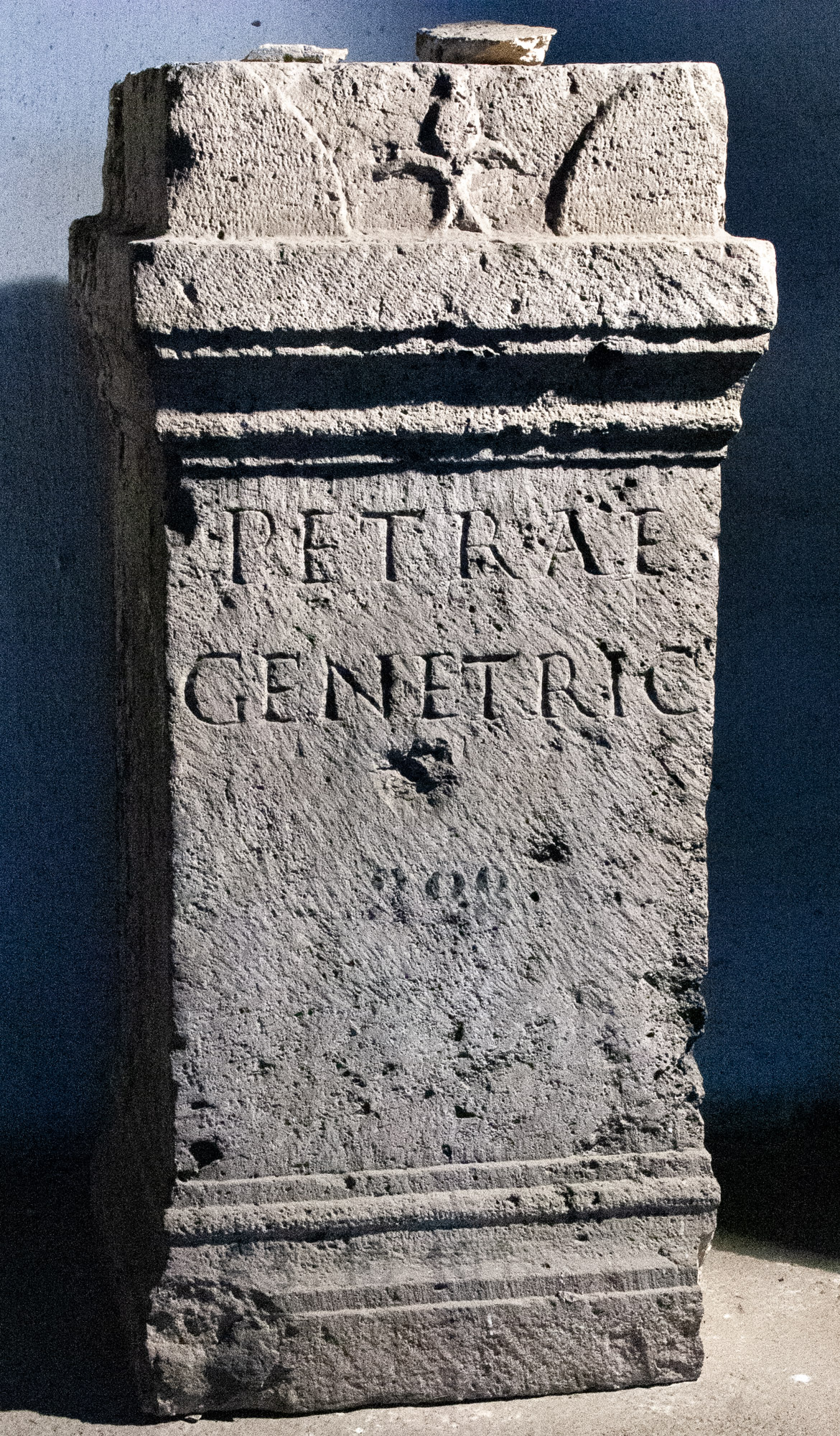
Small limestone altar from Aquincum, Budapest, dedicated to Petra Genetrix.
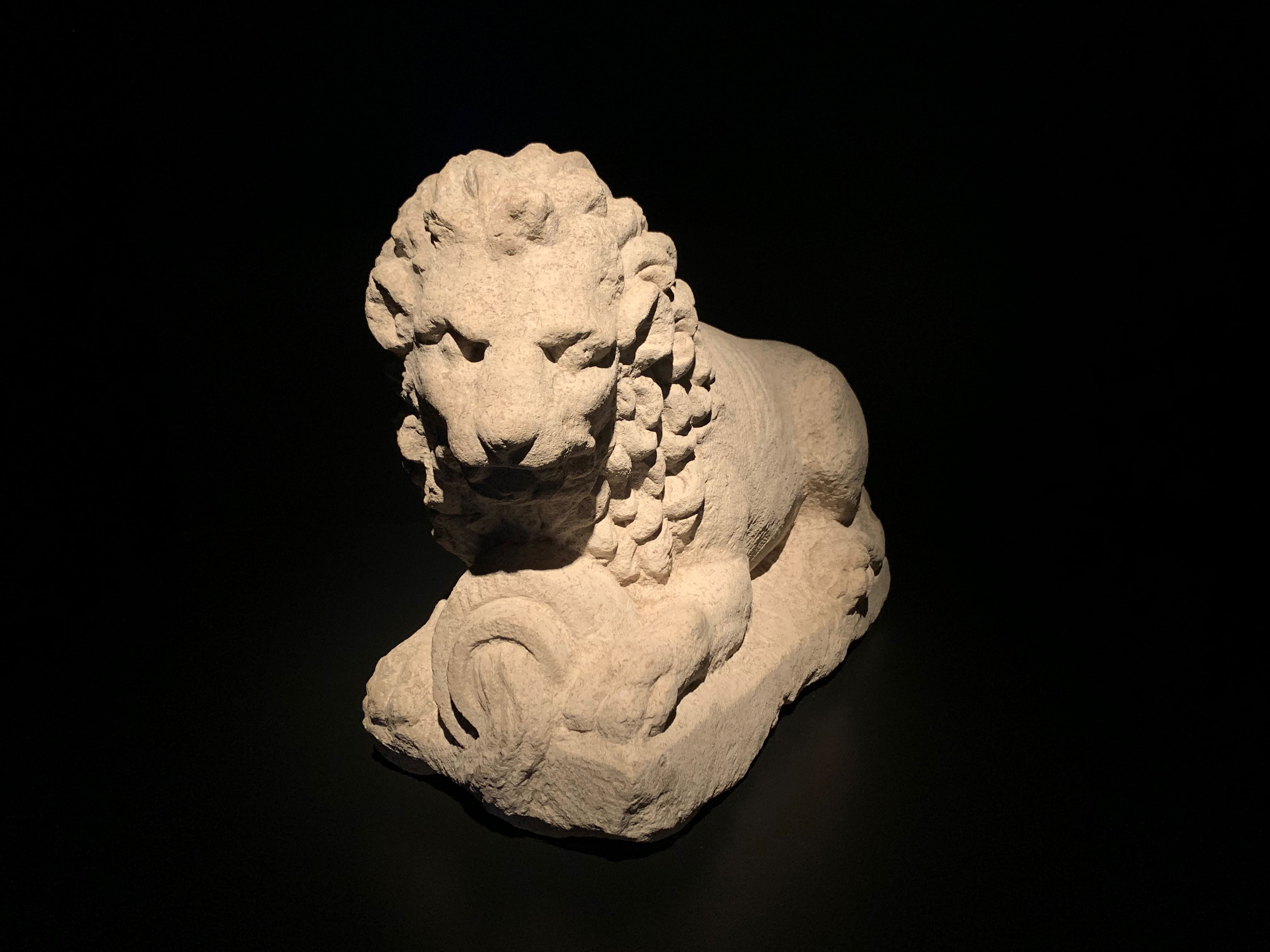
A limestone lion holding a flowing urn, discovered at the entrance of the Mithraeum of Les Bolards, reflects the ritual significance of water within the cult of Mithras.
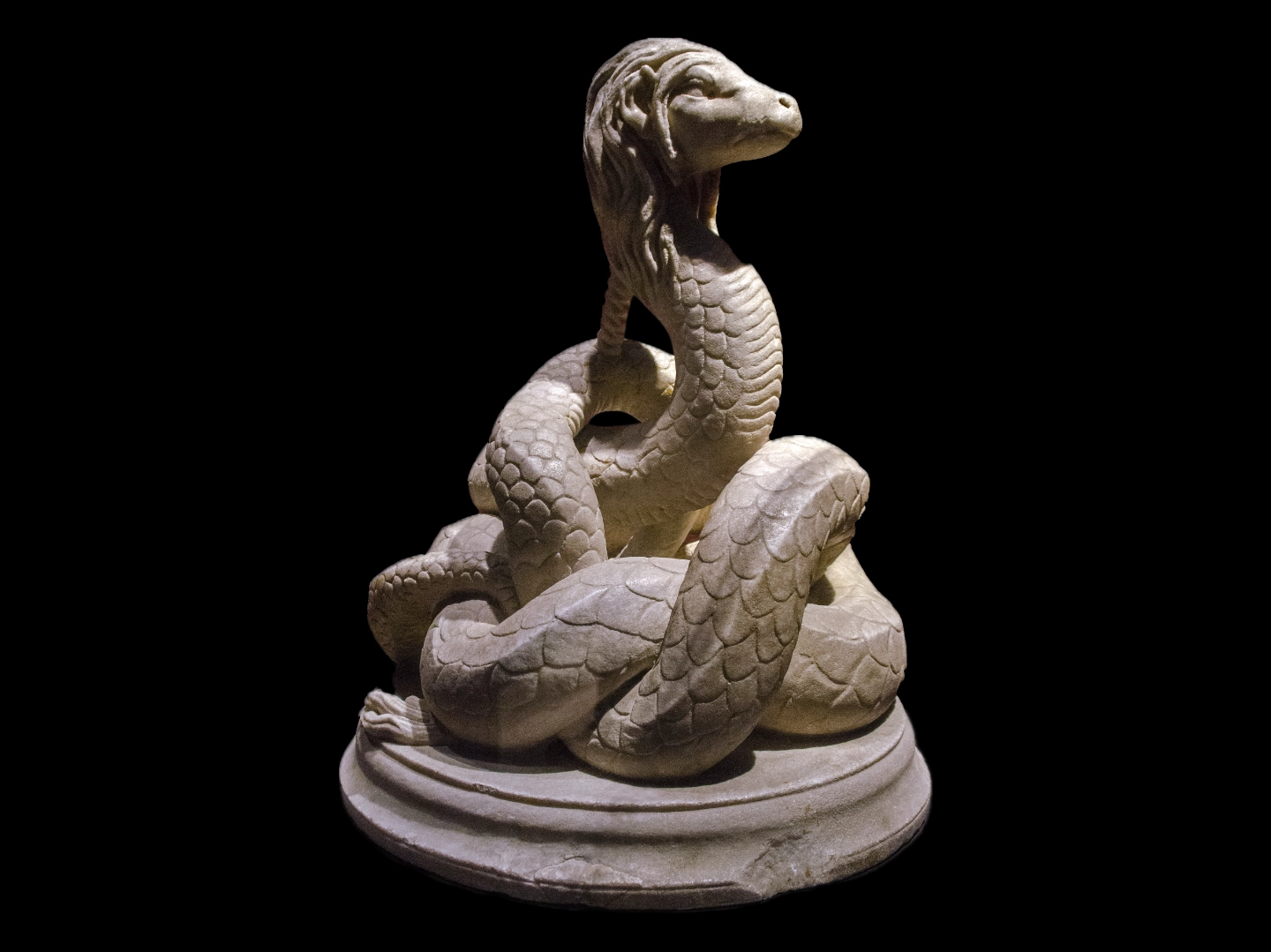
At Rome’s twilight, amid political upheaval and Christian ascendancy, Vettius Agorius Praetextatus embodied pagan intellect, virtue, and authority across senatorial, military, and mystical spheres.
The Mithraeum of Stix-Neusiedl was discovered in the summer of 1816. Although the structure of the sanctuary is unknown, several associated monuments are preserved today in Vienna.
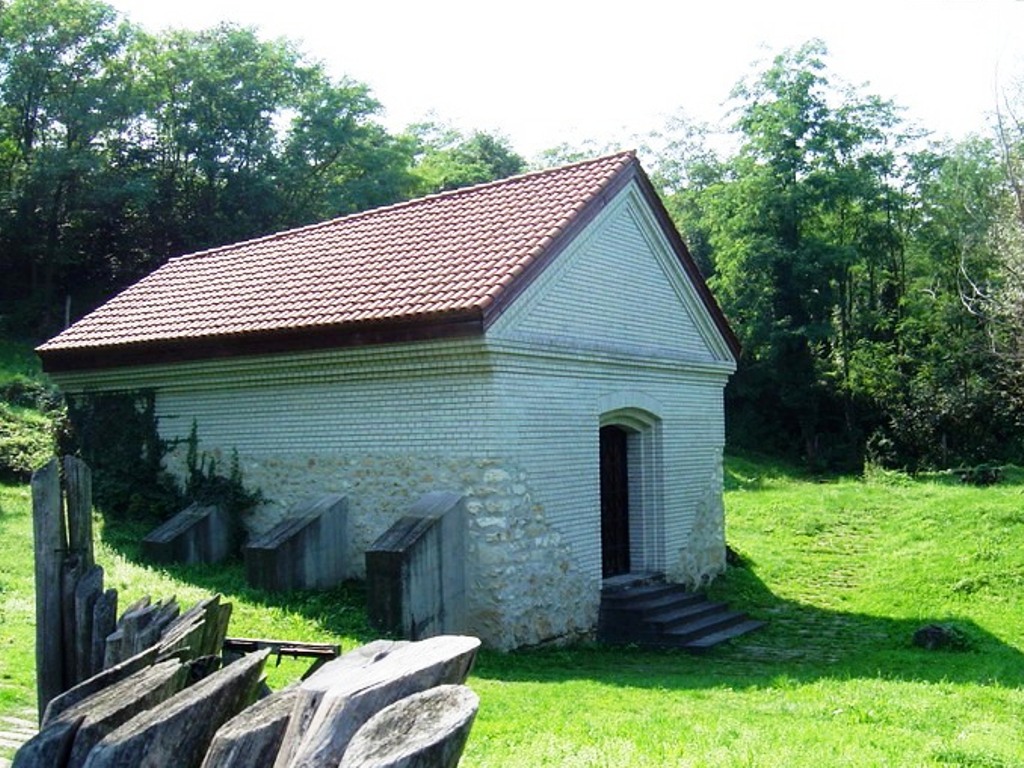
The temple of Mithras in Fertorakos was constructed by soldiers from the Carnuntum legion at the beginning of the 3rd century AD.