Your search Val di Non gave 2329 results.

Mithraic altar inscription set up by the centurion Marcus Iulius Martius in 189 CE.
Painted Parthian inscription on a ceramic sherd possibly referring to Mithras as a bull-slayer.

Anazarbus was an ancient Cilician city. Under the late Roman Empire, it was the capital of Cilicia Secunda.
Bologna is the capital and largest city of the Emilia-Romagna region in northern Italy.
This small and highly questionable relief from southern France may depict a winged leontocephalic figure seated.
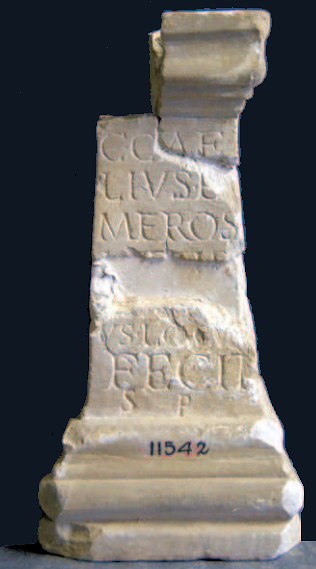
This small monument bears the inscriptions of a certain Caelius Ermeros, antistes at the Mithraeum of the Painted Walls.

This lamp, depicting a man slicing his victim into pieces with a sword, was believed to be associated with the Cult of Mithras.

Epigraphic monuments reveal the presence of a Mithraeum in the ancient municiple of Carsulae, in Umbria.
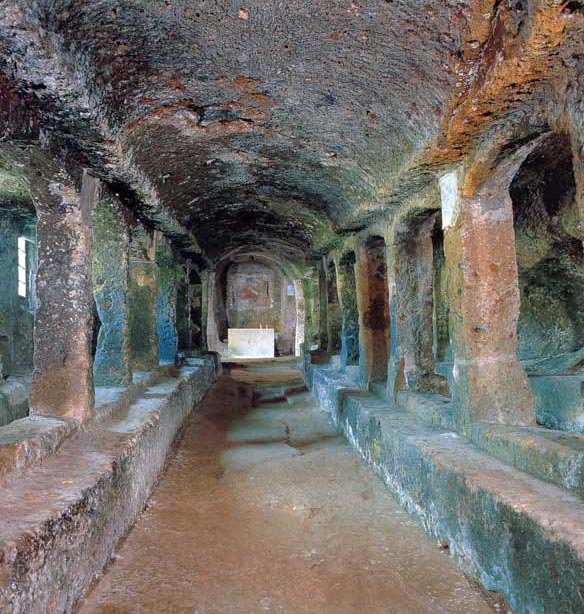
The Mithraeum of Sutri was built inside a rocky hill that also hosted the Roman theatre of the city.
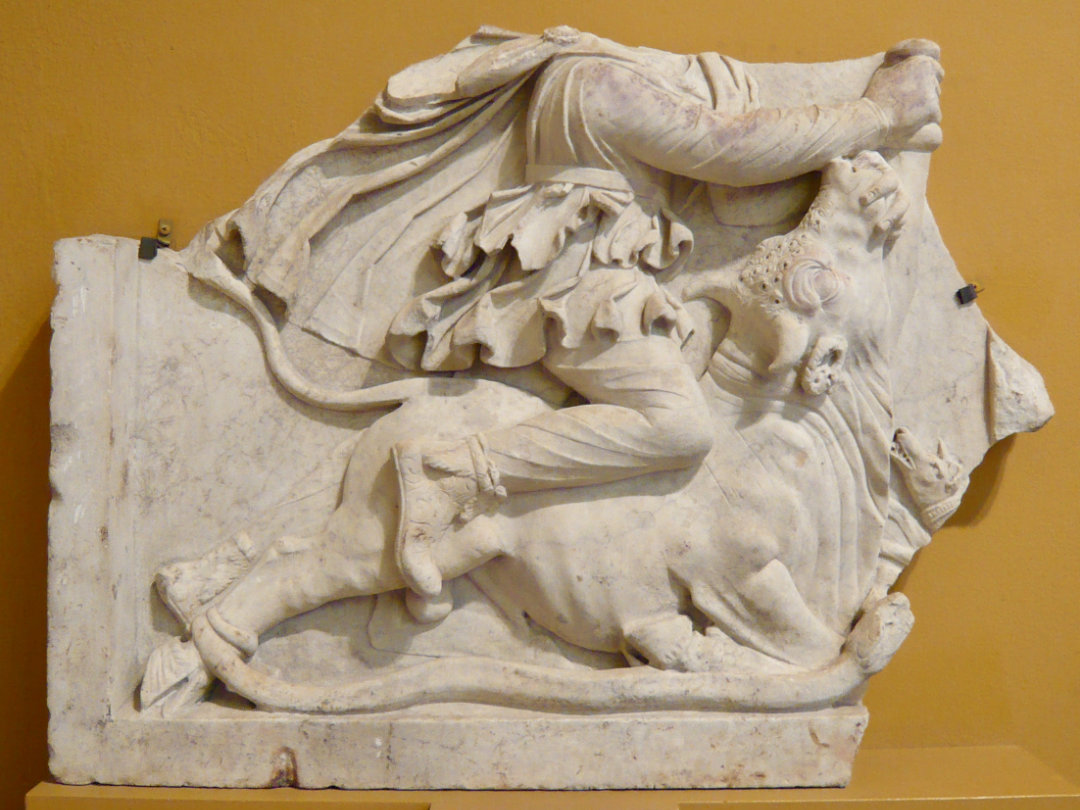
This fragmentary relief depicts Mithras killing the bull in the usual manner, remarkably dressed in oriental attire.
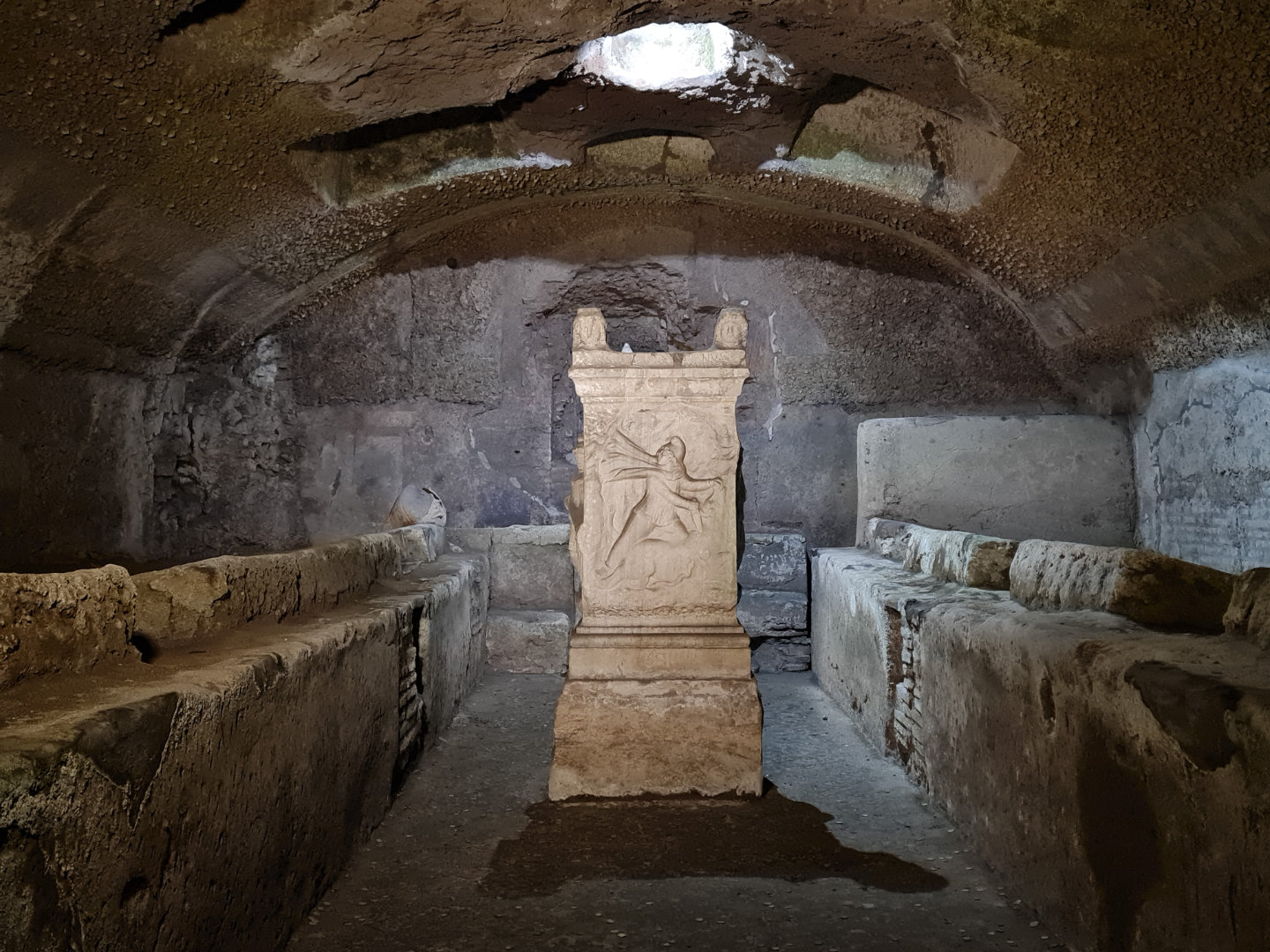
The Mithraeum under the Basilica of San Clemente made part of a notable Roman house.

He commissioned the main cult relief found in the Mithraeum of Circo Massimo.

He was cornicularius, supply officer, to the prefect of the Legion XXII Primigenia.


Pater from Nersae, Italia, known by an inscription of his mithraic Apronianus.

Pater Patrum and Senator. He was also the patriarch of the Olympian dynasty, overseeing a Mithraic community in the centre of Rome.


Optio who erected several altars to Mithras in the Mithraeum of Sárkeszi.