Your search Vatican City gave 204 results.

Hermopolis, the city of Hermes, was an important city located between Lower and Upper Egypt. A provincial capital since the Old Kingdom of Egypt, Hermopolis developed into a major city of Roman Egypt.
Boulogne-sur-Mer; Picard: Boulonne-su-Mér; Dutch: Bonen; Latin: Gesoriacum or Bononia, often called just Boulogne, is a coastal city in Northern France.
Emerita Augusta was founded in 25 BC by order of the Emperor Augustus to protect a pass and a bridge over the Guadiana River. The city became the capital of the province of Lusitania and one of the most important cities in the Roman Empire.
Eboracum was a fort and later a city in the Roman province of Britannia. Two Roman emperors died in Eboracum: Septimius Severus in 211 AD, and Constantius Chlorus in 306 AD.
Dura-Europos was a Hellenistic, Parthian and Roman frontier city built on the Euphrates River. It was founded around 300 BC by Seleucus I Nicator. The Romans took Dura-Europos in 165 AD.
Cyrene or Kyrene, was an ancient Greek and later Roman city near present-day Shahhat, Libya.
Colonia Claudia Ara Agrippinensium, usually just called Colonia, was the Roman settlement in the Rhineland that became the modern city of Cologne, now in Germany. It was the capital of Germania Inferior and the military headquarters of the region.
Tienen is a city and municipality in the province of Flemish Brabant, in Flanders, Belgium.
Tiddis was a Roman city that depended on Cirta and a bishopric as Tiddi, which remains a Latin Catholic titular see. It was located on the territory of the current commune of Bni Hamden in the Constantine Province of eastern Algeria.
Carnuntum was a Roman legionary fortress and headquarters of the Pannonian fleet from 50 AD. After the 1st century, it was capital of the Pannonia Superior province. It also became a large city of 50,000 inhabitants.
Capua is currently a city and comune in the province of Caserta, in the region of Campania, southern Italy, situated 25 km north of Naples, on the northeastern edge of the Campanian plain.
Caetobriga, now Setúbal of Proto-Celtic *Caetobrix, became a Turdetani settlement which passed under Roman rule. In the time of Al-Andalus the city was known as Shaṭūbar.
The area was populated by Iberians, but the origins of Baetulo date back to the 1st century BC, when the Romans founded the city on the Rosés hill. Baetulo was famous for its vineyards, which produced wine for export throughout the Empire.
Augusta Treverorum, today's Trier in Rhineland-Palatinate, is considered to be the oldest city in Germany.
The Romans took Arelate from the Ligurians in 123 BC and made it an important city by building a canal towards the Mediterranean. Present-day Arles has preserved many Roman buildings.
Aquincum was an ancient city, situated on the northeastern borders of the province of Pannonia within the Roman Empire.
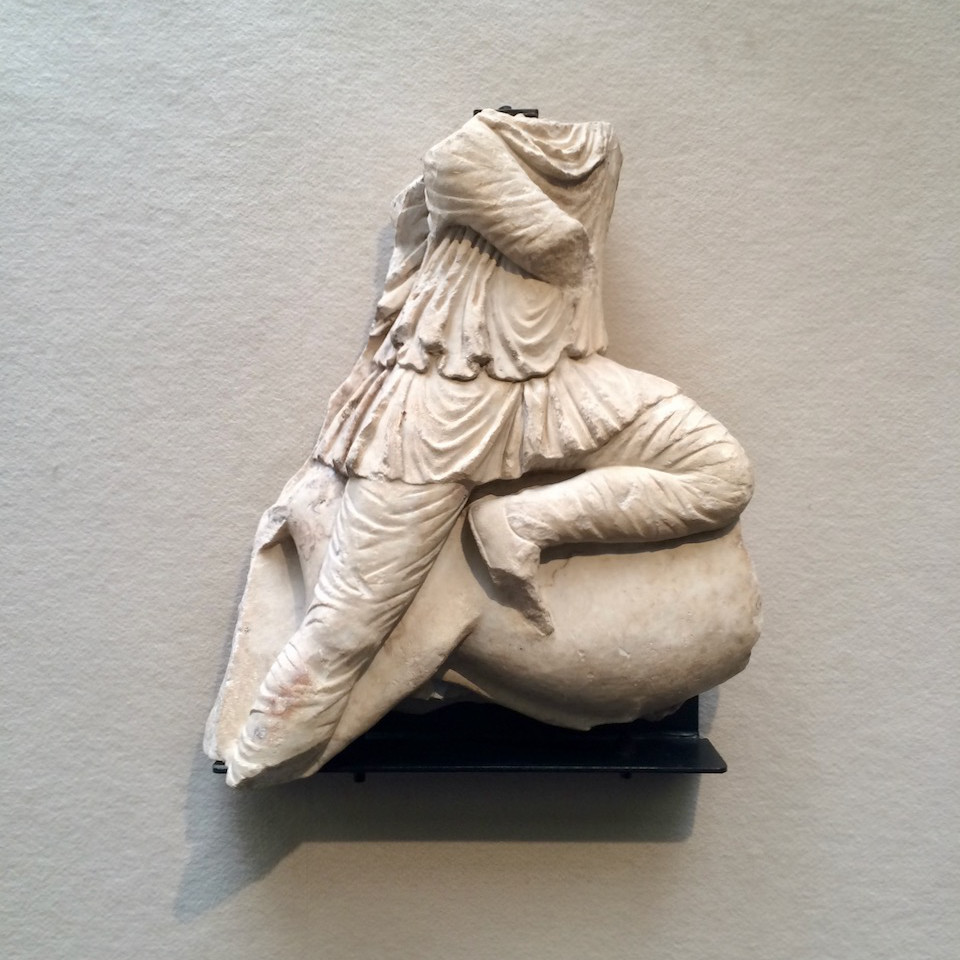
The Mithra Tauroctonos from Syracuse, Sicily, is currently on display in the city's archaeological museum.

Marble altar dedicated at the Vatican Phrygianum in Rome by the Mithraic pater Alfenius Ceionius Iulianus Kamenius in 374 CE.

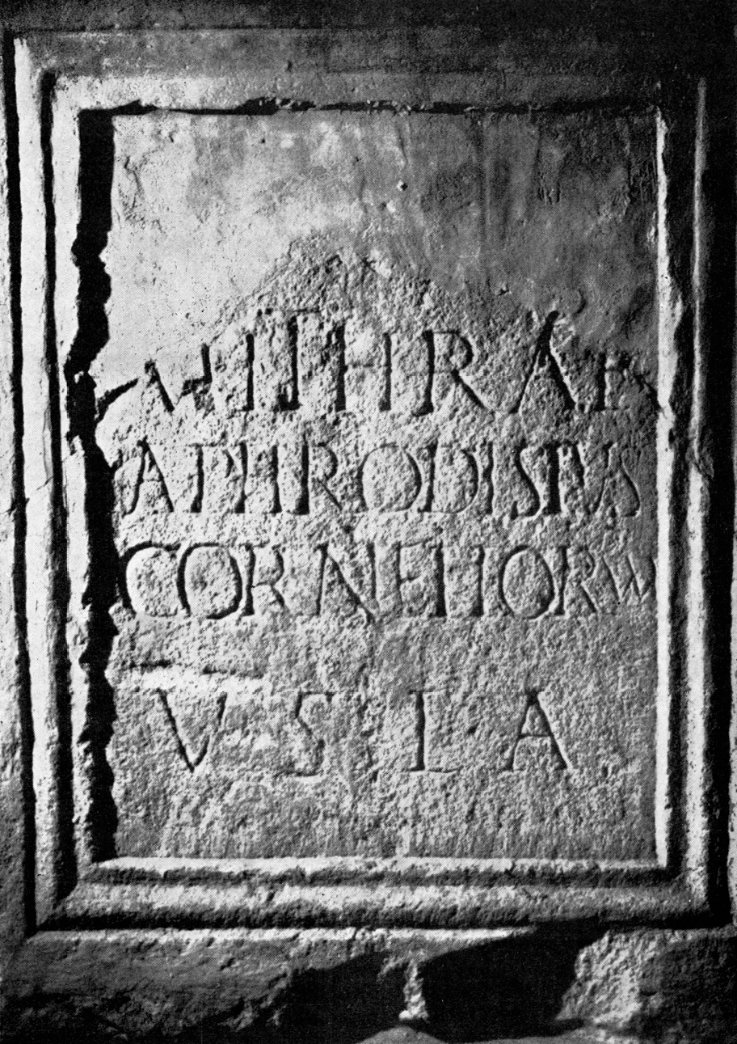
This inscription by a certain Aphrodisius was found under the old city hall of Algiers.
