Your search Vil·la romana dels Munts gave 370 results.

Marble relief from the Villa Wolkonsky showing Mithras slaying the bull, with the serpent creeping over the ground.
White marble statuette of a torchbearer from the Casino of the Villa Borghese, restored as a Paris, with head, right arm, calves, feet and the lower part of the cloak restored.
Relief of bluish marble in the Casino of the Villa Doria Pamphili showing Mithras slaying the bull with the usual animals, cross-legged torchbearers, and Sol in a quadriga and Luna in a biga in the upper corners.
White marble relief from the Casino of the Villa Giustiniani showing Mithras slaying the bull, whose tail ends in ears, with the usual torchbearers, dog, serpent, scorpion and raven, and the busts of Sol and Luna in the upper corners.
Base of bluish marble formerly in the Villa Giustiniani near Porta Flaminia and now in the Vatican Musea, Cortile della Pigna, with a round pedestal encircled by a bearded crested serpent biting its own tail, probably supporting a statue of Aion.
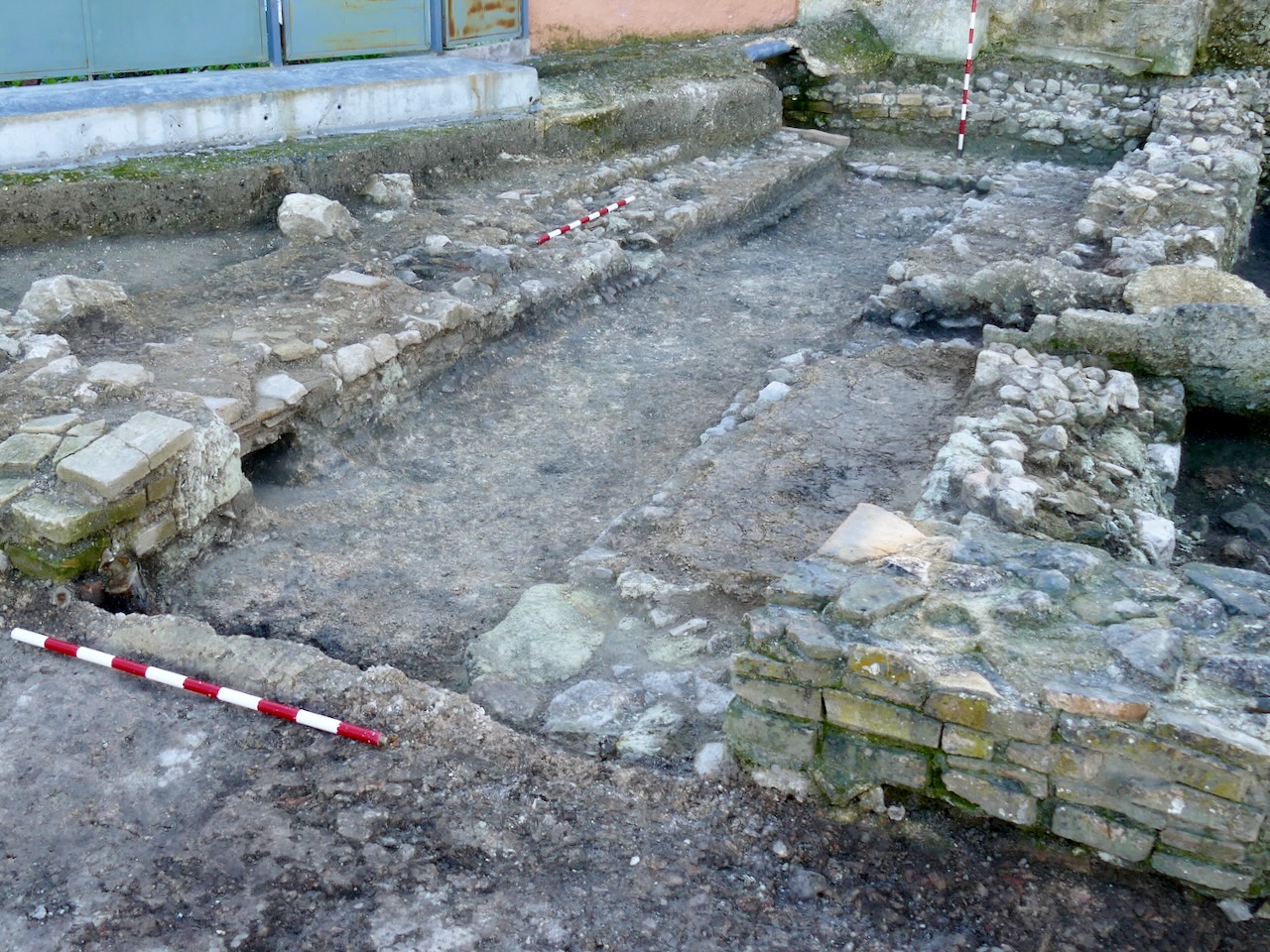
The Mithraeum of Cabra is located in the Villa del Mitra, which owes its name to the discovery in 1951 of a Mithras tauroctonus in the remains of the Roman villa.
This lost monument from Malaga, Spain, to Dominus Invictus has been linked to the cult of Mithras, although there is not enough evidence.
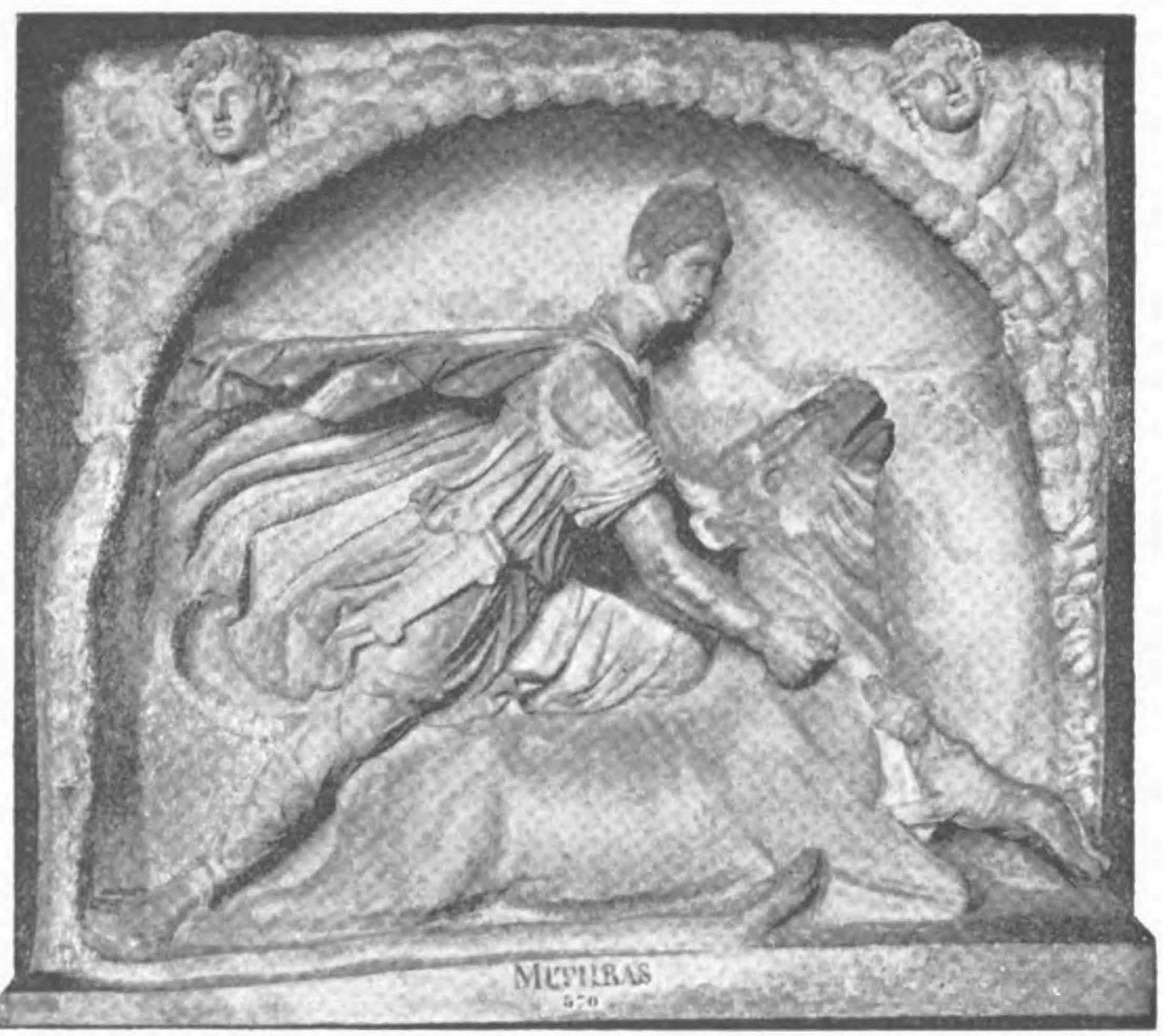
This is one of the three reliefs depicting Mithras killing the bull that the Louvre Museum acquired from the Roman Villa Borghese collection.
In his first book, Fahim Ennouhi sheds light on the cult of Mithras in Roman Africa. A marginal and elitist phenomenon, confined to restricted circles and largely absent from local religious dynamics, yet revealing.
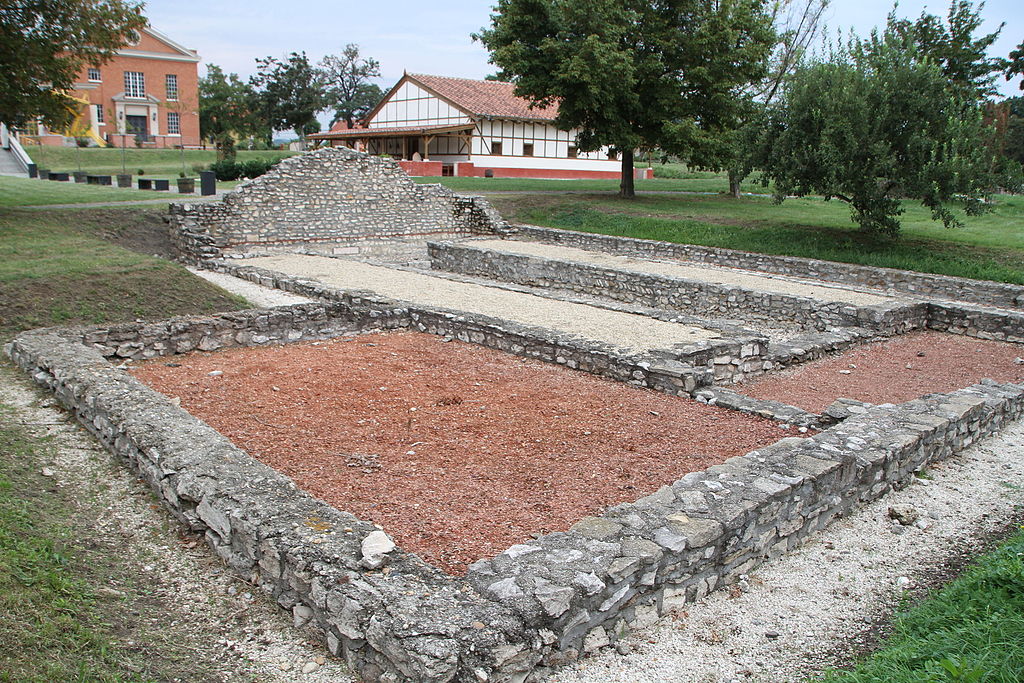
The Mithraeum of Symphorus and Marcus, in Óbuda, Budapest, has been restored to public view in 2004 and, while well presented, it has been heavily restored.
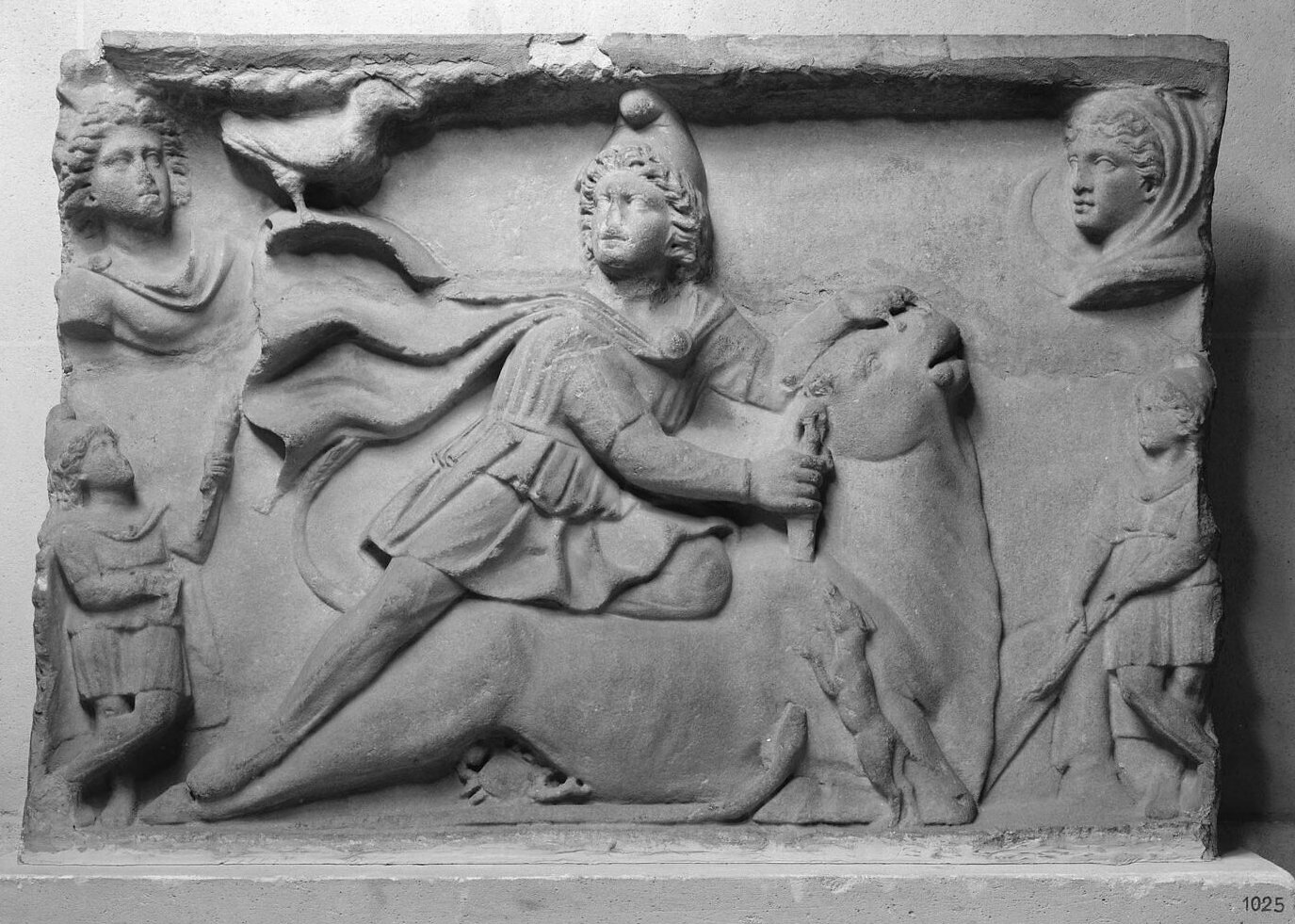
This is one of the three reliefs of Mithras as a bullkiller from the Villa Borghese collection that belong to the Louvre museum, now in the Louvre Abu Dhabi.
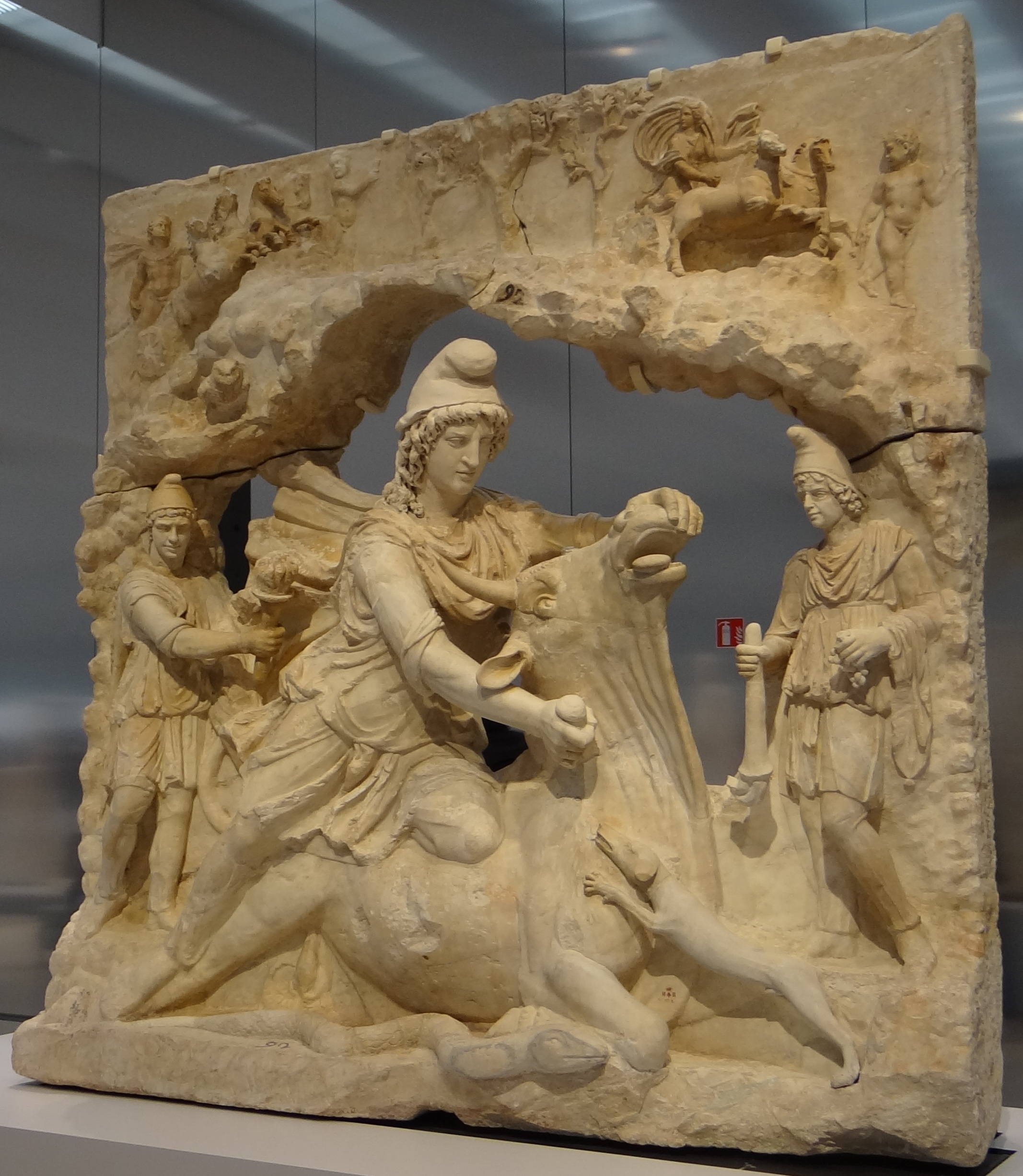
This relief of Mithras slaying the bull was erected in Piazza del Campidoglio, moved to Villa Borghese and is now in the Louvre Museum.
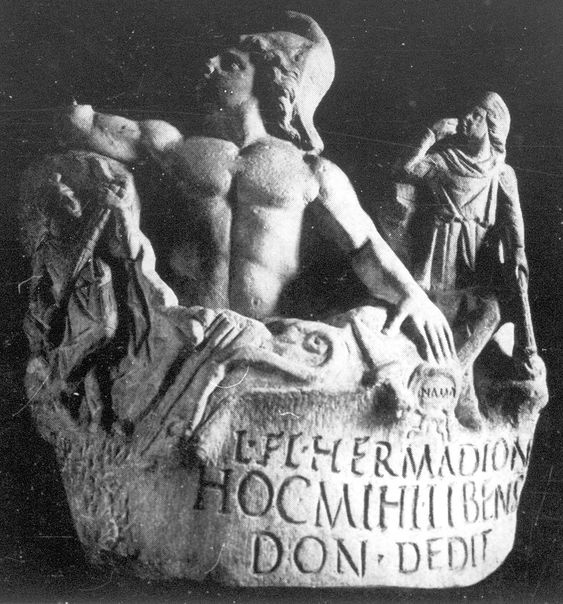
Mithras rock-born from Villa Giustiniani was holding a bunch of grapes in its raised right hand instead of a torch, probably due to a restoration.
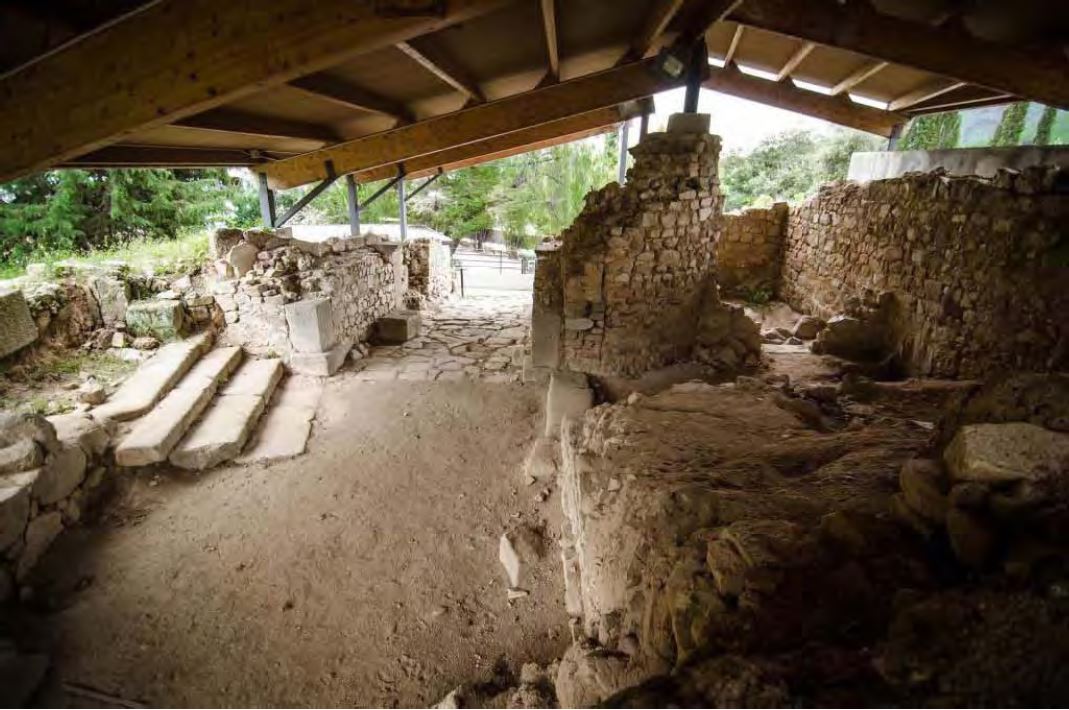
The Roman villa of Can Molodell had a sanctuary that has been related to the cult of Mithras.
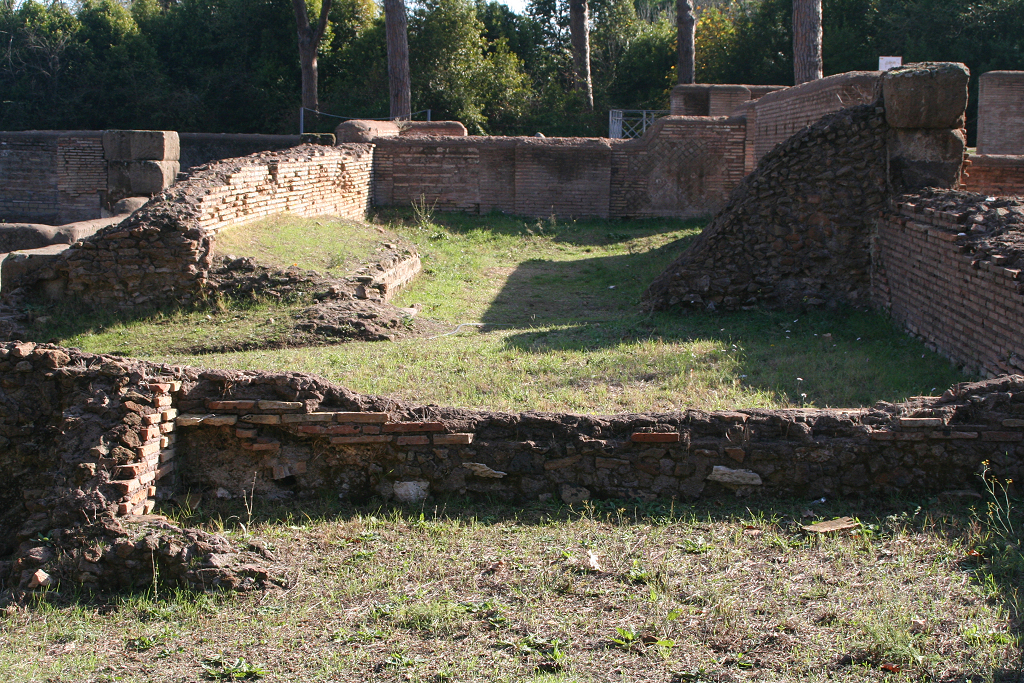
The Mithraeum near Porta Romana was connected to a Sacello, but the door was blocked.
The Mithraeum of Slaveni was discovered in 1837 on the right bank of the river Olt, in Romanati district.

The locality of Juslenville has yielded archaeological material associated with the Roman-period Ardennes region.
Inscription from Slăveni-Romanați, Dacia, dedicated to Soli invicto Mithrae: ara Solis — the altar of Sol.
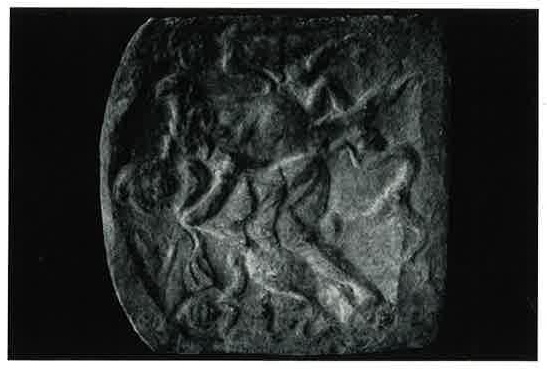
Reddish-white marble tauroctony relief from Slăveni-Romanați, Dacia, depicting the standard bull-slaying with the full iconographic programme.
White marble tauroctony relief from Slăveni-Romanați, Dacia, with the raven perched on the grotto's border; the right upper corner is broken off.
