Your search Villa of Domitian at the Castel Gandolfo gave 3678 results.

Marino is an Italian comune with 46,676 inhabitants located in the Metropolitan City of Rome Capital in Lazio.
The Pontiae islands, including modern Ponza, formed part of the Roman maritime landscape of Latium and preserve one of the most remarkable Mithraic sanctuaries of Roman Italy, renowned for its rare stucco zodiac and astral symbolism.
Roman Britannia preserves one of the most strongly militarised corpora of Mithraic evidence in the western empire.
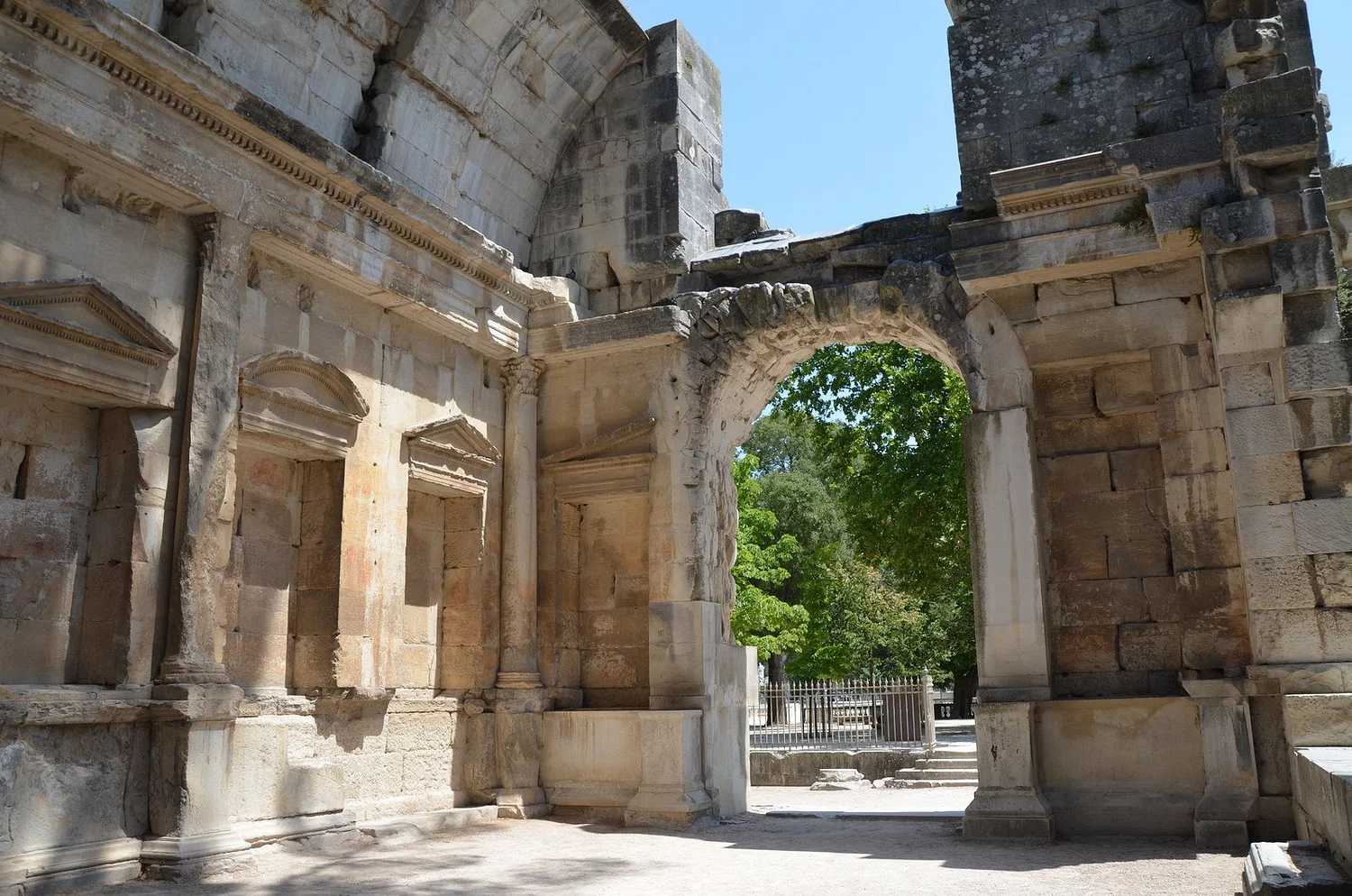
Roman Gallia preserves one of the largest and most geographically diverse corpora of Mithraic evidence in the western empire.
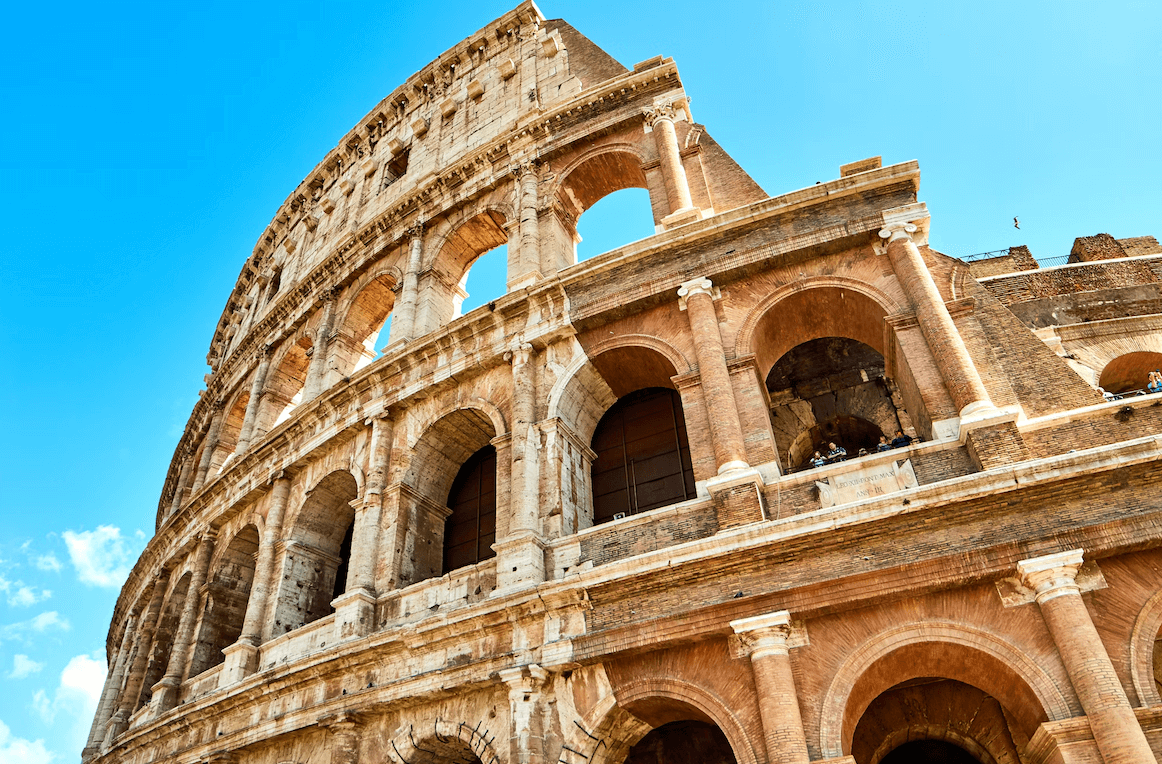
Roman Italia preserves a central and exceptionally influential corpus within the development of Mithraic cults.
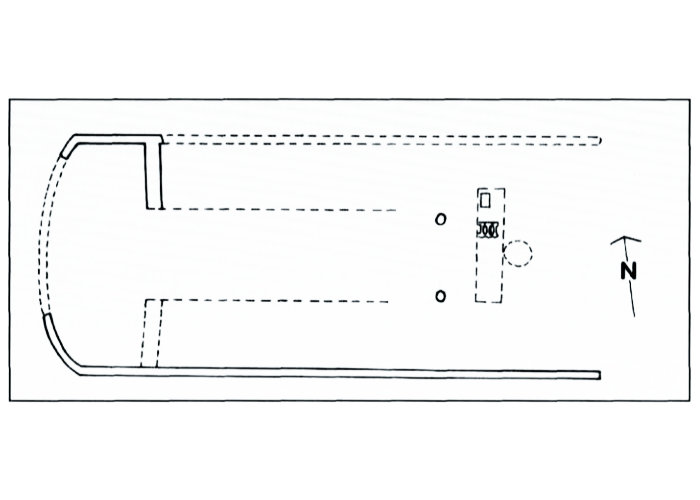
One of the largest known Mithraea in Pannonia, the sanctuary of Sárkeszi stood near the Roman road linking Herculia and Aquincum.
Arabia connected the Roman Near East to caravan routes, desert frontiers and the commercial networks of the southern Levant.
Jabal al-Druze, officially Jabal al-Arab, is an elevated volcanic region in the As-Suwayda Governorate of southern Syria.
Alexandria was founded by Alexander the Great in April 331 BC as one of his many city foundations. After he captured the Egyptian Satrapy from the Persians, Alexander wanted to build a large Greek city on Egypt’s coast that would bear his name.
Al-Ankawi is a Syrian town located in the Ziyarah Subdistrict of the al-Suqaylabiyah District in Hama Governorate.
Septeuil has been known in Mithriacism since 1984, when a sanctuary dedicated to Mithras was discovered in the 4th century. It was located in a spring sanctuary (nymphaeum) of the 1st century.
Dijon is the prefecture of the Côte-d'Or department and of the Bourgogne-Franche-Comté region in eastern France. The earliest archaeological finds within the city limits of Dijon date to the Neolithic period.
Narbonne rboː]; Late Latin: Narbona is a commune and subprefecture in Southern France, located in the Occitania region.
Syracuse is a city and municipality, capital of the free municipal consortium of the same name, located in the autonomous region of Sicily in Southern Italy.
Puteoli, the great commercial harbour of Roman Italy, preserves evidence of the cosmopolitan maritime environments through which Mithraic cults circulated across the Mediterranean world.
Posillipo is an affluent residential quarter of Naples, southern Italy, located along the northern coast of the Gulf of Naples.
Grumentum was an ancient Roman city in the centre of Lucania, in what is now the comune of Grumento Nova, c.
Madauros was a Roman-Berber city in Numidia, in present-day Algeria, renowned in antiquity as an important intellectual and educational centre of Roman North Africa.
Regensburg is a city in eastern Bavaria, at the confluence of the rivers Danube, Naab and Regen, Danube's northernmost point.
Vetera was the name of the location of two successive Roman legionary camps in the province of Germania Inferior near present-day Xanten on the Lower Rhine.
