Your search lucius apuleius madaurensis gave 97 results.
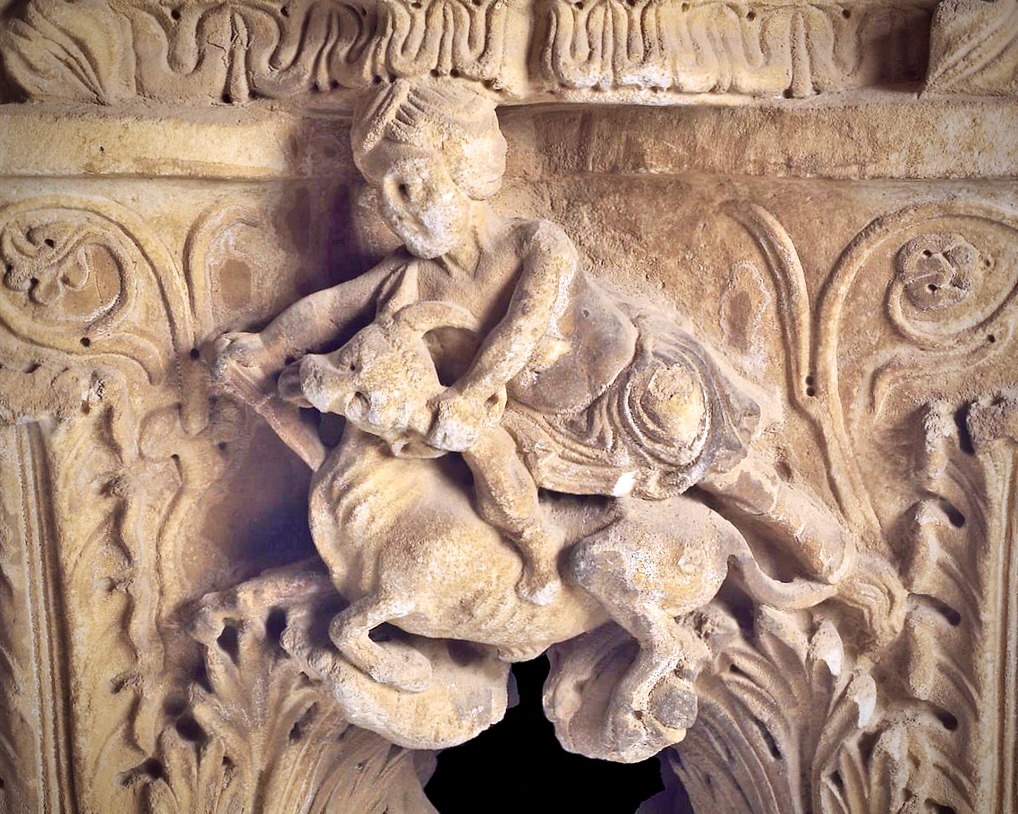
On one of the capitals of the cathedral of Santa Maria Nuova in Monreale, Sicily, an unusual turbaned bull-slaying Mithras has been recorded.

Laurent Bricault has revolutionised Mithraic studies with the exhibition The Mystery of Mithras. Meet this professor in Toulouse for a fascinating look at the latest discoveries and what lies ahead.
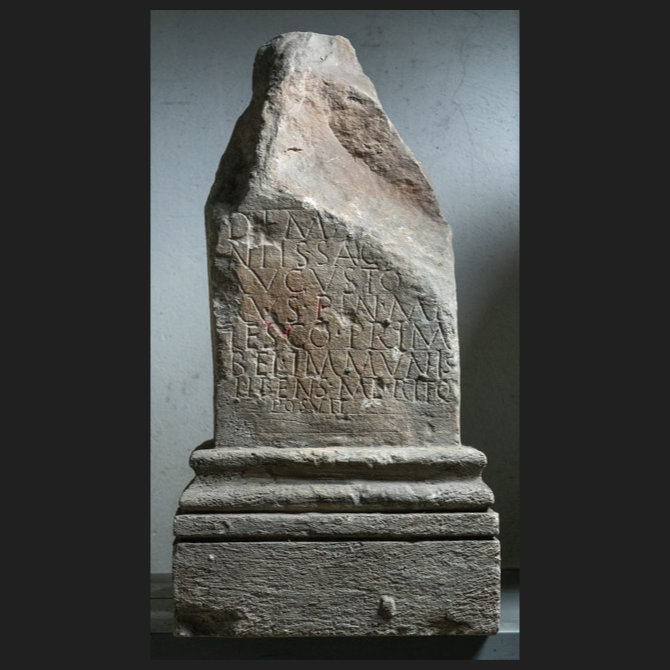
This altar, discovered in Grude, near Tihaljina, Bosnia and Herzegovina, bears an inscription by Pinnes, a soldier of the Cohors Prima Belgica.

This marble slab, found in the Mithraeum of San Clemente, bears an inscription by a certain Aelius Sabinus for the health of the Emperor Antoninus Pius and his sons.
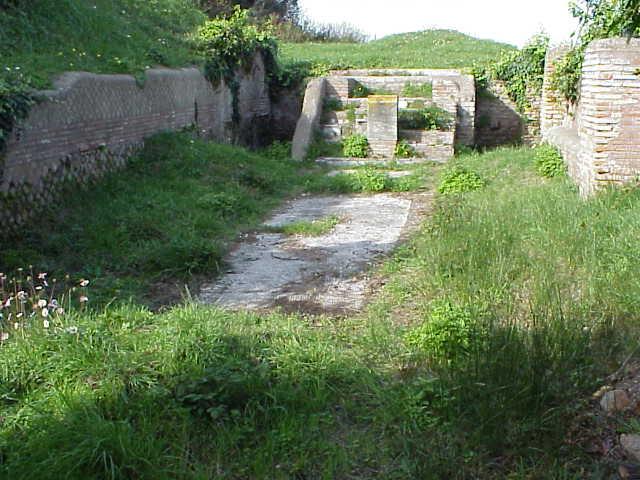
A mosaic of Silvanus, dated to the time of Commodus, was found in a niche in a nearby room of the Mithraeum in the Imperial Palace at Ostia.
This inscription found in the Mithraeum of the Seven Spheres mentions the Pater Marco Aemiliio Epaphrodito known from other monuments in Ostia.
This is one of the few known Mithraic inscriptions dedicated by a member who attained the grade of Perses.
Mithras rock-born from Villa Giustiniani was holding a bunch of grapes in its raised right hand instead of a torch, probably due to a restoration.
This monument to the invincible god Mithras was inscribed on the façade of the church of Aiello deil Friuli, Aquileia.
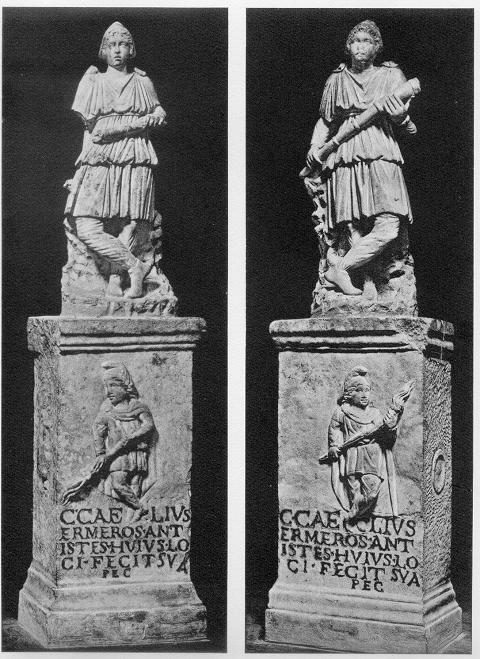
The sculptures of Cautes and Cautopates from the Mitreo del Palazzo Imperiale may have been reused from an older mithraeum in Ostia.
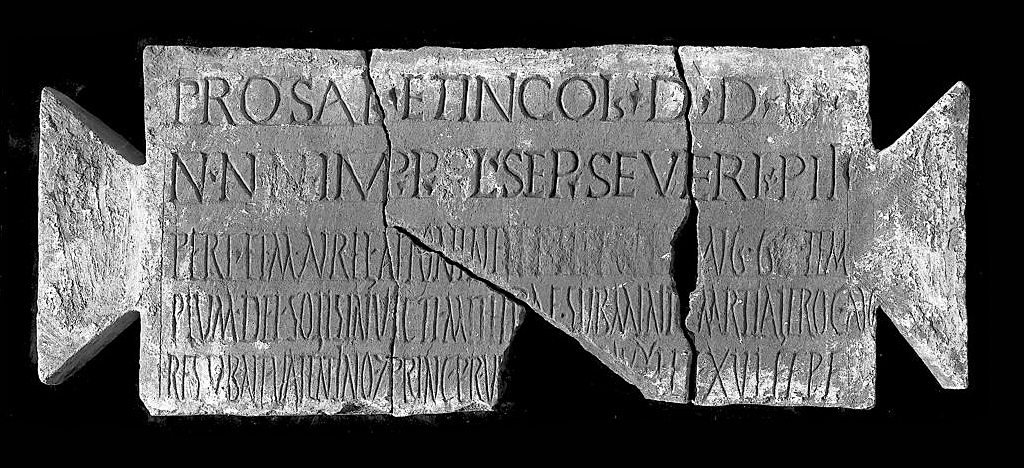
Antonius Valentinus, centurio, made this plaque for the salut des empereurs Septimus Severus and Marcus Aurelius.
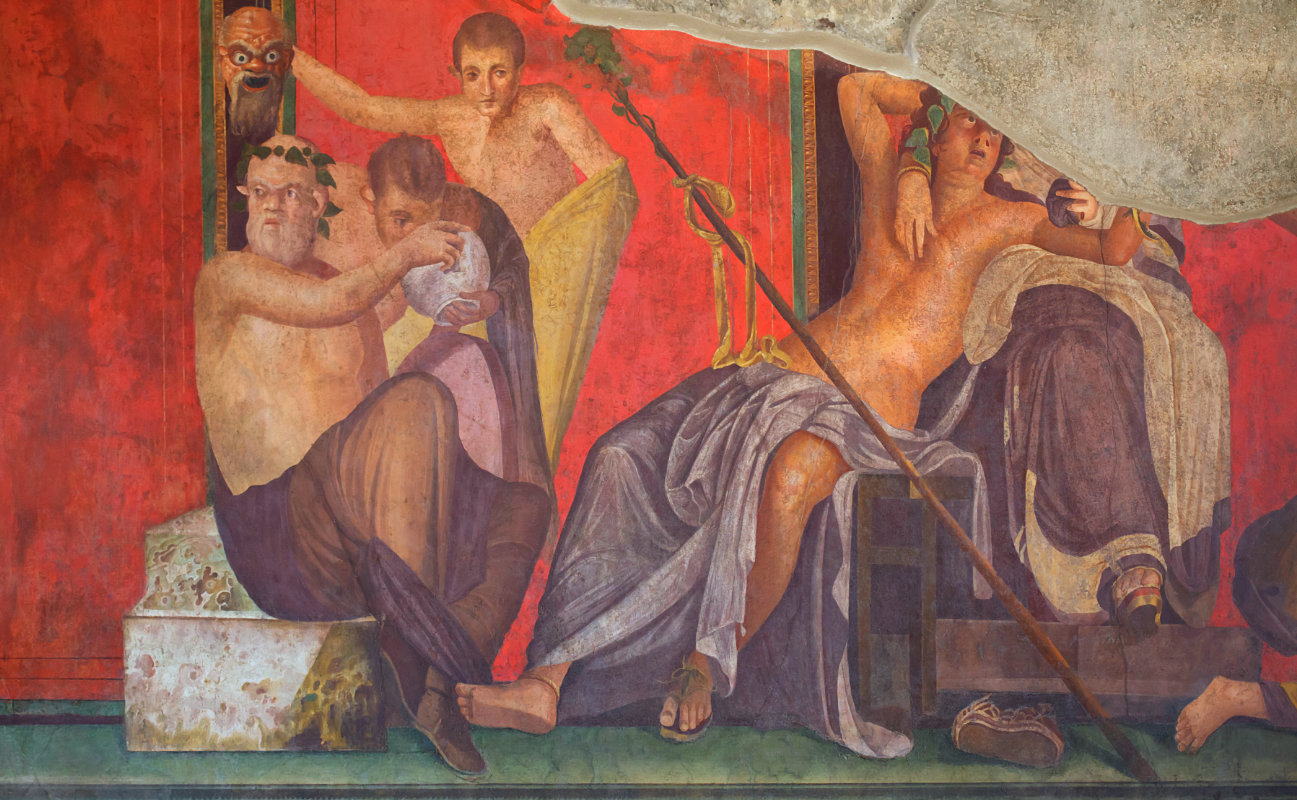
Peter Mark Adams: ‘The initiation was a frightening experience that caused some people to panic as a flood of otherworldly entities swept through the ritual space.’.
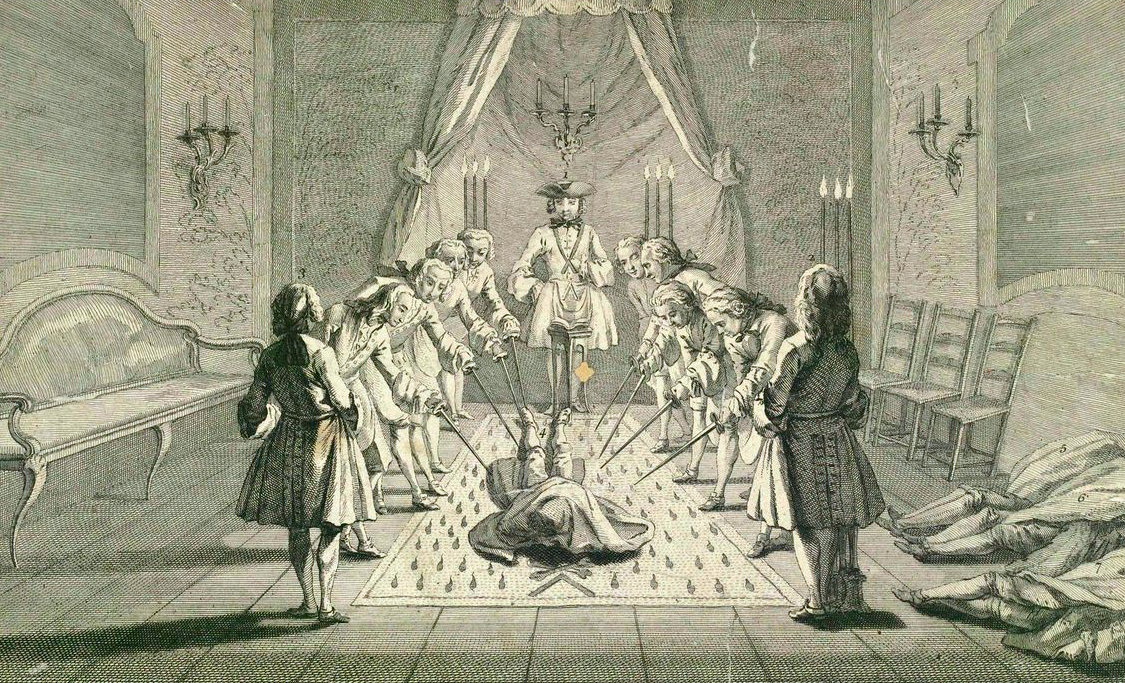
Twelve centuries separate the decline of Roman Mithraism from the dawn of Freemasonry. Twelve centuries during which the mysteries of Mithras have remained more secret than ever.

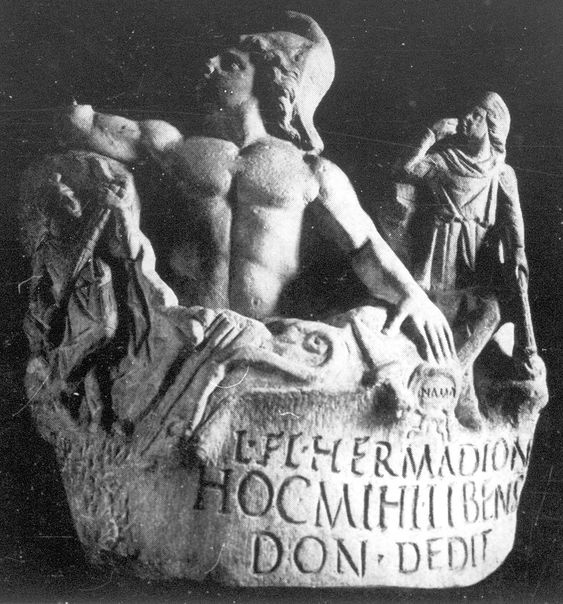
Hermadio's inscriptions have been found in Dacian Tibiscum and Sarmizegetusa, as well as in Rome.

First Roman emperor of African origin and founder of the Severan dynasty, which ruled the empire for over four decades.
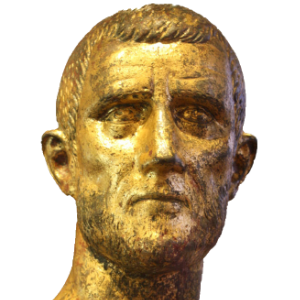
Roman emperor who established the state cult of Sol Invictus and promoted solar worship throughout the Roman Empire.
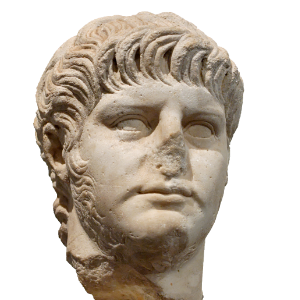
Roman emperor whose ceremonial reception of Tiridates I of Armenia established one of the earliest recorded links between Mithras and the Roman imperial court.
